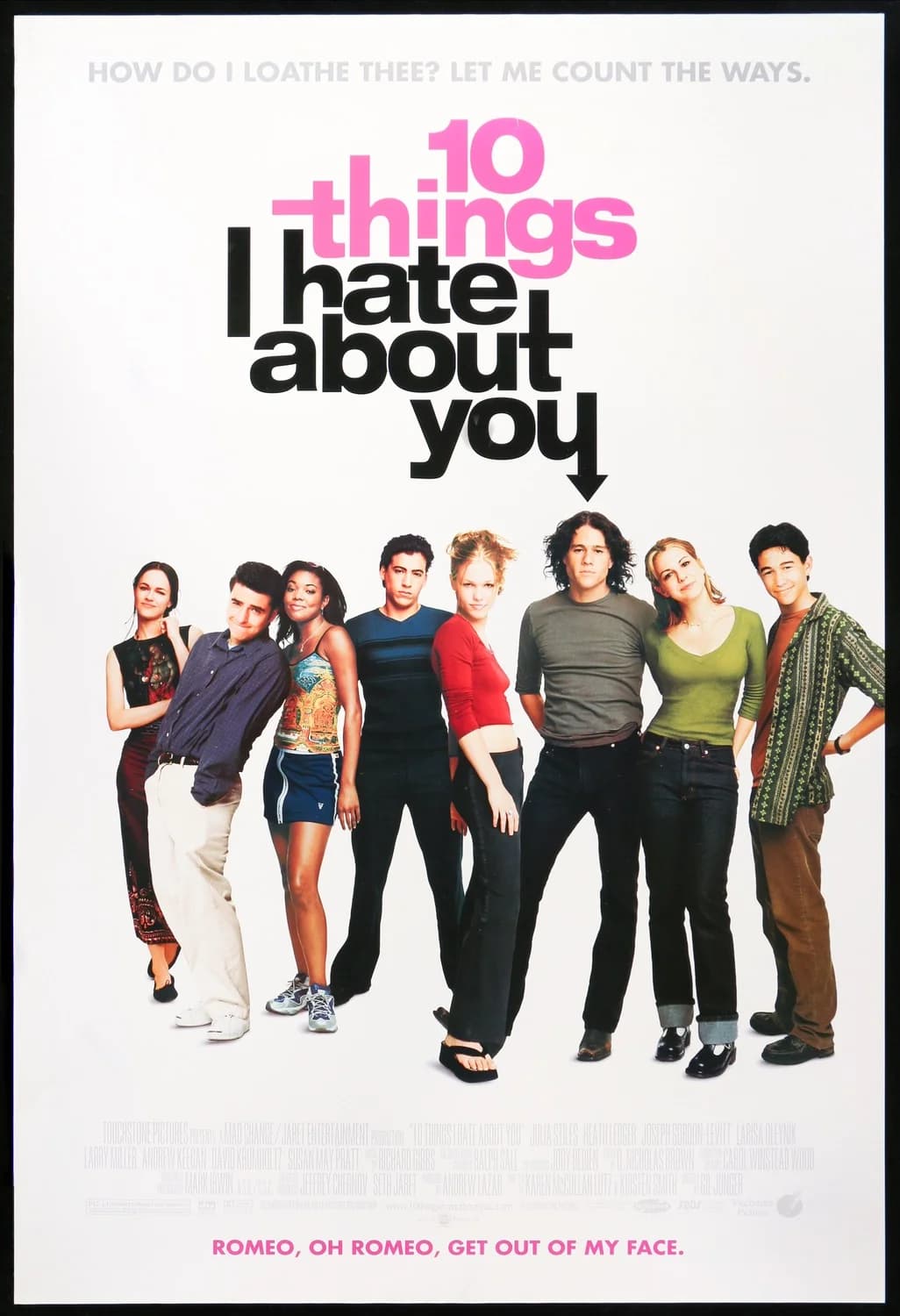
10 Things I Hate About You
Sibling rules, a rooftop serenade and one very stubborn Kat — Shakespeare in a school corridor.
// The setup
PLAYBACK STARTED
Ten minutes in, the film makes its case: this is Shakespeare rewritten as a teenage argument you can understand and laugh at. Gil Junger's 1999 teen romantic comedy straps The Taming of the Shrew into a high school and then hands the scene to Katarina 'Kat' Stratford — the part that still makes people talk about the movie. Behind the jokes and the prom, there's a neat trick: the plot's contrivance (a paid scheme to get Kat out the door) forces questions about who gets to decide how teenagers fall in love.
THE MOVIE
Katarina 'Kat' Stratford is still the reason this movie works
If you remember one thing about 10 Things I Hate About You, make it this: it takes a very old play and treats it like a school policy question. The screenplay drops The Taming of the Shrew into a late-1990s American high school and then watches the familiar material change shape under teenage rules and resentments.
That modernisation gives the film a tidy engine. New boy Cameron James is smitten with Bianca Stratford and, because her father has a firm rule about dating, he arranges for Patrick Verona to take Bianca’s older sister Kat out — a paid scheme that sets the whole rom‑com in motion.
What keeps the picture lively is not just the scheme but who the scheme is about. Julia Stiles plays Katarina 'Kat' Stratford, and contemporary reviews repeatedly pointed to her part — and the spar with Heath Ledger's Patrick — as one of the film’s central strengths.
THE SETUP
The idea that sets 10 Things I Hate About You in motion
At heart the film runs on a simple premise: take Shakespeare’s obstinate heroine and transplant her into an American high school with its own rules. The story makes that transplant literal by using the school as the stage for all the negotiating — social, romantic and parental.
The inciting move is clean and readable. Cameron James, newly arrived and obviously smitten with Bianca Stratford, discovers her father forbids Bianca from dating until her older sister does. Cameron's solution is to pay Patrick Verona to take Kat out — which turns a private grudge into a public plot device.
That contrivance matters because it forces characters into situations school rituals can expose: classes, assemblies, parties and even a school play become tools to test honesty, courage and the awkwardness of teen desire.
Those set-piece situations — from paintball to a rooftop serenade and the prom — let the film escalate small social gambits into bigger emotional payoffs without straying into full melodrama.
THE CHARACTER
Why Katarina 'Kat' Stratford matters
Kat is the film’s measuring stick: cynical about high-school hierarchies, wary of romantic entanglement and not remotely interested in doing what’s expected. That attitude turns her into more than a plot obstacle — she’s the personality that sets the movie’s tone.
Her refusal to play along creates the engine of the story. Walter Stratford’s rule that Bianca can’t date until Kat does is a tidy structural constraint, but it’s Kat’s guardedness that makes the constraint feel dramatic rather than just mechanical.
Patrick’s role is important because he’s written as the mysterious ‘bad boy’ who takes the cash and shows up. Over time his behaviour peels back a layer or two, and what was initially a transactional arrangement begins to reveal deeper motives tied to Kat herself.
Put simply: remove Kat from the centre and you lose the thing that makes this particular teenage rom‑com feel like a debate rather than a series of romantic checkboxes.
THE PERFORMANCE
Why Julia Stiles's performance matters
Reviews at the time singled out Julia Stiles's portrayal of Kat as giving the film a central presence worth paying attention to. That response matters because the script could easily have reduced Kat to a stereotype; the coverage at release suggests Stiles helped anchor the character.
Equally noted was the on-screen interplay between Stiles and Heath Ledger. Contemporary commentary consistently flagged their chemistry as one of the film’s durable pleasures, the kind of pairing that makes the staged oppositions feel emotionally plausible.
Those observations are useful when deciding whether the movie’s heart actually belongs to its characters rather than its gimmicks. The attention the performances received at release indicates the film’s emotional beats rested on actors who made the choices seem convincing to audiences and critics.
So while this isn’t a performance primer, it’s fair to say contemporaries pointed to Stiles — and her relationship with Ledger’s Patrick — as a large part of why the film felt more than a cheeky literary exercise.
UNDER THE SURFACE
10 Things I Hate About You has more on its mind than the plot suggests
Beneath the rom‑com set pieces, the film is talking about growing up. A coming‑of‑age through risk — taking emotional chances, being honest, learning to stand for something — is the quieter current beneath the jokes.
Sibling relationships and parental control are not just background detail; they form the pressure that shapes choices. The Stratford sisters’ dynamic and their father’s rule frame how the teenage characters negotiate desire and responsibility.
Because it’s an explicit adaptation of a Shakespeare play, the film also nudges at gender politics: it modernises those older conflicts so they read as debates about consent, performance and who gets the power to define someone’s behaviour.
And finally, the film keeps returning to status and identity. High school’s social hierarchies are the drama’s playground — mean, petty and occasionally revealing — and the movie uses them to test authenticity versus performance.
THE FILMMAKING
How 10 Things I Hate About You was put together
Gil Junger’s production treats the school as a quasi‑theatrical space: the hallways, gym and assemblies read like sets designed to stage adolescent drama with maximum clarity.
That stage sense helps the film get away with brisk, broad storytelling. Because the locations function like scenes in a play, the script can jump from gag to emotional exchange without losing the sense of cause and effect.
The film also leans on recognisably local exteriors to give the high school a specific place in the world, which keeps the story from becoming an abstract teen fantasy.
All of this is a practical choice: frame the school like a stage and the Shakespearean roots feel natural rather than tacked on.
PURE 80S
10 Things I Hate About You could not belong to any other decade
The film sits squarely in a late-1990s wave of teen movies that rework classic texts for high‑school audiences. It’s the same creative impulse that produced contemporaries which turned canonical stories into teen comedies.
That trend gave studies and critics a shorthand: these movies were less about slavish fidelity and more about translating big ideas into locker-room-sized problems, and 10 Things I Hate About You is a clear example.
Location choices also tie the picture to its moment. Filming in the Seattle/Tacoma area placed the story in a recognisable Pacific Northwest frame, a geographical choice that several youth-oriented productions favoured in the era.
Put together, the film is recognisably of its moment because it uses the decade’s appetite for modernised classics and high-school set pieces to make Shakespeare feel friendly and immediate.
WATCHING IT NOW
What has aged — and what hasn't
One of the film’s strengths is that scholars still return to it when discussing how Shakespeare gets reworked for youth culture; that ongoing critical interest suggests the adaptation choices remain worth talking about.
As a teen rom‑com the familiar beats — social pecking orders, makeovers, rites of passage — still read clearly. The genre conventions are worn in rather than apologised for, which helps the picture feel accessible to a modern viewer curious about the era.
Some elements are tied to its 1990s moment, but those era markers rarely get in the way of the film’s main concern: how characters try to be honest with one another while performing roles for their peers and parents.
The movie even extended its life modestly: it later inspired a short-lived television adaptation that returned to the characters and school setting, demonstrating the story’s continued usefulness as a teen property.
THE LEGACY
Why 10 Things I Hate About You still matters
The film went on to be adapted into a short-lived television series that drew on its characters and high-school setting; the continuity of the Stratford household even saw Larry Miller reprise his role as Walter Stratford.
More tangibly, the movie helped raise the profiles of several young cast members — Julia Stiles, Heath Ledger and Joseph Gordon‑Levitt — and is commonly referenced as an early, career‑prominent title for all three.
Julia Stiles’s work on the film earned industry recognition at the time, including an MTV Movie Award for Breakthrough Female Performance and a Most Promising Actress nod from the Chicago Film Critics Association.
Those things together explain why the picture remains in the conversation: it’s both a competent example of its genre and a clear career moment for actors who would be talked about for years after.
THE VERDICT
Does 10 Things I Hate About You still hold up?
Yes — but with a small, sensible rider. The film is precisely what it sets out to be: a 1999 modernisation of The Taming of the Shrew that uses a high‑school rule (Bianca can’t date until Kat does) and a deliberately contrived scheme (Cameron hires Patrick) to stage its romantic arguments.
What lets it survive the years is its focus on character choices rather than cleverness for its own sake. Kat is written as an outspoken, anti‑popularity older sister whose resistance matters; when the script respects that resistance, the film’s emotional moments land.
The title itself gestures at the movie’s emotional honesty — the sonnet-like list Kat reads late on crystallises stakes the rest of the film has been nudging toward — and that willingness to let a character speak plainly still feels genuine.
So if you’re deciding whether to watch it today: go for the interplay between the leads and the way the screenplay translates Shakespeare into teenage terms. It’s short, sharp and, when it chooses to be sincere, it still hits.
Share this movie
// Keep watching
More movies from the 90s
If 10 Things I Hate About You is your kind of movie, there's plenty more on the shelves worth rewinding.
1999 // VHS
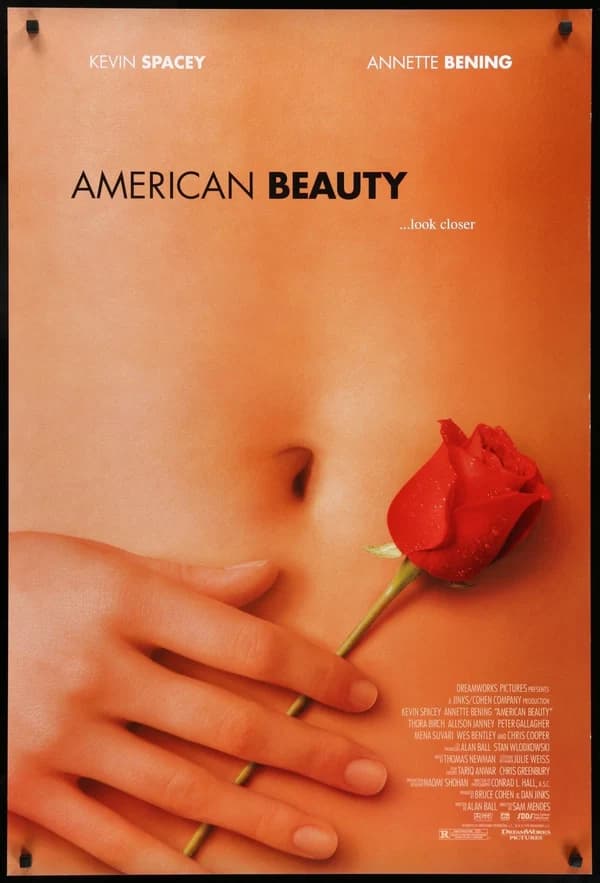
American Beauty
Lester Burnham, suburban rot and a midlife argument that still stings.

1999 // VHS
Any Given Sunday
Al Pacino's coach anchors the chaos of a film about football turned into product — loud, messy and oddly persuasive.
1990 // VHS
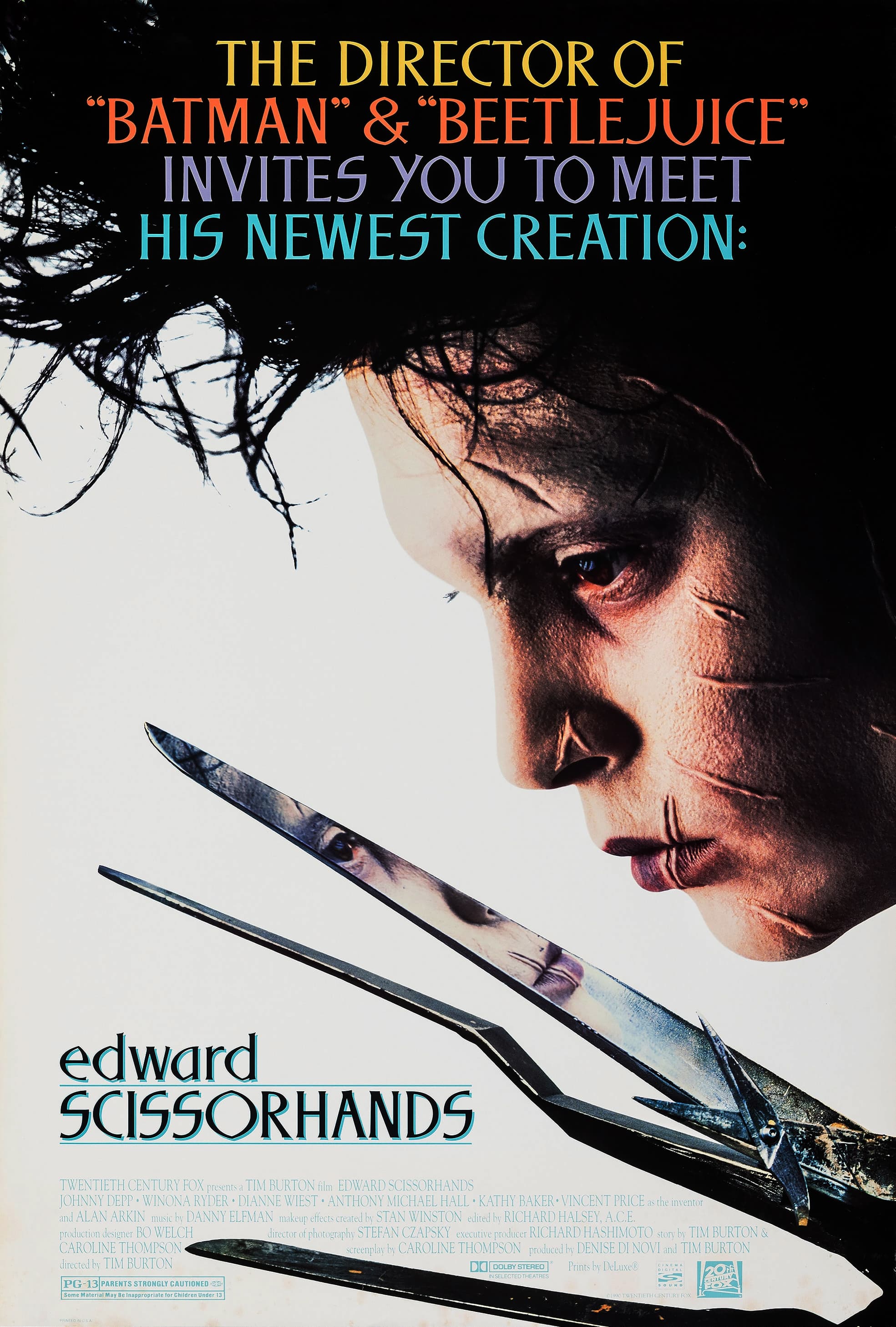
Edward Scissorhands
A fairy tale about a man who can’t quite touch the world — and the neighbourhood that can’t quite handle him.