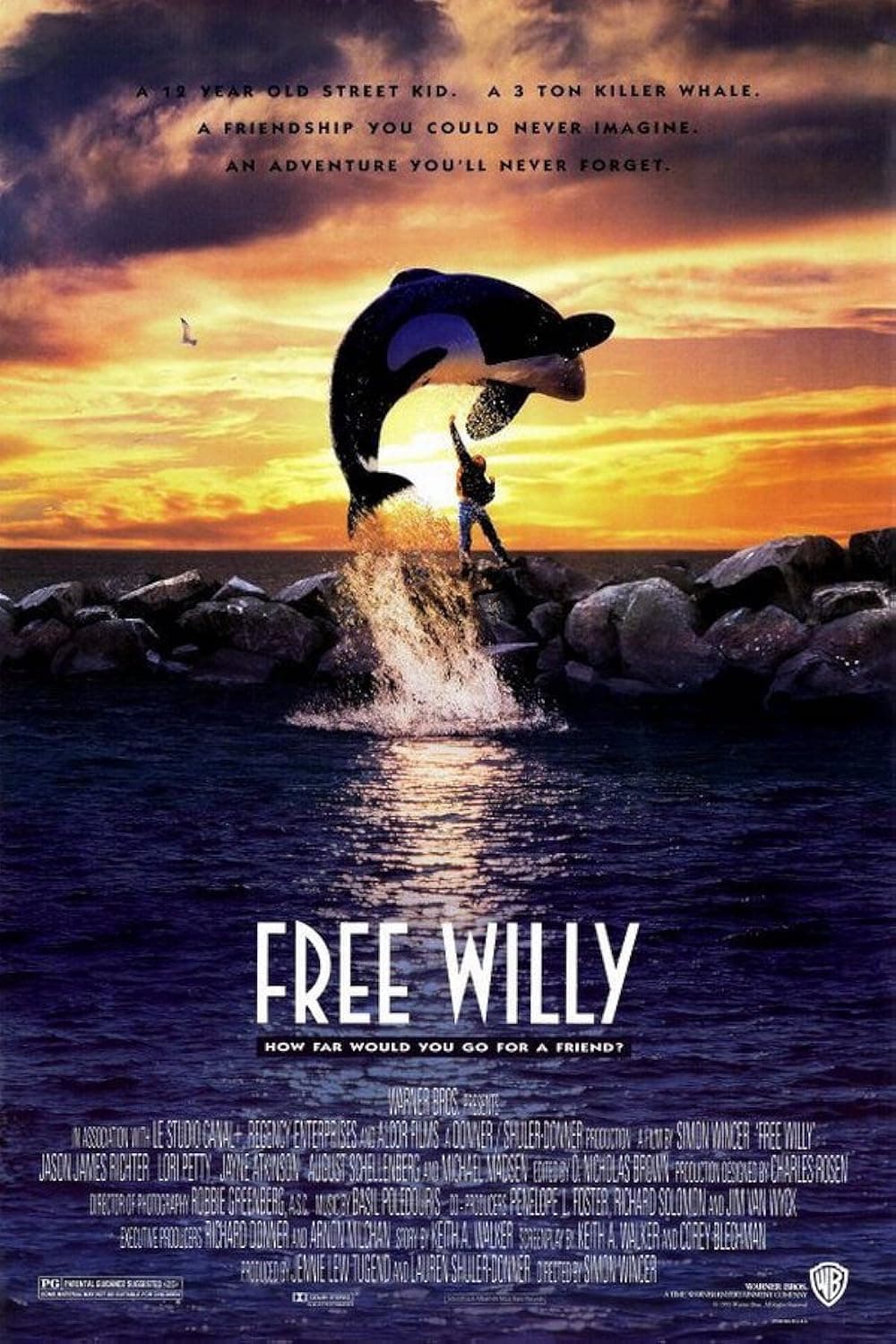
Free Willy
A boy, a whale and a very determined idea of freedom.
// The setup
PLAYBACK STARTED
Talk about Free Willy and most people will reach for the big leap — but the film hangs together because of a kid called Jesse. Simon Wincer's 1993 family drama sets a simple, obvious promise (boy befriends captive orca) and trusts that the human pieces around it will do the emotional heavy lifting. It's earnest, occasionally clumsy and hard to forget.
THE MOVIE
Jesse is still the reason this movie works
Free Willy is easy to describe: a rebellious, orphaned 12-year-old called Jesse bonds with a captive orca and decides to stop the park from getting rid of the animal. That premise is simple, but the film makes a virtue of simplicity by letting the relationship itself carry the drama.
The movie wastes no time. Jesse meets Willy after a graffiti stunt lands him cleaning the tank — and when he accidentally falls in, the whale rescues him. That early rescue flips a predictable kid-and-pet set-up into something more urgent; Jesse's connection feels earned because it begins with a real, dangerous moment.
Credit Simon Wincer for steering the whole thing and Jason James Richter for being the centre of it, but don't forget the other oddball co-star: Keiko, the orca, appears in many live-animal scenes and gives the film its unmistakable, physical presence.
THE SETUP
The idea that sets Free Willy in motion
At its core the film is a tidy, effective machine: an orphaned boy with a chip on his shoulder finds a kind of home in the most unlikely of places — the tank at a failing amusement park. That connection gives Jesse the motivation to act, and it supplies the plot with a clear opponent: the park's financial pressure and plans to remove Willy.
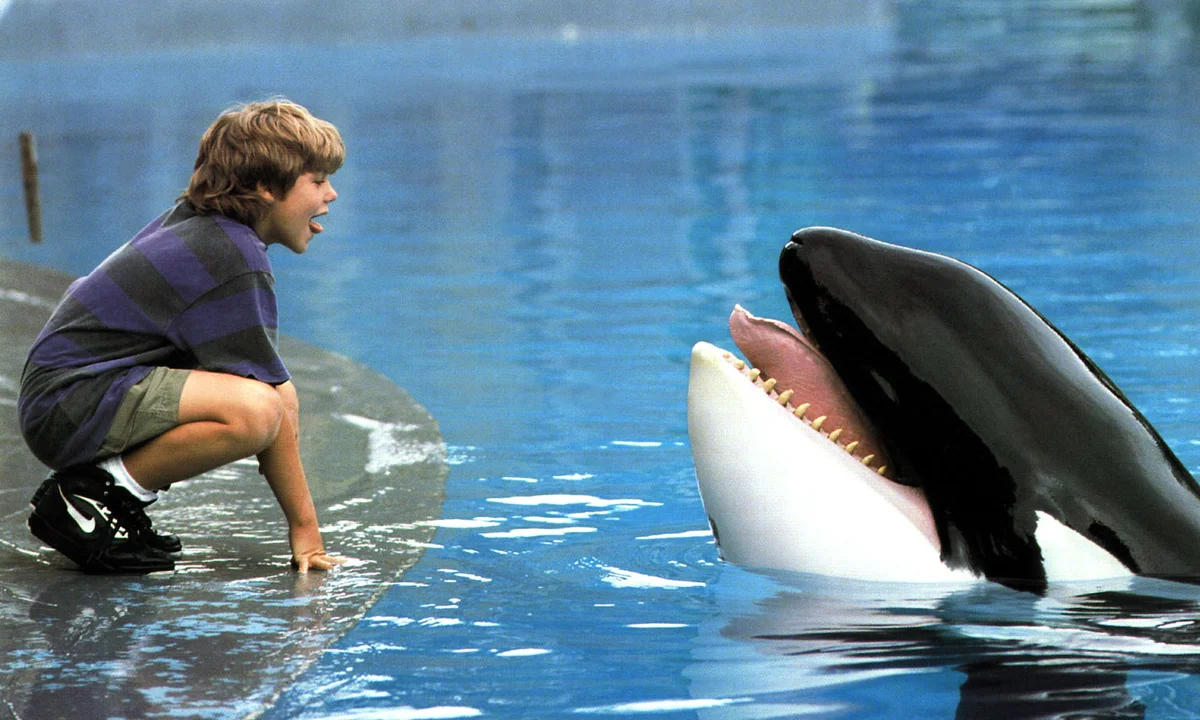
The inciting moment is practical and memorable. Jesse's troublemaking — a break-in and some graffiti — lands him doing unpaid labour at the park, and when he falls into the whale's pool and is saved, the power dynamics change. Suddenly the boy is not just a nuisance but someone who matters to the animal.
The plot depends on believable mechanics: Jesse's access to the park, the trainers' uneasy relationship with the whale, and the secretive plan to get Willy out of captivity. Those ingredients keep the story moving without ever pretending it's more complicated than it needs to be.
On the credits, Keith A. Walker gets the story credit and he and Corey Blechman share screenplay duties — the kind of straightforward writing team-up that suits a family adventure built around one clear idea.
THE CHARACTER
Why Jesse matters
Jesse is not interesting because he's a clever schemer or a saint. He's a kid who has been abandoned and is quietly trying to find somewhere he belongs. That motive — abandonment and the search for belonging — keeps his choices feeling human even when the plot threatens to simplify him.
What makes Jesse memorable is that his bond with Willy functions on two levels: it's shelter for a lonely boy and it pushes him to make moral choices he might otherwise avoid. The whale is the reason Jesse shifts from petty rebel to someone trying to protect another being.
Willy's behaviour in the film deepens Jesse's role. The whale can be sulky and noncompliant in front of a crowd, but becomes responsive to Jesse, which in turn forces the adults around them to take notice and, eventually, to change how they treat him.
Because Free Willy sits in family territory, Jesse's arc also doubles as a found-family story: his growing fit with the Greenwood household feels like progress rather than tidy resolution — the film lets you see why belonging matters without spelling every beat out.
UNDER THE SURFACE
Free Willy has more on its mind than the plot suggests
On the surface it's a rescue caper; underneath it's wrestling with freedom and captivity. Willy's confinement makes the whole story read like a moral argument dressed in family-adventure clothes — who gets to decide another being's fate, and on what grounds?
Jesse's coming-of-age is tied to that debate. As he grows closer to Willy and to the Greenwoods, his decisions show how a child can learn responsibility and empathy by protecting someone more vulnerable than himself.
Animal rights and exploitation are threaded through the plot without ever becoming a lecture. The film uses the park's financial pressures as the pragmatic engine for the conflict, which underlines how economic incentives can bend ethical choices.
It all arrives wrapped in a found-family package: the bond Jesse finds with the Greenwoods and the whale gives the film emotional weight without inventing complexity where clarity will do.
THE FILMMAKING
How Free Willy was put together
There isn't a lot of ostentation here; the movie is assembled with a crew that knows how to keep an audience focused on the human story. Robbie Greenberg handled cinematography, O. Nicholas Brown edited the film and Charles Rosen led production design — a straightforward line-up that suits a family drama aiming for clarity.
That kind of decision-making shows in how the film stages its scenes: the technical choices mostly exist to let the story breathe rather than to draw attention to themselves. For a picture that relies so heavily on one set-piece relationship, that restraint is useful.
Simon Wincer directs with an eye for the dramatic moment rather than stylistic flourish, which keeps the film accessible to younger viewers while allowing emotional beats to land for adults.
In short: Free Willy looks and moves like a film built to service a simple idea, and the credited crew reflect that unflashy, craft-first approach.
PRACTICAL EFFECTS
The effects work that gives Free Willy its physical personality
Free Willy sits in that curious zone where live animals and studio trickery meet. The production used a full-size robotic stunt whale covered in urethane rubber plus model top sections moved by hydraulics for many of the action-heavy shots.
Those mechanical pieces were used alongside sequences featuring a real orca — Keiko — so the film blends hands-on engineering with actual animal footage to make Willy feel present in every frame.
Because both techniques are visible, the movie has a tactile quality: you can sense the physical work behind a big splash or a close interaction, which suits the film's emotional directness.
The credits make clear the live-animal work was supervised by professionals, which is important given how central Keiko's footage is to the film's identity.
PURE 80S
Free Willy could not belong to any other decade
Released in July 1993, Free Willy arrived at a moment when public debate about marine mammal captivity was gaining steam. The film didn't create that conversation, but it did land in the middle of it and amplified public interest.
It also fits the early-90s commercial landscape for family-adventure pictures: a summer release and soundtrack tie-ins (including an end-credit Michael Jackson song) positioned it as a modest family title with broader ambitions.
That combination — topical subject matter and family-friendly commercial packaging — explains why the film felt both urgent and marketable at the time.
Seen this way, Free Willy reads like a thoroughly 1993 piece: engaged with an ongoing public debate and packaged to reach a wide audience.
WATCHING IT NOW
What has aged — and what hasn't
Some of the technical bits — the animatronics and the early-1990s filmmaking choices — read like period work. Those moments can knock you out of the story if you're watching closely, because the mechanical pieces sometimes sit beside live footage in ways that reveal the seams.
But the central human–animal relationship remains the thing people remember. The emotional bond between Jesse and Willy survives the years because the movie keeps the stakes personal and straightforward.
It's also worth saying the film's family focus still works: the found-family beats that bring Jesse into the Greenwood household don't rely on trendy hooks, so the core emotional shift plays today as it did then.
So — technical rust, emotional centre intact. If you watch Free Willy now, expect the craftsmanship to feel dated in places but the story's reason for being to remain clear.
THE LEGACY
Why Free Willy still matters
The film's most tangible legacy is real-world: it directly inspired public efforts to improve Keiko's living conditions and helped spark a rehabilitation and return-to-sea campaign for the orca. That's an unusual afterlife for a family movie.
Free Willy also generated a modest franchise — sequels and an animated series — which shows the story had enough audience affection to keep going beyond the original picture.
On the commercial side, the soundtrack tie-ins played a part in the film's profile; the end-credit Michael Jackson song became a notable element of how the movie was marketed and remembered.
Taken together, those threads explain why the film continues to be referenced: it mattered on screen and then, unusually, mattered off screen too.
THE VERDICT
Does Free Willy still hold up?
Yes — with a clear rider. If you want slick modern family entertainment, this isn't it. But if you want a film whose entire heart is a kid trying to do the right thing for a creature he cares about, Free Willy still delivers that experience.
The story's engine is straightforward: Jesse's bond with Willy, established in an early rescue, turns private compassion into public action against a park trying to dispose of the animal. That neat moral conflict keeps the movie honest about its priorities.
Technically, the film mixes real footage of Keiko with animatronic and model whale work; those choices are part of its texture and occasionally date it. But they don't erase the central emotional premise, which is what contemporary reactions singled out — the interplay between the child lead and the animal remains the film's selling point.
So should you watch it? If you care about stories where a child's conviction changes the adults around him, Free Willy still works. It won't fool you with sophistication, but it will remind you that sometimes a straightforward tale — a boy, a whale, a stubborn refusal to accept captivity — is exactly the story a family needs.
Share this movie
// Keep watching
More movies from the 90s
If Free Willy is your kind of movie, there's plenty more on the shelves worth rewinding.
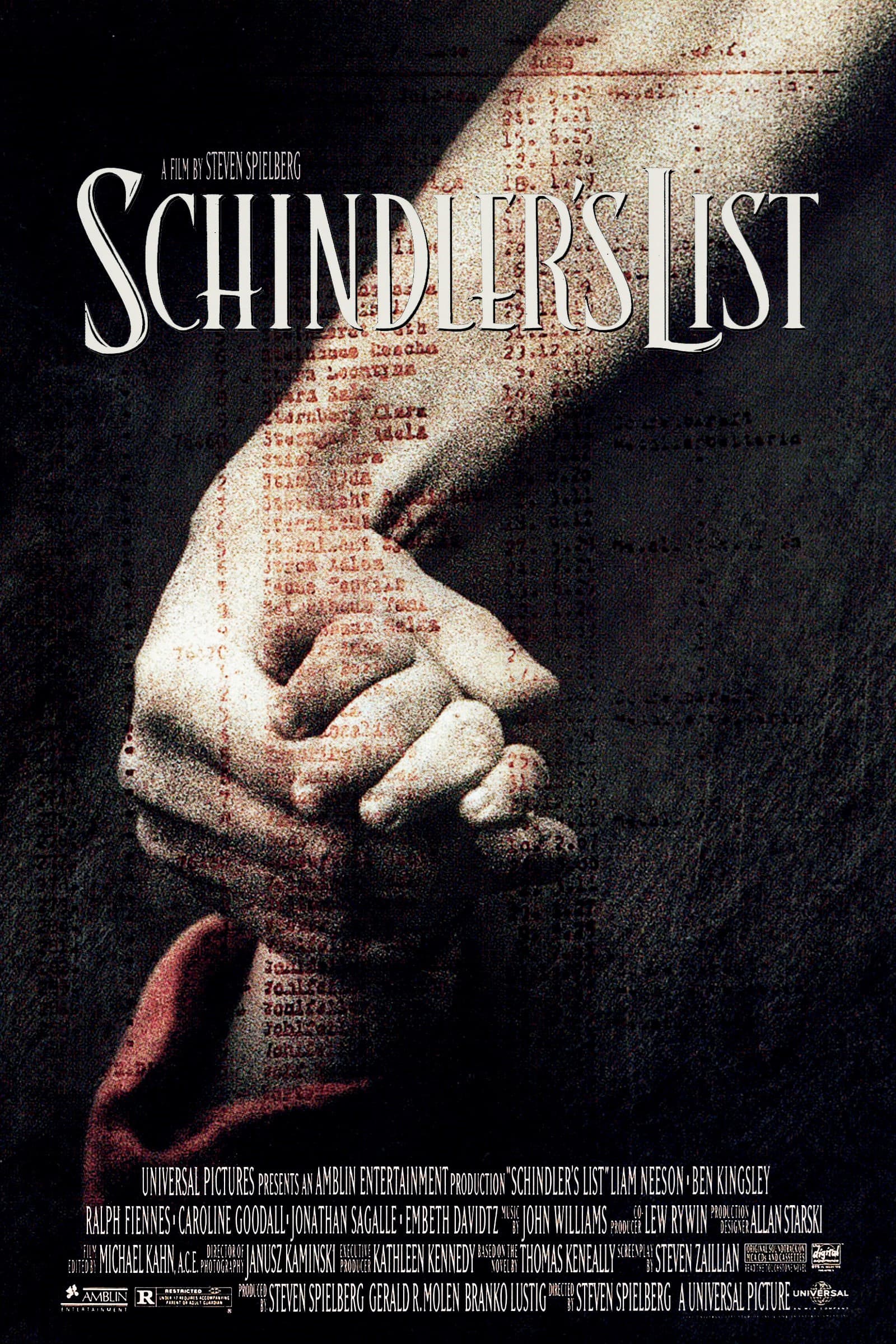
1993 // VHS
Schindler's List
A businessman who keeps a list — and keeps changing the kind of man he is.
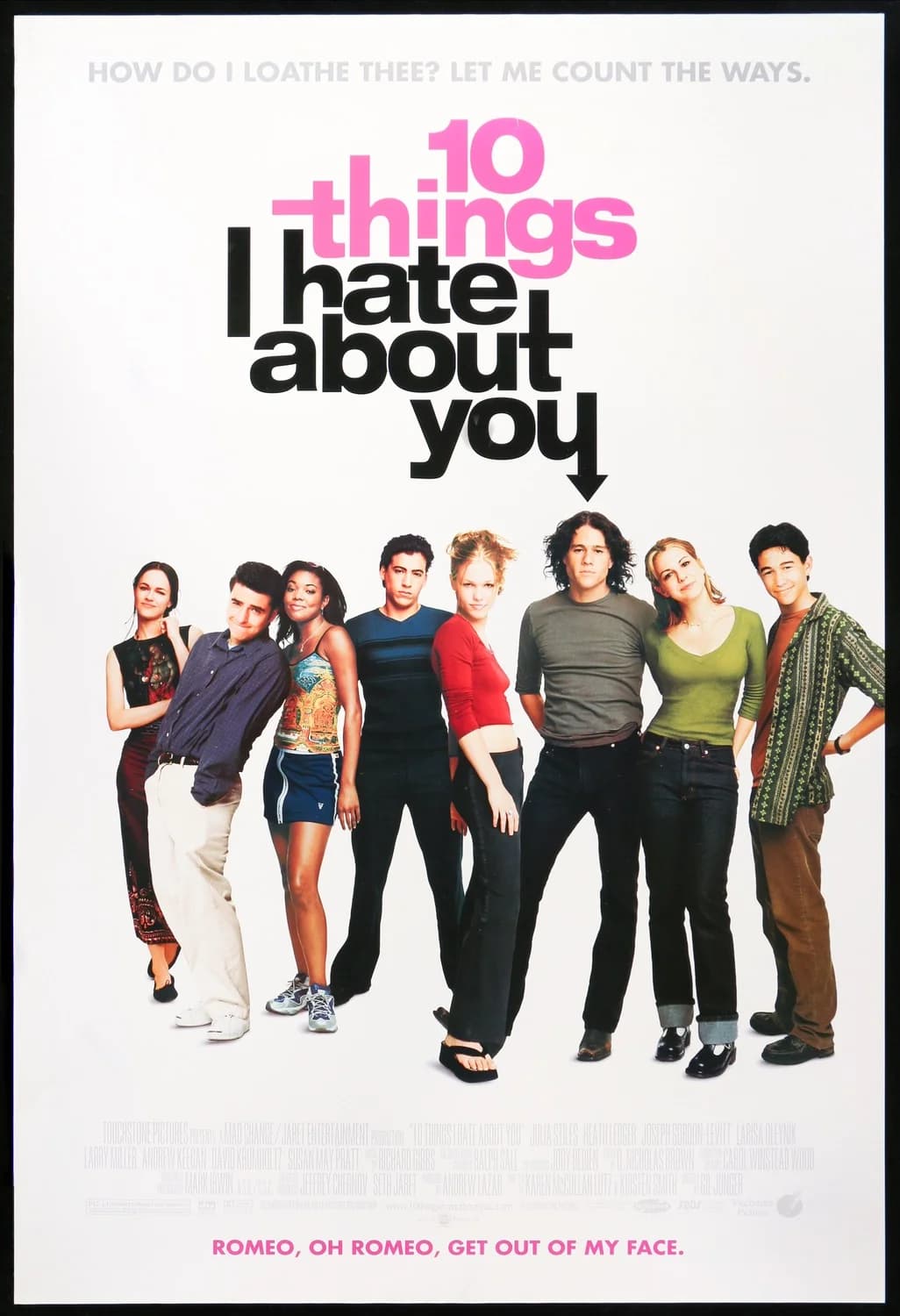
1999 // VHS
10 Things I Hate About You
Sibling rules, a rooftop serenade and one very stubborn Kat — Shakespeare in a school corridor.
1999 // VHS
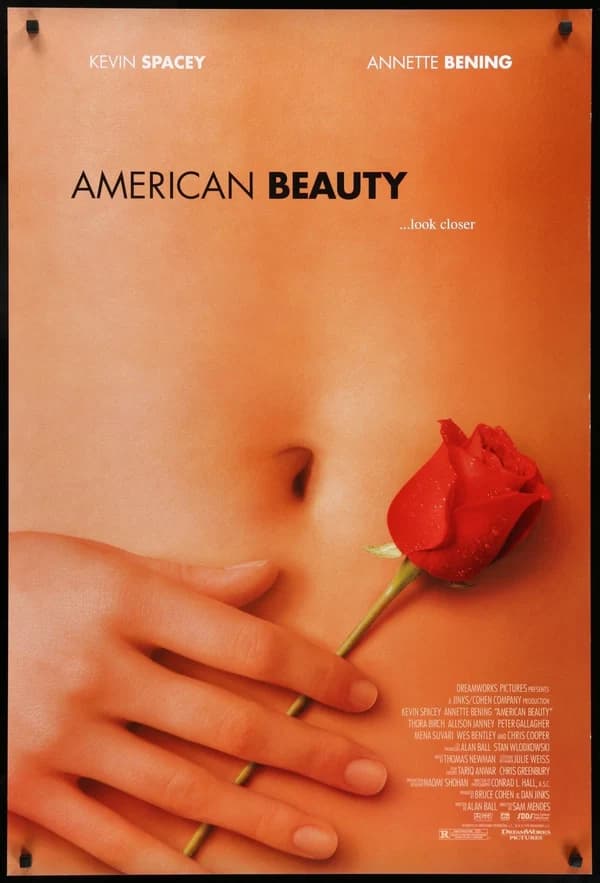
American Beauty
Lester Burnham, suburban rot and a midlife argument that still stings.