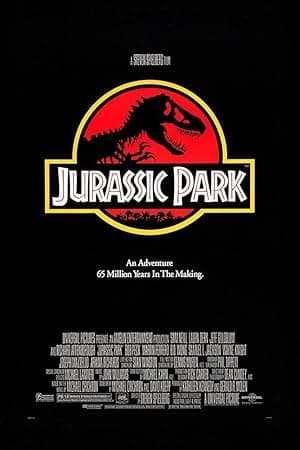
Jurassic Park
Dinosaurs, disaster and a paleontologist who refuses to treat them like a theme-park prop.
// The setup
PLAYBACK STARTED
Jurassic Park still sets a particular kind of nervous grin across your face: the thrill of a brilliant idea going gloriously, terrifyingly wrong. Steven Spielberg took Michael Crichton’s nightmare of cloned reptiles and built a summer movie that balances spectacle with an argument — and it’s Dr. Alan Grant who keeps that argument grounded.
THE MOVIE
Dr. Alan Grant is still the reason this movie works
There are a dozen brilliant moments in Jurassic Park — the gate, the first full sense of scale, the sudden, awful silence before something moves — but what holds the whole thing together is a practical, stubborn human anchor: Dr. Alan Grant. Sam Neill’s paleontologist is written and positioned as someone who understands dinosaurs as living, thinking animals rather than amusement-park attractions, and that outlook shapes how the audience reads every threat and every choice.
The thriller’s wild premise is tidy enough to explain in a single breath: an industrialist builds a cloned-dinosaur theme park on Isla Nublar and invites outside experts to inspect it. The movie’s theatrics grow directly from that central idea — scientists using dinosaur DNA recovered from mosquitoes preserved in amber to re-create life — and from the confidence that a man with a clipboard and a hard-won skill set will react very differently to those creatures than Hammond, the park’s dreamer.
Steven Spielberg directs, and his job here is to let the spectacle sing without losing the human stakes. That balance — wonder and argument, spectacle and cautionary tale — is why Jurassic Park remains worth revisiting: it’s a blockbuster that keeps its moral nerve while it terrifies you.
THE SETUP
The idea that sets Jurassic Park in motion
At its simplest, Jurassic Park is a survival story dressed in spectacle: once dinosaurs escape containment, the central conflict follows visitors and staff trying to survive and get off the island. That setup is economical and tense because it turns the film into a clock — systems fail, animals roam, people react — and every scene becomes about improvisation and consequence.
What makes the stakes feel concrete are the park’s mechanics. This isn’t vague science-fiction hazard; it’s a theme park dependent on centralised computer control, electric paddocks and automated tour vehicles. When those carefully engineered systems break, the spectacle becomes lethal.
There’s also a specific biological wrinkle running through the mechanics: the cloning process uses frog DNA to fill gaps in sequences. It’s a small, science-y detail on paper, but in the story it functions as the kind of plausible hubris that lets the plot actually move from theory to catastrophe.
All of which is to say: the premise works because the film ties a handful of believable systems to clear consequences. You don’t need to know the entire plot to understand the logic; you only need to understand how fragile the park’s control is.
THE CHARACTER
Why Dr. Alan Grant matters
Sam Neill plays Dr. Alan Grant, and the film asks him to be practical in a situation that’s almost theatrically absurd. Grant is a field scientist: his instincts are earned in the dirt, not in boardrooms. That groundwork makes his reactions believable when the park stops behaving as a machine and starts behaving like an ecosystem.
Grant’s attitude toward dinosaurs — treating them as living animals rather than spectacles — changes the stakes. He doesn’t see the creatures as props in someone else’s fantasy; he sees them as predators, parents and competitors. That viewpoint forces better choices in crisis and gives the audience a compass for what matters when everything else falls apart.
He matters because he’s the audience’s sensible refusal to be dazzled. While the park’s creators talk about wonder, Grant thinks about survival and respect. That friction between wonder and respect is quietly essential to the film’s tension.
Put simply: Grant’s expertise and temperament keep the movie honest. Without someone who treats the dinosaurs as real animals, Jurassic Park would be spectacle without consequence.
UNDER THE SURFACE
Jurassic Park has more on its mind than the plot suggests
At face value Jurassic Park is a great rollercoaster. Underneath, it’s arguing. One obvious idea is hubris versus nature: people attempt to control life for profit and prestige, and the film keeps reminding us that nature has other plans.
Closely related is a fascination with chaos and unpredictability. The story treats complex systems as fragile things—small changes ripple into big consequences—and that sense of unpredictability keeps tension alive even when the dinosaurs aren’t on screen.
There’s also an ethical strand that follows the cloning itself. Recreating life from recovered DNA forces a question the characters can’t paper over: just because you can, should you? The film doesn’t hand you a single answer, but it frames the moral problem sharply.
Finally, commercialisation of science lurks everywhere. Jurassic Park isn’t a neutral lab; it’s a product. That shift—from pure research to merchandisable spectacle—adds a sour note to the wonder and helps explain how disastrous decisions get glossed over until it’s too late.
THE FILMMAKING
How Jurassic Park was put together
A big part of Jurassic Park’s feel is how physical the world is. Production design under Rick Carter built substantial, tactile sets — the visitors’ centre, the hatchery, the industrial kitchen — so actors could interact with the environment, not just react to a green screen.
That practical grounding matters because it lets Spielberg stage scenes that sell both intimacy and scale. When someone touches a prop or runs through a real doorway, the audience accepts the presence of something enormous beyond frame.
The film’s technical success is also visible in its awards: it won Academy Awards for Best Visual Effects and for sound categories. Those honours underline that the marriage of design, effects and sound was more than window-dressing; it was central to the film’s impact.
Taken together, the production choices give the movie an identity: a blockbuster engineered around believable spaces rather than abstract spectacle.
PRACTICAL EFFECTS
The effects work that gives Jurassic Park its physical personality
Jurassic Park feels tactile because it is. Stan Winston Studio built large-scale animatronic dinosaurs — radio-controlled and pneumatically actuated — including a full-scale Tyrannosaurus unit used for close-up and interactive shots. Those physical creatures behave like things you could touch, which sells the danger and wonder.
But the movie didn’t stop at puppets. Industrial Light & Magic supplied photo-realistic computer-generated full-body dinosaurs for sequences that needed fluid motion and wide-space interaction. Early CG tests by ILM artists convinced the production to blend digital and practical approaches.
The production made the decision, shot by shot, to use puppets for tactile close work and CGI where full-body movement was required. That mixture keeps the film feeling alive: you get the immediacy of a real object and the freedom of digital motion when the scene calls for it.
In short, the physical personality of Jurassic Park comes from a carefully judged combination of toys and pixels — practical puppetry up close, CGI for scale and motion.
PURE 80S
Jurassic Park could not belong to any other decade
Released on 11 June 1993, Jurassic Park is a textbook 1990s studio tentpole: built to be a massive summer attraction with all the merchandising and tie-ins that come with that ambition. The film’s place as a major release connects it directly to how studios were thinking about blockbusters at the time.
That commercial strategy mattered outside the theatre. Tie-ins with toys, fast-food promotions and video games turned a single film into a broad merchandising operation, reflecting a decade where franchises were increasingly planned as multi-platform properties.
The result is that Jurassic Park reads like a 1990s product in the best sense: it’s engineered to be immediate, rewatchable and, yes, marketable. The decade’s blockbuster instincts pushed the film toward both spectacle and broad audience reach.
So when we talk about Jurassic Park and its era, it’s useful to remember it wasn’t just a movie moment — it was a commercial one, too, one that helped define what a modern franchise could look like.
THE LEGACY
Why Jurassic Park still matters
On a technical level, Jurassic Park’s achievements are clear: the film won three Academy Awards for technical categories, acknowledging the craft that made its creatures feel real and the soundscape feel immediate.
Beyond trophies, the film launched a long-running multimedia franchise: direct sequels, theme-park attractions and extensive merchandising grew from that first film’s world. The single movie became a property stretched across formats and experiences.
It also enjoyed a life beyond its initial release — including a theatrical 3D re-release for its twentieth anniversary and formal recognition when it was selected for preservation in the U.S. National Film Registry in 2018. Those afterlives are practical markers of continued interest.
Put together, the awards, the franchise and the preservation tell a simple story: Jurassic Park left a footprint larger than its runtime and kept people returning to the idea of dinosaurs onstage and in the public imagination.
THE VERDICT
Does Jurassic Park still hold up?
Yes. Jurassic Park is still worth watching because it’s more than a parade of dinosaurs: it’s a tight idea executed with care. The film’s premise — an amusement park of cloned reptiles created from DNA recovered in amber — gives it a compact, plausible hook and a neat moral spine.
The plot machinery matters here. The park depends on centralised computer systems, electric paddocks and automated tour vehicles; it also uses genetic shortcuts like frog DNA. Those specific, sensible details make the collapse feel earned when security systems are sabotaged and containment fails.
Crucially, the film keeps the human element clear. Sam Neill’s Dr. Alan Grant is written as a field scientist who treats the dinosaurs as living animals, and that grounded approach shapes how the crisis is handled and how the audience reads danger. The story asks the right questions about hubris, chaos and the ethics of cloning without turning them into a lecture.
If you want spectacle with a brain and a pulse, revisit Jurassic Park. It’s a summer blockbuster that remembers to care about consequences — and that combination still makes for sharp, exhilarating cinema.
Share this movie
// Keep watching
More movies from the 90s
If Jurassic Park is your kind of movie, there's plenty more on the shelves worth rewinding.
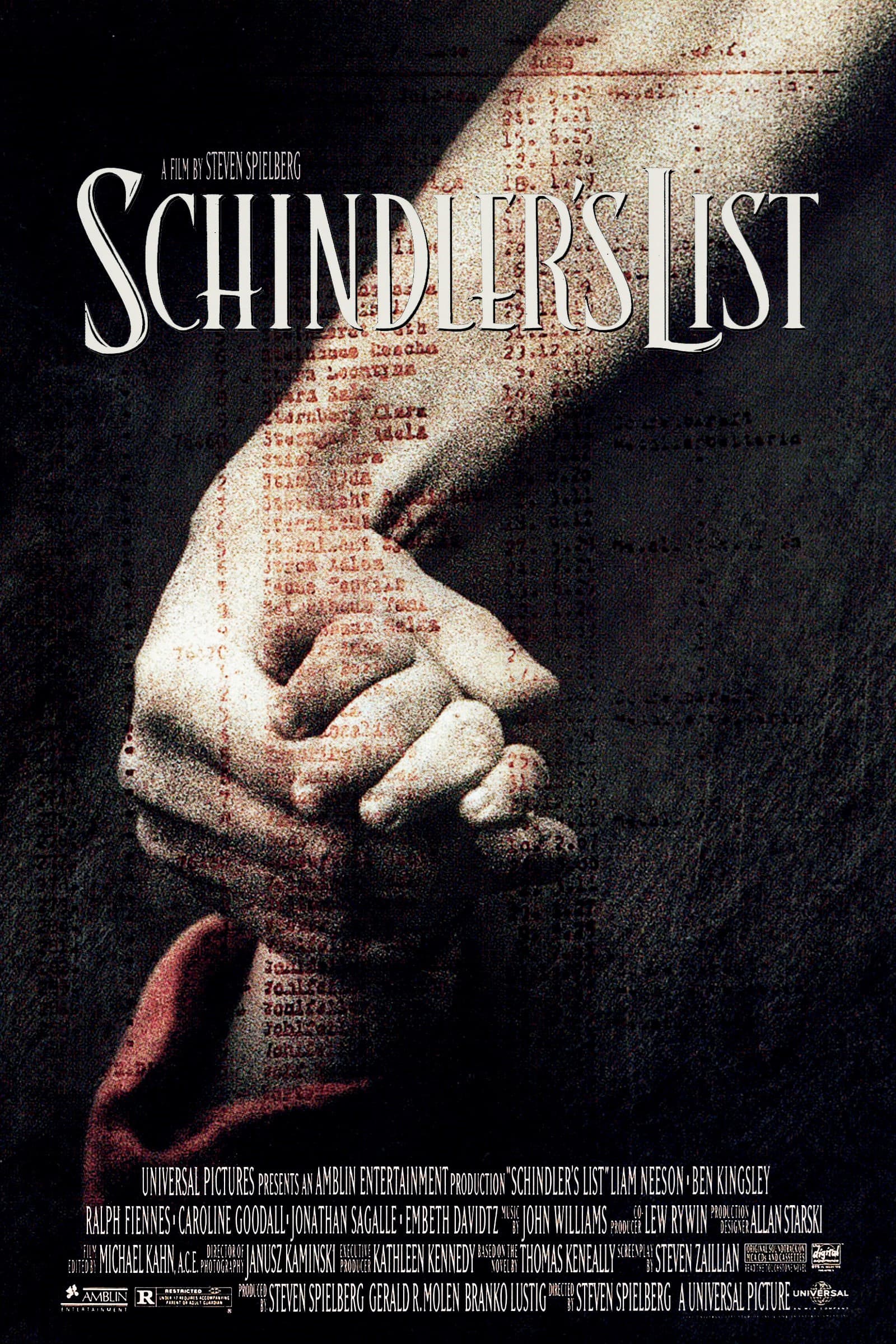
1993 // VHS
Schindler's List
A businessman who keeps a list — and keeps changing the kind of man he is.
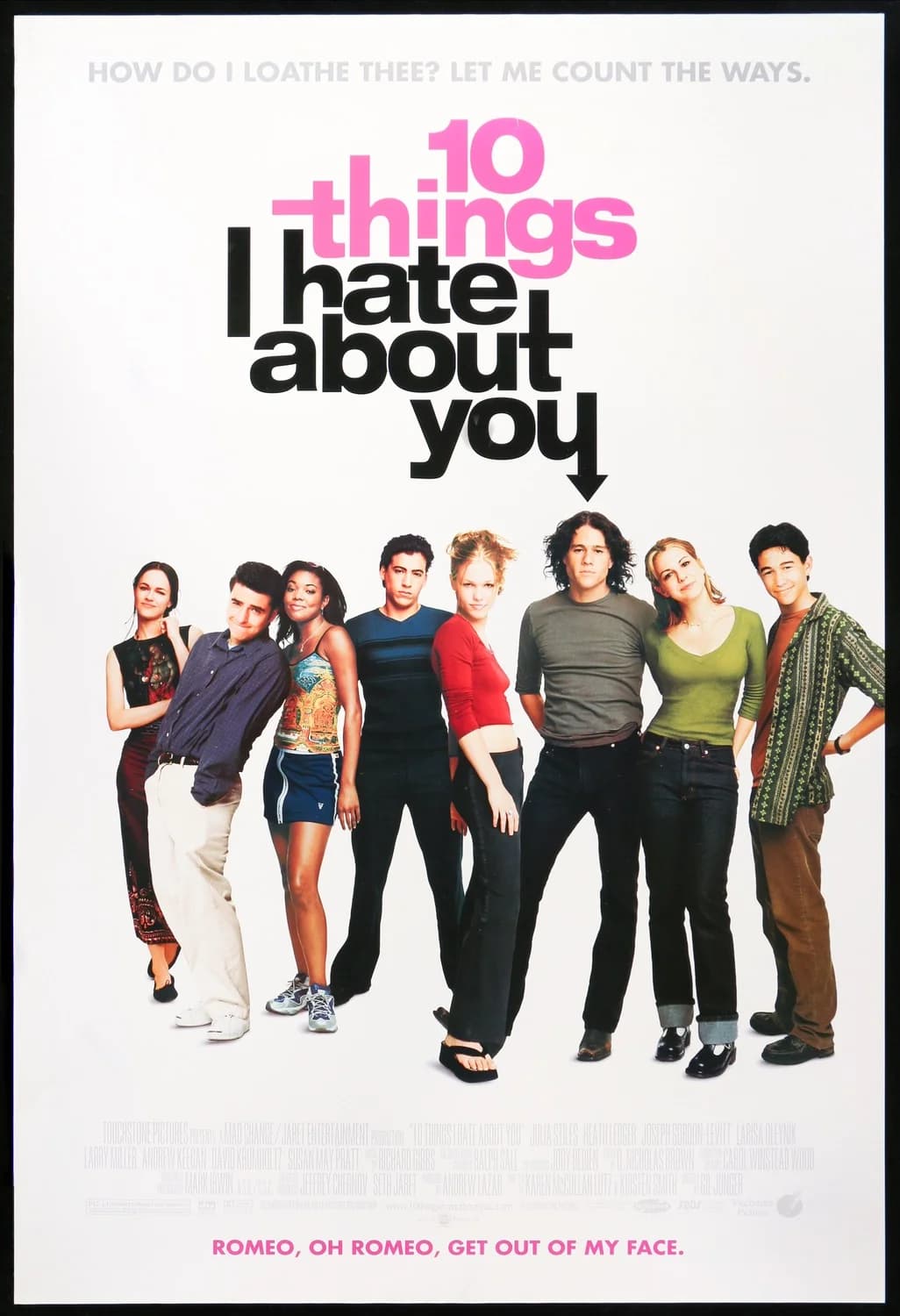
1999 // VHS
10 Things I Hate About You
Sibling rules, a rooftop serenade and one very stubborn Kat — Shakespeare in a school corridor.
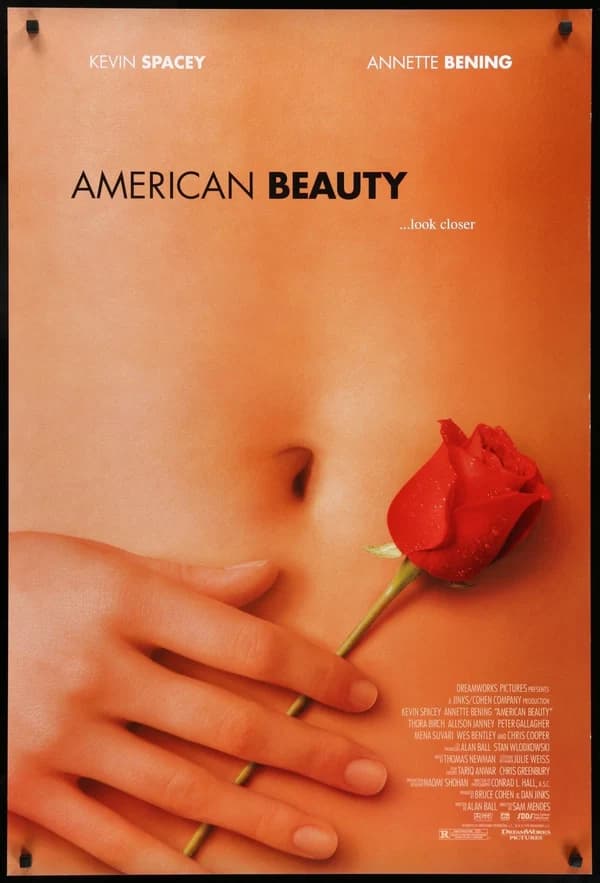
1999 // VHS
American Beauty
Lester Burnham, suburban rot and a midlife argument that still stings.