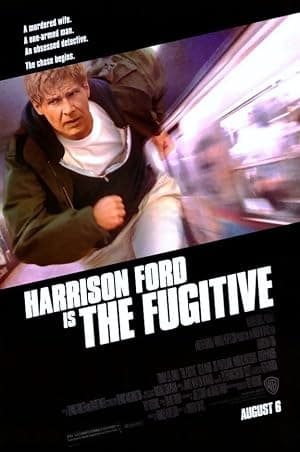
The Fugitive
A wrong man on the run, a relentless marshal, and a conspiracy that keeps pulling the chase forward.
// The setup
PLAYBACK STARTED
The Fugitive is the sort of lean, urgent thriller that makes you forget it started life as a TV show and remember it for one driven man. Andrew Davis turns a courtroom setup and a single terrifying accusation into a two-hour sprint: Harrison Ford’s Dr. Richard Kimble is running because he insists he has no choice. That premise still pays off.
THE MOVIE
Dr. Richard Kimble is still the reason this movie works
What keeps people watching The Fugitive is very simple: a respected surgeon accused of killing his wife refuses to accept that verdict. Once the film puts Harrison Ford’s Dr. Richard Kimble on the run, everything that follows—investigation, desperation, small acts of stubbornness—has somewhere to land.
Andrew Davis wastes no time. The film compresses the legal bits into a compact prologue and then detonates the plot into the pursuit phase: a prison transport collides with a freight train and Kimble seizes the chance to escape and follow the lead he trusts—the one-armed man he says attacked his wife.
That setup gives the movie a clear spine. It’s a crime-action-thriller that cares about one thing above all: a wrongly convicted man determined to clear his name, and the chase that forces everyone’s motives into the open.
THE SETUP
The idea that sets The Fugitive in motion
The film introduces its central problem quickly: a respected Chicago surgeon is convicted of murdering his wife but insists he’s innocent. That single injustice is the motor that drives everything else.
Instead of dwelling on courtroom scenes and procedural detail, the movie compresses arrest, trial and escape into a tight opening. It’s efficient storytelling—get Kimble on the run and let the plot unfold on the hoof.
The escape itself is immediate and dramatic: a transport collision with a freight train provides the opening for Kimble to vanish and chase his only lead, the mysterious one-armed man.
From there the story becomes less about proving how the crime happened and more about a man trying to find the one piece of evidence no one else will look for.
THE CHARACTER
Why Dr. Richard Kimble matters
Dr. Richard Kimble exists to keep the plot honest. He’s not a professional thief or an action hero; he’s a surgeon whose life collapses and who responds by doing the only thing that makes sense to him—finding the person he believes actually attacked his wife.
That ordinary, single-minded quality is what the film uses to create tension. Kimble’s profession and social standing make the accusation feel heavier, and his refusal to accept it turns a private tragedy into a public chase.
Casting Harrison Ford in the role gives the character a clear centre: someone with much to lose who is nonetheless prepared to risk everything to prove he didn’t kill the person he loved.
Kimble’s pursuit is also the film’s moral engine. The story keeps looping back to his insistence on the one-armed man, and that insistence keeps the plot focused on truth rather than spectacle.
THE PERFORMANCE
Why Tommy Lee Jones's performance matters
Tommy Lee Jones’s Samuel Gerard became impossible to ignore when the film came out; the role drew significant attention from critics and awards voters alike.
That attention translated into a major accolade: Jones won the Academy Award for Best Supporting Actor for his portrayal of the U.S. Marshal leading the manhunt.
What the awards notice signals is simple: Gerard is integral to how the movie balances its sympathies. While Kimble is desperate and defensive, Gerard is the machine of the law—methodical, focused and everywhere the plot needs a visible opposing force.
The result is a chase that feels like a two‑handed affair: one man running toward an answer, another leading the effort to stop him.
UNDER THE SURFACE
The Fugitive has more on its mind than the plot suggests
On the surface it’s a manhunt; underneath it’s a film about how systems can be wrong. Wrongful conviction is the obvious theme, but the movie doesn’t stop there—its interests branch into who we trust to find the truth.
That trust is tested in two directions: Kimble’s single‑minded hunt for the one-armed man and the federal response led by Samuel Gerard. The tension between pursuit and justice is where the drama sits.
The plot’s mechanics also open the door to a larger wrongdoing: a pharmaceutical cover‑up. As Kimble follows the thread, the story shifts from a personal escape to something that involves corporate malfeasance.
Finally, the film’s appetite for urban chase action keeps the ideas grounded. Practical pursuits—on rooftops, in sewers and in a massive train sequence—make the themes feel immediate rather than abstract.
THE FILMMAKING
How The Fugitive was put together
A few technical choices give the film its feeling of urgency. Michael Chapman’s work behind the camera earned recognition from the Academy, which nods to how the movie looks and feels in motion.
The editing also plays its part. The film credits multiple editors and that collective effort was singled out with an Academy Award nomination, which suggests a deliberate, tightly cut approach to pacing and transitions.
Put together, those choices mean the movie rarely lingers where it doesn’t need to. Shots and cuts are aligned to keep the chase coherent and the investigative beats legible.
Andrew Davis’s direction brings those elements into a single, purposeful machine—every technical credit serves the storytelling: forward momentum with room for character moments.
PRACTICAL EFFECTS
The effects work that gives The Fugitive its physical personality
The film’s action scenes feel tactile because they were built that way. A large on-location train crash was staged with real railway resources—this is not a purely digital spectacle.
That reliance on location-based stunts continues through the movie: rooftop scrambles and sewer‑tunnel chases are handled with practical stunt work rather than bright, obvious trickery.
The physical commitment to big set-pieces gives the film a specific texture: when the chase escalates, you can tell the production committed to real-world logistics every step of the way.
Those choices matter because they keep the audience rooted in the present danger rather than in effects wizardry.
PURE 80S
The Fugitive could not belong to any other decade
This 1993 adaptation takes a 1960s TV concept and refits it for the summer‑release, star‑driven model that dominated early‑1990s Hollywood. It’s the kind of transfer that treats the original premise seriously while expanding it into a feature film’s scale.
The movie’s emphasis on urban-location action and procedural manhunt elements is very much of its moment—thrillers in the early 1990s liked to show institutions at work and let the chase breathe across real city spaces.
That era also favoured bankable stars in recognisable roles: putting a leading movie star at the centre of a procedural manhunt was a dependable way to make a TV idea feel theatrical.
So while the story could be timeless, the way it’s realised—star focus, procedural muscle, big set-pieces—roots The Fugitive firmly in its decade.
THE LEGACY
Why The Fugitive still matters
Part of the film’s staying power comes from industry recognition: it picked up major Oscar attention, including a Best Supporting Actor win for Tommy Lee Jones and nominations across Picture, Cinematography, Editing and Original Score.
The story’s afterlife is also visible in the work it spawned. U.S. Marshals picked up one of the film’s characters and built another manhunt story around him, which is a tidy testament to how compelling that figure proved to be.
Beyond sequels, The Fugitive entered the culture well enough to be parodied; Wrongfully Accused explicitly riffs on its plot beats and imagery, which is another form of remembrance.
Finally, formal recognition—its placement on a major ‘thrills’ list—reflects how the film’s combination of chase, procedural momentum and a moral centre has continued to register.
THE VERDICT
Does The Fugitive still hold up?
Yes. The Fugitive still works because it keeps the drama simple and urgent: a respected surgeon convicted of his wife’s murder escapes after a transport collision and chases the one-armed man he says attacked her. That clarity gives the film constant forward motion.
The movie layers that personal hunt over a gradually revealed corporate cover-up—the pharmaceutical angle—so the stakes widen without the plot losing its focus on Kimble’s need to prove he’s innocent.
On the other side of the chase, Samuel Gerard’s federal manhunt keeps the pressure on, and that dynamic—one man running toward the truth, one man leading the effort to stop him—remains satisfyingly balanced. The film’s pacing, its decisive prologue and the tangible train sequence all support that tension.
If you want a thriller that trusts character and momentum over cleverness for its own sake, The Fugitive still delivers. It’s a chase that remembers why we care about the person doing the running.
Share this movie
// Keep watching
More movies from the 90s
If The Fugitive is your kind of movie, there's plenty more on the shelves worth rewinding.
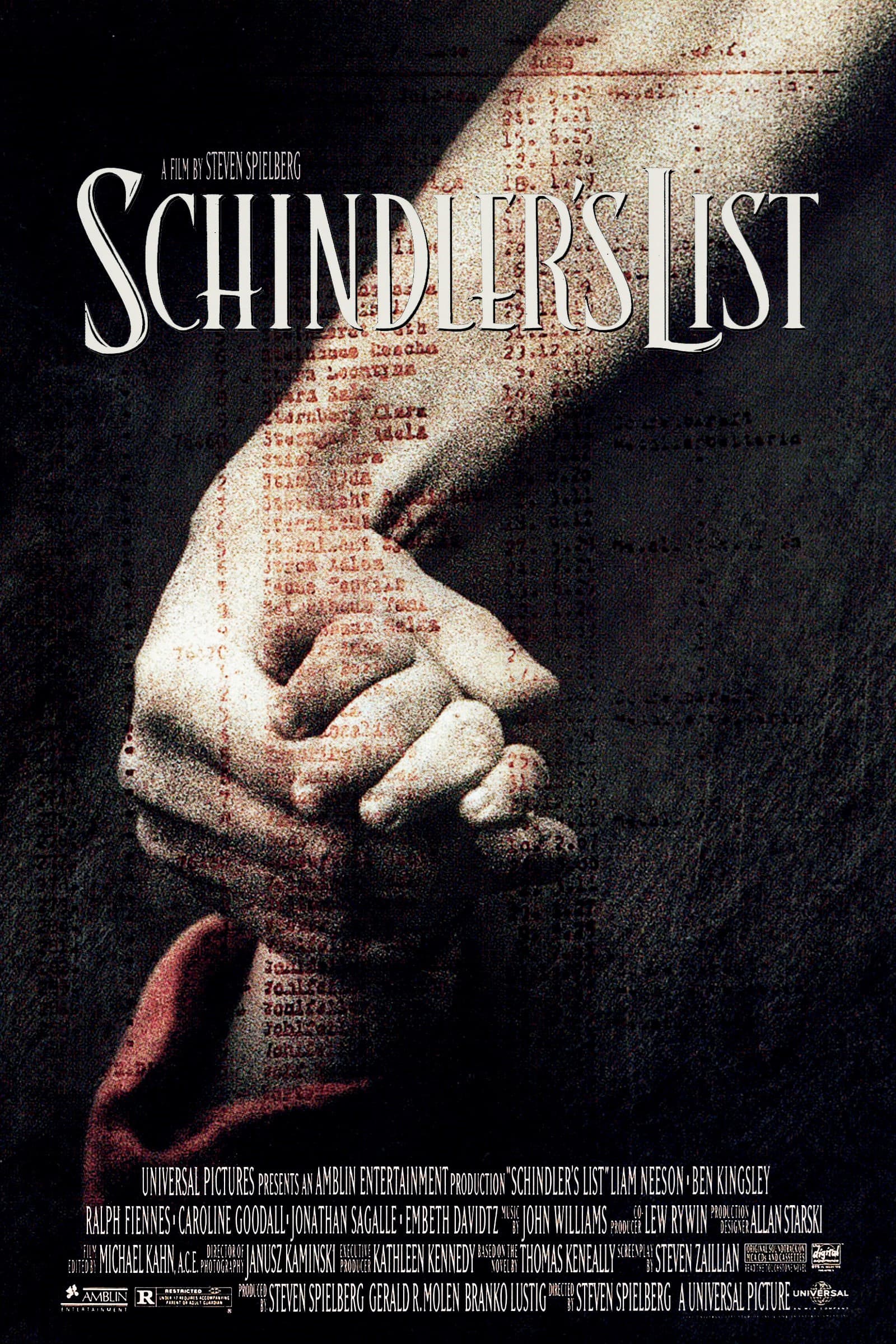
1993 // VHS
Schindler's List
A businessman who keeps a list — and keeps changing the kind of man he is.
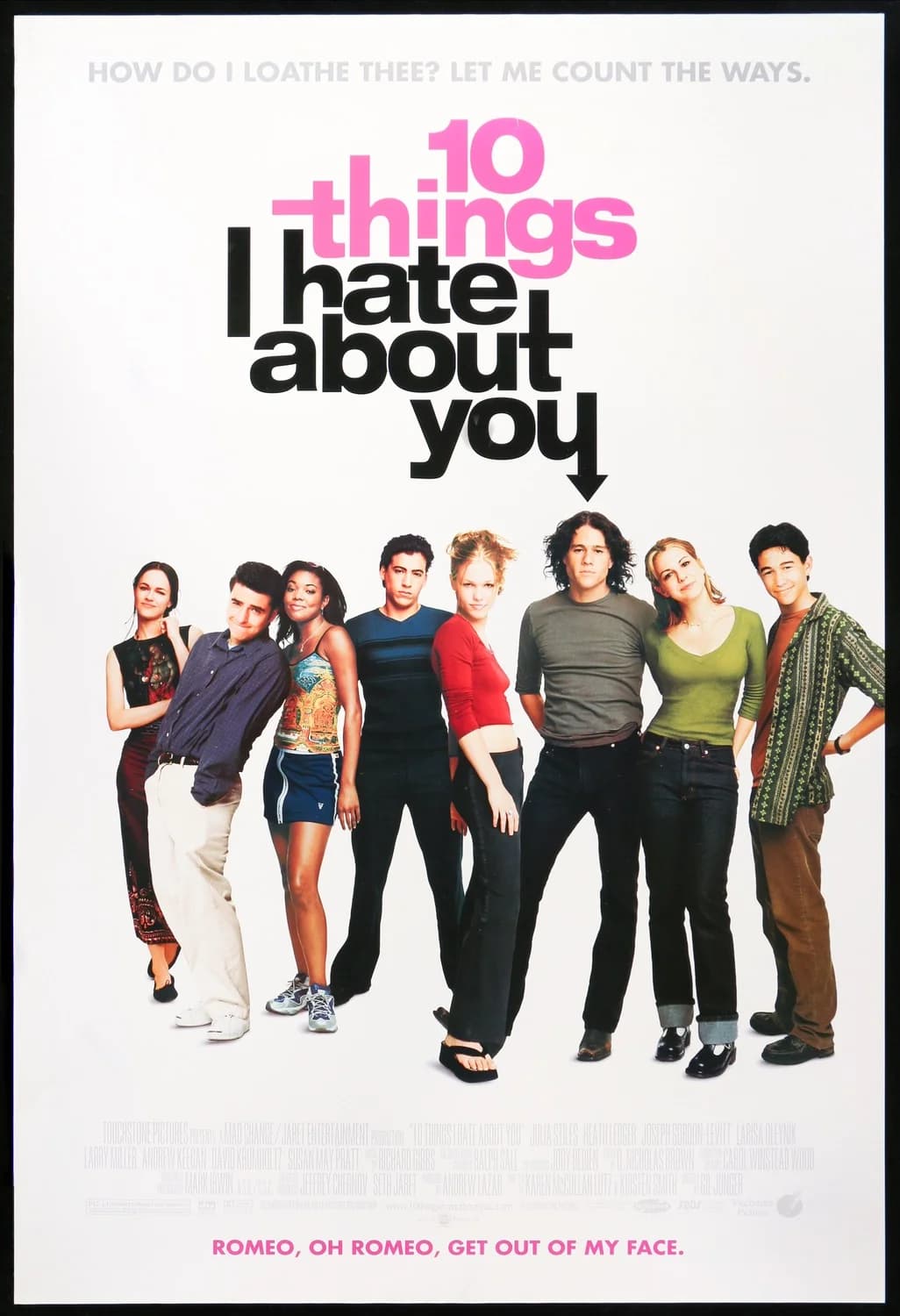
1999 // VHS
10 Things I Hate About You
Sibling rules, a rooftop serenade and one very stubborn Kat — Shakespeare in a school corridor.
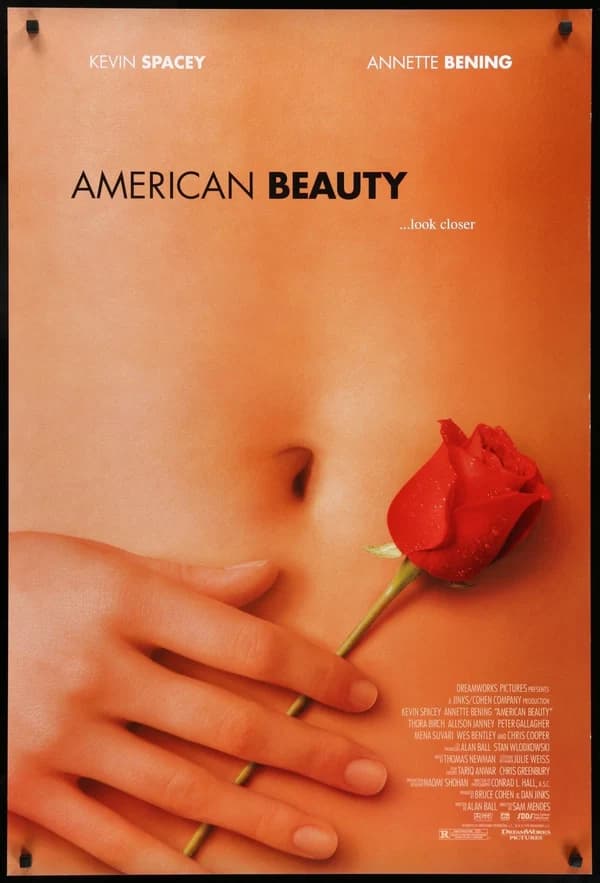
1999 // VHS
American Beauty
Lester Burnham, suburban rot and a midlife argument that still stings.