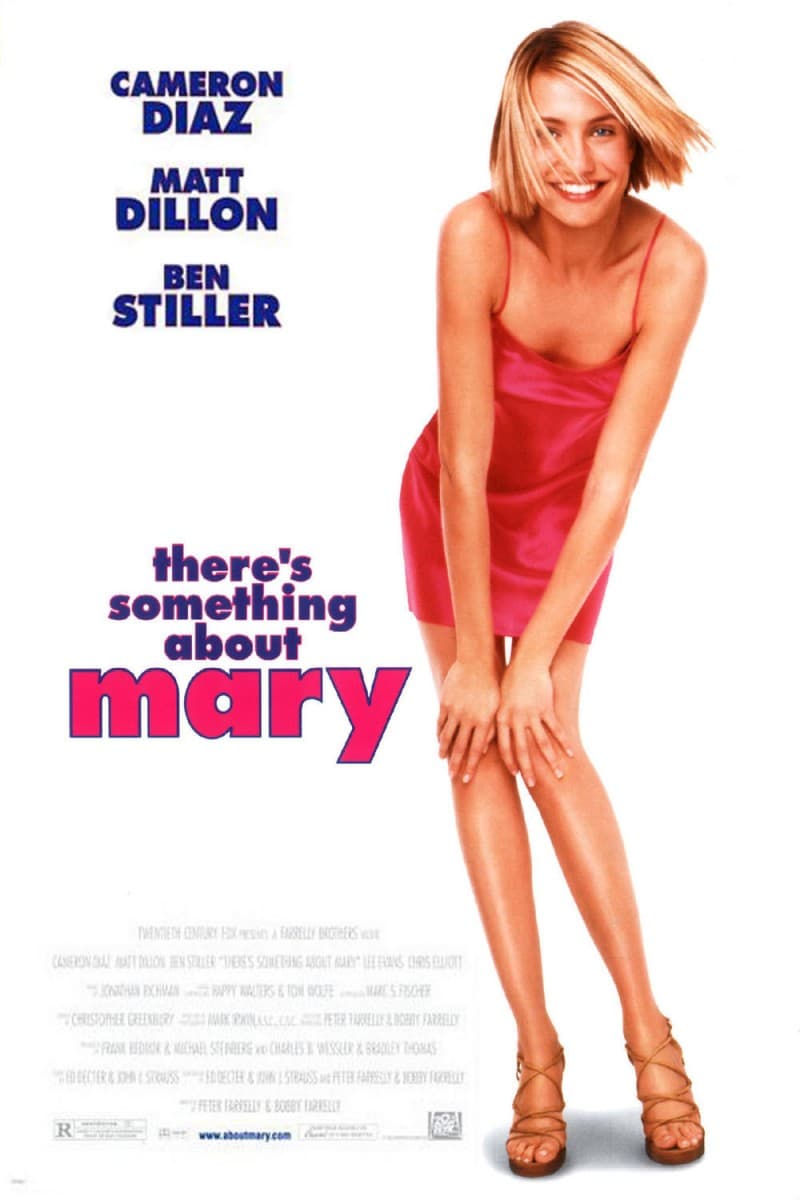
There's Something About Mary
Romantic obsession, awkward masculinity and a hair‑gel gag you can't unsee.
// The setup
PLAYBACK STARTED
There's Something About Mary still turns heads because, even in a movie stuffed with daft set pieces and gross-out payoffs, everything spins around one clear thing: Mary. The Farrelly brothers give us a parade of male embarrassment and deception, but it’s Mary Jensen — calmly present through the chaos — who keeps the whole thing tethered to something like a romantic comedy. Revisit it and you'll remember the laughs first; linger, and you'll see why the film kept a conventional love story at its heart.
THE MOVIE
Mary Jensen (also appears as Mary Matthews) is still the reason this movie works
Ask someone to name one image from There's Something About Mary and the zipper incident will probably be top of the list. It's the embarrassment that sets everything off: Ted, still smitten years later, lost his chance with Mary because he got his genitals trapped in his fly.
That humiliation is the engine. Ted's obsession with his high‑school prom date becomes a comic pathology — equal parts idealisation and social awkwardness — and the Farrelly brothers use it to justify an escalating series of set pieces and misadventures.
Yet underneath the mess of sight gags and rude surprises is Mary Jensen herself. Played by Cameron Diaz, she is the steady point in a film that deliberately tilts into chaos, and the movie keeps returning to the question of whether Ted can move past his awkwardness to actually meet her as a person.
THE SETUP
The idea that sets There's Something About Mary in motion
The plot is gloriously simple: years after that prom disaster, Ted hires a private investigator, Pat Healy, to find Mary. Easy enough, until the PI gets distracted — infatuated, even — and starts feeding Ted lies about her.
From there the film piles on rivals and awkward deceptions: multiple men compete for Mary's attention, some with plain motives, others by pretending to be someone they're not. The screwball structure lets the Farrellys swing between broad, physical gags and a recognisable romantic throughline.
Mechanically it’s a mix — an on‑screen musical narrator appears, gross set pieces recur as comic punctuation, and there's even a subplot that briefly tosses Ted into darker territory when a hitchhiker episode leaves him implicated in a murder.
That blend is the movie's trick: every big gag pushes the story forward, and the chaos exists to test whether Ted can stop idolising Mary and start actually being the sort of person who could be with her.
THE CHARACTER
Why Mary Jensen (also appears as Mary Matthews) matters
Mary could easily be just a prize on a pedestal — the object of multiple men's fantasies — but the film keeps nudging back against that. She's the axis the rom‑com spins around: the gags happen to and around her, and the plot repeatedly measures the men against how they behave toward her.
Cameron Diaz occupies that position on screen; the film even acknowledged her by way of awards attention. It's telling that amid the madness the story still commits to Mary as a recognisable person rather than a cardboard goal.

That steadiness matters because the Farrellys are, by trade, a broad, lowbrow team. Giving Mary a central, consistent place inside their anarchic comedy is what allows the film to feel like a romantic comedy as well as a parade of outrageous set pieces.
THE PERFORMANCE
Why Cameron Diaz's performance matters
There’s a straightforward piece of evidence you can point to: Cameron Diaz received a Golden Globe nomination for her role in the film. Awards nods are a blunt instrument, but they do indicate how the film’s lead was perceived amid the attention the movie received.
Within the movie’s logic, Diaz’s presence keeps many jokes from feeling purposeless. The nomination is a reminder that the romantic element — the part that asks you to care who ends up with whom — was visible even through the mess of gross‑out comedy.
UNDER THE SURFACE
There's Something About Mary has more on its mind than the plot suggests
Beneath the fart jokes and pratfalls the film keeps returning to romantic obsession — the way people keep a remembered version of someone in their head rather than the person in front of them. Ted is living inside a prom‑night photograph, and the story asks whether nostalgia and idealisation are helpful or harmful.
Closely tied to that is masculinity and insecurity: the men in the movie are repeatedly shown as flummoxed or performative around Mary. Some try to prove themselves; others lie or fake vulnerability to get close. The result is comedy driven by male anxiety as much as by physical gags.
Deception and mistaken identity give the film its screwball energy. Whether it's a private investigator inventing stories or a man pretending to be disabled to win favour, the movie plays with who people present themselves as and how easily desire can blur the truth.
Finally, there's the persistent tension between gross‑out comedy and sincerity. The Farrellys pair outrageous set pieces with a conventional romantic plot, and that friction — the rude joke balanced against genuine feeling — is the film’s tonal signature.
PRACTICAL EFFECTS
The effects work that gives There's Something About Mary its physical personality
Even jokes that sound simple on paper can require careful craft. The film credits Tony Gardner as the special makeup and animatronic effects designer and supervisor, a reminder that the production paid attention to the hands‑on work that makes moments land.
A good example is the notorious hair‑gel gag: it wasn't improvised with a random bottle on set but relied on specially formulated prop residues and on‑set testing to look and behave the way the sequence needed. Small technical choices like that shape how the physical comedy reads to an audience.
PURE 80S
There's Something About Mary could not belong to any other decade
Released in July 1998, the film arrived at a moment when R‑rated, broadly raunchy comedies were very much part of the mainstream. The Farrelly brothers had already staked out a particular lane for lowbrow sight gags mixed with affectionate screwball plotting.
There's Something About Mary sits squarely in that late‑90s wave: its blend of outrageous physical jokes and a conventional romantic throughline captures the era’s taste for comedy that pushed boundaries while still promising a familiar ending.
In short, the film is unmistakably of its time not because of fashion or music but because of the kind of adult, gross‑out comedy the Farrellys were known for and that late‑1990s audiences were willing to embrace.
WATCHING IT NOW
What has aged — and what hasn't
The film’s tonal recipe — loud, rude set pieces wrapped around a standard rom‑com story — is still easy to recognise. If you enjoy that contrast the film remains entertaining: the broadness is deliberate and the narrative always nudges you back toward the romantic question at its centre.
Where it can feel more awkward now is in the way male insecurity and deception are mined for laughs. Those themes were always part of the joke, but watching them today highlights how frequently the men perform or fake themselves to be noticed.
That said, the balance is what saves it: because the Farrellys keep returning to Ted and Mary’s relationship as the emotional axis, the film rarely becomes a hollow gag reel. There's still a throughline that asks whether someone can stop idealising and start acting like an adult.
THE LEGACY
Why There's Something About Mary still matters
The film's afterlife rests on a couple of clear things: it crops up in lists and pieces about notable American comedies from the period, and specific moments — most famously the hair‑gel sequence and Cameron Diaz’s presence — have lodged themselves in popular memory.
Those elements are why it still gets mentioned. The movie crystallises a late‑90s approach to R‑rated comedy: loud, occasionally crude, but built around a recognisable romantic shape. For many viewers those moments are the shorthand for that era’s mainstream adult comedy.
THE VERDICT
Does There's Something About Mary still hold up?
Yes — but with an asterisk. The film’s central joke is simple: a man frozen by a humiliating prom‑night mishap chases a memory of the girl he imagined, and that pursuit unleashes one ridiculous situation after another. Ted hires a private investigator; the investigator lies; other suitors deceive and perform. It’s screwball, messy and deliberate.
What keeps the film watchable now is its structural choice to pair gross‑out set pieces with an actual romantic throughline. The story consistently tests whether Ted can grow past idolisation and insecurity and become someone capable of a real relationship with Mary — who is presented not as a mute prize but as a professionally established person around whom men project fantasies.
That balance is why certain sequences still land and why Cameron Diaz’s role merited awards attention at the time. If you find broad physical comedy enjoyable, the movie still delivers. If you’re more sensitive to jokes that rely on male performance, parts of it will grate.
Bottom line: watch it when you’re prepared for a film that is often deliberately rude and frequently affectionate at the same time. The zipper and the hair‑gel will get the laughs; Mary is the reason they matter.
Share this movie
// Keep watching
More movies from the 90s
If There's Something About Mary is your kind of movie, there's plenty more on the shelves worth rewinding.
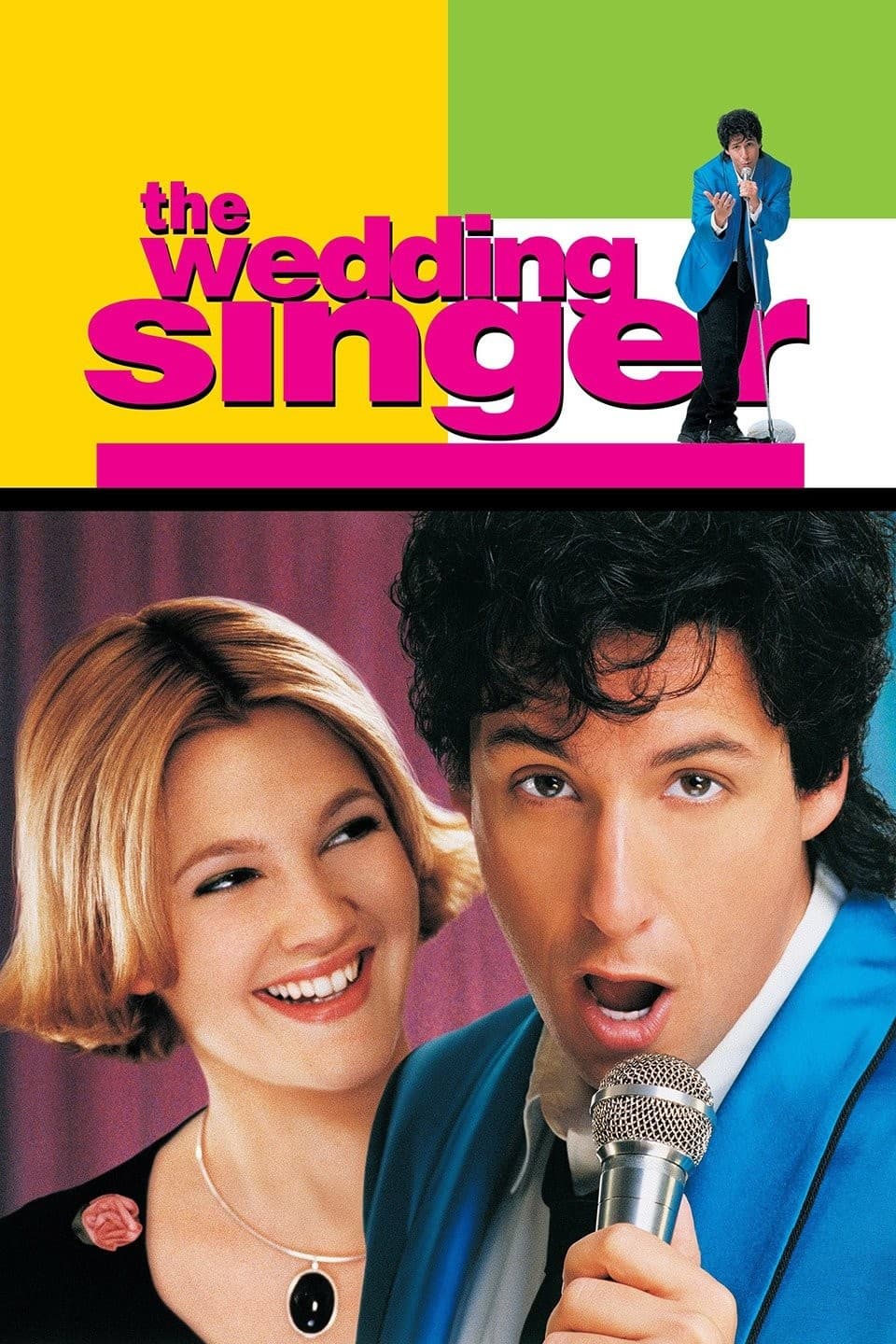
1998 // VHS
The Wedding Singer
A love story wrapped in 1980s pop — and carried by one very earnest wedding crooner.
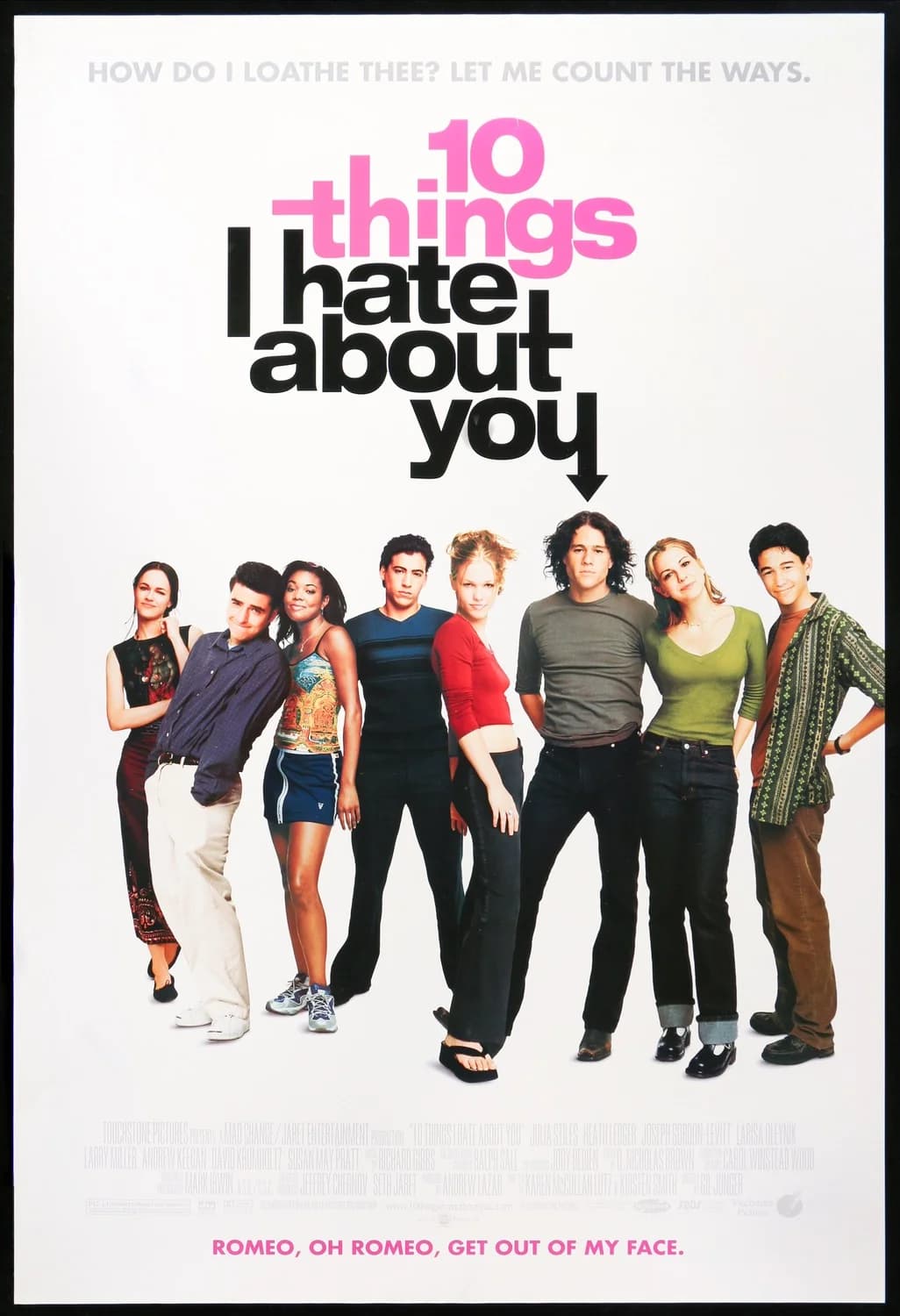
1999 // VHS
10 Things I Hate About You
Sibling rules, a rooftop serenade and one very stubborn Kat — Shakespeare in a school corridor.
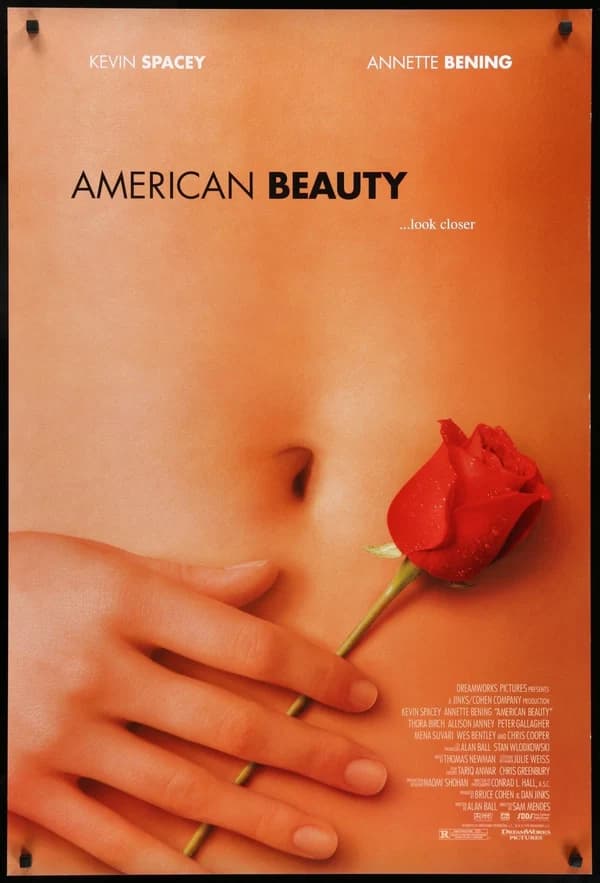
1999 // VHS
American Beauty
Lester Burnham, suburban rot and a midlife argument that still stings.