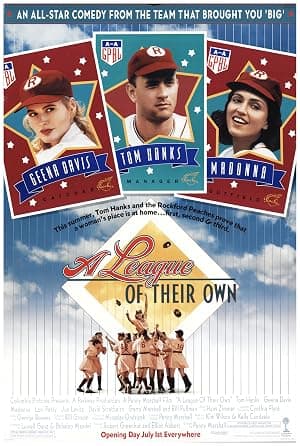
A League of Their Own
Baseball, sister fights and a catcher who quietly holds the whole thing together.
// The setup
PLAYBACK STARTED
Penny Marshall’s A League of Their Own isn’t just a wartime baseball story — it’s a film that builds around a player who keeps pulling the plot back into focus. Revisit it and you find a movie that balances crowd-pleasing warmth with sharper questions about ambition, visibility and what it meant for women to step into the public eye during World War II.
THE MOVIE
Dottie Hinson is still the reason this movie works
A League of Their Own opens and closes with older women gathered for a Hall of Fame moment, and the main story is a flashback to how the Rockford Peaches were put together during the Second World War. That bookend gives the film a nice trick: it turns what could be a jaunty sports picture into something that cares about memory — and who gets remembered.
At the heart of that memory is Dottie Hinson, the catcher whose steadiness and ability are the anchor the team keeps returning to. The film makes a straightforward, sensible choice: give the plot a player who can hold the line on the field so the rest of the ensemble can bump into each other off it.
Penny Marshall directs with the clear aim of making the audience care — about the games, yes, but about what it meant for women to be suddenly visible in public life. The casting and the length of the film let her linger on moments of team life and on the tensions that come when ambition and publicity move in.
THE SETUP
The idea that sets A League of Their Own in motion
The basic engine is plain and tidy: with so many male ballplayers drafted for the war, a new women’s league is assembled and the film follows its first season. That premise gives the movie an immediate social hook — sport as a public stage for changing roles.
Rather than aiming for strict biography, the screenplay works with composites. The characters are stitched together from several stories, which lets the film focus on clear emotional beats — rivalry, camaraderie, the business of publicity — without getting tangled in one real player’s life.
Because the story compresses and reshapes, the tryouts and nationwide scouting that kick things off act like a machine that puts the cast of characters into a shared, high-stakes room. It’s a neat dramatic device: explains how these women meet, and gives the film a rhythm of competition from the first act.
So the set-up works because it’s both simple and useful. It supplies a reason for the team to exist, a reason for the public to pay attention, and a reason for the personal conflicts — especially sibling rivalry — to play out under pressure.
THE CHARACTER
Why Dottie Hinson matters
Dottie is the sensible hinge the story turns on. The film presents her as the catcher everyone trusts — the player who makes other players better by being reliable. When a movie builds a team, you need a person who feels like the team’s compass; Dottie fills that role.
She’s not just a source of competence, though. Because the plot places her beside a younger sister whose ambition and jealousy bubble up, Dottie’s calm becomes meaningful: it’s the contrast that turns family tension into drama. The sibling conflict gives the sport stakes beyond wins and losses.
The movie doesn’t claim Dottie was a single historical figure. The filmmakers used composite characters, which allows Dottie to be a stand-in for several kinds of women who found themselves thrust into public roles during the war. That keeps the character emotionally broad without pretending to be a literal biography.
Put simply: Dottie matters because she’s the pivot between team life and the personal stories. When she’s at the centre, the film can be both about baseball and about what it costs to be visible in a moment of social change.
UNDER THE SURFACE
A League of Their Own has more on its mind than the plot suggests
On the surface it’s a sports film with jokes and locker-room banter; underneath it’s thinking about what happens when women step into public roles previously reserved for men. The wartime setting makes that transition feel urgent: these are women accepted partly out of necessity, and partly celebrated as novelty.
Sister rivalry and ambition drive much of the interpersonal heat. By staging a younger sister who bristles at being in the elder’s shadow, the film turns professional sport into a family drama, which keeps the emotional stakes intimate even as the crowds cheer.
Team camaraderie is where the film often finds its warmth. The Peaches become a collection of personalities — noisy, awkward, brilliant — and the movie spends time letting those relationships breathe. It’s how the film balances spectacle with small human scenes.
There’s also a clear eye on the business side: the league’s publicity and the way the teams are packaged. That commercial element never dominates, but it’s always visible as a layer that complicates the players’ experience of fame and respect.
THE FILMMAKING
How A League of Their Own was put together
The film invests in period detail. Production design and wardrobe were assembled to suggest 1943 across stadiums and town scenes, which gives the movie a reassuring surface accuracy — it looks as if it occupies its era.
Crucially, the actresses went through a training regimen with a USC coach to make the baseball feel believable on camera. That decision keeps play sequences from looking embarrassed or theatrical; when the ball is in play, you buy it.
The credits also list experienced hands in editing and photography, which matters because a sports movie survives or fails on rhythm. Marshall’s direction leans into those rhythms, letting games breathe and the team chatter land without rushing either.
All of this is practical filmmaking that serves the story: costumes and sets promise 1943, the coaching promises credible baseball, and the technical crew smoothes the transitions between comedy, game action and the quieter family moments.
PRACTICAL EFFECTS
The effects work that gives A League of Their Own its physical personality
Game sequences were staged on a mix of reconstructed and real ballfields, which means the action lives in actual, playable spaces rather than artificial sets. That choice helps the film’s energy feel grounded.
The production included practical stunt work and real baseball coaching on set, so the hitting and fielding sequences have the weight of trained bodies doing the job rather than actors faking it.
For the Hall of Fame moments the filmmakers even used original AAGPBL members as extras in the Cooperstown scenes. That tidy detail gives those bookend sequences a sense of genuine continuity between the era being depicted and the film’s present-day frame.
All of which is to say: the physical work on the field isn’t faked. The practical side supports the film’s claim to realism when it matters most — during the games and in the small gestures that make them feel lived-in.
WATCHING IT NOW
What has aged — and what hasn't
A League of Their Own sits comfortably as an ensemble-driven baseball picture that mixes jokes with genuine relationship drama. That blend still appeals: if you like films that shift between laughter and feeling, its shape remains familiar and serviceable.
The decision to work with composite characters gives the movie a certain timelessness. By not tethering Dottie or Kit to a single historical figure, the film keeps their stories as stand-ins for broader experiences — which helps modern viewers read contemporary concerns into the characters without demanding strict historic accuracy.
The Hall of Fame frame — older players reflecting on their season — also helps the film feel like a remembered story rather than a strict period documentary. It cushions historical rough edges by making the film explicitly about recollection.
So while some viewers might wish for a more forensic historical account, the choices the filmmakers made about character and structure allow the film’s emotional beats to remain effective for new audiences.
THE LEGACY
Why A League of Their Own still matters
The story and cast carried enough weight to warrant a short-lived CBS adaptation the year after the film, which suggests the material was seen as ready for episodic life even if the series didn’t last.
Decades later the property resurfaced as a Prime Video reimagining in 2022, developed by Abbi Jacobson and Will Graham — a clear sign that the subject and title still have cultural purchase and can be retold for a new moment.
Those afterlives don’t prove the original is flawless, but they do show the film left a footprint: its blend of sport, sister story and team dynamics keeps inviting revisit and reinterpretation.
Put another way: the movie’s components — the characters, the wartime framing, the balance of humour and heart — created a package other storytellers have wanted to pick up again.
THE VERDICT
Does A League of Their Own still hold up?
Yes — and with a caveat. The film delivers what it promises: a dramatized account of a wartime women’s league season anchored by the kind of storytelling that prefers human warmth to gritty realism. The Hall of Fame bookends remind you the story is a memory, which softens any historical bluntness.
If you want crisp set-pieces of baseball and believable play, the production’s training regimen and use of real ballfields do a solid job. More importantly, if you want a movie where personal rivalry (especially the sisters’) and the team’s adjustment to professional life carry the emotional weight, this one still does that work.
Penny Marshall’s direction and the screenplay’s decision to use composite characters keep the story focused on digestible, relatable conflicts: nationwide tryouts produce a group of women thrust together, and their competition, publicity and internal politics drive the drama — with the coach’s arc providing a useful counterpoint.
So watch it for Dottie and Kit, for the team dynamics, and for a film that remembers its players rather than turns them into period curiosities. It won’t answer every historical question, but it will still make you care.
Share this movie
// Keep watching
More movies from the 90s
If A League of Their Own is your kind of movie, there's plenty more on the shelves worth rewinding.
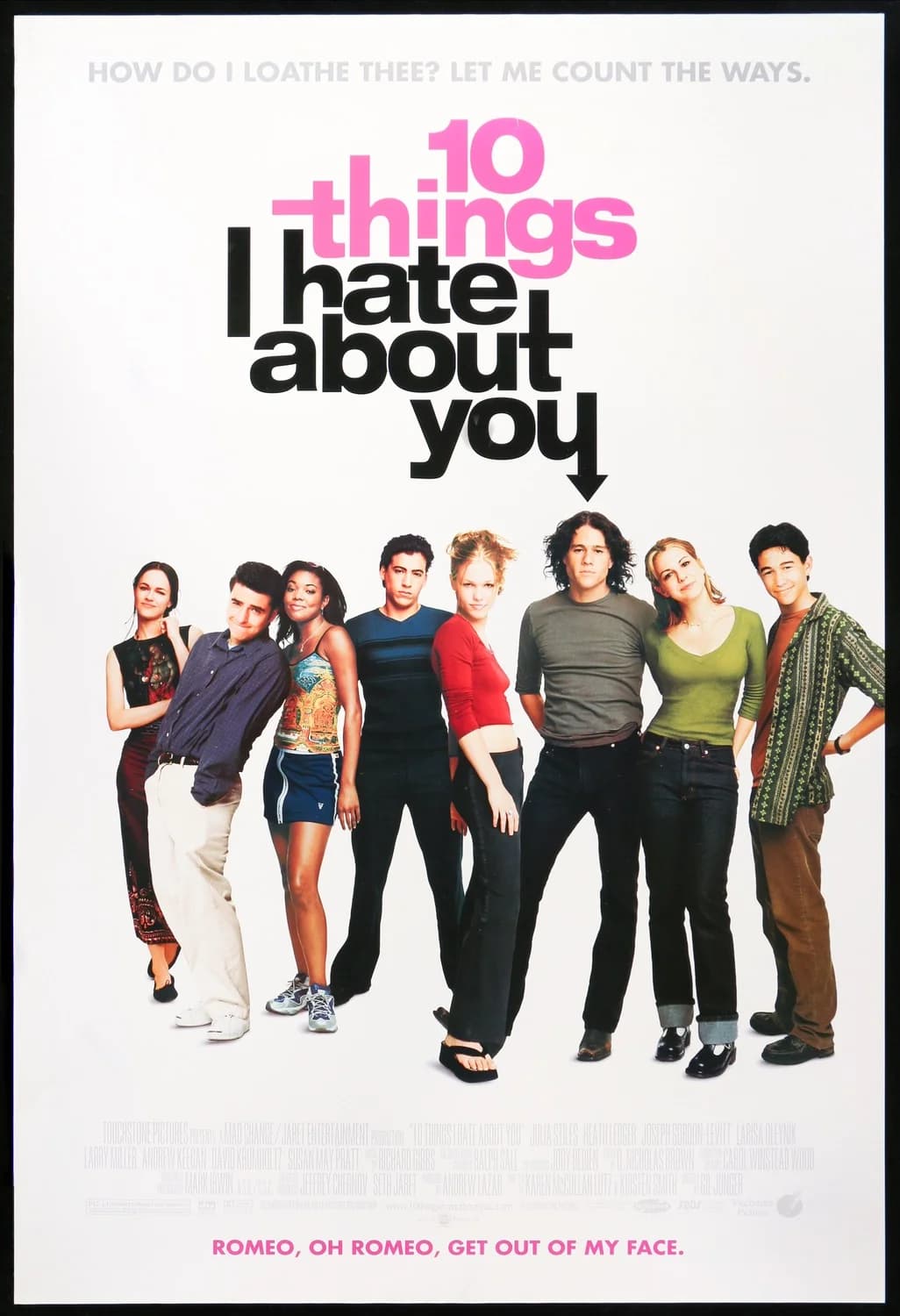
1999 // VHS
10 Things I Hate About You
Sibling rules, a rooftop serenade and one very stubborn Kat — Shakespeare in a school corridor.
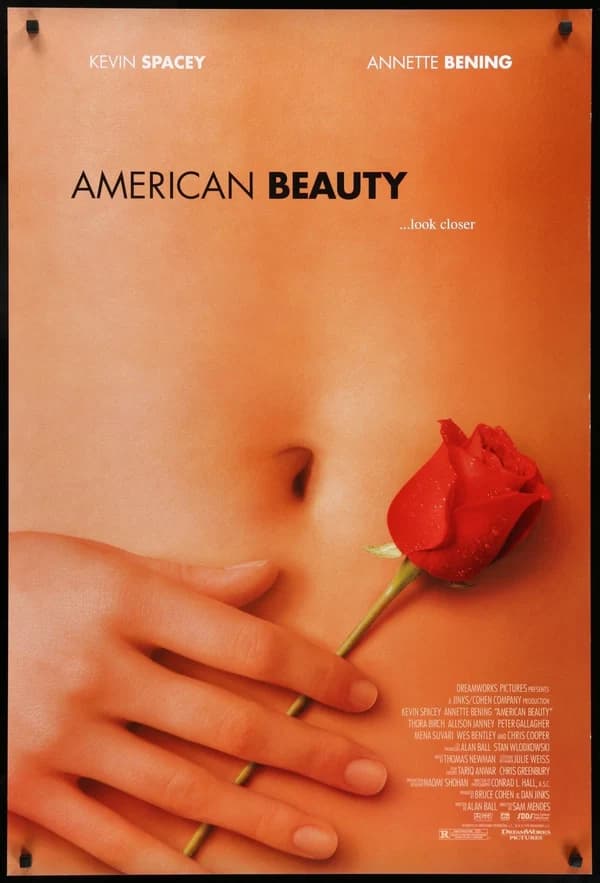
1999 // VHS
American Beauty
Lester Burnham, suburban rot and a midlife argument that still stings.
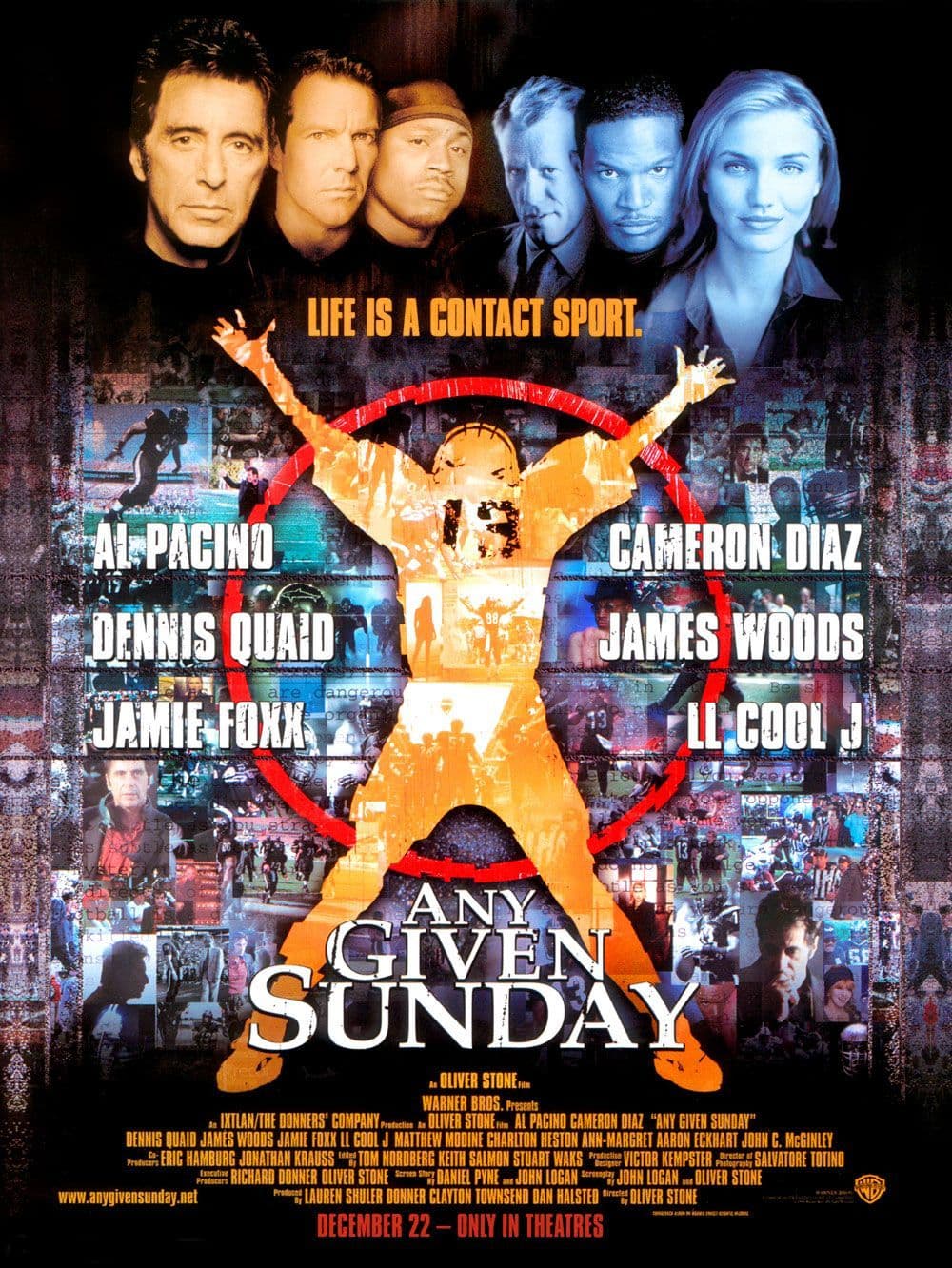
1999 // VHS
Any Given Sunday
Al Pacino's coach anchors the chaos of a film about football turned into product — loud, messy and oddly persuasive.