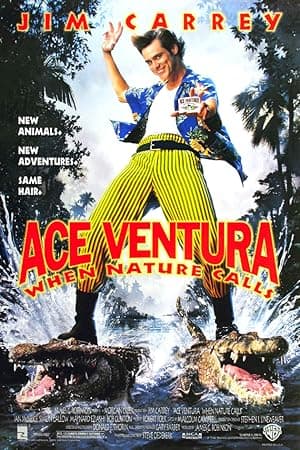
Ace Ventura: When Nature Calls
A manic pet detective, a missing sacred bat and enough pratfalls to fill a jungle — Ace Ventura remains the engine.
// The setup
PLAYBACK STARTED
You know within seconds whether you’re watching Ace Ventura: When Nature Calls. Jim Carrey’s return as a hyper-physical pet detective — here dragged out of a Himalayan retreat to find a sacred white bat and stop a tribal war — gives the film its forward momentum and its particular brand of chaos. Steve Oedekerk directs a movie that happily trades subtlety for big set pieces and broad parody.
THE MOVIE
Ace Ventura is still the reason this movie works
If you strip the film down to its essentials, what’s left is Ace Ventura — absurd, sprightly and always in motion. Jim Carrey brings back the hyper-physical pet detective who is yanked from a Himalayan retreat and sent on a ludicrously urgent job: find a missing sacred white bat and stop a war between two tribes.
That premise does two clever things at once. It hands the plot a clear, slightly ridiculous stake and it drops Ace into places that disagree with him — a tidy setup for fish-out-of-water comedy and for the film’s affectionate parody of adventure tropes.
Steve Oedekerk directs with one eye on momentum and the other on gags; the result is 94 minutes of sight gags, disguises and slapstick built around a single, unmistakable personality.
THE SETUP
The idea that sets Ace Ventura: When Nature Calls in motion
The movie’s engine is annoyingly simple: Ace is recruited to track down a stolen sacred white bat. Recovering it is supposed to keep two African tribes from going to war, which immediately turns a wildlife rescue into something that resembles an Indiana Jones parody.
Against that backdrop there’s a standard beat of shadowy villainy — an organized force working behind the scenes that Ace bumps into and upends as he races to get the animal home. The mystery element is never complicated; it’s an excuse for set pieces.
Those set pieces lean hard on sight gags and disguise-based comedy. The screenplay strings those moments together so the film reads like a succession of physical stunts and comic revelations rather than a tightly plotted thriller.
Finally, the movie keeps Ace framed as an outsider throughout, moving him between a Tibetan monastery, Western institutions and a stylised African setting so that every scene can play as a culture-collision joke.
THE CHARACTER
Why Ace Ventura matters
Ace Ventura isn’t a detective in the sober, procedural sense — he’s a human accelerant. The character is built around movement, noise and a tendency to solve problems by making them much louder.
Jim Carrey returns to the role and the movie is structured around what that character does: he creates comic situations by refusing to conform, by adopting disguises and by turning every mundane obstacle into a theatrical skirmish. The plot mostly exists to give him places to perform those gambits.
That refusal to settle also explains why his relationships matter. The Wachati princess, for example, isn’t just a love interest; her presence highlights Ace’s outsider status and gives the film a recurring reminder that he’s in environments that have rules he doesn’t respect.
Contemporary coverage picked up on this too — much of the film’s shape comes from a parade of sight-gag set pieces that rely on Ace being Ace rather than on subtle character arcs.
UNDER THE SURFACE
Ace Ventura: When Nature Calls has more on its mind than the plot suggests
On the surface it’s loose-limbed slapstick. Underneath, the film keeps returning to a handful of simple ideas: the gags thrive because Ace is always out of place, and that fish-out-of-water setup lets the comedy keep regenerating.
There’s also a clear protector-of-animals thread. The missing sacred bat is not just plot furniture — rescuing it doubles as a moral beat that turns Ace’s ostentatious selfishness into something oddly noble.
The movie loves playing with adventure conventions too. It borrows the trappings of treasure-and-tribe stories, then bends them into parody; ceremonies, chiefs and cliff-edge stakes are all present, but they’re there to be toyed with.
And everything is delivered in broad physical terms. The film asks you to enjoy the spectacle of movement — disguises, pratfalls and sight gags — more than to puzzle out motives.
THE FILMMAKING
How Ace Ventura: When Nature Calls was put together
The movie’s production shape is plain and deliberate: it’s designed to serve the gags. Stephen J. Lineweaver is credited as production designer, which helps explain how the film creates repeatedly usable set pieces — spaces that invite a gag and then allow it to unfold.
Morgan Creek produced the film and Warner Bros handled theatrical distribution, placing the whole thing squarely within mainstream mid-90s studio comedy machinery.
That setup matters because the filmmakers weren’t trying to hide the seams. Most choices point toward clarity: props that read immediately, spaces that permit physical comedy, and a running pace that gives each sight gag room to land.
In short: the filmmaking is functional and purposeful. Everything is arranged to let Ace sprint from one visual joke to the next.
PRACTICAL EFFECTS
The effects work that gives Ace Ventura: When Nature Calls its physical personality
A lot of the movie’s texture comes from physical craft rather than invisible trickery. The credits list animatronics and creature fabrication teams, which shows the production invested in tangible, touchable creatures rather than relying only on off-screen effects.
There’s a specific gorilla character performed by a gorilla performer and supported by dedicated suit fabrication credits — a straightforward, old-school way to achieve comic animal business on camera.
Those choices keep the comedy tactile: suits, puppets and animatronics respond in the frame in ways that invite interaction, which the film exploits for slapstick beats.
So when a scene turns on a creature or a costume gag, you can feel the physical work behind it — and that gives the film a kind of mechanical honesty that suits its broad humour.
PURE 80S
Ace Ventura: When Nature Calls could not belong to any other decade
Released in November 1995, the film sits in the middle of Jim Carrey’s mid-90s run of high-profile comedies. That timing matters: the movie leans into a star’s established public persona and trusts audiences to come for that particular brand of comic energy.
It’s a studio-backed comedy designed to play wide: Morgan Creek produced it and the distribution machinery behind the film placed it firmly in mainstream cinema of the era.
What ties it to the decade isn’t fashion so much as the confidence to build a whole film around a loud, idiosyncratic comic voice and to let spectacle — broad jokes and high-concept set pieces — carry the show.
That appetite for personality-driven comedy is very mid-90s and the film wears that era’s production logic like a badge.
THE LEGACY
Why Ace Ventura: When Nature Calls still matters
For starters, it did solid business: the film grossed more than $200 million worldwide, which ensured the franchise would keep breathing in various forms.
That breathing included a wider Ace Ventura presence beyond the movies: an animated TV series and later a straight-to-video sequel focused on a younger detective kept the character in circulation.
Crucially, the film also became part of how people talk about Jim Carrey’s 1990s persona — it’s often returned to when discussing the sort of comic identity he inhabited in that era.
So its legacy is twofold: commercial success that kept the money coming, and a role in crystallising a particular kind of star comedy in the 1990s.
THE VERDICT
Does Ace Ventura: When Nature Calls still hold up?
If you come to this film wanting a tight mystery or a subtle comedy, you’ll be disappointed. The movie’s reason for existence is simple and happily repeated: Jim Carrey’s Ace Ventura thrown into situations that let him invent new physical gags while racing to recover a sacred white bat to prevent tribal war.
That structure — sight gags, disguise-based set pieces and slapstick — still works for a certain kind of viewer: people who enjoy a relentless comic tempo and the pleasure of watching a performer push a joke until it breaks into something funnier.
There are virtues beyond the gags. The fish-out-of-water framing gives the movie a steady mechanism for fresh jokes, and the straight-faced foil who hires Ace keeps the comic contrast readable: structure where the chaos can bounce off.
So should you watch it? If you’re in the mood for broad, personality-driven comedy and don’t expect refinement, yes. If you want nuance or restraint, look elsewhere. Ace Ventura: When Nature Calls keeps doing what it sets out to do — loudly, proudly and with a white bat at the centre of the chaos.
Share this movie
// Keep watching
More movies from the 90s
If Ace Ventura: When Nature Calls is your kind of movie, there's plenty more on the shelves worth rewinding.
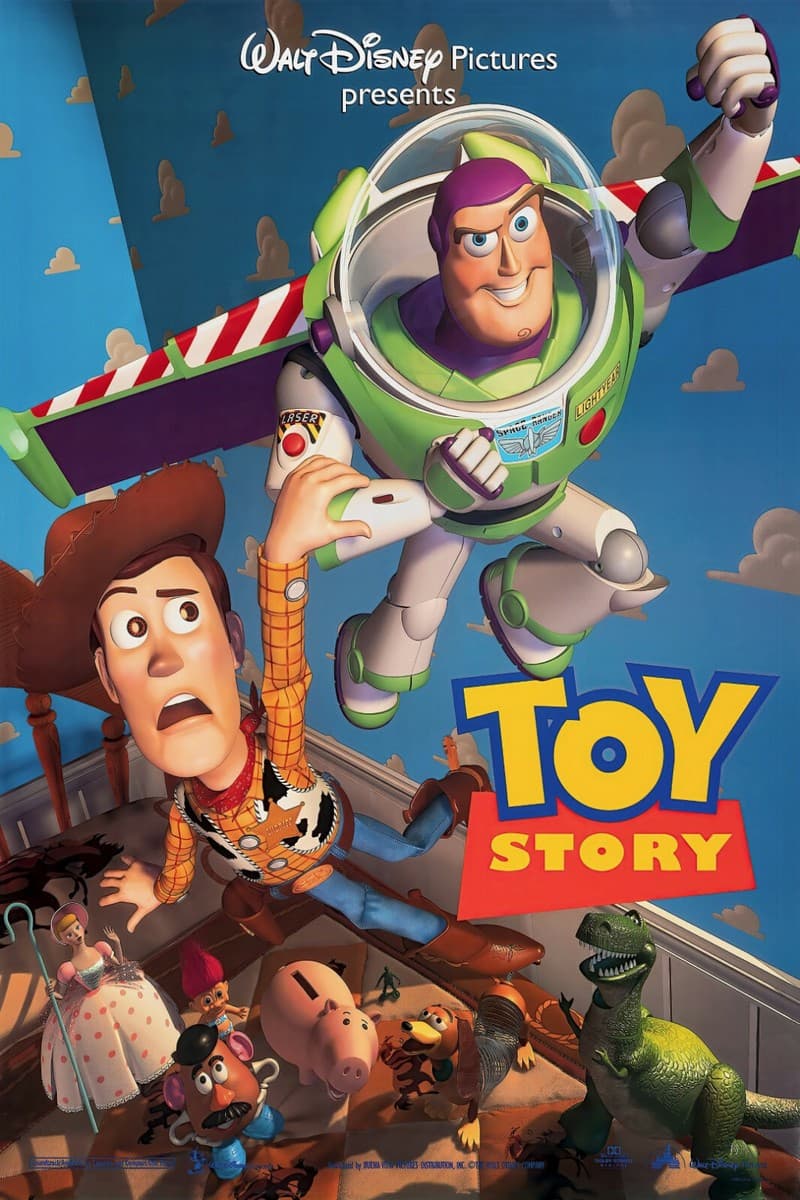
1995 // VHS
Toy Story
A pull‑string cowboy, a deluded space ranger and a small, very particular war over being loved.
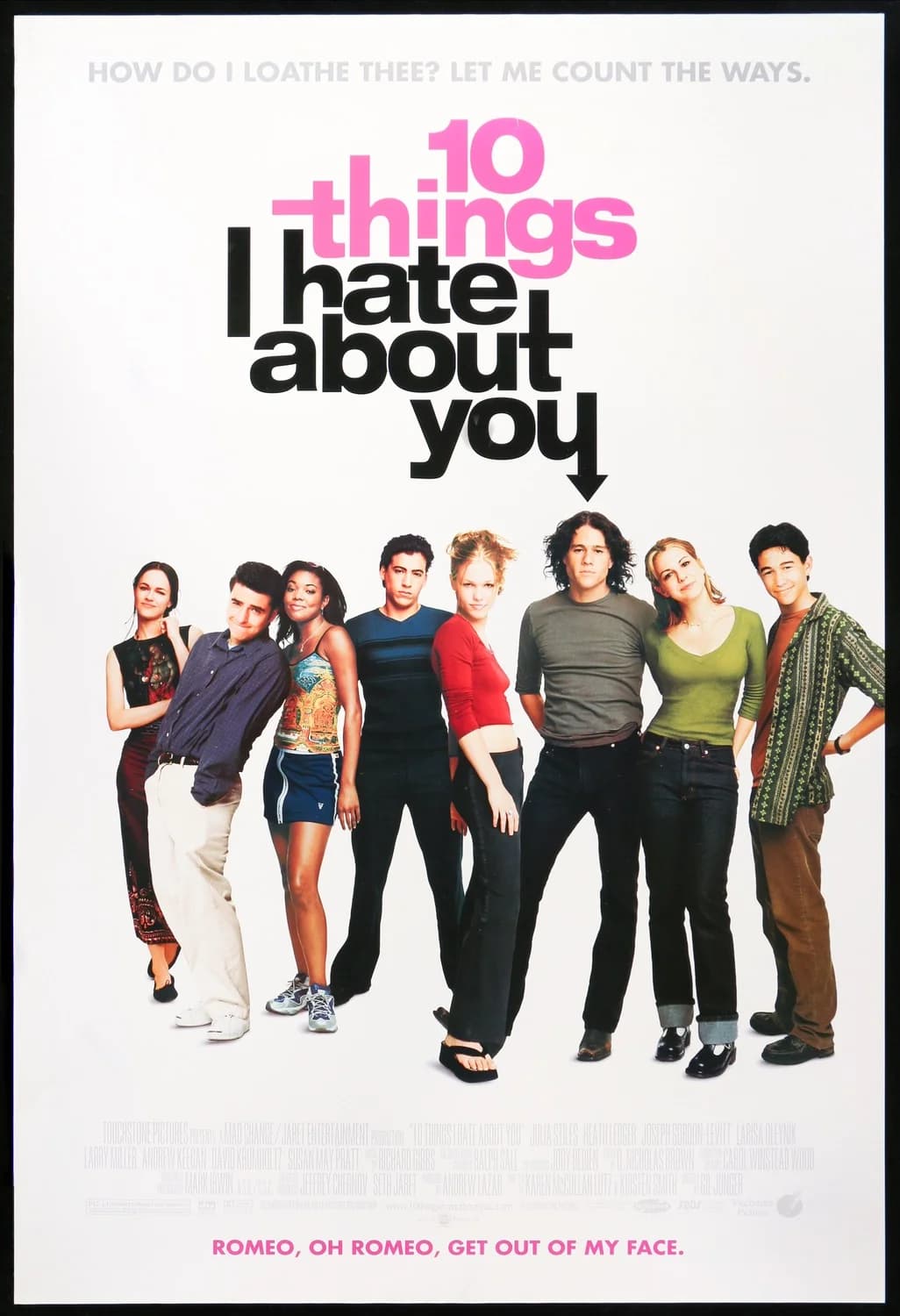
1999 // VHS
10 Things I Hate About You
Sibling rules, a rooftop serenade and one very stubborn Kat — Shakespeare in a school corridor.
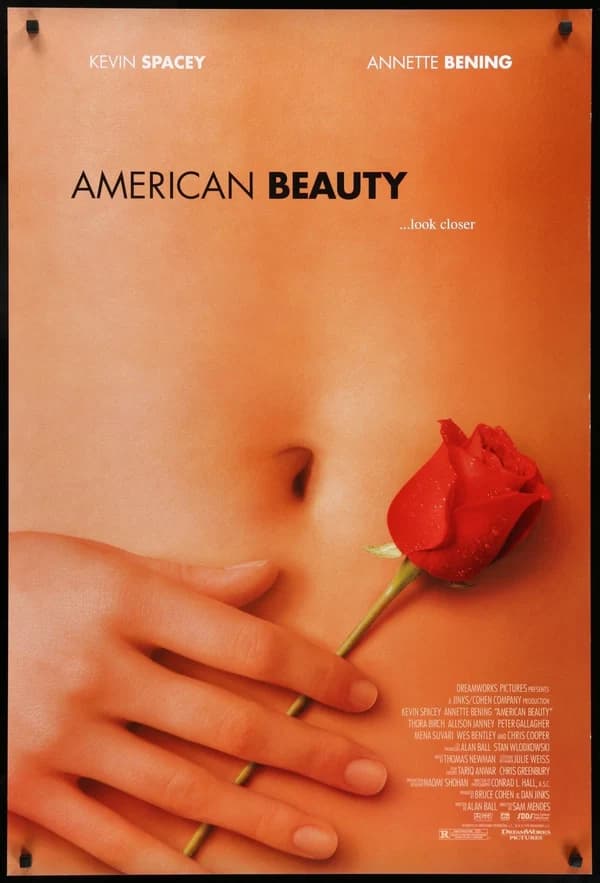
1999 // VHS
American Beauty
Lester Burnham, suburban rot and a midlife argument that still stings.