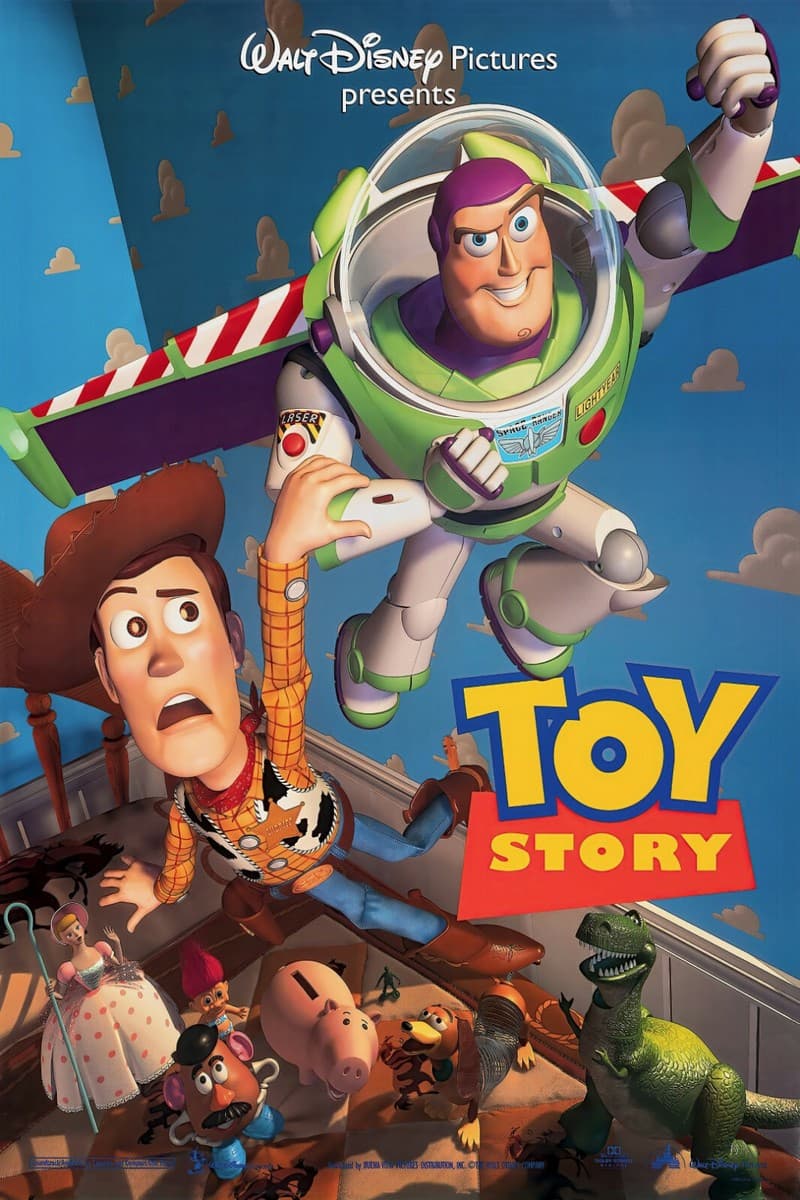
Toy Story
A pull‑string cowboy, a deluded space ranger and a small, very particular war over being loved.
// The setup
PLAYBACK STARTED
If you remember one thing about Toy Story it’s probably Woody — the toy who believes there is an order to the world and refuses to believe he can be replaced. John Lasseter’s 1995 idea that toys have private lives when humans aren’t looking turns into an odd-couple road adventure the moment a flashy newcomer upends the local pecking order. It still makes for a tight 81-minute watch.
THE MOVIE
Woody (voice) is still the reason this movie works
There’s an obvious gag at the heart of Toy Story — toys are alive when we aren’t looking — but the film’s muscle comes from a single, stubborn character named Woody. When a flashy space‑ranger crashes Andy’s room, that tidy balance is upended and Woody’s jealousy becomes a surprisingly human engine for the story.
That engine is compact and well‑paced: John Lasseter directed the film, which runs a brisk 81 minutes, and centres on how a pull‑string cowboy deals with being displaced by the new favourite. Tom Hanks supplies the voice of Woody, and the film leans on that central relationship to make its laughs and stakes land.
So why revisit it? Because beneath the toy gag there’s a neat, readable drama about belonging. The movie threads together buddy dynamics, identity questions and childhood attachment without ever getting bogged down — which is exactly why Woody still feels like the thing to watch for.
THE SETUP
The idea that sets Toy Story in motion
The pitch is wonderfully simple: toys are sentient when humans aren’t present. That single conceit lets the film stage domestic politics — who’s the favourite, who keeps the peace — and then add a new player to disrupt everything.
Enter Buzz Lightyear, a shiny space‑ranger whose arrival into six‑year‑old Andy’s room upends the toy hierarchy. Woody’s jealousy is the inciting move: suddenly the comfortable social order is threatened and personal rivalry becomes the story’s motor.
The film quickly turns inward and outward at once. Internally there’s the clash between Woody and Buzz over affection and status; externally, a plot device forces the two of them out of the house and onto a race to get back before Andy’s family moves. That separation supplies most of the movie’s obstacles and set pieces.
All of which keeps things readable: the odd‑couple friction provides comedy and the outside quest provides momentum, so the emotional beats never float free from the plot.
THE CHARACTER
Why Woody (voice) matters
Woody matters because he’s the hinge between the group and the story. He’s not just the favourite toy; he’s the one who keeps the toys’ social life functional, and that makes his fear of displacement feel consequential for everyone else.
Tom Hanks is the credited voice of Woody, and the character’s centrality helps the film hold emotional focus even while it juggles jokes and adventure. Woody is the moral — and occasionally panicked — centre that the other toys orbit.
That sense of loyalty is baked into the film’s themes. Friendship and loyalty are the lenses through which Woody’s choices look meaningful rather than melodramatic.
Finally, Woody is clearly built to travel: the character’s arc was strong enough to carry the franchise forward in direct sequels that kept returning to his relationship with the other toys.
THE PERFORMANCE
Why Tom Hanks's performance matters
Contemporary responses singled out the vocal work in Toy Story as a big part of its charm, and Tom Hanks — as the voice of Woody — is specifically named among those elements.
That’s a useful, modest fact: the casting choices made the characters feel distinct and helped the film’s humour and emotion stick in the audience’s head.
So when someone says Woody ‘feels’ like a real presence in the film, that effect is partly a result of the vocal performances being clear and characterful in reviews of the time.
In short: Hanks’ casting is one of the pieces critics pointed to when explaining why the movie resonated.
UNDER THE SURFACE
Toy Story has more on its mind than the plot suggests
On the surface it’s a buddy adventure; underneath it’s quietly chewing on jealousy. Woody’s panic about being replaced by a newer model is a plain, emotional fear and the film leans into that without dressing it up.
Identity is another strand. Buzz believes himself to be a real space ranger, so his gradual confrontation with what he actually is becomes a story about coming to terms with oneself — not a lecture, but a character journey.
There’s also that strange, specific feeling of childhood attachment: toys are ordinary objects that carry emotional weight, and the film treats that weight seriously enough for adults to recognise it too.
All of these ideas — jealousy, identity, friendship and attachment — feed each other. The result is a family film that gives its emotional ideas room to breathe without complicating the storytelling.
WATCHING IT NOW
What has aged — and what hasn't
Decades later, the parts that tend to hold up are the storytelling foundations: clear stakes, a tight odd‑couple dynamic and recognisable emotional beats. Retrospectives often point to the film’s story and character work as lasting strengths.
Voice work is also a durable element; the vocal performances that reviewers praised at the time continue to be mentioned when people talk about why the film still feels alive.
Meanwhile, the film’s friendship and loyalty themes give it an emotional steadiness that’s not bound to a moment in pop culture. That helps it to sit comfortably beside its sequels, which picked up the same characters and pushed them into new situations.
So while fashion and tech references age, the core—characters figuring out who they are and who they’re for—tends to remain effective.
THE LEGACY
Why Toy Story still matters
There are clear, documented markers for why the film remains part of the conversation: it received three Academy Award nominations and John Lasseter was given a Special Achievement Award in recognition of the team’s work on the production side.
Those recognitions sit alongside the fact that the film launched a franchise of direct sequels and a wide range of related media — the characters and stories continued to be revisited long after the original release.
Institutional recognition followed too: in 2005 the film was added to the Library of Congress National Film Registry, cited for its cultural, historical or aesthetic significance.
Put together, these facts explain why Toy Story isn’t just a fond childhood memory for some viewers but also a film that institutions and the industry continue to point to.
THE VERDICT
Does Toy Story still hold up?
Yes — largely because its pleasures rest on character and tidy structure rather than cheap topical gags. The basic premise (toys have inner lives) sets up a neat interpersonal conflict when a new, flashy space‑ranger arrives and threatens Woody’s status, and that jealousy drives everything in a way that’s easy to follow and easy to care about.
The film turns the disagreement between Woody and Buzz into an odd‑couple buddy adventure: an interpersonal rivalry becomes a forced cooperation when a plot device sends them outside the house on a race to get back. That structure keeps both comedy and emotion honest.
Contemporary reviewers pointed to the vocal performances as part of the film’s appeal, and that remains useful today — the cast helps make the toys feel like a community, with supporting figures who clarify Woody’s possible loss of status.
If you want a compact, well‑made family film about identity, jealousy and loyalty that still reads clearly, Toy Story is worth a watch. It’s the sort of movie where a pull‑string cowboy reminds you that belonging is both small and very big, and it does so in under an hour and a half.
Share this movie
// Keep watching
More movies from the 90s
If Toy Story is your kind of movie, there's plenty more on the shelves worth rewinding.
1999 // VHS
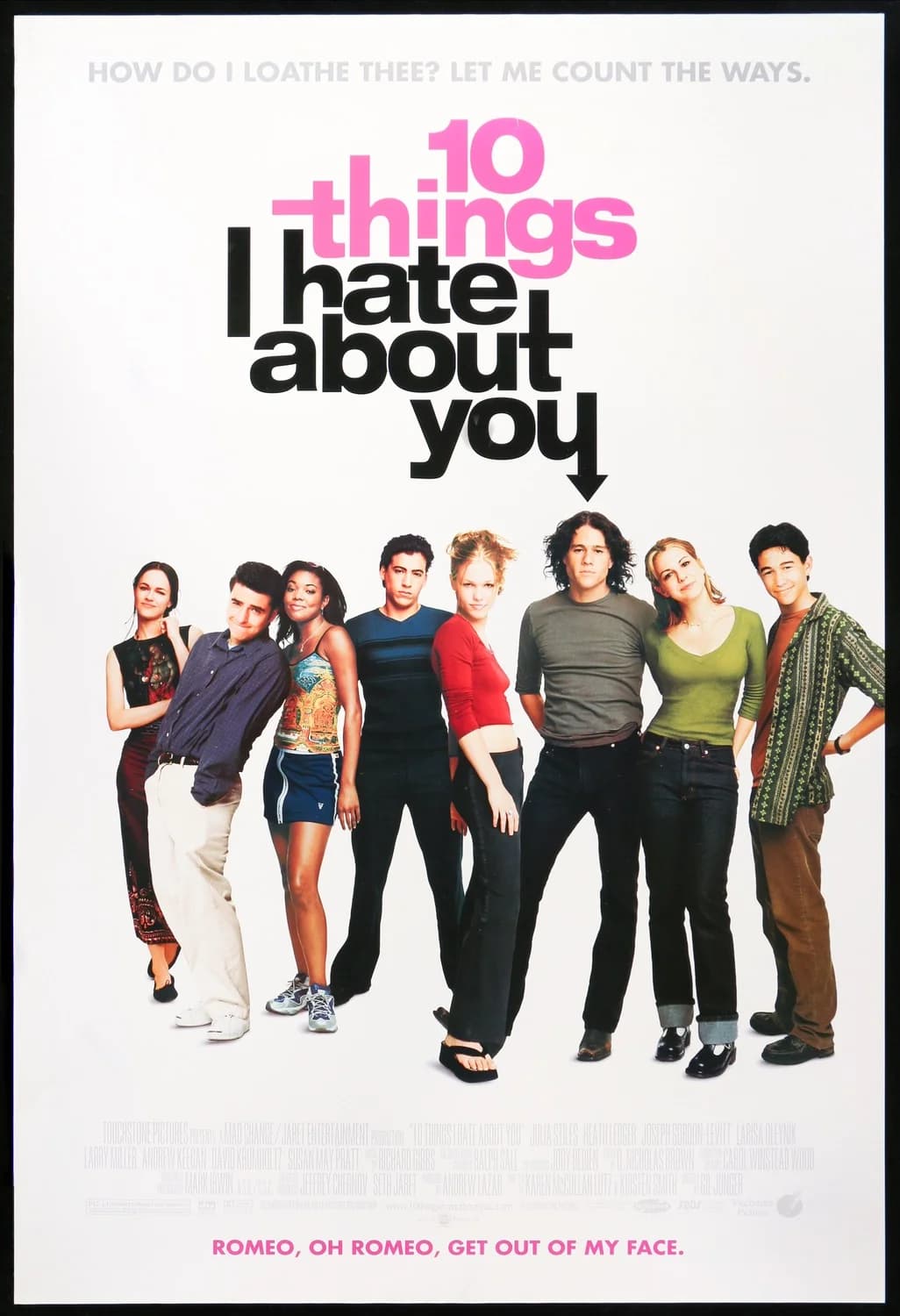
10 Things I Hate About You
Sibling rules, a rooftop serenade and one very stubborn Kat — Shakespeare in a school corridor.
1999 // VHS
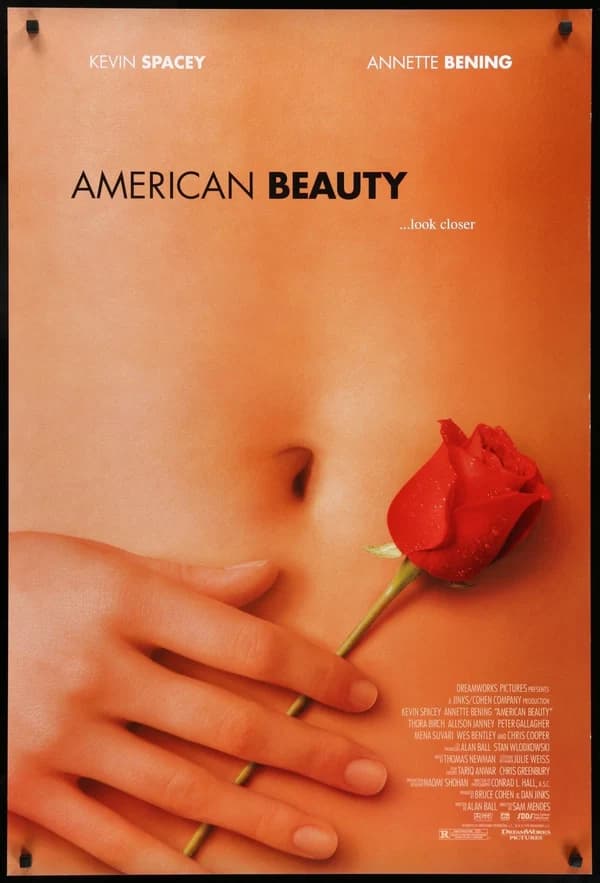
American Beauty
Lester Burnham, suburban rot and a midlife argument that still stings.
1999 // VHS
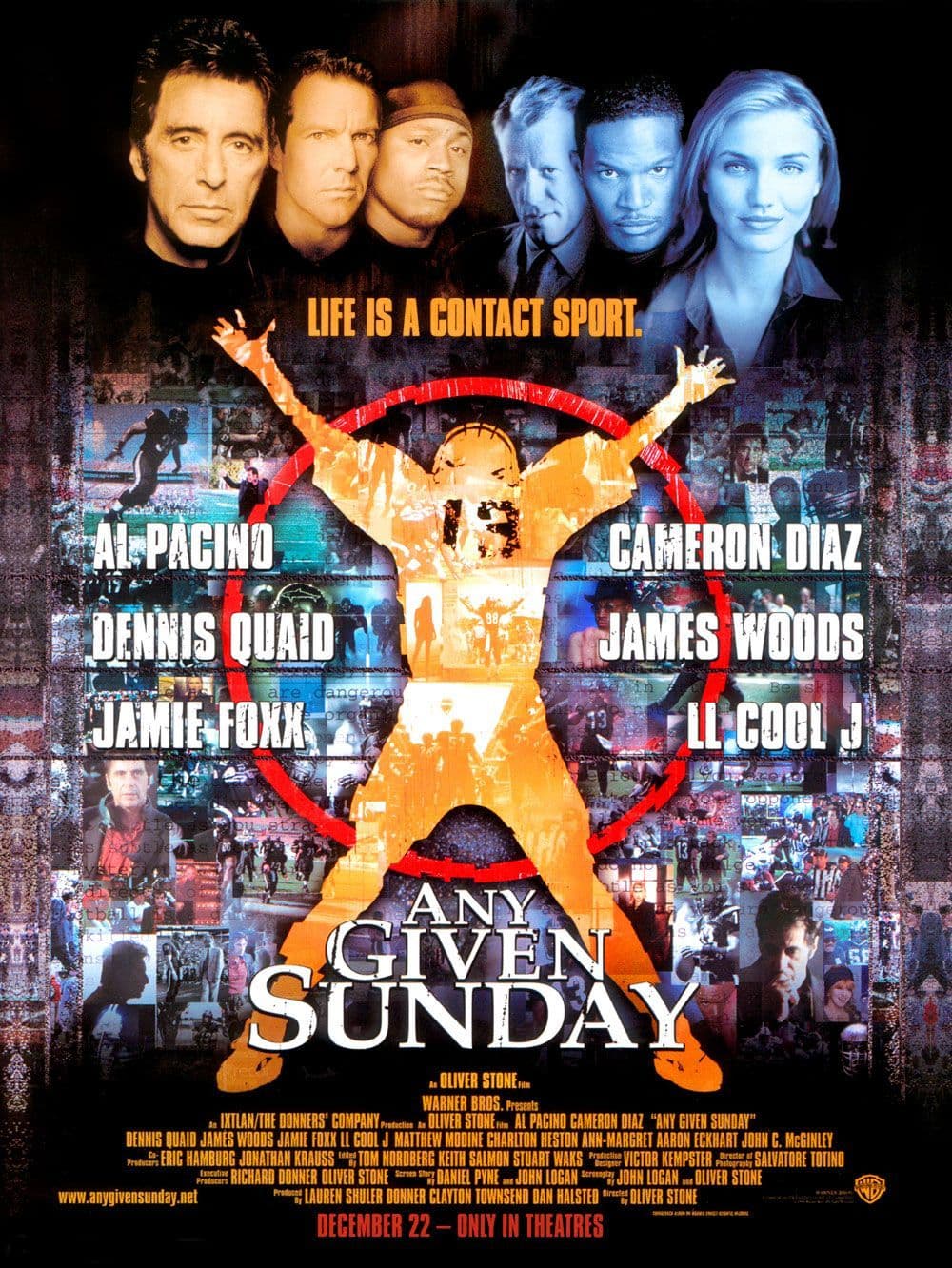
Any Given Sunday
Al Pacino's coach anchors the chaos of a film about football turned into product — loud, messy and oddly persuasive.