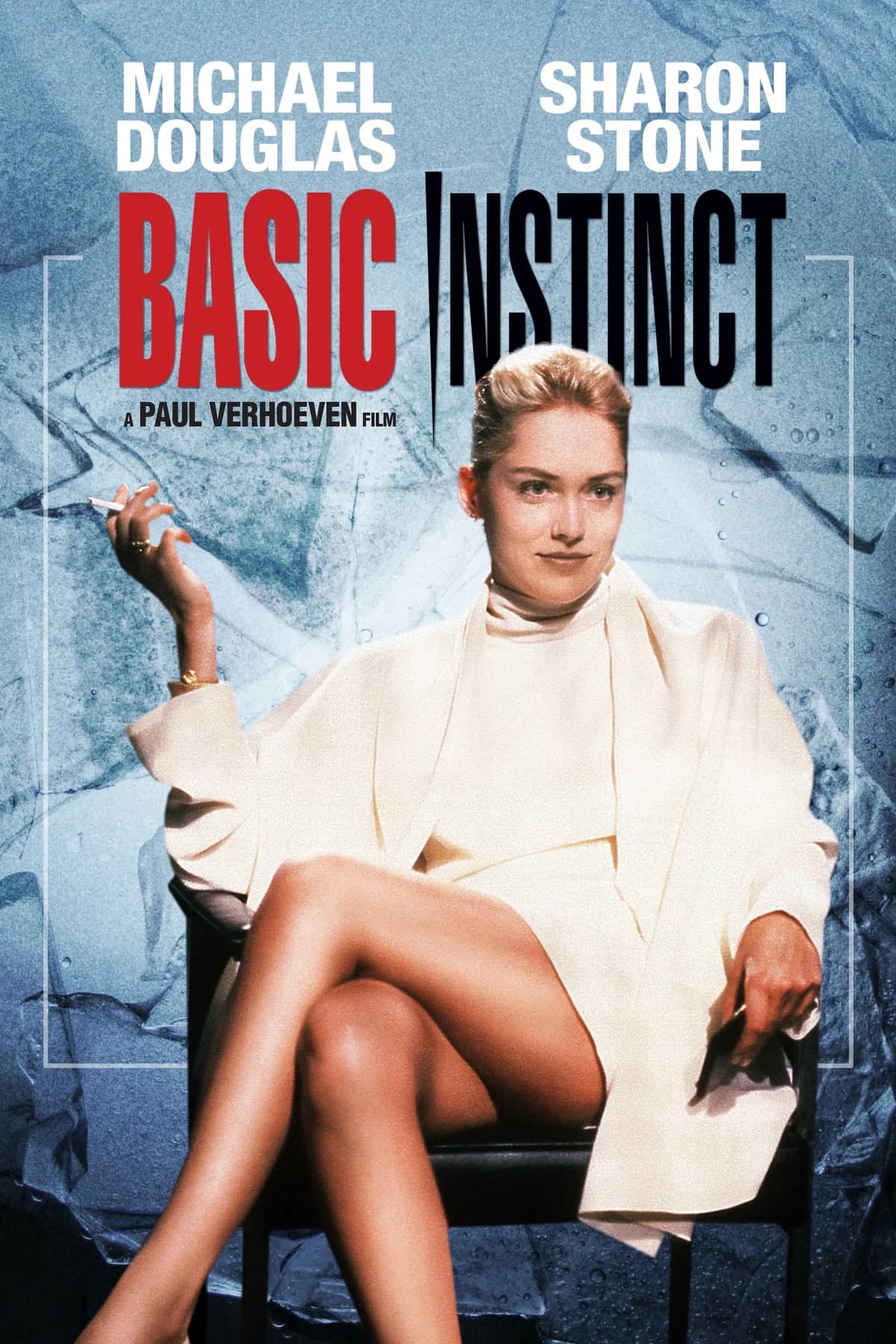
Basic Instinct
Sex, lies and an ice pick — but it's Nick Curran who keeps you watching.
// The setup
PLAYBACK STARTED
Basic Instinct still starts conversations the moment the title appears. Paul Verhoeven's thriller hooks a police procedural to a sexual psychodrama and then asks you to pick sides — or at least to keep guessing. Revisit it for the push-and-pull between a morally compromised detective and the novelist who may be playing him for a fool.
THE MOVIE
Det. Nick Curran is still the reason this movie works
Basic Instinct opens with a sudden, vicious moment that refuses to be shrugged off — a rock promoter killed during sex with an ice pick. That punch to the gut is the film's opening handshake: shocking, a little obscene, and immediately procedural.
What follows is less a whodunnit than an escalating personal crisis for the detective at the centre of it. San Francisco homicide detective Nick Curran becomes the primary investigator, and the case drags him into a tense, sexually charged orbit with Catherine Tramell, the novelist whose books seem to trace the murders under inquiry.
Curran isn't a clean-lined hero; he's been under Internal Affairs, and his personal faults — drink and sexual impulsiveness among them — make him easy prey for manipulation. Put together with Paul Verhoeven's taste for provocation and the film's appetite for erotic power plays, that makes Basic Instinct feel like a thriller that enjoys making you squirm.
THE SETUP
The idea that sets Basic Instinct in motion
At its simplest, the film sets up a collision: a police investigator and a rich crime novelist whose fiction maps too neatly onto real killings. That overlap turns the basic murder plot into something more slippery — every chapter of the novelist's work is both clue and red herring.

The repeating trick is that Tramell's fiction bleeds into the case. Scenes and details from her novel give the detectives leads, but they also misdirect, which keeps suspicion moving around rather than settling neatly on one suspect.
Verhoeven layers procedural trappings — polygraphs, forensics, the watchful presence of Internal Affairs — so the investigation feels like proper police work even as it becomes increasingly personal.
All of that makes the setup work because the mystery and the relationship are fused: the case winds up revealing Curran's weaknesses as much as any evidence reveals motives.
THE CHARACTER
Why Det. Nick Curran matters
Michael Douglas plays Det. Nick Curran, and the movie is arranged around his collapse and resistance in nearly equal measure. He is the audience's anchor; when he stumbles, the film does its work on us.
Curran has baggage. We learn he has already been under Internal Affairs, and that history doesn't sit separate from the case — it shapes how his colleagues see him and how easily he's provoked by Catherine Tramell.
Because he isn't morally spotless, his choices matter in a different way. When Curran steps into temptation or doubles down on a risky hunch, it feels like a decision that could tilt the investigation and his life simultaneously.
The film deliberately sets up an emotional counterpoint in Dr. Beth Garner, the police psychologist whose relationship with Curran complicates matters. She's a reminder that this isn't only about evidence; it's about how people bend when pushed.
THE PERFORMANCE
Why Sharon Stone's performance matters
Sharon Stone's turn as Catherine Tramell changed how many people saw her career at the time. Contemporary coverage singled it out as a breakout, and that attention translated into a Golden Globe nomination for Best Actress.
The role is positioned as the film's fulcrum: Tramell's presence is the constant test Curran fails or refuses to pass. The performance put her squarely in the centre of the conversation about the movie.
Because the portrayal was so widely discussed on release, it became a shorthand for the film's daring — the bit that reviewers and audiences used to explain why Basic Instinct mattered that year.
That notoriety is part of why the role remains associated with Sharon Stone's rise; the contemporary response made it a career moment rather than just another casting.
UNDER THE SURFACE
Basic Instinct has more on its mind than the plot suggests
On the surface it’s a murder mystery. Beneath that, the film is about sexual power and control — eroticism is often presented as a tool, a way characters bend others to their will.
It leans hard on the femme-fatale idea: someone who weaponises sexuality and narrative control. That manipulation is both interpersonal and narrative, because Tramell writes stories that unsettle the investigators and the audience alike.
Obsession threads through the film too. Curran's investigation becomes personal, and the line between professional duty and private compulsion blurs; compromised morality isn't an accident, it's the consequence.
Finally, the script toys with fiction and reality. When a novelist’s pages start to echo crimes, the film asks who is scripting whom — and whether a story can be used to predict, provoke or even commit violence.
THE FILMMAKING
How Basic Instinct was put together
Jan de Bont is credited as director of photography, and the film certainly leans into a glossy, neo‑noir sheen; the look supports the story's mix of luridness and polish rather than hiding it.
Editing plays a big role in how the mystery unfolds — Frank J. Urioste handled the cutting and received recognition for the film's pace and assembly at awards time.
Paul Verhoeven's taste for high‑style, provocative mainstream genre filmmaking frames every choice: the movie is designed to provoke opinion while still moving like a commercial thriller.
Terence Marsh is credited as production designer, which keeps the world coherent: the settings and compositions are part of how the film sells its blend of spectacle and intimacy.
PURE 80S
Basic Instinct could not belong to any other decade
Released in March 1992, Basic Instinct arrived when the erotic thriller was a clear commercial strand in Hollywood. It sits squarely in that early‑1990s wave and behaved, at least at the box office, like a major example of the cycle.
Its production and release touched a cultural nerve: organised protests and criticism from LGBT groups focused attention on how bisexual and lesbian women were depicted, so the film was part of the era's heated debates about representation.
That mix — mainstream commercial success married to public controversy — is very 1992. The film's profile came from both the crowd-pleasing thriller bits and the conversations it provoked.
Seen this way, Basic Instinct is less a period piece of style than a historical snapshot of what mainstream Hollywood could sell and what audiences pushed back against at the time.
WATCHING IT NOW
What has aged — and what hasn't
If you watch Basic Instinct today, you won't be surprised that the film's representation of queer characters and scenes of sexualised violence sit uncomfortably with many viewers. Contemporary commentary flags those elements as having aged poorly.
That discomfort isn't a fresh invention; the movie provoked organised protests on release and those same criticisms are part of modern readings of the film. They shape whether people can still enjoy it as entertainment or only as an object of discussion.
Technically the film holds together as a tautly staged studio thriller of its time — the running time sits at around two hours and seven minutes in standard release — but the reasons you return to it are more complicated than whether it still thrills.
So watching it now often requires a split focus: on one hand the mechanics of the mystery and the production craft, and on the other the ethical questions that have only become louder since 1992.
THE LEGACY
Why Basic Instinct still matters
Basic Instinct picked up recognition in traditionally neutral places: Academy Award nominations for Film Editing and Original Score point to the craft beneath the publicity.
It was a major commercial hit at the time and it also played a decisive part in raising Sharon Stone's international profile, turning the role of Catherine Tramell into a career marker.
The film's afterlife includes that 2006 sequel with Stone back in the role, but no return for Verhoeven — which underscores how much the original was a meeting of the director's sensibilities and a provocative script.
Beyond box office and awards, the movie keeps coming up in conversations about erotic thrillers and about how Hollywood has handled sexual representation and censorship; it's the sort of film people point to when those subjects are on the table.
THE VERDICT
Does Basic Instinct still hold up?
Yes — but with a big caveat. Basic Instinct still functions as a sharply constructed erotic thriller: it opens with a brutal murder, then reels you into a case where the investigator, Nick Curran, becomes dangerously entangled with Catherine Tramell.
The film's recurring device — a novelist's fiction echoing real deaths — keeps the mystery lively and the suspicion moving, and police-procedure set pieces (polygraphs, forensics, interrogation) give the plot a believable spine.
What makes a modern viewing tricky is that Curran is a morally compromised detective whose personal vulnerabilities feed the drama, and the film foregrounds sexual power and control in ways many viewers now find problematic.
If you watch it for craft and the dramatic tug between investigator and suspect, it's still worth seeing. If you expect contemporary sensibilities around representation to be comfortably satisfied, the movie will likely frustrate. Either way, it remains a film that asks uncomfortable questions while refusing to hand you neat answers.
Share this movie
// Keep watching
More movies from the 90s
If Basic Instinct is your kind of movie, there's plenty more on the shelves worth rewinding.
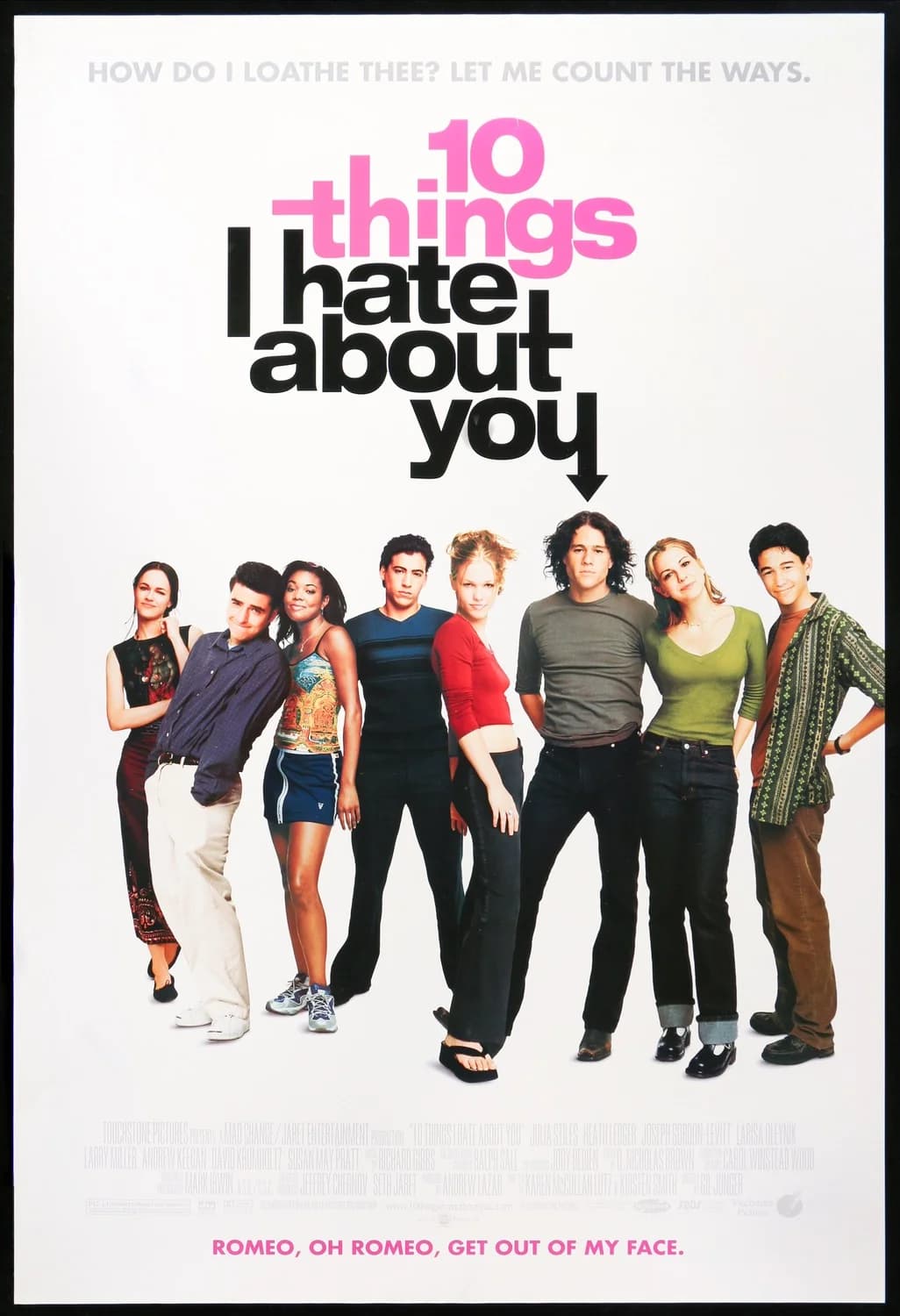
1999 // VHS
10 Things I Hate About You
Sibling rules, a rooftop serenade and one very stubborn Kat — Shakespeare in a school corridor.
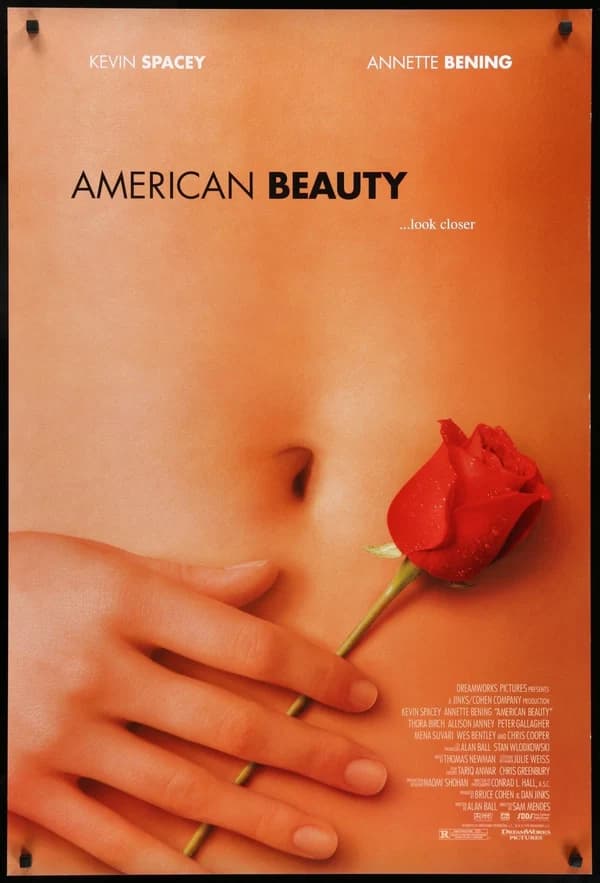
1999 // VHS
American Beauty
Lester Burnham, suburban rot and a midlife argument that still stings.
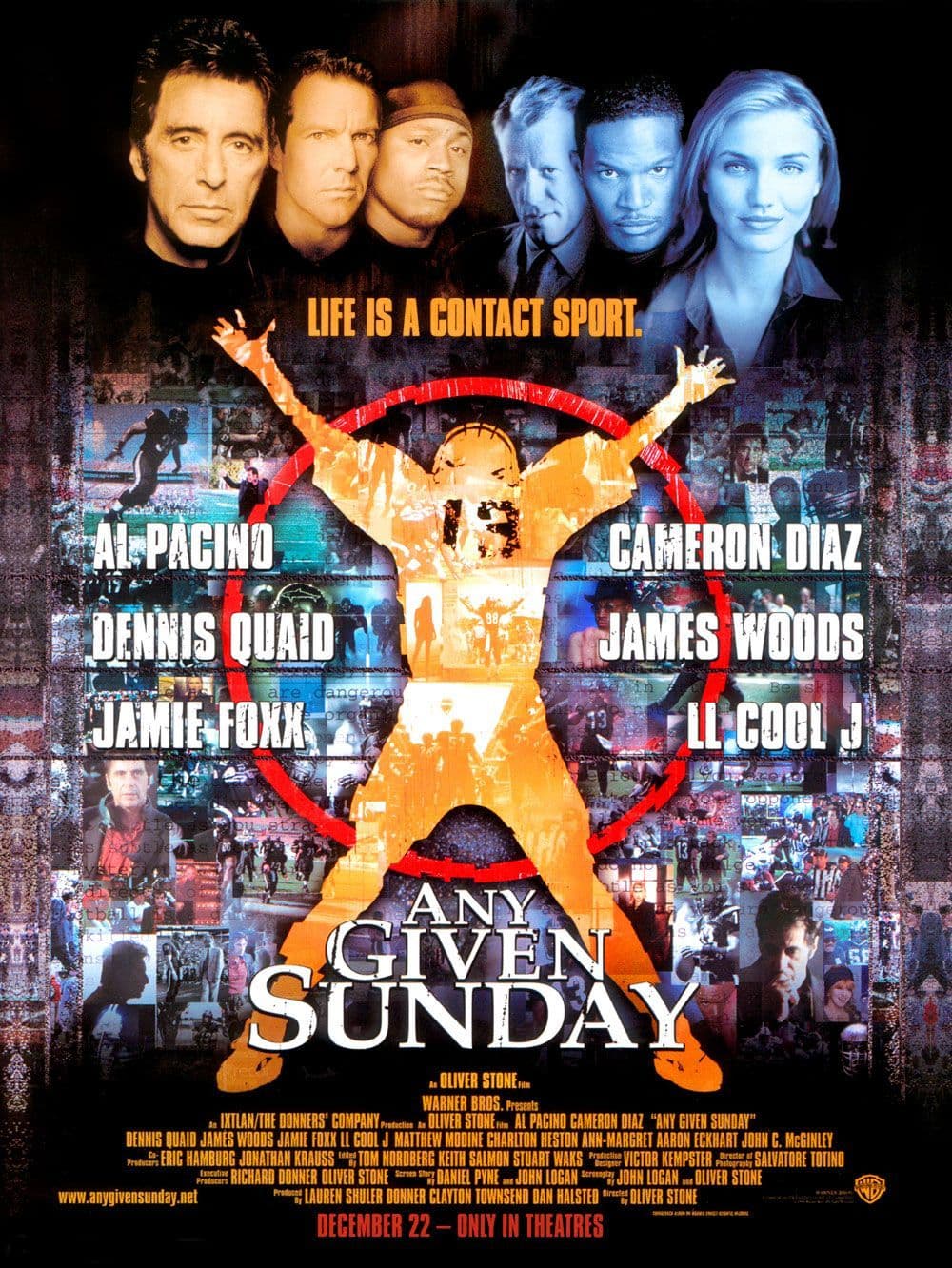
1999 // VHS
Any Given Sunday
Al Pacino's coach anchors the chaos of a film about football turned into product — loud, messy and oddly persuasive.