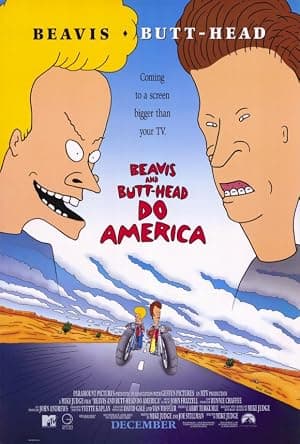
Beavis and Butt-Head Do America
A stolen telly, a filthy misunderstanding and an X‑5 — the road trip that never learns.
// The setup
PLAYBACK STARTED
You know the sound: two nasal snorts, a couple of daft plans and a refusal to grow up. Beavis and Butt-Head Do America takes that small, very specific comedy and stretches it into a cross-country prank, with Mike Judge at the wheel. It’s a feature that keeps the show’s appetite for low aims — TV and scoring — and lets those simple wants crash into something much bigger.
THE MOVIE
Beavis / Butt-Head / Tom Anderson / Mr. Van Driessen / Principal McVicker is still the reason this movie works
What makes people still bring this film up isn’t spectacle or nostalgia alone: it’s the same pair of idiots you loved to hate on TV, shoved into a bigger, louder playground. The story kicks off when their television is nicked, and that miserable little loss is all the motivation they need to set off across the United States.
Along the way a motel misunderstanding — being mistaken for hired hitmen and told to “do” a woman — sends them deeper into a proper road movie of errors. Those two beats (the stolen telly, the sex-based confusion) are the engine; everything else is passengers thrown into the chaos.
Mike Judge directs and supplies the primary voices, keeping the film anchored to its source material. The movie keeps its teeth: satire aimed at American youth and passive media consumption, framed as an episodic, adventure-style road trip that refuses to be sentimental.
THE SETUP
The idea that sets Beavis and Butt-Head Do America in motion
The premise is gloriously uncomplicated: their television is stolen, and the boys chase it. That bare-bones desire — to recover the thing that keeps them inert — is the film’s simplest comic promise and the fuel for everything that follows.
A motel mix-up turns into the film’s signature joke: being misread as hired hitmen and told to “do” a woman. That adolescent misunderstanding turns a local gag into a nationwide misadventure and gives the pair purpose beyond couch inertia.
Someone also plants an X‑5 unit on Beavis — a stolen device presented as a volatile biological threat — and suddenly the duo are not just idiots but unwanted national targets. The X‑5 escalates the stakes without ever asking the boys to suddenly become clever.
Structurally the movie is a string of set pieces — hotel rooms, tour buses, national monuments — stitched together by the chase. It’s episodic in the way the show always was, only now the episodes are big enough to reach Las Vegas, government manhunts and public spectacle.
THE CHARACTER
Why Beavis / Butt-Head / Tom Anderson / Mr. Van Driessen / Principal McVicker matters
At the centre of the whole enterprise are two deliberately limited appetites: find a TV, and try to “score.” Those tiny, repeatable goals are what make the boys recognisable and funny — even when the plot lifts them into grander situations.
Mike Judge is not just the director; he’s also the audible centre of the film, supplying the voices of both leads and several supporting parts. That continuity matters: it keeps the movie feeling like the show expanded, not replaced.
Because Judge provides so many of the supporting voices too, the film retains the series’ small-cast intimacy even as it stretches geography; the world feels familiar, and so do the reactions when chaos arrives.
Contemporary reviewers noticed this translation from small-screen short to feature-length story, and their praise often hinged on how the characters survived the move without being softened or diluted.
THE PERFORMANCE
Why Mike Judge's performance matters
The film relies on a single, specific vocal identity: the one Judge created for the show. Having him deliver the leads and a clutch of supporting voices keeps the film tonally consistent.
That continuity is more than sentimental cosplay. The voice work is the connective tissue between the MTV shorts and a full-length movie, and it’s what makes the boys recognisably themselves in unfamiliar locations.
Judge’s presence in the casting is also practical: it avoids the jarring feel of recasting or broad retooling and lets the script take the characters to absurd places without asking the audience to accept a different Beavis and Butt-Head.
Credits and press across the film’s release pointed to that same fact — the vocal continuity was a core element of the movie’s identity.
UNDER THE SURFACE
Beavis and Butt-Head Do America has more on its mind than the plot suggests
On the surface it’s juvenile comedy: two dim teens making every decision for the same two reasons. Underneath, the film is a sketch about how media habits and youth indolence can be satirised — the boys are a distilled image of passive consumption.
The road-trip structure is crucial because it allows short, sharp satirical hits. Each set piece riffs on an American setting or institution and then moves on, which keeps the movie brisk and prevents any single idea from overstaying its welcome.
There’s also clear material about bureaucracy and national-security theatre: the X‑5 device turns teenage idiocy into a federal crisis, and that escalation lets the film lampoon how institutions react to perceived threats.
Finally, the sexual misunderstandings — the motel gag that propels part of the story — anchor the comedy in adolescent desire and misreading, a recurring engine for both jokes and consequences.
PURE 80S
Beavis and Butt-Head Do America could not belong to any other decade
This is a 1990s product in how it was made and sold. The film emerged from MTV’s 1990s push into features, produced under the MTV/Geffen/Paramount arrangements that turned small-screen personalities into bigger commercial bets.
That corporate ecosystem matters because the movie wouldn’t have the same life without MTV’s promotional reach — the marketing and celebrity cameo culture of the time helped it feel like an event rather than just an extended episode.
Celebrity cameos and marketing flair were part of how the film was presented; the production and publicity model of the mid-90s is baked into the film’s positioning.
Seen this way, it’s less a wounded relic and more a representative product of a moment when TV noise and pop-star cameos were standard currency for launching a franchise-sized comedy.
WATCHING IT NOW
What has aged — and what hasn't
The satire of media-fed ennui still has teeth; the image of two apathetic teenagers being pushed into national headlines by their own stupidity reads as a pretty direct joke about how attention and institutions collide.
Hearing the original voices helps too — Judge’s involvement keeps the characters recognisable and the tonal shorthand intact. That continuity makes the movie easier to sit with now than a recast or tonal reboot might have been.
Contemporary critics praised how the show’s characters translated to a feature, and they were right to note the novelty of celebrity vocal cameos as part of the film’s texture — a detail that still raises an eyebrow today if you like spotting guest voices.
Finally, the fact there was enough affection for a later home-video life and a 25th-anniversary Blu-ray release suggests the film has had a steady afterlife for fans who wanted to revisit the road trip.
THE LEGACY
Why Beavis and Butt-Head Do America still matters
When it opened in December 1996 the picture went straight to number one in North America, which reflected how much built-in curiosity there was about seeing the show as a feature.
It didn’t just stand alone: the film became part of the broader Beavis and Butt-Head franchise and, decades later, was followed by another theatrical/streaming feature, which speaks to the characters’ staying power within their fanbase.
The marketing push around the release was a thing in itself; industry coverage at the time recognised MTV’s campaign work, which helped the movie feel like a proper pop-cultural item rather than a one-off tie-in.
Taken together, the film’s commercial success, franchise continuation and smart promotional rollout explain why it hasn’t slipped entirely from memory — even if opinions on the humour remain divided.
THE VERDICT
Does Beavis and Butt-Head Do America still hold up?
Short answer: yes — if you’re after the thing the film promises. It starts with a stolen television and a motel misunderstanding about the word “do,” and it never pretends to be anything other than a vehicle for those repeating jokes and the chaos they unleash.
The X‑5 subplot — a device presented as a dangerous biological MacGuffin that gets planted on Beavis — drags the boys into a federal manhunt and lets the comedy scale up into set pieces at landmarks and institutions. The result is an episodic road movie that still moves briskly in its 81 minutes.
Judge’s presence as director and principal voice keeps tonal continuity with the TV show, and the satire of youth and media passivity remains recognisable. If you like the show’s improvisatory nastiness, the film feels like more of the same, only louder and with bigger consequences.
If you don’t enjoy that sort of deliberately low-minded humour, the film won’t convert you — but for fans or curious newcomers who want a sharp, self-aware road trip that lampoons attention, bureaucracy and adolescent desire, it’s worth the watch.
Share this movie
// Keep watching
More movies from the 90s
If Beavis and Butt-Head Do America is your kind of movie, there's plenty more on the shelves worth rewinding.
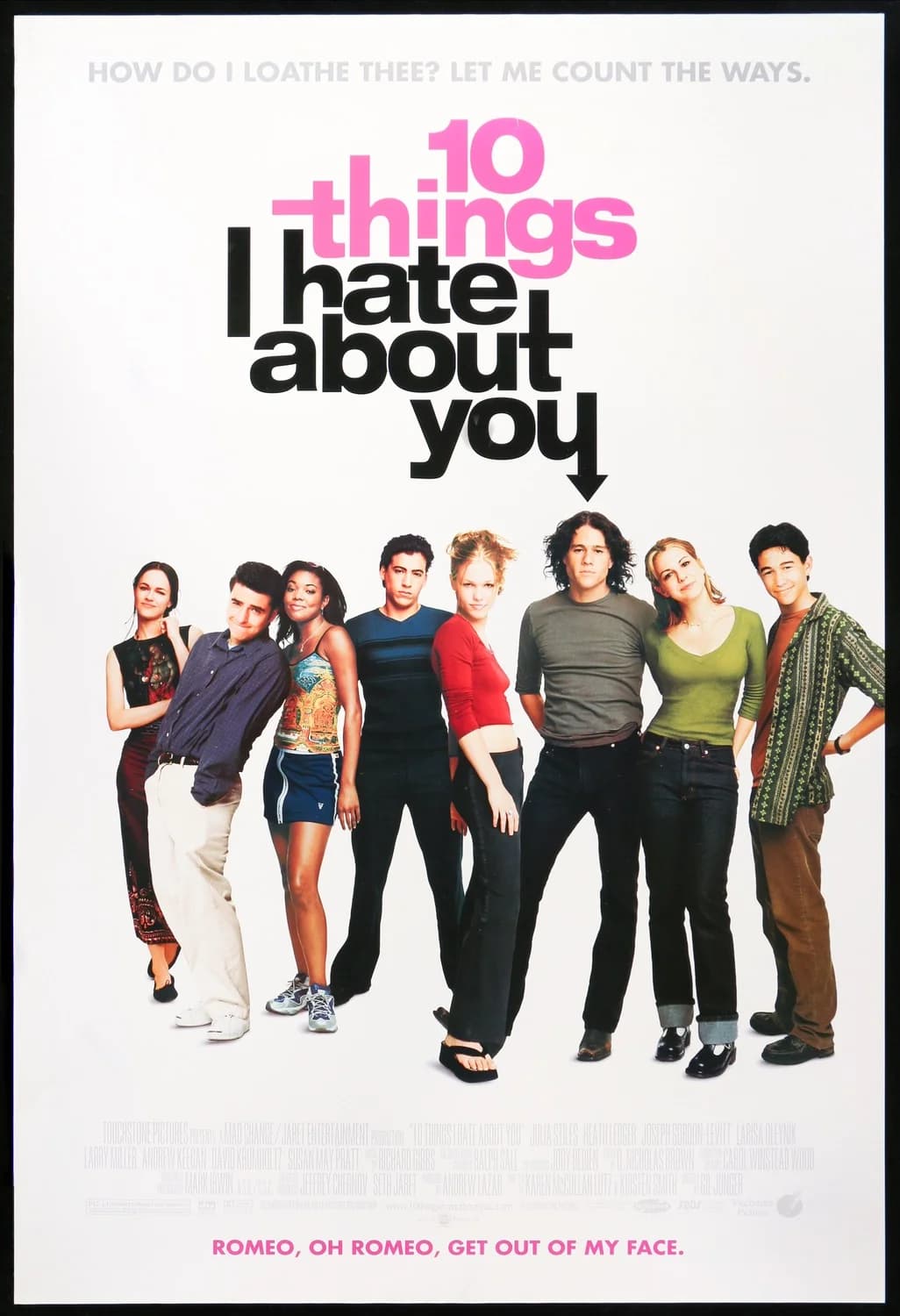
1999 // VHS
10 Things I Hate About You
Sibling rules, a rooftop serenade and one very stubborn Kat — Shakespeare in a school corridor.
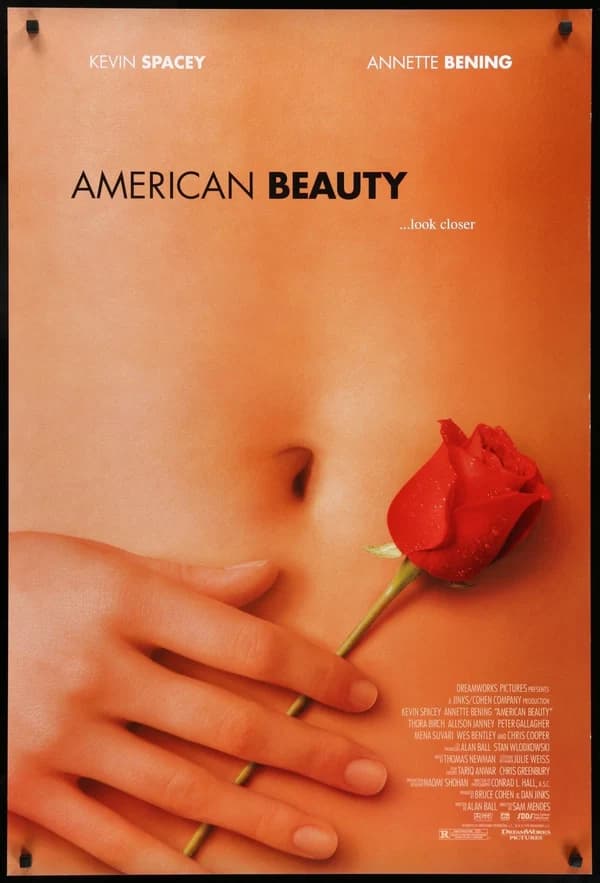
1999 // VHS
American Beauty
Lester Burnham, suburban rot and a midlife argument that still stings.
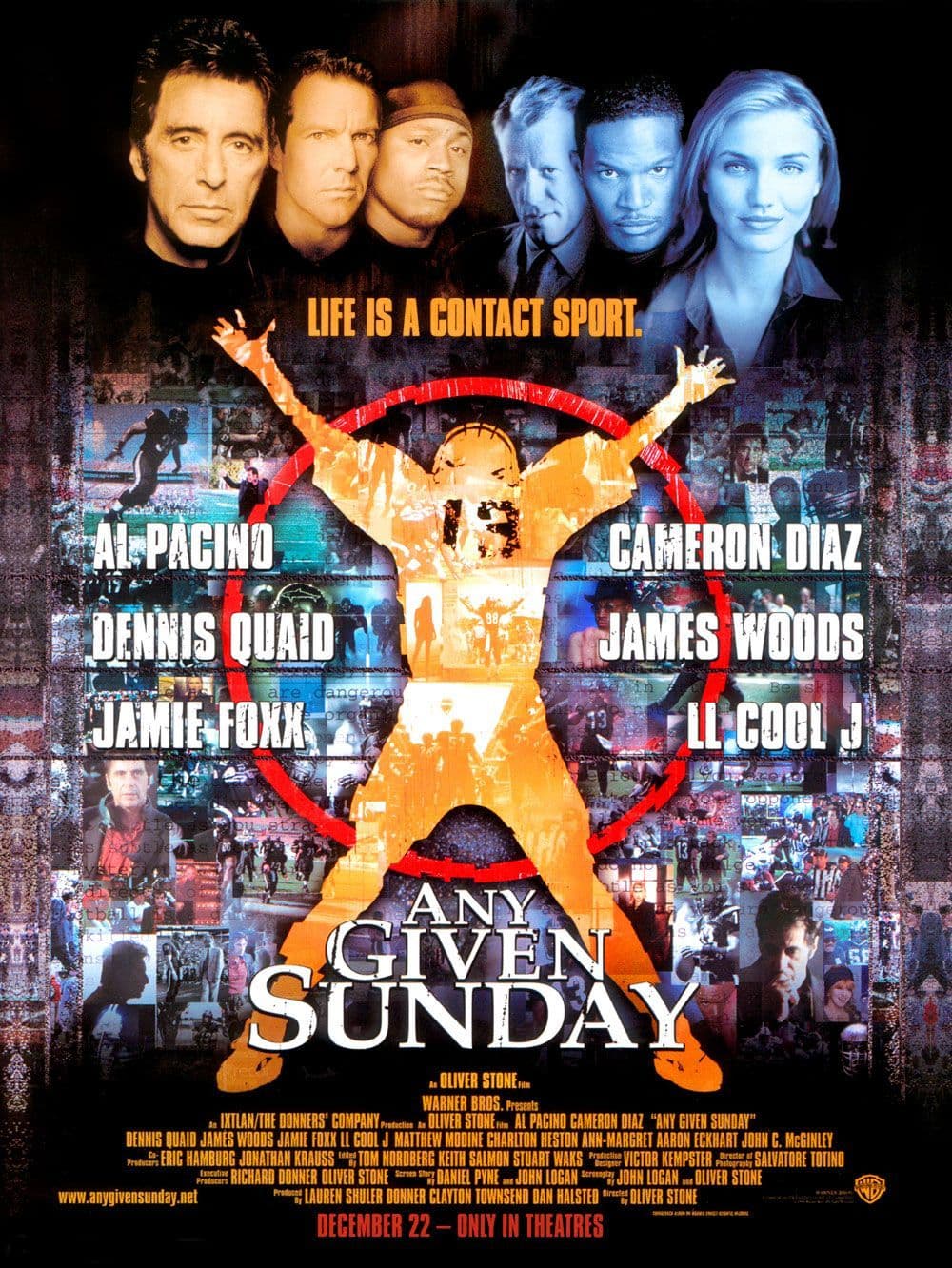
1999 // VHS
Any Given Sunday
Al Pacino's coach anchors the chaos of a film about football turned into product — loud, messy and oddly persuasive.