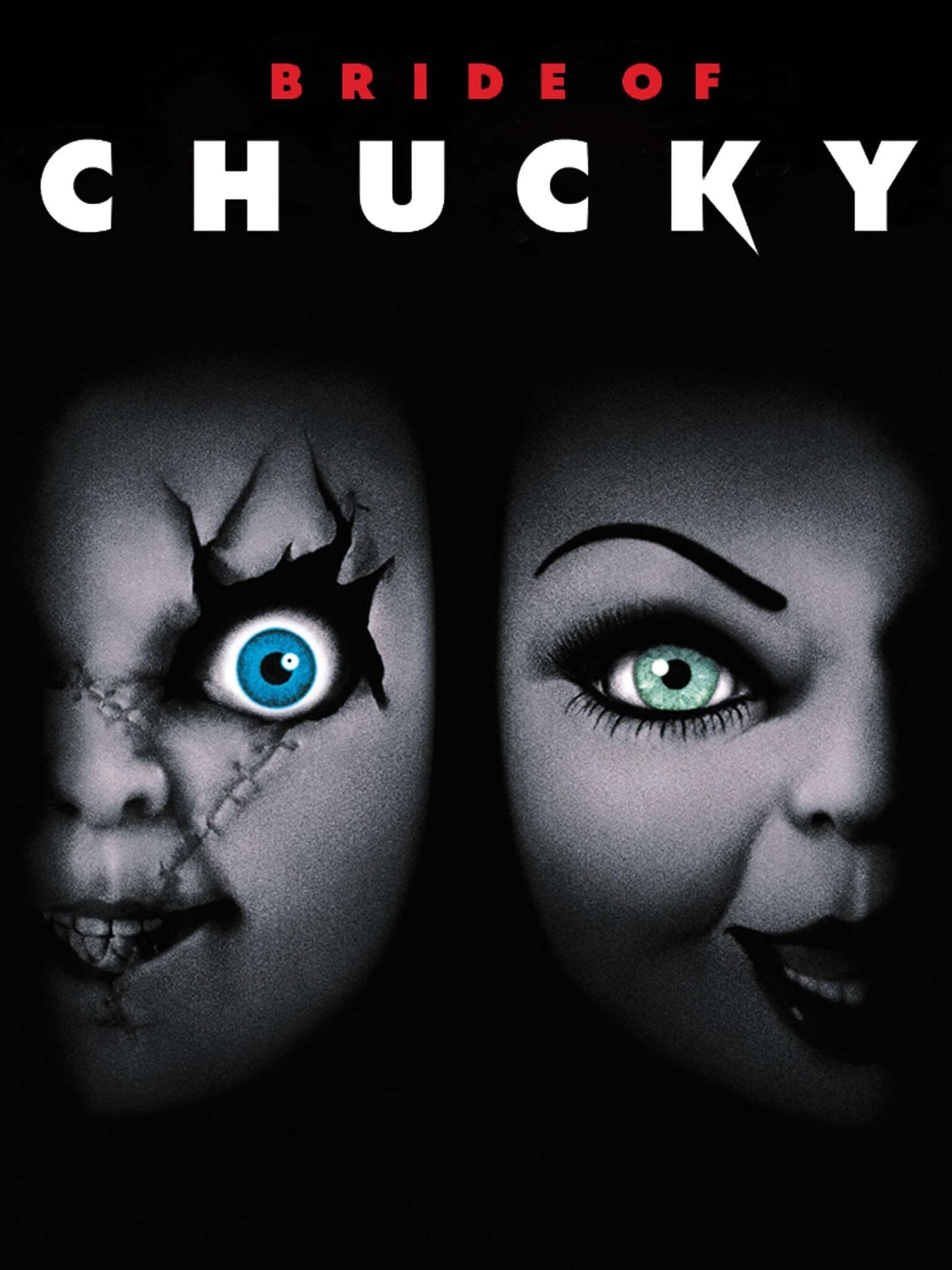
Bride of Chucky
A murderous road trip, a murderous marriage — and Tiffany makes the whole thing deliciously rotten.
// The setup
PLAYBACK STARTED
Bride of Chucky is the film that shoved a corset onto a slasher franchise and taught it to wink. Ronny Yu's 1998 reinventing of Chucky turns a killer doll caper into a dark, affectionate parody — and it does so by putting Tiffany in the driving seat.
THE MOVIE
Tiffany is still the reason this movie works
People still talk about Bride of Chucky because it hands the franchise a new personality and then lets that personality behave badly. The movie starts with Tiffany pulling Chucky out of the grave, performing voodoo and bringing him back — not out of curiosity, but out of obsession. That single act makes it clear this is a love story as much as it is a horror comedy.
Once revived, the pair discover the Heart of Damballa and set off looking for a way back into human bodies. That's the engine: a grim little quest fuelled by murder, wardrobe choices and the sort of possessive devotion that leads people to do very bad things for love.
All of it is staged with deliberate, self‑aware cheek. Don Mancini's screenplay and Ronny Yu's direction lean the series into parody and black comedy; the film knows the rules of slasher cinema and delights in pulling them apart. And yes, Jennifer Tilly as Tiffany is the single casting move that gives the whole exercise a shape you remember.
THE SETUP
The idea that sets Bride of Chucky in motion
The film's premise is compact and mischievous: Tiffany resurrects Chucky and the two discover an amulet — the Heart of Damballa — that can reverse their fate. That object turns what could have been a simple sequel stunt into a straightforward, drive‑you‑mad motivation.
From there the plot tilts into a series of possession attempts, as Chucky and Tiffany try to move into human bodies. Those attempts create the film’s repeated moments of panic, comedy and, yes, nastiness, because each host complicates the dolls’ urgent need to escape plastic skin.
Crucially, this picture moves the franchise away from the earlier Andy Barclay thread and puts Chucky and Tiffany at the centre. It's less about protecting a child and more about a pair of co‑conspirators trying to reclaim agency — however warped their idea of agency might be.
The movie's structure also borrows the logic of a road film: people, places and accidental witnesses slide into the plot and heat rises. It keeps things mobile, which suits the comic‑horror tone the filmmakers are aiming for.
THE CHARACTER
Why Tiffany matters
Tiffany isn't a throwaway love interest. She's the plot's motor: motivated by an obsessive attachment to Charles Lee Ray, she commits murder and carries out the voodoo that pulls Chucky back into play. That motivation makes everything she does readable, even when it's grotesque.
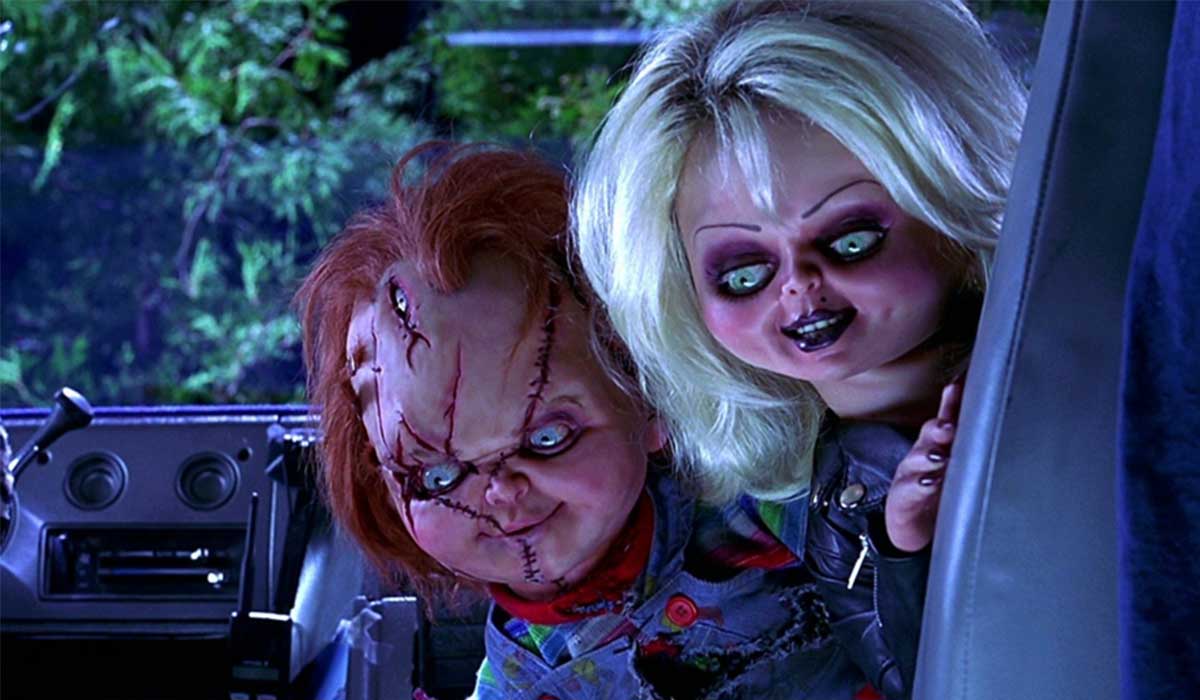
Jennifer Tilly is credited in the role, and the character is written to dominate scenes rather than simply react to Chucky's antics. Tiffany arrives with an agenda and a temperament; the film treats her as a proactive partner in crime, not just a romantic accent.
Practically, giving Tiffany a doll form involved physical effects and in‑suit performers on top of puppetry, which let the filmmakers sell the idea of her moving through the world as a small, dangerous person. The presence of a dedicated in‑suit performer for Tiffany underlines how much the production treated her as a physical character, not only a voice.
Because the story continues after this film, Tiffany's introduction matters narratively as well as tonally: she and Chucky become the franchise's new centre of gravity, the couple that the series will follow in future entries.
THE PERFORMANCE
Why Jennifer Tilly's performance matters
The basic casting fact is simple: Jennifer Tilly plays Tiffany, while Brad Dourif provides the voice of Chucky. That pairing is the film's obvious bet.
Putting those two names front and centre signals a tonal shift. The movie makes space for a flamboyant, scheming partner to Chucky rather than preserving the franchise's earlier, straighter horror rhythm.
Because Tilly and Dourif are the leads, the narrative pivots around their dynamic: Tiffany's decisions send the plot rolling; Chucky's voice and ambitions keep it violent. The casting choice shapes the movie's intentions before any scene has begun.
So when thinking about Bride of Chucky, remember that the film is arranged around those two performers. Their presence announces the film's appetite for comedy, nastiness and relationship‑based chaos.
UNDER THE SURFACE
Bride of Chucky has more on its mind than the plot suggests
On the surface it's a slasher/comedy hybrid — but beneath that the film is having a conversation with the slasher movies it grew out of. It wears its self‑referential parody proudly, making genre jokes and winks part of its machinery.
At the heart of the story is a dark romance: Chucky and Tiffany function as a partnership in crime. Their relationship routes the movie through both comic routines and genuinely ugly moral choices, which makes their coupling oddly compelling.
Possession and bodily identity loom large. The dolls' attempts to take over human bodies turn the usual horror idea — that the self can be violated — into something more slippery and occasionally farcical. It's a creepy way to talk about what it means to be 'inside' someone.
Finally, the film's road‑movie energy keeps the stakes moving. People are picked up and dropped, new witnesses complicate plans, and the constant motion helps the film juggle its jokes, kills and small, criminal domesticity. There's a camp undercurrent too, a queer resonance that colors how the pair perform gender and desire.
THE FILMMAKING
How Bride of Chucky was put together
Credit where it's due: the film's look and energy are driven in part by its cinematographer. Peter Pau is credited for the cinematography and the movie leans on slick, kinetic framing and visual flourishes that give Ronny Yu's direction a poppy momentum.
That visual confidence helps the film sit between comedy and horror. When a picture chooses to be mock‑operatic about its nastiness, the camera's movement and framing become part of the joke — and part of the tension.
The direction also treats set pieces as mini‑performances. The filmmakers stage the dolls' mischief as sequences built for pace and reaction, not slow dread, which keeps the film feeling brisk across its 89‑minute runtime.
All of this adds up to a movie that looks like it means the jokes and the violence to arrive with equal force. It's a deliberate approach: not muted menace, but stylised mayhem.
PRACTICAL EFFECTS
The effects work that gives Bride of Chucky its physical personality
The dolls in this film are physical objects, and that matters. Kevin Yagher and his team created the animatronic puppets and practical effects credited for Chucky and Tiffany, which anchors the film's mixture of menace and cheek in something tactile.
On set they used multiple physical puppets — separate animatronic heads and puppets for different faces and motions — which is why the dolls can look so expressive in close‑ups while still behaving like small, mobile threats.
For full‑body movement, the production relied on in‑suit performers. Having people inside the costume for certain shots allowed the dolls to move through environments in a way purely mechanical puppets could not, feeding the film's comic timing and physical humour.
There was also a material change here: the dolls' skins combined silicone and foam‑latex elements. That blending of materials gave the faces and bodies a different surface quality than earlier entries, and it required teams of puppeteers to synchronize facial and body work.
PURE 80S
Bride of Chucky could not belong to any other decade
This is very much a late‑1990s move. The screenplay and production responded to a changing horror market, and the film’s more comic, self‑aware tone reflects that shift away from straight scares.
The movie was released in 1998, which put it in the period when meta‑horror was fashionable; films were increasingly comfortable making jokes out of their own clichés and choreography.
Bride of Chucky slots into that conversation by deliberately parodying slasher conventions while keeping enough genre machinery to satisfy fans who wanted the kills alongside the laughs.
So yes: its attitude is of its moment. The decision to lean into winkery and camp was a response to the contemporary landscape, not an accident.
WATCHING IT NOW
What has aged — and what hasn't
Bride of Chucky wears its teen‑movie elements on its sleeve; that connection to youth culture is baked into the film’s energy. If you find teen dynamics charming or enjoy horror that centres young people, that aspect still lands.
The tonal pivot — the move toward comedy and self‑parody — also means the film ages differently from grimmer entries. Where older fans expect sustained dread, this one offers attitude and jokes, so viewers' mileage will vary depending on the mood they bring.
Narratively, the film matters because it introduces characters that continue in the franchise. That continuation changes how later audiences encounter the story: it's the origin point for the couple that follows in Seed of Chucky.
Put another way: if you watch for character mischief and genre irreverence, Bride of Chucky still has something to offer. If you were hoping for a classic return to straight horror, the film probably won't satisfy.
THE LEGACY
Why Bride of Chucky still matters
At the time of its release the film became the franchise’s biggest worldwide earner up to that point — a clear commercial sign that the tonal gamble paid off for many viewers.
More importantly for the series' afterlife, Bride of Chucky pushed the franchise toward comedy, self‑parody and a kind of queer‑coded camp; that pivot shaped later entries and the broader way Chucky would be presented in subsequent storytelling.
The film also picked up festival recognition and generated awards attention for Jennifer Tilly in genre circles. That kind of reception helped cement the picture’s reputation as a deliberate tonal turning point rather than a throwaway sequel.
So its legacy is less about reinvention for reinvention's sake and more about how it changed where the franchise could go: character‑driven nastiness married to wink and style.
THE VERDICT
Does Bride of Chucky still hold up?
If you come for a straight slasher with looming dread, this isn't the film you're picturing. The screenplay deliberately reorients the series toward Chucky and Tiffany as a volatile duo, and that choice trades raw scares for attitude and satire.
On the other hand, if you enjoy horror that wants to bite its own tail and laugh about it, Bride of Chucky largely succeeds. The Heart of Damballa quest and the repeated possession attempts give the movie a tidy, spiteful logic: small, ugly goals pursued with disproportionate enthusiasm.
The casting calls the bluff and keeps the picture moving — Jennifer Tilly's Tiffany and Brad Dourif's Chucky are the axis the story spins around — and that clarity of focus is why the film still plays for many viewers.
So should you watch it now? Yes, if you can enjoy a horror film that's as interested in partnership and parody as it is in murders. It may not be the scariest thing you'll ever see, but it remains a sharp, shameless piece of franchise reinvention — and Tiffany makes it sing the whole way through.
Share this movie
// Keep watching
More movies from the 90s
If Bride of Chucky is your kind of movie, there's plenty more on the shelves worth rewinding.
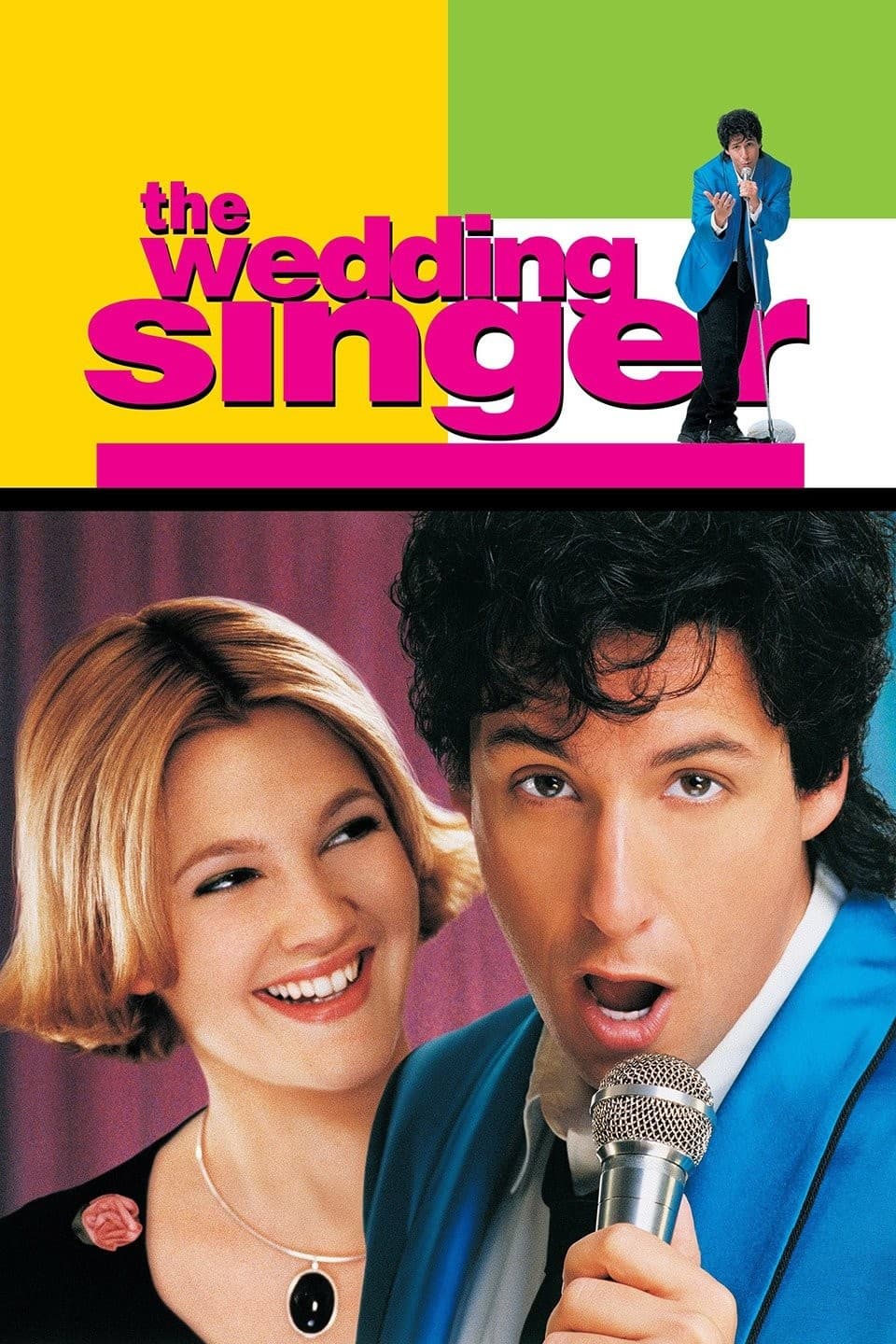
1998 // VHS
The Wedding Singer
A love story wrapped in 1980s pop — and carried by one very earnest wedding crooner.
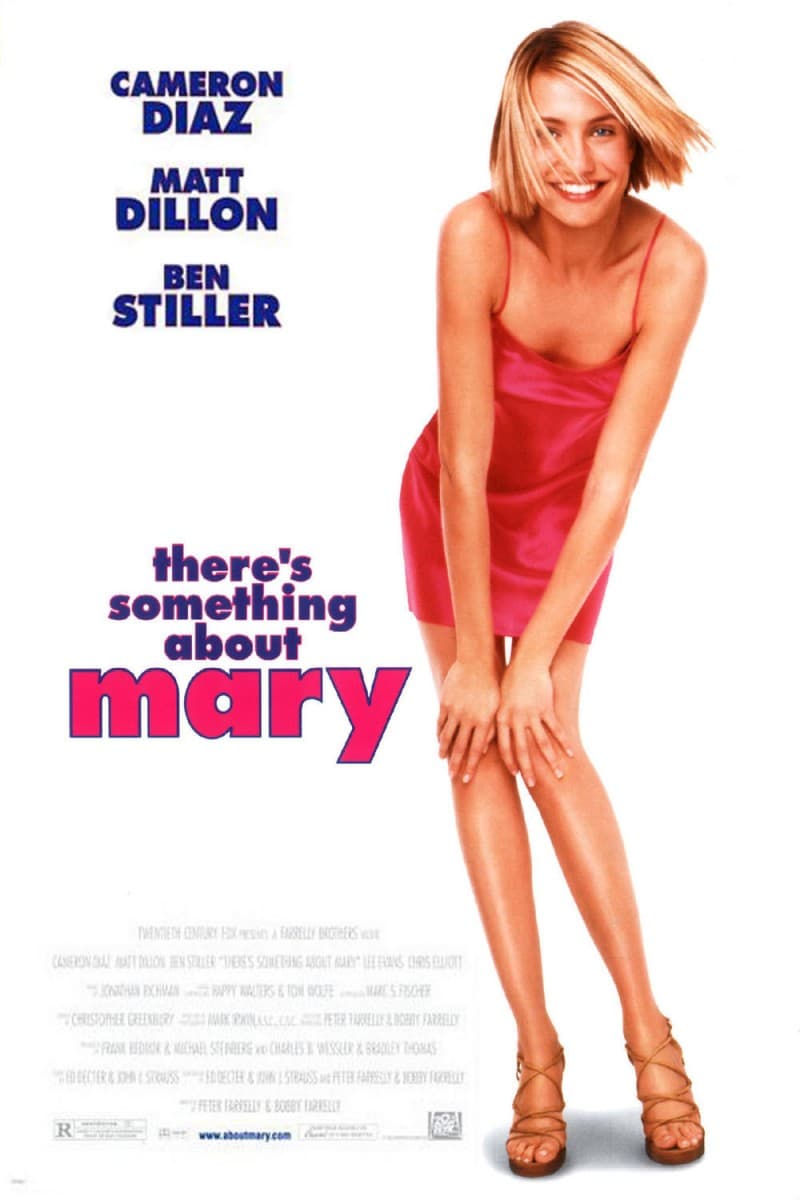
1998 // VHS
There's Something About Mary
Romantic obsession, awkward masculinity and a hair‑gel gag you can't unsee.
1999 // VHS
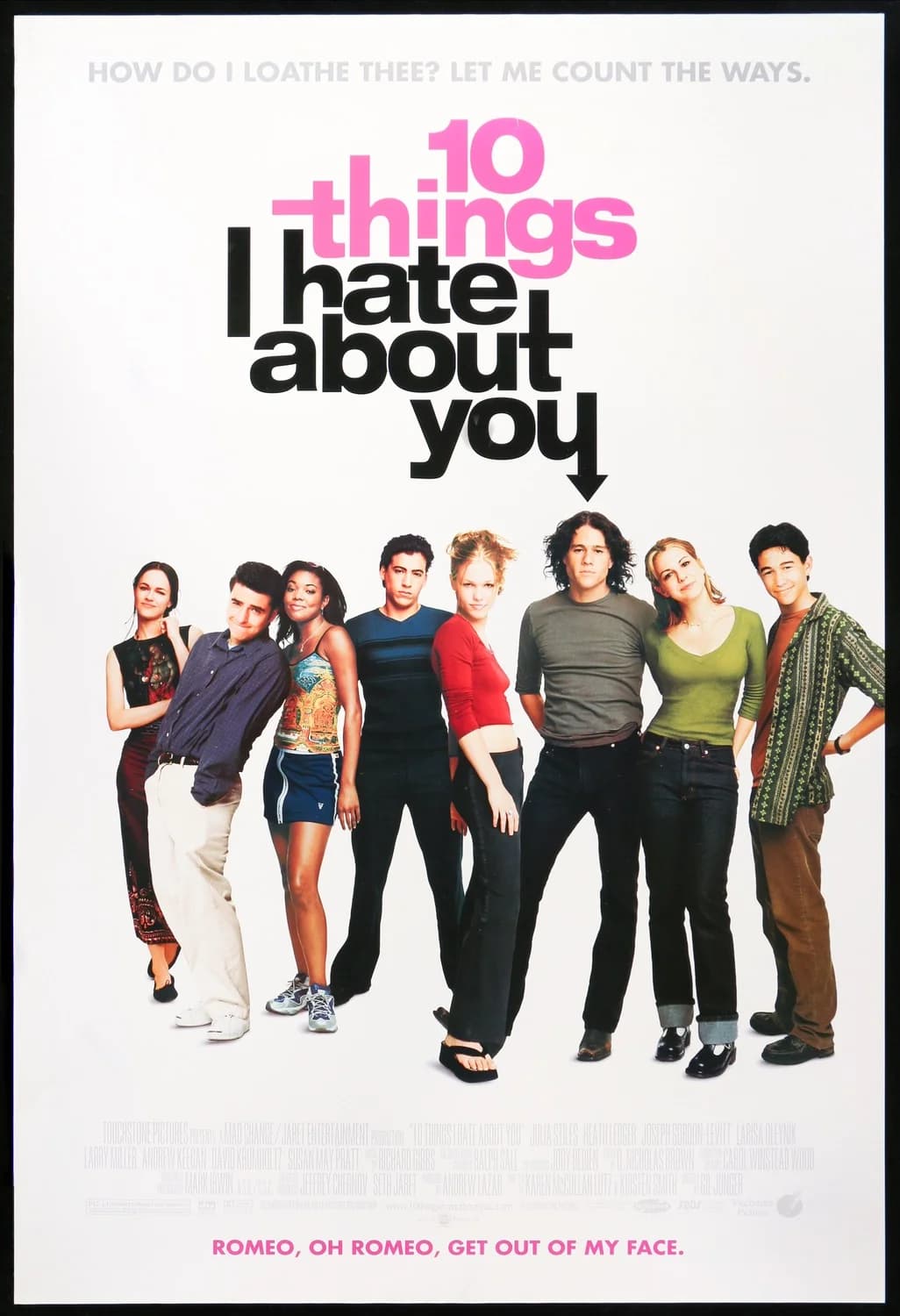
10 Things I Hate About You
Sibling rules, a rooftop serenade and one very stubborn Kat — Shakespeare in a school corridor.