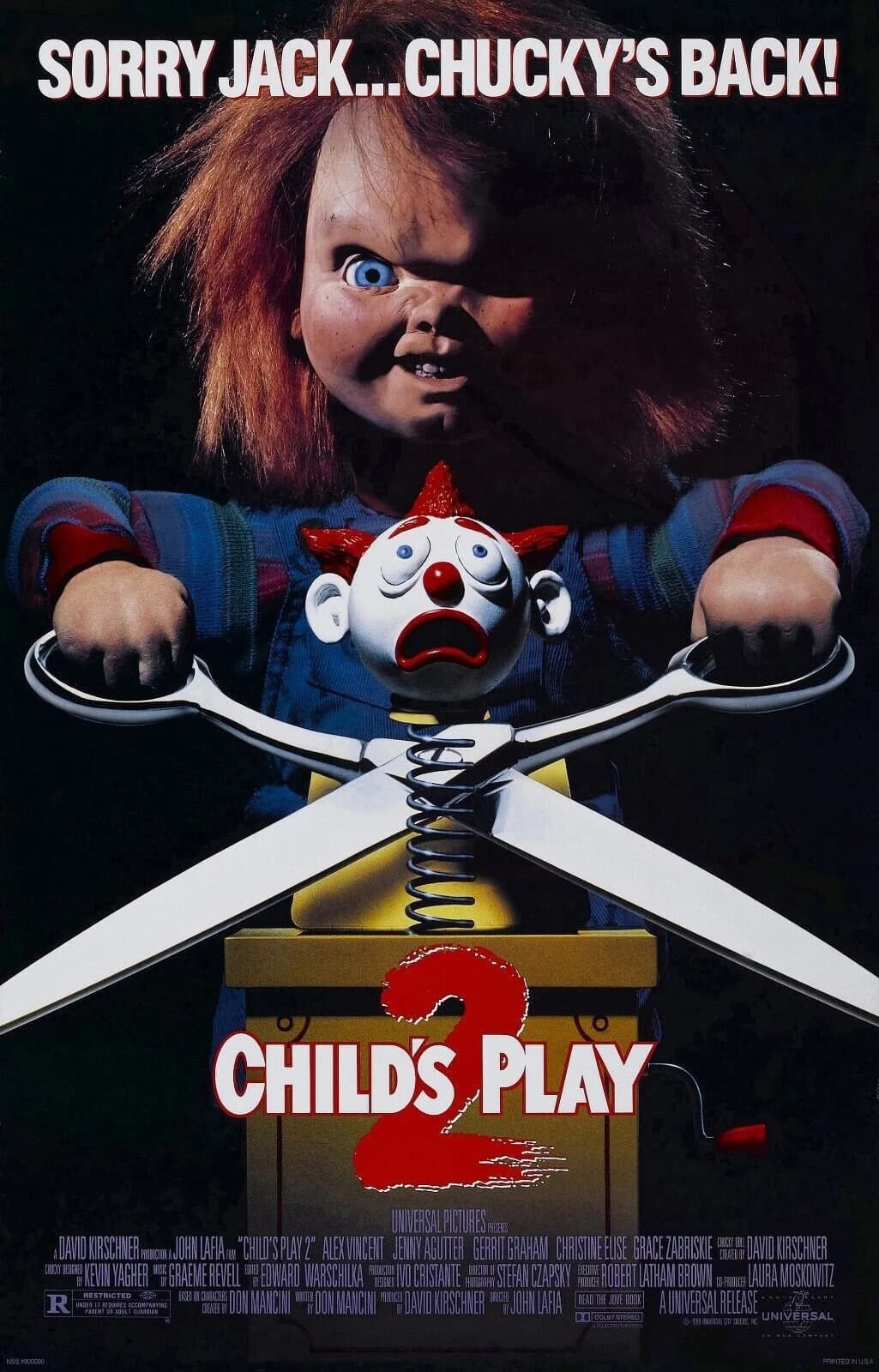
Child's Play 2
A repaired Good Guy, a frightened boy and a very bad warranty.
// The setup
PLAYBACK STARTED
Child's Play 2 hurries straight back to what mattered in the first film: Andy Barclay, who still can't make the adults in his life listen. John Lafia's sequel trades subtlety for a faster pulse and bigger shocks, but it never forgets that the movie's engine is a kid trying to survive. Watch it for the puppet spectacle, stay for Andy — he's the reason the whole thing holds together.
THE MOVIE
Andy Barclay is still the reason this movie works
Child's Play 2 doesn't reopen the franchise with a clever twist so much as it rewinds and accelerates: two years after the first film, Andy Barclay is shuffled into a foster home and the trouble he's been through hasn't exactly vanished.
Play Pals, the toy company, rebuild the damaged Good Guy doll — and with that mechanical goodwill Chucky is back, immediately resuming the grim business of trying to get Charles Lee Ray's soul into Andy's body.
John Lafia directs an 84-minute R-rated follow-up from 1990 that leans into set-piece violence and spectacle, but it keeps returning to the same, simple pressure point: a traumatized child who keeps telling the truth and keeps being ignored.
THE SETUP
The idea that sets Child's Play 2 in motion
At its most economical, the film answers one question: what happens when the killer doll you thought was destroyed comes back with a manufacturer’s seal of approval? Two years on from the original, Andy's mother has been institutionalized and he's placed with a new foster family — the perfect new stage for Chucky's return.
The central conflict is tidy and urgent: Chucky wants Andy so the killer can possess a living body; Andy and his foster-family allies must survive long enough to prove the doll's threat. Everything else exists to build pressure on that duel.
There are a couple of reliable mechanics to keep the tension moving — the corporate reconstruction of the Good Guy doll, the established voodoo soul-transfer idea from the first film, and the foster household becoming the primary arena for Chucky’s attacks.
Where the sequel differs from the original is in scope: it reuses the fearful premise of a child not being believed by adults, but it turns up the spectacle and the set-piece violence to match the franchise's appetite for escalation.
THE CHARACTER
Why Andy Barclay matters
Andy is not a symbolic stand-in or a convenient MacGuffin; he's the film's survival manual. Everything in Child's Play 2 happens around him because he's the one who keeps refusing to be silenced.
Alex Vincent returns in the role, and the film asks us to watch what a traumatized child does under pressure: keep pushing for help, find allies where you can, and do whatever it takes to stay alive.
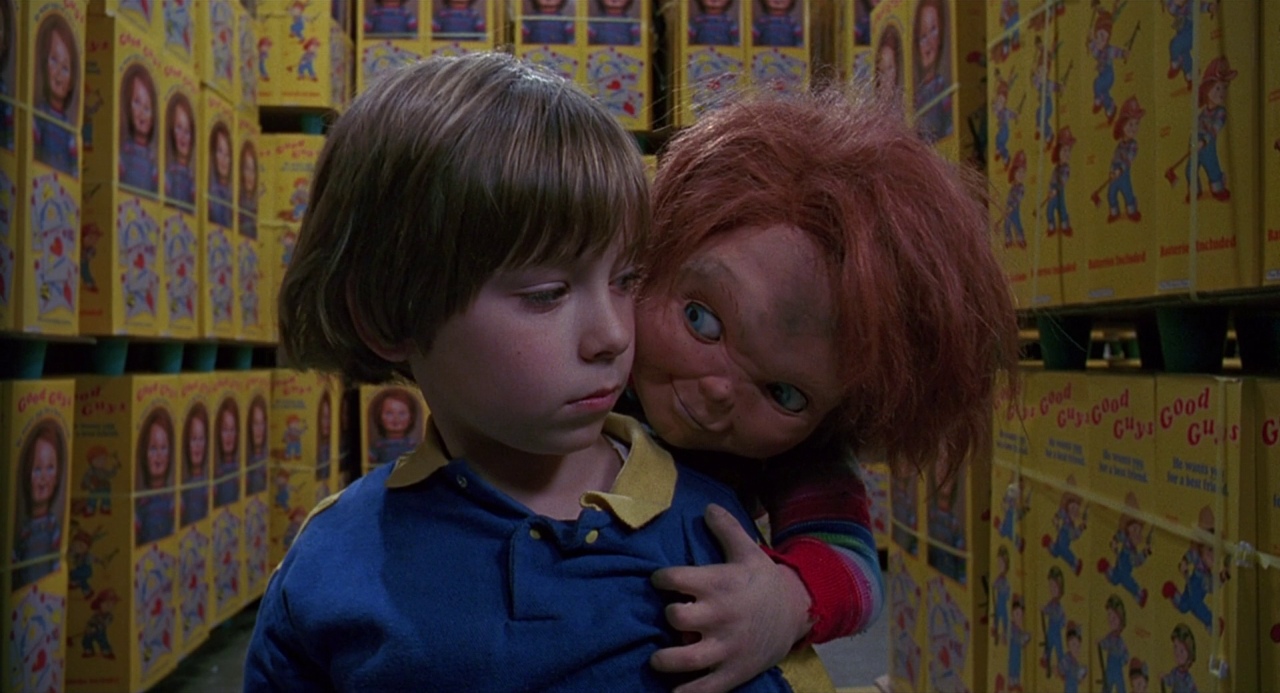
That’s why Kyle — the protective foster-sister figure — is so important. She’s not a plot device; she’s an ally who directly confronts Chucky and gives Andy the kind of backing the adults mostly refuse to provide.
As a sequel that specifically continues Andy's story from the first film, Child's Play 2 makes the boy the emotional anchor even as the set pieces get larger around him.
THE PERFORMANCE
Why Alex Vincent's performance matters
Contemporary reviewers singled Alex Vincent out as more than a cute child caught in a horror plot; they described him as a resilient, tenacious lead whose presence holds the film together.
Vincent reprised the role he’d created in the original, and that continuity matters: the audience carries the memory of what Andy has already been through, so the sequel's scares have a private, cumulative weight.
In a movie that ups the spectacle, having the same child at the centre keeps it from tipping into pure showmanship. The film keeps circling back to Andy's struggle to be heard, and the reviews of the time treated that centre as the production's anchor.
So, while the credit roll will celebrate the dolls and the effects, it's Vincent's steady return to the role that gives the plot its personal stakes.
UNDER THE SURFACE
Child's Play 2 has more on its mind than the plot suggests
On the surface it's a slasher sequel about a murderous doll. Underneath, the movie keeps returning to the same, uncomfortable worry: what happens when grown-ups refuse to believe a child's truth?
Toys and corporate consumer culture are turned on their heads here; the comforting idea of a manufactured Good Guy becomes a vehicle for violence, which makes the movie a small allegory about trust and packaging.
There’s also the possession thread — Chucky's attempt to reclaim a human body — which doubles as an identity problem. The doll is both puppet and persona, and that blur is central to the film's creepiness.
Finally, at its heart this is a story about childhood trauma and survival: Andy isn't an obstacle to the plot, he's the thing the plot exists to test and, in the process, to expose how vulnerable children can be when adults avert their eyes.
THE FILMMAKING
How Child's Play 2 was put together
The film is a compact studio-produced sequel: Living Doll Productions handled the job while Universal released it in North America, and the production credits list Ivo Cristante as production designer.
That production setup helps explain the movie's shape. It's made to be efficient, a punchy continuation that spends most of its running time running the central conflict at full tilt rather than lingering on art-house flourishes.
PRACTICAL EFFECTS
The effects work that gives Child's Play 2 its physical personality
The movie's physical personality is very much a puppet show. Production notes and contemporary coverage record the use of three distinct Chucky devices: a full-body cable-controlled puppet, a remote-controlled servo-motor puppet for upper-body shots, and a facial close-up puppet for speech.
Some of those shots demanded literal teamwork: certain standing full-body takes needed multiple puppeteers working in synchrony — documentation records as many as nine puppeteers on some setups.
There’s also a clever, workaday technical choice for talking faces: Chucky's mouth and facial movement was filmed at 18 frames per second rather than the usual 24, giving the effects team extra time to match mechanical movement to dialogue.
All of that keeps the doll tactile — it's a physical thing on set, not just a layer of post-production trickery, and the different puppets let the film treat Chucky as both menace and prop depending on what a scene needs.
PURE 80S
Child's Play 2 could not belong to any other decade
Though released in 1990, the film sits squarely in a moment when studios were happy to keep returning to proven horror properties — a late-1980s/early-1990s pattern of sequels made to satisfy audiences who wanted more of the same and studios who wanted reliable returns.
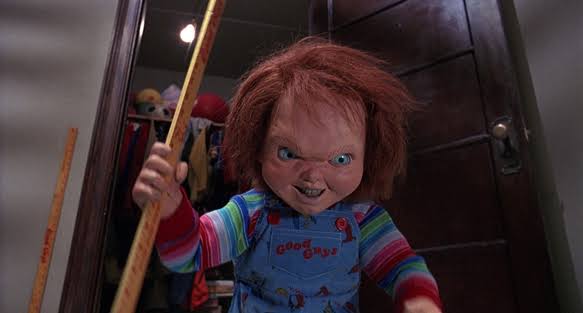
Child's Play 2 feels like a direct product of that approach: it takes the original's premise and winds it up, giving viewers more spectacle while preserving the elements that worked — chiefly, Andy's continuing ordeal.
WATCHING IT NOW
What has aged — and what hasn't
As the second mainline entry, Child's Play 2 keeps the franchise threads taut: the film picks up directly from the first and keeps Andy's trauma at its centre, which gives it a continuity modern viewers can appreciate.
Where the movie shows its age is mostly in the unapologetic way it turns up the spectacle; that side of the film marks it as a sequel-first production, but whether that feels dated depends on what you came for — more frights or deeper novelty.
The continued home-media interest — including a 4K Ultra HD restoration and collector release in 2022 with a new 4K scan and audio — suggests there’s still an audience who wants to revisit this particular chapter of the franchise.
If you approach it as a tight, survival-driven slasher that happens to be about a haunted toy, it still delivers. If you expect reinvention, you’ll probably look elsewhere.
THE LEGACY
Why Child's Play 2 still matters
Part of the film's afterlife is straightforward: it directly continues the story of Andy and Chucky, and because it opened at number one domestically its box-office performance encouraged producers to greenlight a quick follow-up.
That greenlight is not the same thing as cultural canon, but it does explain how Child's Play went from a single film into a running series — this entry helped turn Chucky into a recurring presence.
The franchise's ongoing home-video releases and the 4K collector editions show there’s sustained commercial and collector interest in this chapter specifically, not just as a footnote to the original.
Later expansions of the property — theatrical sequels and a television series developed with original creators involved — all trace a line back to the way this film solidified the format of the franchise.
THE VERDICT
Does Child's Play 2 still hold up?
If you arrive wanting reinvention, Child's Play 2 will feel like a careful, well-made reheat: it rebuilds the Good Guy doll, brings Chucky straight back to the central business of possession, and stages bigger set pieces than the original.
If you care about story stakes, though, it’s still about Andy — a traumatized child shoved into a foster home and forced to convince the adults around him that something supernatural is hunting him. That tension remains sharp because the film keeps returning to his attempts to survive and to be believed.
The movie benefits from a compact runtime and a clear focus: Chucky wants Andy, Andy and his allies (notably Kyle and the Simpson foster household) want to stop him, and the toy-factory/corporate reconstruction mechanic gives the premise a clean, logical spine.
So yes: it holds up as a sequel built for the simple purpose of delivering louder scares around a small, sympathetic centre. Watch it for the Chucky spectacle, but stay because Andy still matters.
Share this movie
// Keep watching
More movies from the 90s
If Child's Play 2 is your kind of movie, there's plenty more on the shelves worth rewinding.
1990 // VHS
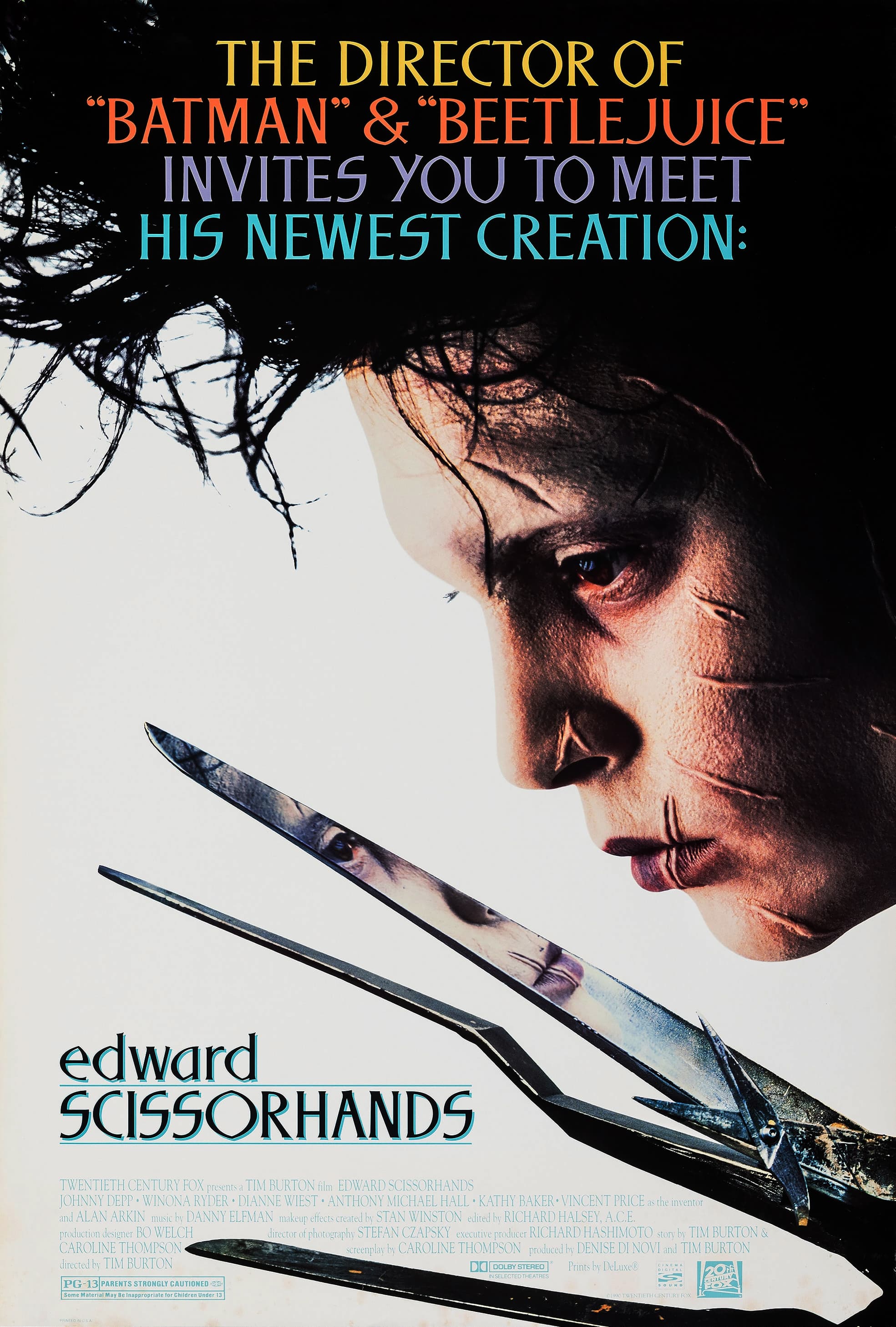
Edward Scissorhands
A fairy tale about a man who can’t quite touch the world — and the neighbourhood that can’t quite handle him.
1990 // VHS
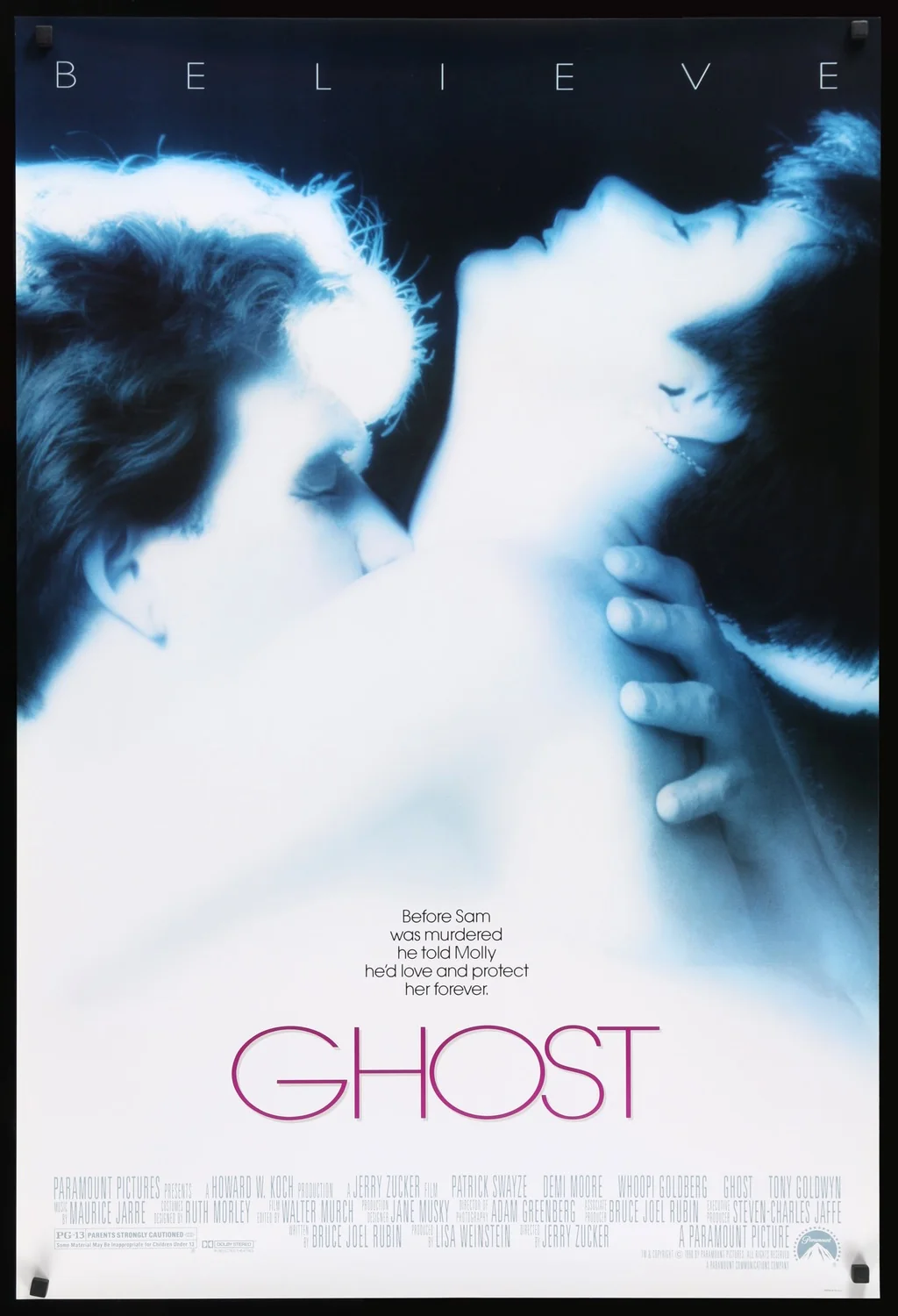
Ghost
A murder mystery disguised as a love story — with a man who won’t stop watching over the person he loves.
1990 // VHS
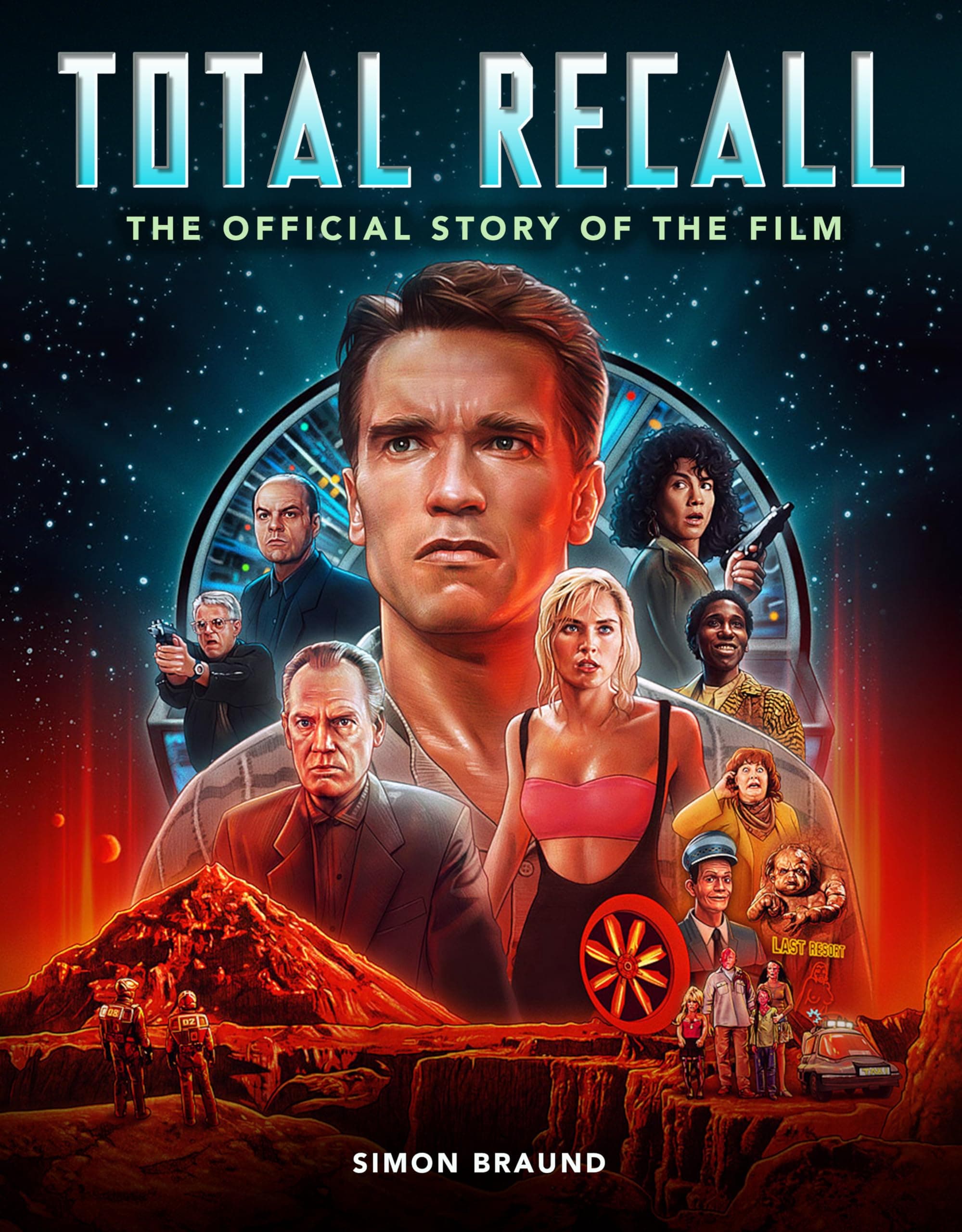
Total Recall
Memory, muscle and a very faulty holiday package — with Mars on the itinerary.