
Total Recall
Memory, muscle and a very faulty holiday package — with Mars on the itinerary.
// The setup
PLAYBACK STARTED
Total Recall is the kind of 1990 movie that keeps turning up in conversations: because it’s loud, because it’s funny in a certain feral way, and because it asks a question you can’t stop answering for it — who, exactly, is Douglas Quaid? Paul Verhoeven took a Philip K. Dick idea and gave it the full studio treatment: spectacle, politics and the occasional grotesque laugh. Revisit it and you realise it’s less about mind-bending twists and more about a man trying to find a life that might not be his.
THE MOVIE
Douglas Quaid / Hauser is still the reason this movie works
There’s a simple hook at Total Recall’s heart: Douglas Quaid is a construction worker who keeps dreaming about Mars, so he goes to Rekall to buy a holiday he never lived. That pitch sounds like a cheeky sci‑fi carnival ticket, until the memory implant goes wrong and Quaid’s life starts to rearrange itself.
The trouble is, the Rekall session doesn’t just sell a fantasy. It flips a switch — violent reactions, buried memories surfacing — and a bloke who wanted a bit of excitement is suddenly tugged into a full‑scale identity crisis. The plot uses that shock as a way to ask whether our memories are what make us, or whether someone else can build you up from parts.
You can credit Paul Verhoeven for turning that question into a big, noisy movie. With Arnold Schwarzenegger in the centre as Douglas Quaid / Hauser, Verhoeven dresses the idea with action, dystopia and a taste for the grotesque, so the philosophical bits arrive with a punch.
THE SETUP
The idea that sets Total Recall in motion
At its most economical, Total Recall is about a single apparatus: Rekall, the company that plants memories. Quaid goes in for an implant because his Mars dreams won’t stop. That personal wish — for meaning, for adventure — is the small gear that turns the larger machine.
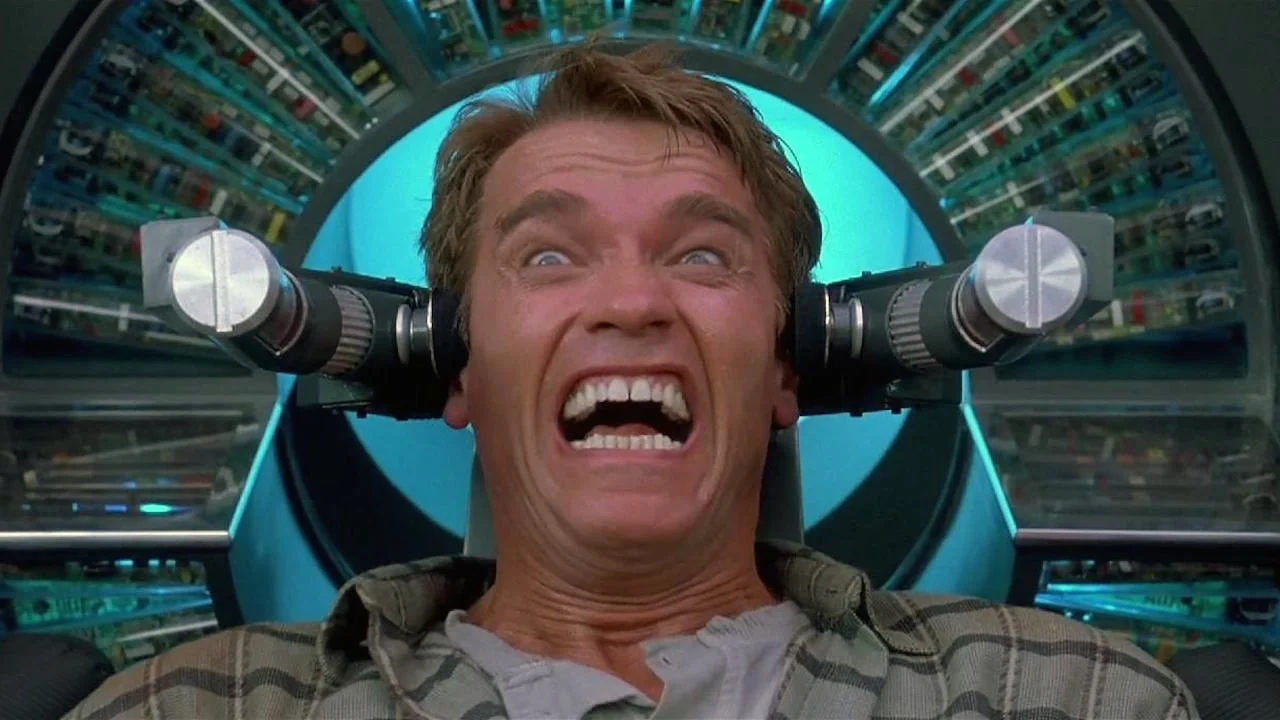
When the procedure misfires it does two jobs at once. It forces Quaid to reckon with the possibility that his past has been erased, and it pulls him into a bigger fight between Cohaagen’s Martian administration and an underground resistance. The private mystery becomes public trouble.
The screenplay expands Philip K. Dick’s short story into a full‑blown action thriller by adding corporate control, Martian mining and a militarised colony. Those additions turn the memory plot into a political one — your lost past is also a lever for someone else’s power.
Mechanically, the film keeps nudging you: are these scenes really happening, or are they part of an implanted scenario? It deliberately blurs the line by using pre‑recorded messages and the memory‑implant device as recurring story tricks.
THE CHARACTER
Why Douglas Quaid / Hauser matters
Quaid matters because he’s an obvious, enjoyable contrast: a plain construction worker who might — just might — be a far more dangerous man underneath. The film keeps spinning that possibility like a carnival wheel, asking us to wager on who he actually is.
His personal longing for something beyond the daily grind makes him easy to root for. It’s not profundity so much as recognisable restlessness: he wants meaning, and the movie gives him a mystery that supplies it, whether genuinely found or implanted.
Quaid’s relationships do the rest of the heavy lifting. Lori, presented as his wife, is later revealed as someone arranged to keep him in a role; that betrayal forces the question of loyalty versus programming. The human ties around him turn the identity puzzle into something with teeth.
THE PERFORMANCE
Why Arnold Schwarzenegger's performance matters
Contemporary critics flagged Arnold Schwarzenegger’s screen presence as a steadying element in a film that otherwise delights in disorientation. His physical certainty gives the movie a centre to orbit.
That presence matters because Total Recall constantly asks us to doubt what’s real. Having someone plainly in control of the simplest things — moving through the scene, occupying space — helps the audience keep up with the plot’s trickery.
Put another way: when reality wobbles, it’s useful to have somebody who feels like an anchor, even if the film keeps suggesting he might be one of the things being anchored.
UNDER THE SURFACE
Total Recall has more on its mind than the plot suggests
On the surface it’s an action movie with a memory gimmick. Below that, Total Recall keeps returning to who controls truth. The film sets private recollection against organised power — corporate and political forces that would erase, rewrite or commodify experience.
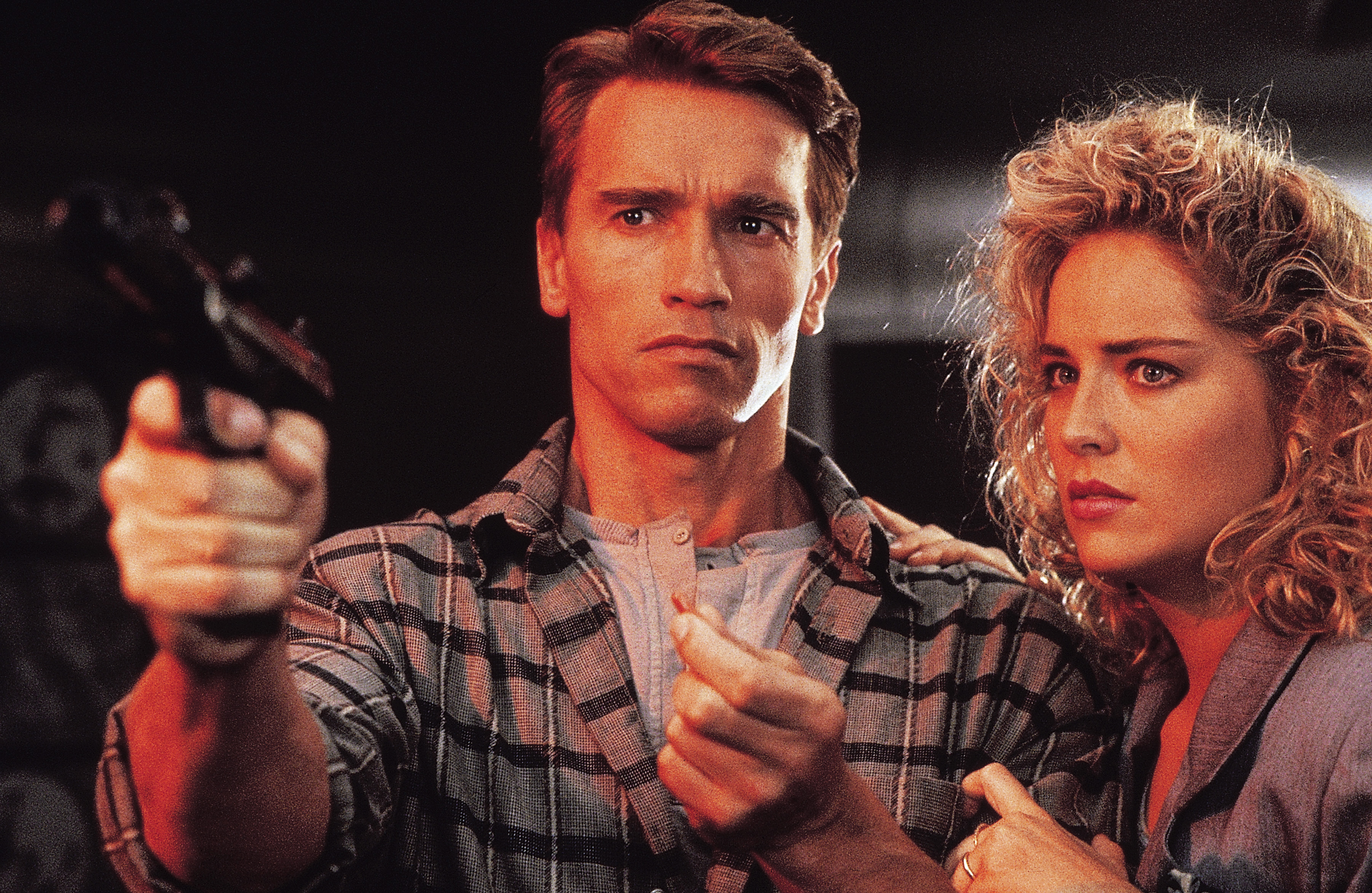
It’s also about reality versus simulation. By folding implanted memories into the narrative, the movie encourages a deliciously paranoid question: if you can’t trust your own memories, what are you left with? Quaid’s quest becomes a search for a self that isn’t a product.
Resistance and liberation are the political echo to those personal anxieties. The Martian rebels and the figure who sparks collective action make the stakes more than private; they turn Quaid’s search into a lever for other people’s freedom.
Finally, there’s the body. Total Recall treats physical form as contested terrain — a place where identities are imposed and resisted — which makes the violence and prosthetic spectacle less gratuitous and more part of the argument.
THE FILMMAKING
How Total Recall was put together
Paul Verhoeven’s directorial approach matters because he mixes broad set‑pieces with satirical, sometimes grotesque touches. That pairing makes spectacle carry opinion; the film rarely lets a big moment be only big for its own sake.
On a practical level, the movie leans on dense, highly detailed production design to sell both Earth and Mars as lived places. Jost Vacano’s work behind the camera and William Sandell’s production design create a physical world that the audience can get lost in — which helps when the story itself is trying to unsettle your grip on reality.
Verhoeven’s taste for the pointed detail — the slightly comic, often abrasive worldbuilding — keeps the film energetic. The environment rarely reads as background; it’s part of the film’s voice.
PRACTICAL EFFECTS
The effects work that gives Total Recall its physical personality
Total Recall leaned hard on practical methods rather than relying on CGI. Rob Bottin led the character and prosthetic work, so the movie’s oddities feel tactile rather than pixellated.
Kuato’s on‑screen presence came from lifecasts, suit work and animatronics, with multiple puppeteers bringing the character to life — an old‑school solution for a character that needed to feel physically there.
The production’s animatronic creations extend beyond Kuato: the automated taxi and the film’s more outrageous prosthetic figures were all built rather than generated, which gives the world a particular physical texture.
All of this contributed to the film’s visual reputation: miniatures, practical character effects and compositing work were significant enough to earn special recognition for the effects team.
PURE 80S
Total Recall could not belong to any other decade
Although it premiered in 1990, Total Recall sits squarely in a particular moment where studio science fiction wanted both spectacle and a political bite. It’s part of that early‑1990s wave of dystopian, cyberpunk‑tinged films that mixed blockbuster scale with darker ideas.
That blend — big money, big sets, and a willingness to make politically pointed, occasionally grotesque choices — is what gives the movie a specific late‑20th‑century personality. It’s a Hollywood film comfortable being loud and a touch uncomfortable about what the future might hold.
WATCHING IT NOW
What has aged — and what hasn't
If you revisit the film today, one thing is clear: the practical effects and the production design still have bite. Restored releases and anniversary packages routinely point out that the physical craftsmanship — sets, prosthetics, miniatures — gives the film details that reward a second look.
Rob Bottin’s effects remain central to that pleasure. Because many creatures and prosthetics were built and puppeteered rather than rendered, they retain an immediate physicality that still reads on modern screens.
That doesn’t mean everything will feel timeless; tastes have shifted. But much of the film’s visual personality survives because it was made with real objects and real people moving inside them.
THE LEGACY
Why Total Recall still matters
Part of Total Recall’s afterlife is technical: the visual‑effects work earned a Special Achievement recognition from the Academy, which underlines how much of the movie’s identity comes from what was built for the screen.
That practical pedigree has kept the film in circulation. It has spawned later media interest — remakes, adaptations and anniversary restorations — and continues to surface in curated retrospectives of late‑20th‑century science fiction.
The other half of its legacy is conceptual: the memory‑implant premise and its political twist keep the movie relevant to any conversation about who controls truth, and what counts as real in an age of manufactured experience.
THE VERDICT
Does Total Recall still hold up?
Yes — if you come for the questions and the physical filmmaking. The film’s central conceit is simple and stubborn: Quaid’s Rekall visit triggers revelations that his memories may have been erased, and that mystery is stitched to a larger Martian struggle between Cohaagen and the resistance. That combination keeps the stakes both personal and political.
It helps that the movie doesn’t pretend to be a clinical puzzle. It uses the memory‑implant device and pre‑recorded messages to blur things on purpose, and that deliberate wobble is part of the entertainment. Arnold Schwarzenegger as Quaid provides a steady presence through the confusion, while Melina operates as both the romantic figure from his dreams and an active resistance member who pushes the plot forward. Lori’s role as an arranged antagonist gives the betrayal a concrete face.
Paul Verhoeven’s direction ties the questions to spectacle, and the production invests in physical effects and dense production design to make the world feel substantial. The result is a 113‑minute blast that balances thought and muscle without pretending to be either exclusively.
So should you watch it? If you want a science fiction film that still rewards attentive viewing — one where memory, identity and corporate control are argued with bullets, prosthetics and a great deal of swagger — then yes. Total Recall still works because it refuses to choose between idea and showmanship; it wants you to have both.
Share this movie
// Keep watching
More movies from the 90s
If Total Recall is your kind of movie, there's plenty more on the shelves worth rewinding.
1990 // VHS
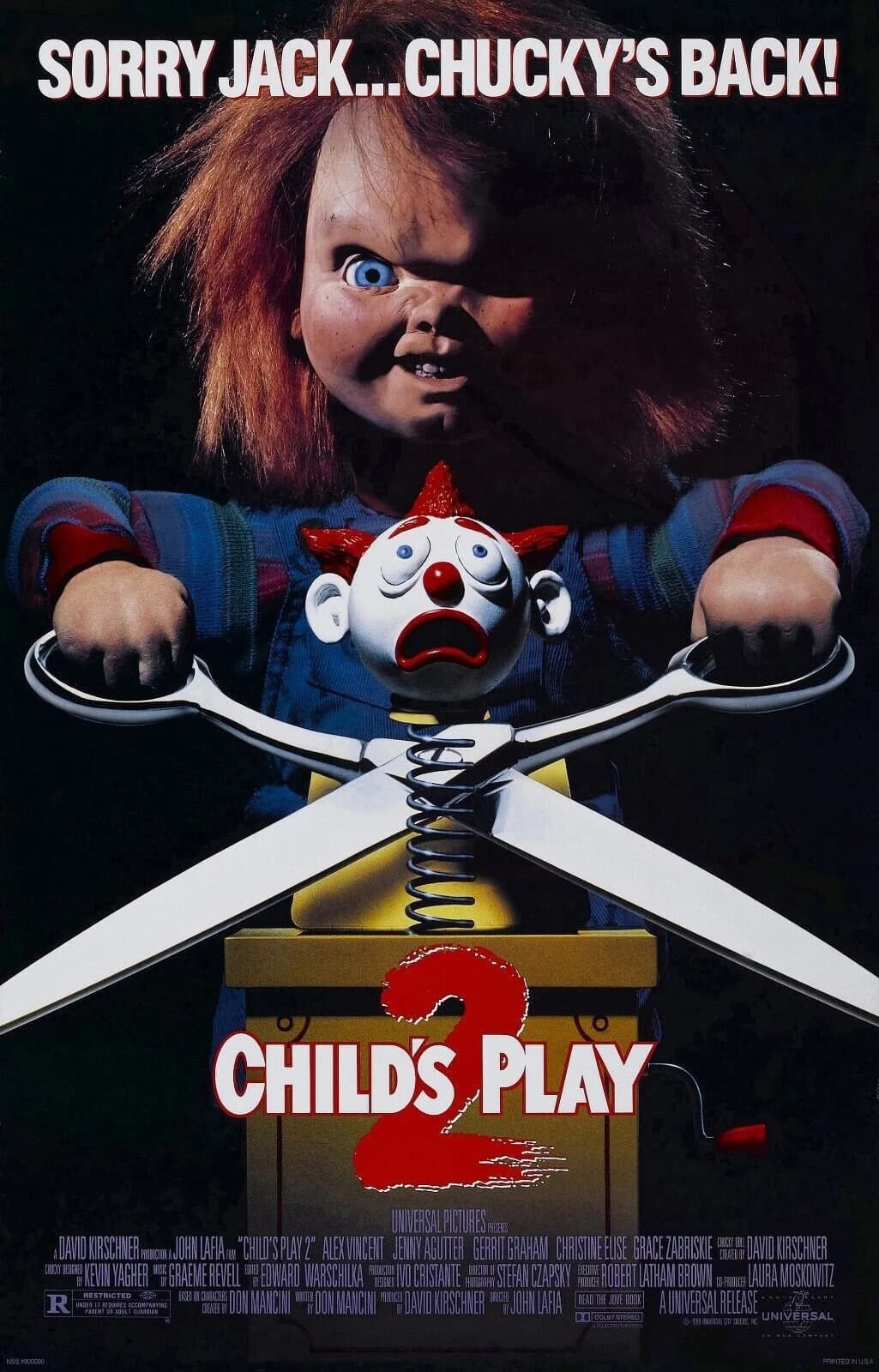
Child's Play 2
A repaired Good Guy, a frightened boy and a very bad warranty.
1990 // VHS
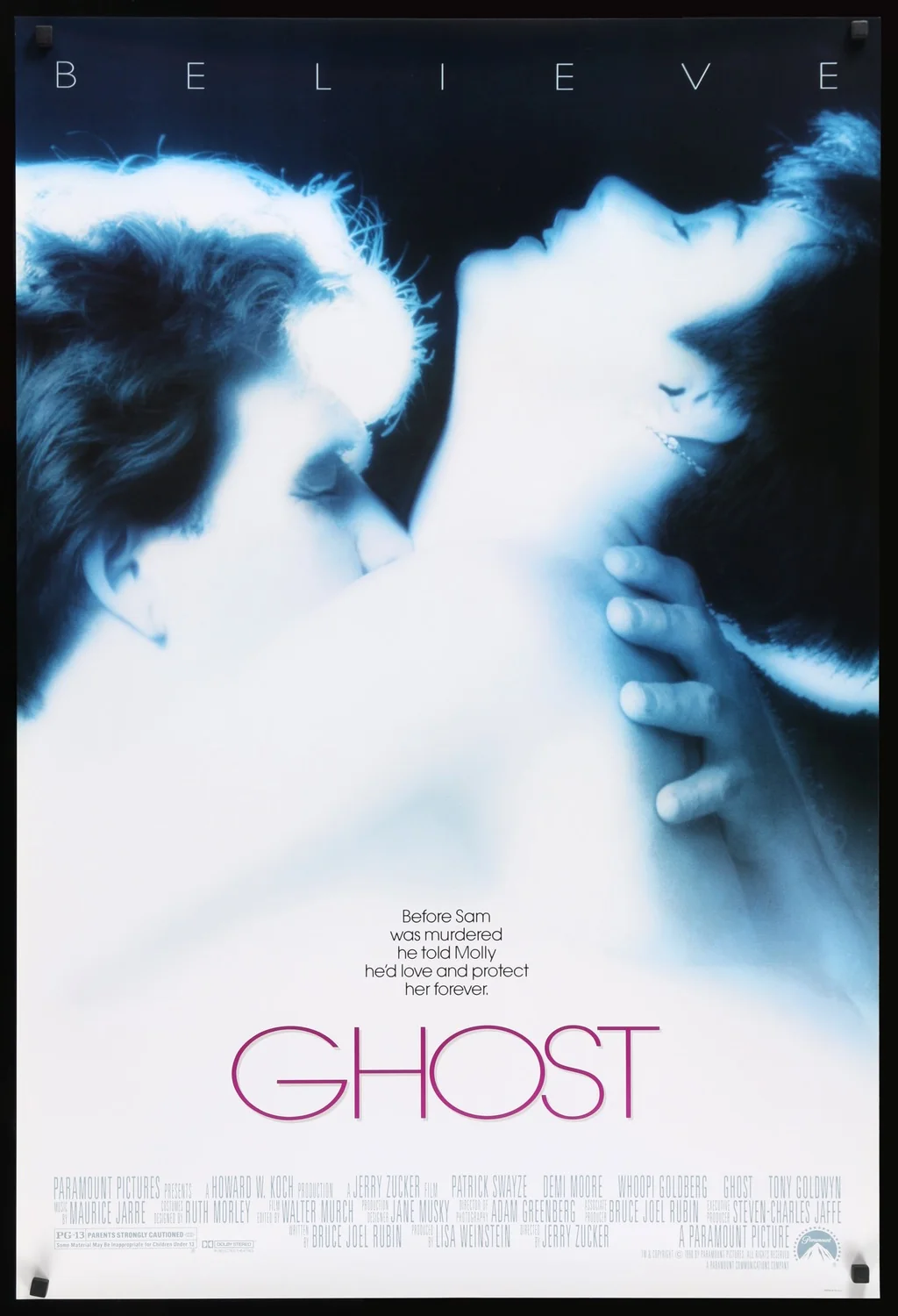
Ghost
A murder mystery disguised as a love story — with a man who won’t stop watching over the person he loves.
1990 // VHS
Goodfellas
Goodfellas: family and greed, and why this 1990 movie still matters.