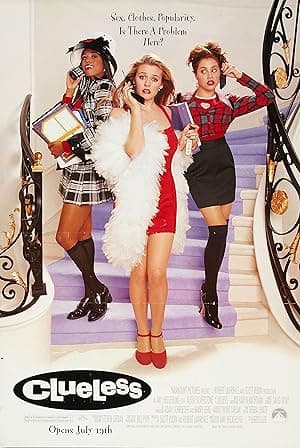
Clueless
Matchmaking, mall culture and a girl who thinks she has life nailed—until she doesn't.
// The setup
PLAYBACK STARTED
Clueless remains the film people bring up when they want a teen movie that’s funny, frivolous and quietly clever. Amy Heckerling took Jane Austen’s Emma, dropped it into a Beverly Hills high school and let Cher Horowitz do what she does best: organise other people's lives until her own starts to wobble. If you haven’t seen it since the 90s, it’s worth a fresh look—mostly to spend time with Cher.
THE MOVIE
Cher Horowitz is still the reason this movie works
What keeps Clueless alive in conversation is very simple: it centres on a girl who’s brilliant at running other people’s social lives and very puzzled when life doesn’t play by her script.
Cher Horowitz spends her school days steering popularity, doling out advice and, crucially, taking a new student under her wing—Tai’s makeover and mentorship is the device that sets everything moving.
Amy Heckerling didn’t hide that she was adapting Emma; she rewired that matchmaking, schooling-and-maturation plot into a 1990s teen comedy with a smart lead at its heart.
THE SETUP
The idea that sets Clueless in motion
At its most basic, Clueless is a simple, tidy premise: Cher Horowitz is comfortable in the top layer of her social world and spends her time arranging other people's romances and reputations.
That pleasant hubris meets friction when Cher decides to mentor Tai, the new girl; the makeover is less about clothes than about how social currency is earned and spent in their circle.
Everything that follows—misread motives, awkward romances and small moral lessons—traces back to that act of matchmaking and the tutor-pupil relationship it creates.
Because the screenplay maps itself to Emma’s structure, the stakes never get melodramatic; instead the story channels classical matchmaking beats into the smaller, sharper problems of teenage life.
THE CHARACTER
Why Cher Horowitz matters
Cher matters because she is the engine. She’s confident, socially fluent and sincerely convinced that being helpful and popular are the same thing.
That combination makes her fun to watch and, crucially, not flat: her well-meaning meddling creates the plot’s collisions and forces the small moral reckonings the film enjoys.
Her friendships anchor her—Dionne is the reliable co-conspirator who keeps the gossip and fashion commentary moving—while Tai’s arrival is the mirror Cher needs to see what she’s missing.
And the presence of Josh as a stepbrother figure gives Cher an outside voice: someone who nudges her from directing other people to interrogating her own motives.
THE PERFORMANCE
Why Alicia Silverstone's performance matters
Alicia Silverstone’s turn as Cher had an immediate impact on how the film was received: it earned her a National Board of Review Breakthrough Performance award in 1995.
That recognition is repeatedly mentioned in coverage of the film as marking a clear moment when Silverstone moved from newcomer to the face most audiences associate with Cher.
The award underlines that Cher was, for many viewers, a breakout screen character rather than a throwaway teen lead.
Which matters: the movie asks you to live in Cher’s perspective, and the attention the role received shows that the choice paid off for the film’s profile.
UNDER THE SURFACE
Clueless has more on its mind than the plot suggests
On the surface it’s a teen comedy about dates and makeovers; under that, the film is quietly occupied with consumerism and how 1990s youth culture organises identity around brands and social rituals.
Female friendship is not background noise here—it’s the way Cher processes events, tests ideas and learns the limits of her own judgement.
The coming-of-age through which the story travels is gentle: Cher’s growth is less a thunderbolt of revelation and more a sequence of small embarrassments that force self-awareness.
Because the plot borrows Emma’s matchmaking template, those themes of education and social responsibility sit naturally inside the comedy rather than being tacked on.
THE FILMMAKING
How Clueless was put together
There’s a deliberate brightness to the film’s look: Bill Pope is credited as director of photography, and the visual approach suits a mid-90s teen comedy that wants everything to feel immediate and clickable.
Amy Heckerling’s direction keeps the action compact—the story doesn’t linger on any single set-piece, which helps the film maintain its comic rhythm across a brisk 97 minutes.
That compactness is the point: Clueless trades epic angst for quick, precise scenes that reveal character by way of decisions rather than long speeches.
So the filmmaking choices—clarity of camera, forward pacing and a lively visual energy—are all about keeping the audience plugged into Cher’s social orbit.
PURE 80S
Clueless could not belong to any other decade
Clueless arrived in July 1995 and sits comfortably in the 90s teen-film conversation because it captures how young people of that moment organised themselves around malls, brands and a characteristic patter of speech.
Its language and consumer-conscious world helped popularise a particular mall-and-brand-inflected teen aesthetic that many later pieces of media echoed.
Amy Heckerling’s ongoing interest in American teen life—she directed Fast Times at Ridgemont High earlier—means Clueless carries forward a director-level engagement with adolescents across decades.
And the costumes, credited to Mona May, are part of that cultural picture; they helped make the film feel of its moment and fed how the movie was discussed in later fashion coverage.
WATCHING IT NOW
What has aged — and what hasn't
Film historians and critics often describe Clueless as a time capsule of mid-90s teen culture, but they also point out it keeps a readable dramatic spine because the screenplay borrows Emma’s plotting.
That structural clarity is why the film’s jokes and situations still register: beneath the slang and the fashions there’s a tidy matchmaking engine that drives consequence and learning.
Its status as a cultural snapshot means some surface details will feel dated, but the underlying story—about influence, mistakes and a gradual move toward self-awareness—remains clear.
Put simply: it’s enjoyable to watch as social history, and it still tells its story in a way that rewards a modern audience who cares about character beats.
THE LEGACY
Why Clueless still matters
Clueless left a trace beyond the cinemas: it spawned a television spin-off that began in 1996 and reached multiple seasons, showing the story could survive beyond the film’s running time.
Critically, Amy Heckerling’s screenplay earned the National Society of Film Critics Best Screenplay award, a marker that the movie’s cleverness was recognised by serious critics as well as pop audiences.
The story later moved to the stage: Heckerling wrote an Off-Broadway musical adaptation in 2018, proving the film’s narrative translates into different formats.
And finally, the movie’s costume choices and slang have continued to be referenced in fashion and culture writing, which is how certain elements of the film keep reappearing in the public conversation.
THE VERDICT
Does Clueless still hold up?
Yes—if you watch it for what it is. It’s a rom-comteencoming-of-age hybrid that deliberately follows Cher as she meddles, teaches and then has to learn from the mess she causes.
The Tai makeover is the plot’s starter pistol: that mentorship exposes Cher’s blind spots and pushes the story into the territory where people must reassess their motives and attachments.
Because the screenplay borrows Emma’s matchmaking framework, the emotional logic stays satisfying; the film knows how to create misunderstandings and then resolve them in ways that feel earned.
So if you’re deciding whether to watch, pick it for charm, for the pleasure of good comic plotting and for a lead character whose confidence is entertaining precisely because it eventually meets consequences.
Share this movie
// Keep watching
More movies from the 90s
If Clueless is your kind of movie, there's plenty more on the shelves worth rewinding.
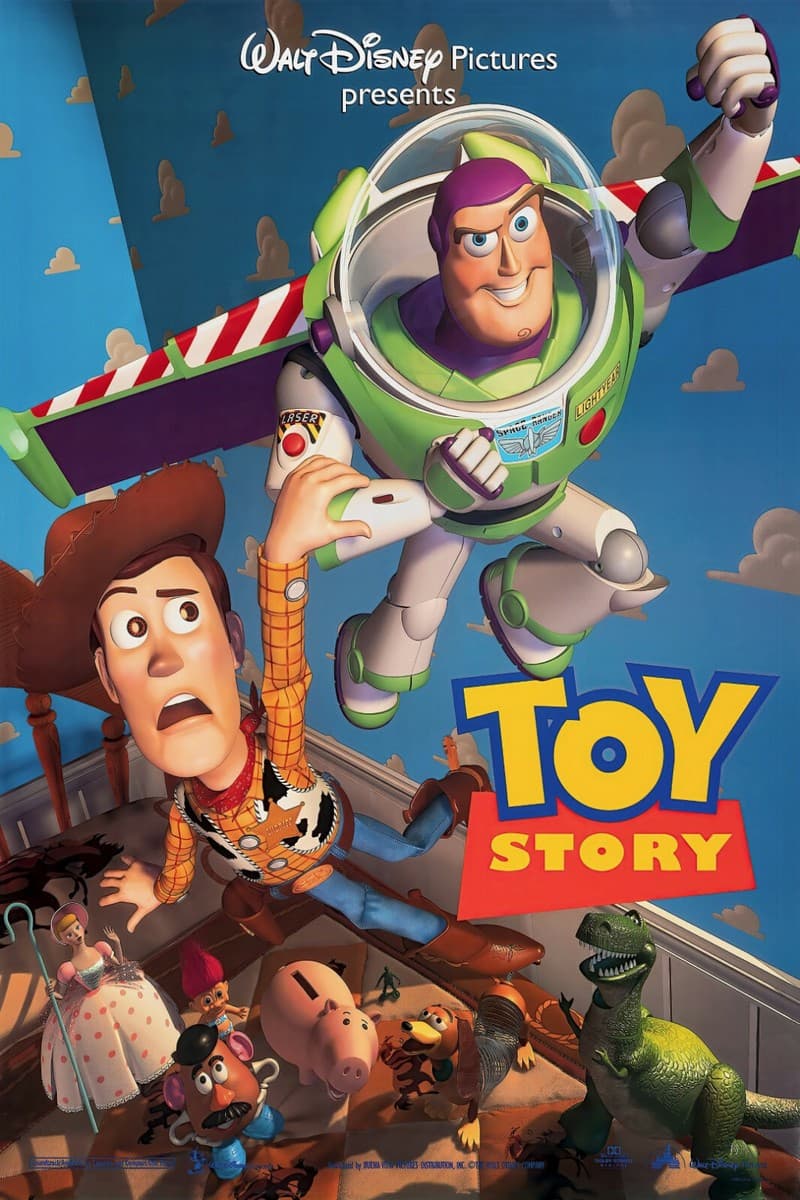
1995 // VHS
Toy Story
A pull‑string cowboy, a deluded space ranger and a small, very particular war over being loved.
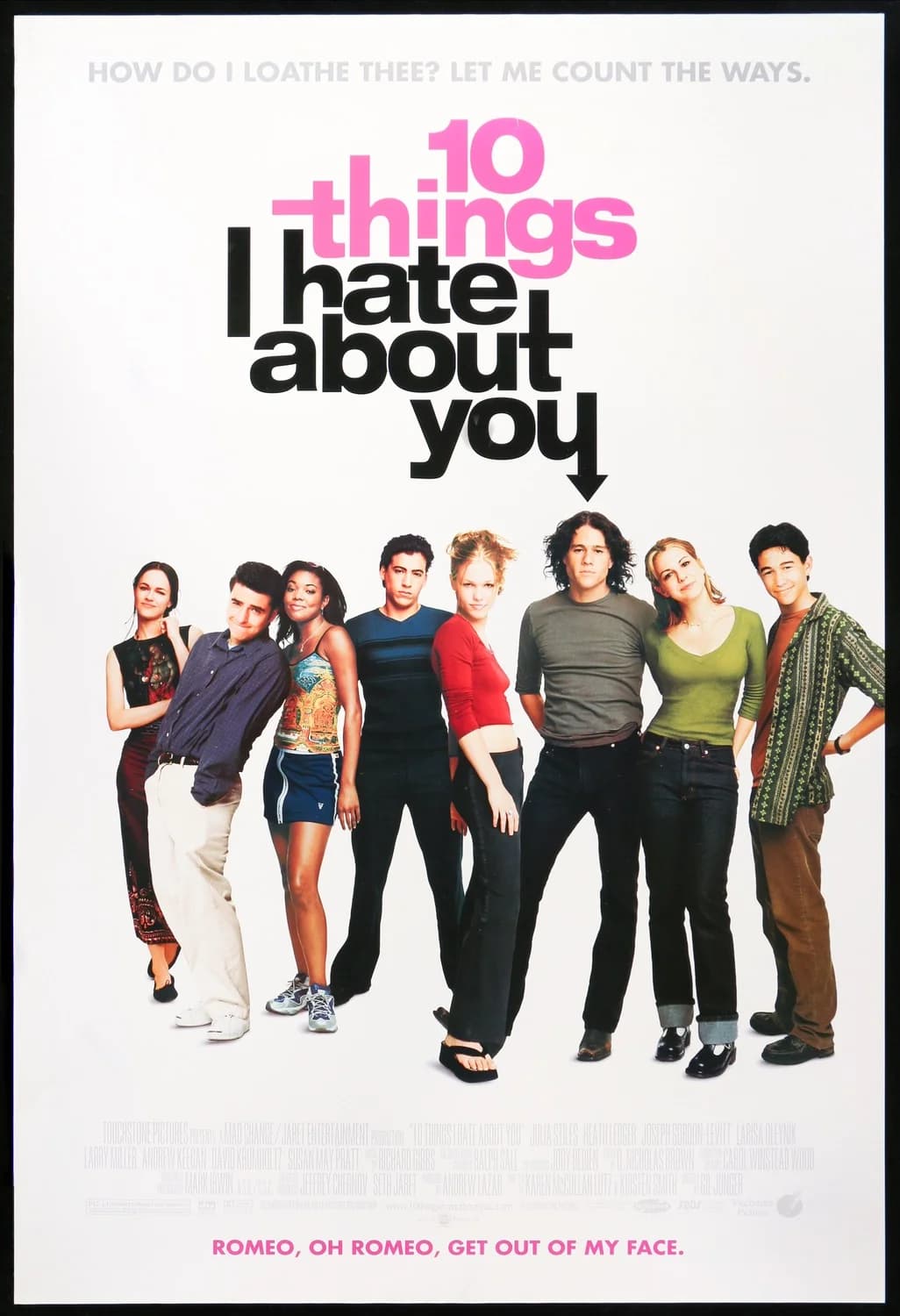
1999 // VHS
10 Things I Hate About You
Sibling rules, a rooftop serenade and one very stubborn Kat — Shakespeare in a school corridor.
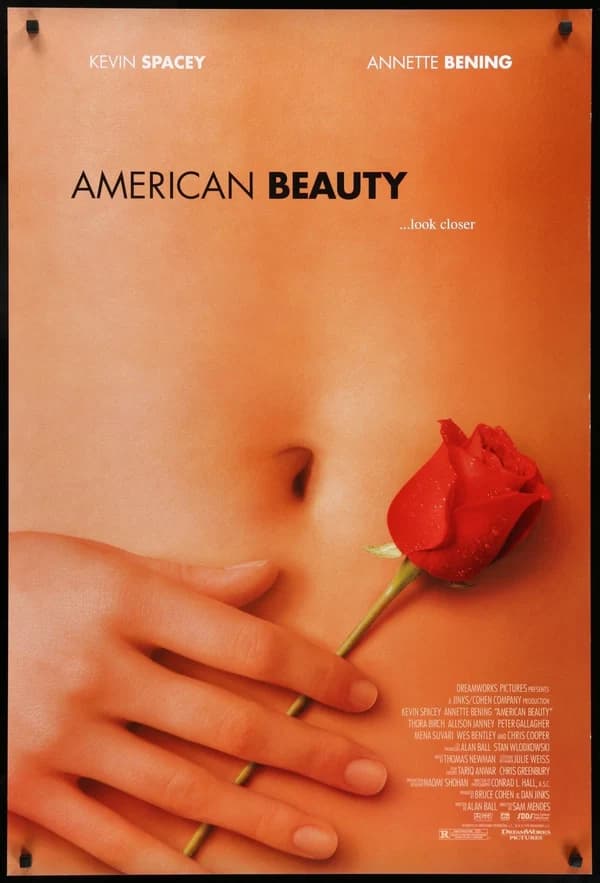
1999 // VHS
American Beauty
Lester Burnham, suburban rot and a midlife argument that still stings.