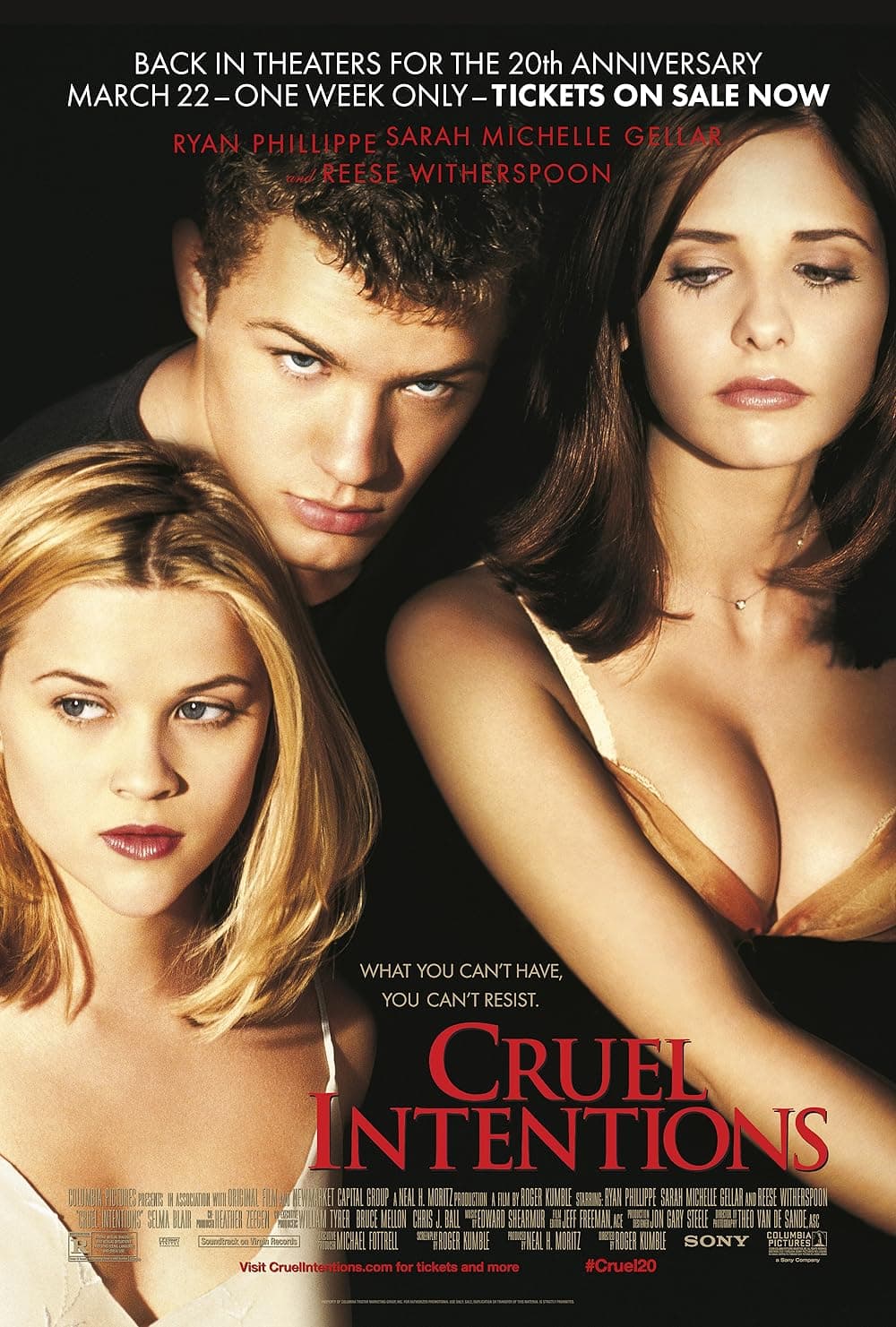
Cruel Intentions
Privilege, wagers and a girl who always knows the score.
// The setup
PLAYBACK STARTED
Cruel Intentions isn't a glossy teen romance so much as a playground for cruelty with a manicure. Roger Kumble took Les Liaisons Dangereuses, shoved it into wealthy Manhattan prep schools and let Kathryn Merteuil run the show — which, frankly, is why people still talk about it.
THE MOVIE
Kathryn Merteuil is still the reason this movie works
Cruel Intentions is a late-1990s retelling of Les Liaisons Dangereuses that swaps eighteenth‑century salons for contemporary Manhattan prep schools. The shift sounds gimmicky on paper; on screen it becomes a very particular sort of social stomach‑ache.
Everything starts with a wager. Kathryn Merteuil dares her stepbrother Sebastian to seduce Annette Hargrove — a young woman publicly committed to chastity — and off that single bet the film arranges its rules: reputation, theatre and one‑upmanship among the privileged.
Kathryn is the reason the film stays interesting. She performs virtue in public and engineers erotic and social manipulation in private, which turns seduction into a sport and the movie into a study of what happens when relationship becomes a game.
THE SETUP
The idea that sets Cruel Intentions in motion
The film's engine is straightforward: swapping the aristocratic intrigue of Pierre Choderlos de Laclos' novel for the petty, performative world of wealthy teenagers. That relocation changes the stakes without wrecking the basic game.
At the centre is a wager: Kathryn bets Sebastian can break Annette's public vow of chastity. Parallel to that, Kathryn quietly plots to destroy the newcomer Cecile — social blackmail and sexual manoeuvring ripple through their circle.
Sebastian keeps a private journal of his conquests, and that record isn't just vanity; it becomes a plot device later on, the kind of paper weapon that turns private misdeeds into public consequences.
Put simply, seduction, reputation and escalating deceptions drive the conflict — the film is less about who loves whom and more about how appearances are made and unmade.
THE CHARACTER
Why Kathryn Merteuil matters
Kathryn Merteuil isn't just the antagonist; she's the script's rule‑maker. Sarah Michelle Gellar plays Kathryn, who keeps a public mask and a private ledger — the contrast between those two faces is what gives the movie its teeth.
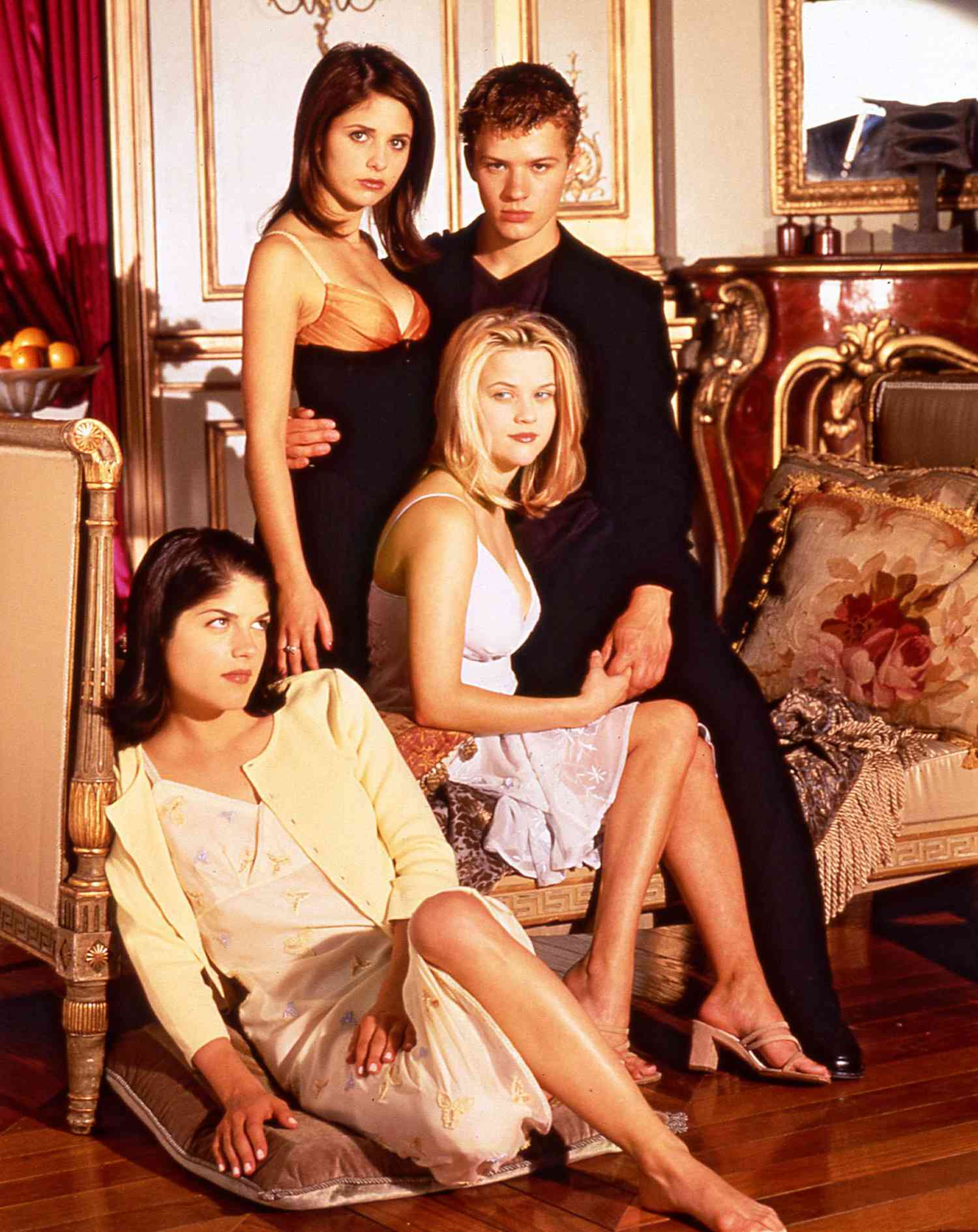
She choreographs cruelty as if it were an art form. By treating relationships as manoeuvres to advance or punish, Kathryn turns human beings into pieces on a social chessboard.
That performative cruelty gives the film its focus. When Kathryn speaks, the rest of the story reacts; she is the movie's clearest expression of manipulation made theatrical.
UNDER THE SURFACE
Cruel Intentions has more on its mind than the plot suggests
Beneath the seduction scenes and playground scheming, the film keeps returning to manipulation and what it does to people. Treating intimacy like a contest has obvious emotional fallout, and the movie likes to watch that fallout unfold.
Sexual politics are never an abstract background either. The story foregrounds how girls' reputations and choices are policed — publicly and privately — within a privileged setting where image is everything.
Privilege and reputation form the social scaffolding here: the characters play by rules that assume protection from ordinary consequence, which makes every public humiliation more theatrical and more damaging.
Finally, the whole project is an exercise in adaptation: moving a canonical adult text into teen culture sharpens certain dynamics (performance, appearance, social currency) while softening others. That modernisation is the film’s signature move.
THE FILMMAKING
How Cruel Intentions was put together
Roger Kumble wrote and directed a tight, under‑hundred‑minute package that relies on a glossy production to sell its world — a world built as much from social performance as it is from sets and editing.
The credits list Theo van de Sande as cinematographer, Jon Gary Steele as production designer and Jeff Freeman as editor, with Edward Shearmur supplying the score; those collaborators give the picture the polished backdrop it needs to feel convincingly upper‑crust.
The craftsmanship matters because the movie's premise asks audiences to accept that image is power. Production design and editing keep the pace brisk and the social theatre legible.
In short: the technical team supplies the sheen, and the sheen is essential — without it the high‑society games wouldn't land quite so cleanly.
PURE 80S
Cruel Intentions could not belong to any other decade
Released in 1999, Cruel Intentions belongs to a late‑1990s wave that recast canonical adult stories as teen tales. That impulse — transplanting a classic text into youth culture — is what gives the film its specific cultural flavour.
The picture rode contemporary pop‑rock and MTV‑era production values, a choice that anchored the story firmly in late‑1990s youth media rather than in timeless melodrama.
Being of its moment isn't a weakness here; it helps the movie explain its logic. The era's appetite for glossy, rapid storytelling suits a tale about performance, appearance and social calculation.
So while it borrows an older narrative, its wiring and tone are very much late‑’90s.
WATCHING IT NOW
What has aged — and what hasn't
Cruel Intentions still reads as a cultified late‑1990s teen picture: its glossy style and the recognisability of its cast keep it watchable for nostalgia and for anyone interested in that era of youth cinema.
That said, commentators and retrospectives often point out that some of the film’s sexual politics and late‑’90s stylistic choices feel dated now — the way it stages relationships and reputation can sit awkwardly with today's conversations about consent and power.
At release critics were divided: some admired the sharp, satirical modernisation of the source novel while others argued the teen setting jarred with the original's adult decadence. That split informs how the film plays to modern viewers.
If you watch it now, expect a film that's recognisably of its time: still effective as a period piece and conversation starter, less comfortable when treated as a moral model.
THE LEGACY
Why Cruel Intentions still matters
Cruel Intentions stuck around because it translated an infamous adult story into a recognisable teen language and — crucially — because it did so with enough polish to attract attention beyond the small‑scale indie circuit that birthed it.
The film's recognisability helped spawn a franchise: a direct‑to‑video prequel assembled from a cancelled TV pilot, another straight‑to‑video sequel, a jukebox stage musical and a string of attempted TV reboots and adaptations.
Anniversary coverage and revived theatrical showings have kept its title in circulation; for late‑1990s teen cinema, the film operates as a useful shorthand — shorthand for glossy cruelty, for the era's casting cluster, and for an appetite for modernised classics.
More than that, it remains a useful conversation piece about how stories of manipulation translate across ages and audiences.
THE VERDICT
Does Cruel Intentions still hold up?
Yes — with caveats. Cruel Intentions is still a sharp, compact piece of late‑’90s teen cinema: it relocates Les Liaisons Dangereuses to wealthy Manhattan teenagers, runs briskly at just under 100 minutes, and trusts Kathryn to keep the dramatic gears turning.
The film’s central mechanics — seduction, social blackmail and public reputation among elite peers — remain clear and effective as storytelling devices. Sebastian’s private journal, revealed later, is a tidy engine that turns personal misdeeds into public fallout.
Where it strains is in the light it casts on sexual politics: the story treats reputation as currency and naivety as vulnerability in ways that modern viewers may find uncomfortable. Contemporary reviewers noted the young cast’s central role in the film’s appeal, and that remains one reason to watch rather than dismiss it.
So should you watch it? If you want a well‑executed, provocative late‑90s teen drama that rewards attention to social mechanics and character gamesmanship, yes. If you expect a timeless morality play, be prepared for the film to expose more of its era — and its appetite for performance — than you might have intended to revisit.
Share this movie
// Keep watching
More movies from the 90s
If Cruel Intentions is your kind of movie, there's plenty more on the shelves worth rewinding.
1999 // VHS
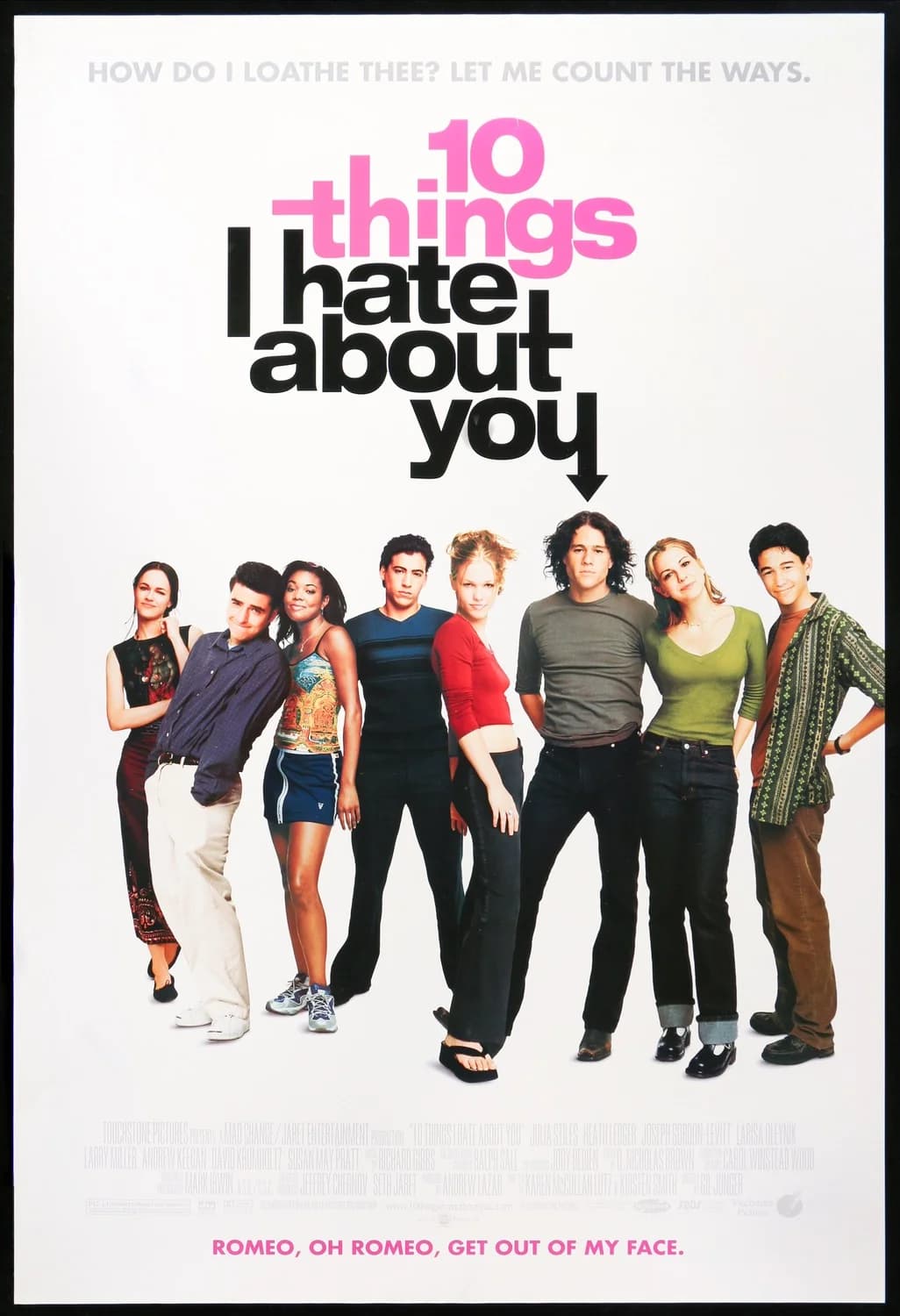
10 Things I Hate About You
Sibling rules, a rooftop serenade and one very stubborn Kat — Shakespeare in a school corridor.
1999 // VHS
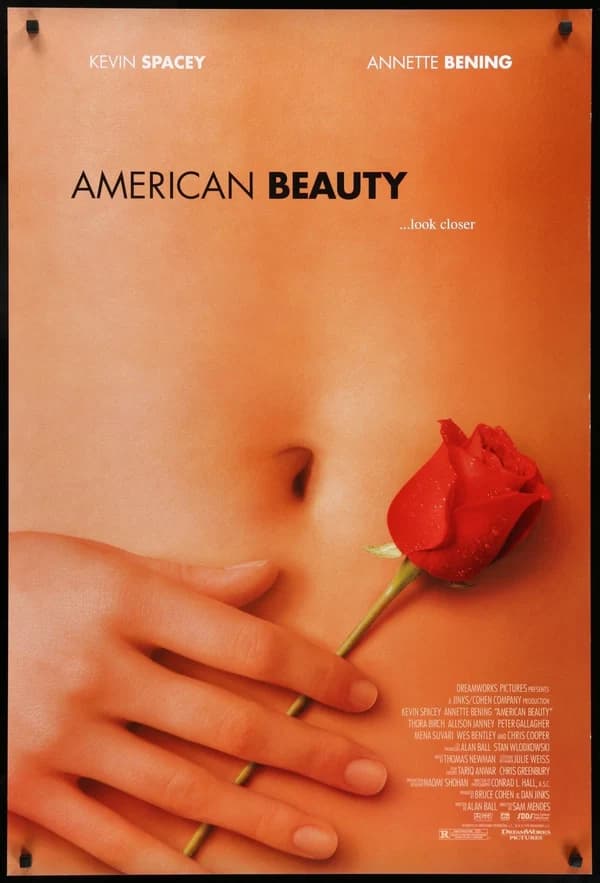
American Beauty
Lester Burnham, suburban rot and a midlife argument that still stings.
1999 // VHS
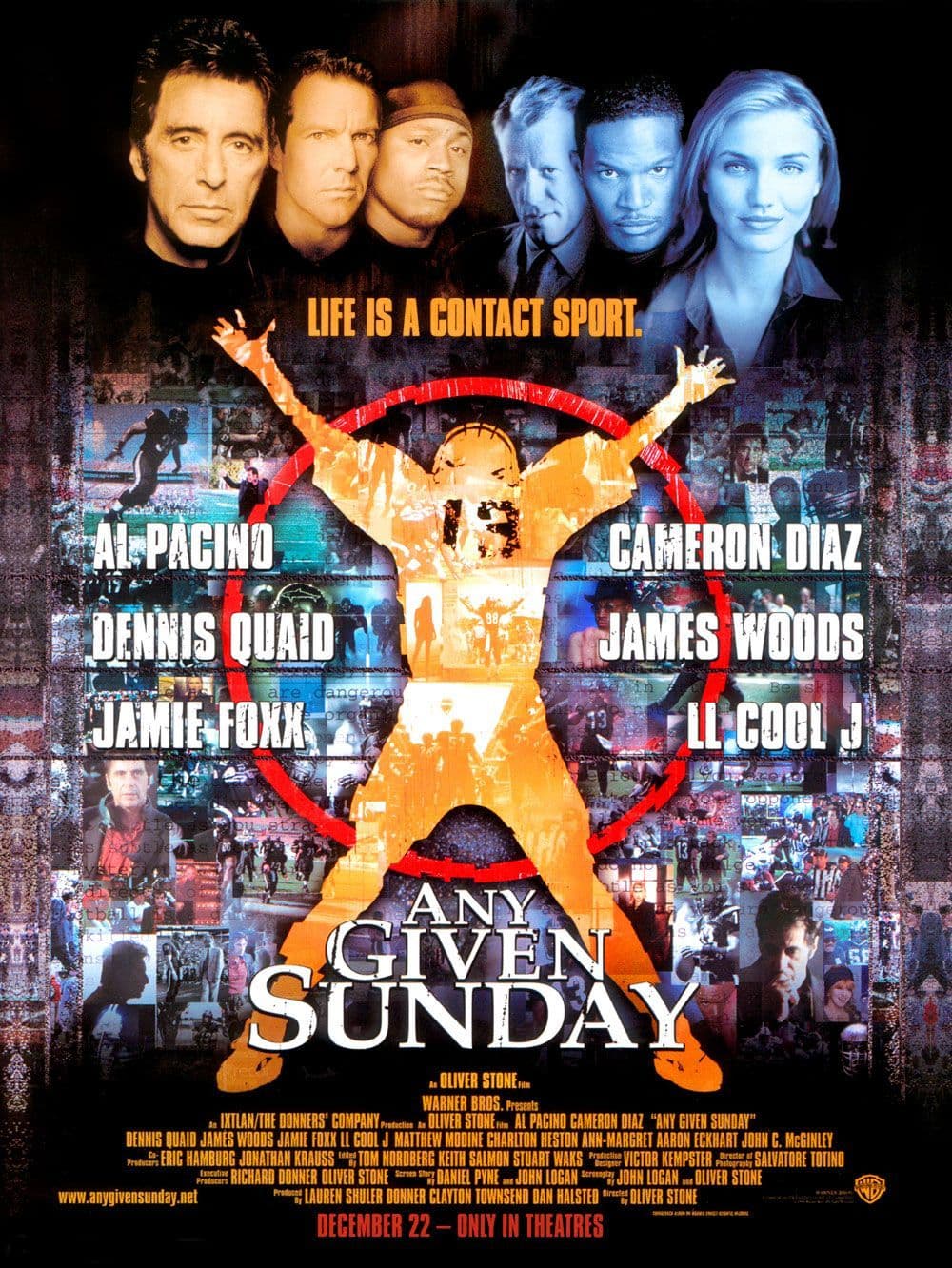
Any Given Sunday
Al Pacino's coach anchors the chaos of a film about football turned into product — loud, messy and oddly persuasive.