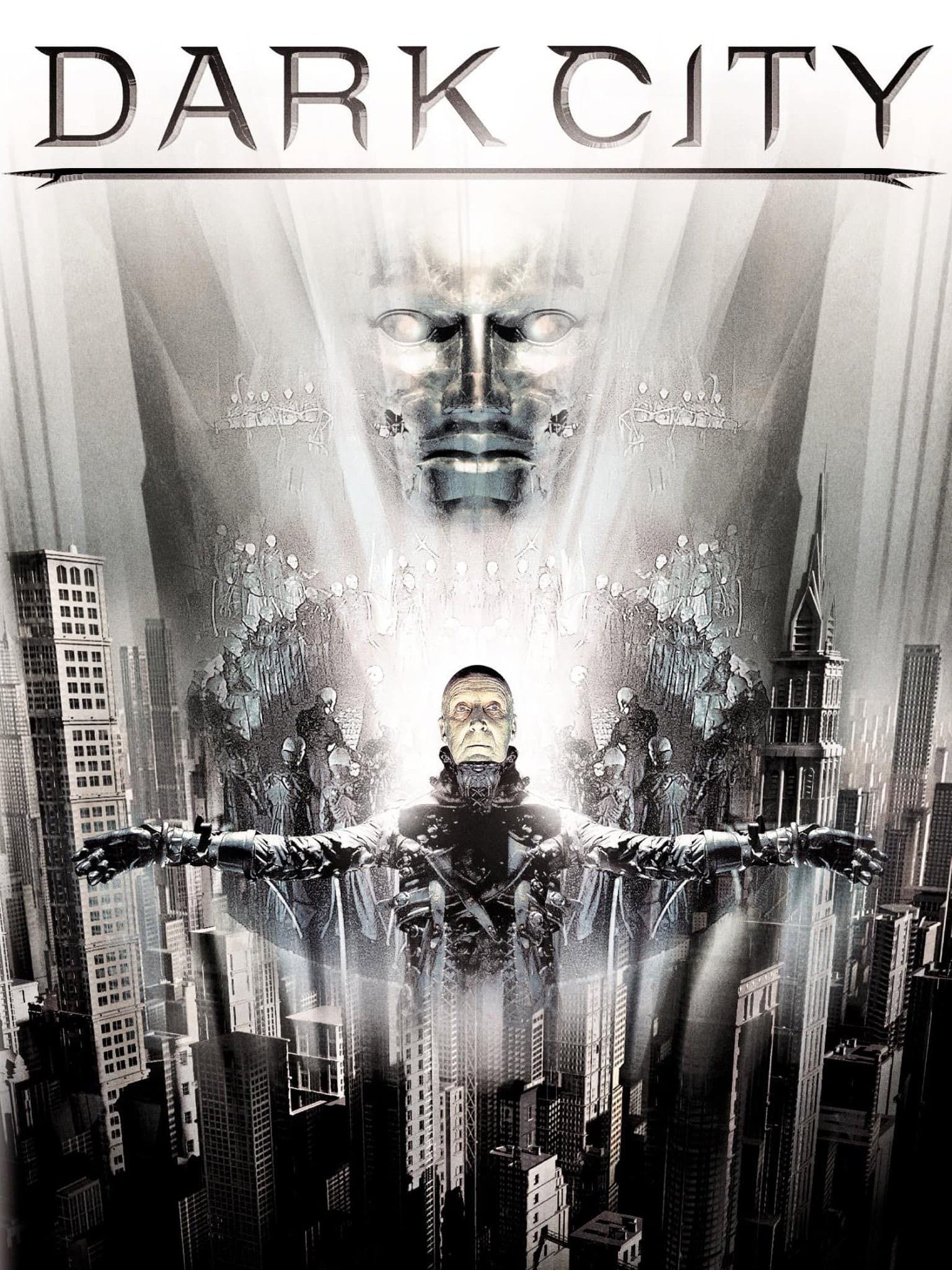
Dark City
Amnesia, midnight architecture and one man who remembers enough to make trouble.
// The setup
PLAYBACK STARTED
You remember that scene: a man wakes in a hotel bathtub and the city around him feels hostile and wrong. That man is John Murdoch, and Dark City is the film that turns his missing past into a mystery about who gets to decide what a person is. Alex Proyas's nocturnal puzzle still rewards anyone who likes their science fiction moody, metaphysical and a touch noir.
THE MOVIE
John Murdoch is still the reason this movie works
Dark City plants you straight into confusion: John Murdoch wakes in a bathtub with no memory and with a murder charge waiting for him on the other side of the door. That jolting beginning isn’t just spectacle — it’s the movie’s promise to turn personal amnesia into the engine of the story.
From there, we learn the city itself is being toyed with. Groups of people fall into comas at once, and a cabal called the Strangers can rearrange streets and rewrite lives. Memory here is less a private history than a malleable building block.
Which is why Murdoch matters. He’s not just an everyman on the run; his missing memory is the key to understanding the artificial rules of this nightbound world and, crucially, the thing that lets him resist those who would control it. It’s a tidy hook — noir set-piece, sci‑fi idea — and it gives the film its pulse.
THE SETUP
The idea that sets Dark City in motion
The film opens on a clear, disorientating premise: John Murdoch, an amnesiac, wakes in a hotel bathtub and very quickly finds himself suspected of murder and hunted through a city that never sleeps. That opening gambit keeps the stakes immediate — who is he, and who did he used to be?
What follows is a chase and investigation rolled into one. Murdoch is trying to piece together his identity and to escape the experiments run by the Strangers, while contending with police suspicion and forces that don’t understand his growing capabilities.
The city itself is an active plot device. Memory erasure and reconstruction are literal mechanics in the story: the inhabitants’ pasts get rewritten and, with that, the very layout and composition of the city shifts. It’s a neat way to let exposition be part of the world-building rather than a clumsy info-dump.
Running alongside Murdoch’s quest is a detective subplot that offers a different viewpoint on the same puzzle. The presence of a police investigation creates a counterpoint about responsibility and truth — who should judge identity when memories can be altered?
THE CHARACTER
Why John Murdoch matters
John Murdoch is the film’s anchor because everything worth arguing about in Dark City hits him first. He’s the amnesiac at the centre of the mystery, which turns his lack of past into dramatic currency: finding out who he was becomes the way the film explains who he might become.
His lost memory isn’t a gimmick. It’s the narrative lever the movie uses to expose how fragile identity can be when memories are treated as rearrangeable objects. Murdoch's search is both practical — escape and exoneration — and philosophical.
There’s also a moral friction built into his relationship with the city’s institutions. A detective subplot complicates the simple hunter-and-hunted picture, so Murdoch’s struggle plays out against people who believe they’re doing their jobs even as they legislate what ‘self’ ought to mean.
Casting matters only insofar as it serves the character. Rufus Sewell plays Murdoch, and the role works because the story needs someone who can plausibly be both bewildered and dangerous — a person whose past being missing actually changes how we judge his present choices.
THE PERFORMANCE
Why Rufus Sewell's performance matters
Contemporary reviews singled out the principal cast as a big part of the film’s atmosphere, and Sewell’s portrayal of Murdoch sits at the centre of that. Critics described the role as a moody, sympathetic amnesiac — the kind of character the story needs to sell its bigger philosophical ideas.
That description matters because Murdoch’s journey depends on the audience caring about him enough to follow the mystery. The reviews suggested Sewell supplied that necessary emotional thread, helping the film keep its more abstract elements grounded.
Support from the rest of the cast was also noted at the time. Having solid supporting turns matters in a story that oscillates between noir procedural and metaphysical fable; it helps the quieter, human stakes register amid the set-piece oddities.
So, in short: the contemporary critical view was that Sewell and his co‑actors did the heavy lifting of making this ambitious, strange film feel like a cohesive world rather than an idea experiment.
UNDER THE SURFACE
Dark City has more on its mind than the plot suggests
At face value Dark City is a neo‑noir chase through a manipulated metropolis. Underneath, it’s preoccupied with how memory builds identity. The film treats memories as things that can be removed or rearranged — which forces the question: if your memories change, who are you?
That leads naturally into a free‑will argument. The characters regularly confront whether their choices are actually their own or the product of outside design. It’s a classic sci‑fi worry dressed in trench coats and midnight streets.
There’s also a steady undercurrent of urban alienation. The city is deliberately closed and nightbound, which keeps the film’s emotional register lean — people feel small, isolated and easily manipulated in a place designed to make them so.
All of these ideas hang together because the film keeps circling back to the same problem: identity is fragile when memory no longer holds. Dark City asks you to consider the cost of control, and what resistance looks like when the rules of personhood are rewritten.
THE FILMMAKING
How Dark City was put together
One of the clearest fingerprints on Dark City is its production design. Patrick Tatopoulos and George Liddle led a look that deliberately nods to classic film‑noir architecture and the expressionist films of Fritz Lang.
That aesthetic choice does a lot of work: it gives the city a feeling of being deliberately built, stylised and slightly off, which reinforces the story’s suggestion that the environment itself is manipulable. Clocks and spirals become motifs, not just decoration.
Much of the film was assembled on soundstages in Australia, and that constructed quality is visible in the film’s personality. The sets are design statements that sell the world as an engineered space rather than a natural one.
In short, the filmmaking choices align neatly with the themes: the city looks like an idea, and the production design makes sure you feel that at every turn.
PRACTICAL EFFECTS
The effects work that gives Dark City its physical personality
Dark City leaned on studio craft to make its world feel substantial. The production repeatedly reused a single built rail car and short track sections with different dressing to suggest a far larger urban system than the budget actually allowed.
Those kinds of repeated physical elements help the city read as cohesive even when the story requires sudden rearrangement. There’s a tangible, hands‑on quality to how the environment changes.
Designing the Strangers involved a particular conceptual choice: they were created as human body shells that contain an internal ‘energy’ idea, rather than being presented as overt, insect-like prosthetics. That keeps the creatures more uncanny than grotesque.
The practical decisions are practical for a reason: they give the film a physical personality that supports its strange, constructed world.
PURE 80S
Dark City could not belong to any other decade
Dark City arrived in 1998 as part of a particular late‑1990s appetite for high‑concept science fiction that questioned reality itself. It was produced as an Australian–American soundstage production and released in the United States on February 27, 1998.
Critics at the time commonly set it alongside other films of the moment that were exploring simulated or constructed realities. That grouping isn’t just marketing — the film genuinely shares a concern with perception, control and technological redefinition of the self.
Being of its moment gave Dark City permission to be both philosophical and genre-minded. It’s the sort of movie the late 90s encouraged: big ideas, moody execution and a willingness to blur noir, horror and speculative thought.
So while it looks unique, it also fits tidily into a short, fertile period of cinema asking similar questions about what a reality is and who gets to shape it.
WATCHING IT NOW
What has aged — and what hasn't
Reappraisals tend to split Dark City into two parts: the visuals and the atmosphere, which critics still praise, and the dialogue and character exposition, which some say feel uneven now. That split explains the film’s cult afterlife — viewers love the look and the idea, even when the script sometimes labours to get there.
The director’s cut, issued commercially in 2008, removed the original opening voice-over and added roughly eleven minutes of footage. Those later home‑video editions and 4K reissues have given the film a second life and helped audiences revisit it with fresh context.
Put simply: the film still works as an experience if you’re after a moody, idea‑driven sci‑fi; it’s less comfortable if you expect crisp, contemporary character mechanics. The visual ambition still rewards repeat viewings.
And for anyone curious, the additional footage and the home‑video material give a slightly different view of the film, which makes revisiting it worthwhile for fans and newcomers alike.
THE LEGACY
Why Dark City still matters
Dark City developed a cult reputation after its theatrical run. Part of that comes from how often people return to its visual palette and its central questions about memory and identity.
Home‑video releases helped cement that afterlife: a Director’s Cut in 2008 and later Blu‑ray and 4K editions bundled documentaries and commentaries that made space for fresh readings and deeper appreciation.
Retrospectives frequently single out Trevor Jones’s score and the film’s production design as the elements most often cited in its reassessment. Those two components are the things that tend to stick in the mind after a viewing.
So the film matters because it left a compact, recognisable set of pleasures — atmosphere, design and a premise that keeps inviting rethinking — and because its home‑video life has allowed new generations to discover it.
THE VERDICT
Does Dark City still hold up?
Yes — with a useful caveat. Dark City remains worth watching because its core idea is sturdy and its execution sells the world: an amnesiac wakes, discovers he’s suspected of murder, and then finds the city itself is being rearranged by the Strangers. That premise still clicks as both a thriller engine and a way to dramatise questions about memory and identity.
The detective strand runs beside Murdoch’s quest, giving the film moral texture rather than letting it drift into pure spectacle. And Emma/Anna functions as an emotional anchor whose shifting identity underscores what’s at stake when memories are toyed with.
What feels dated are some of the expository beats and the unevenness in dialogue and character setup that critics have pointed out. But those weaknesses don’t erase the film’s strengths: the production design, the score and the persistent, strange atmosphere keep it engaging for modern viewers.
If you like your science fiction brooding, a touch noir and idea‑driven rather than relentlessly plot‑tight, Dark City — directed by Alex Proyas, 100 minutes long and released in 1998 — still rewards a watch. Think of it as a late‑90s mood piece that asks what happens when the lights go out and someone else gets to decide who you were.
Share this movie
// Keep watching
More movies from the 90s
If Dark City is your kind of movie, there's plenty more on the shelves worth rewinding.
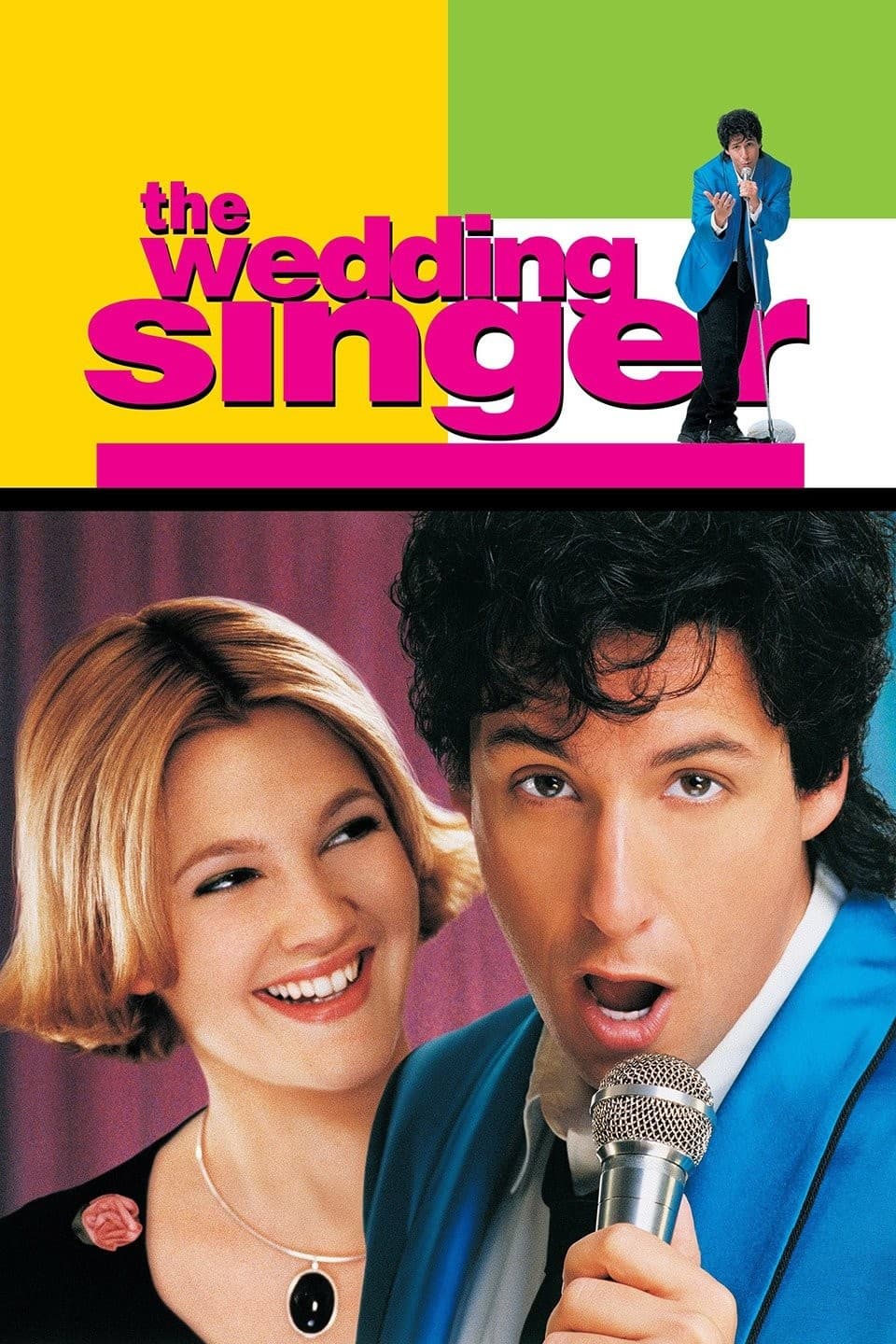
1998 // VHS
The Wedding Singer
A love story wrapped in 1980s pop — and carried by one very earnest wedding crooner.
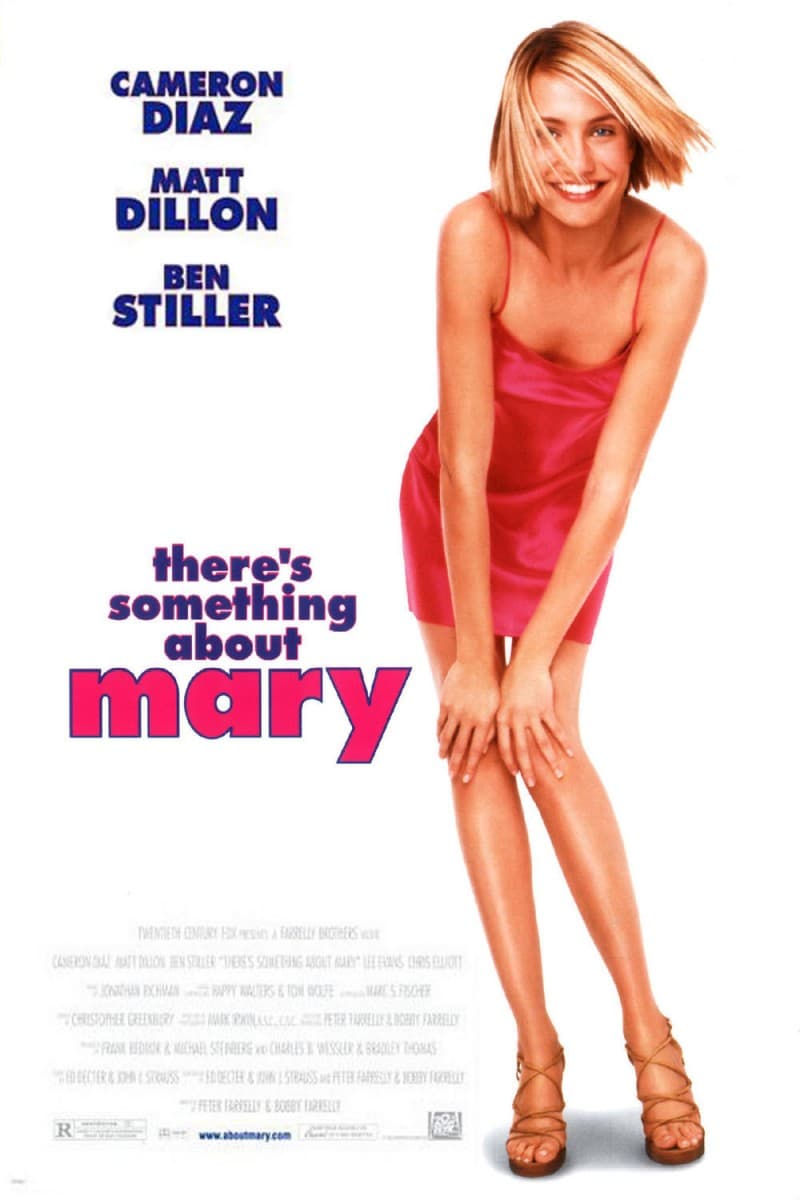
1998 // VHS
There's Something About Mary
Romantic obsession, awkward masculinity and a hair‑gel gag you can't unsee.
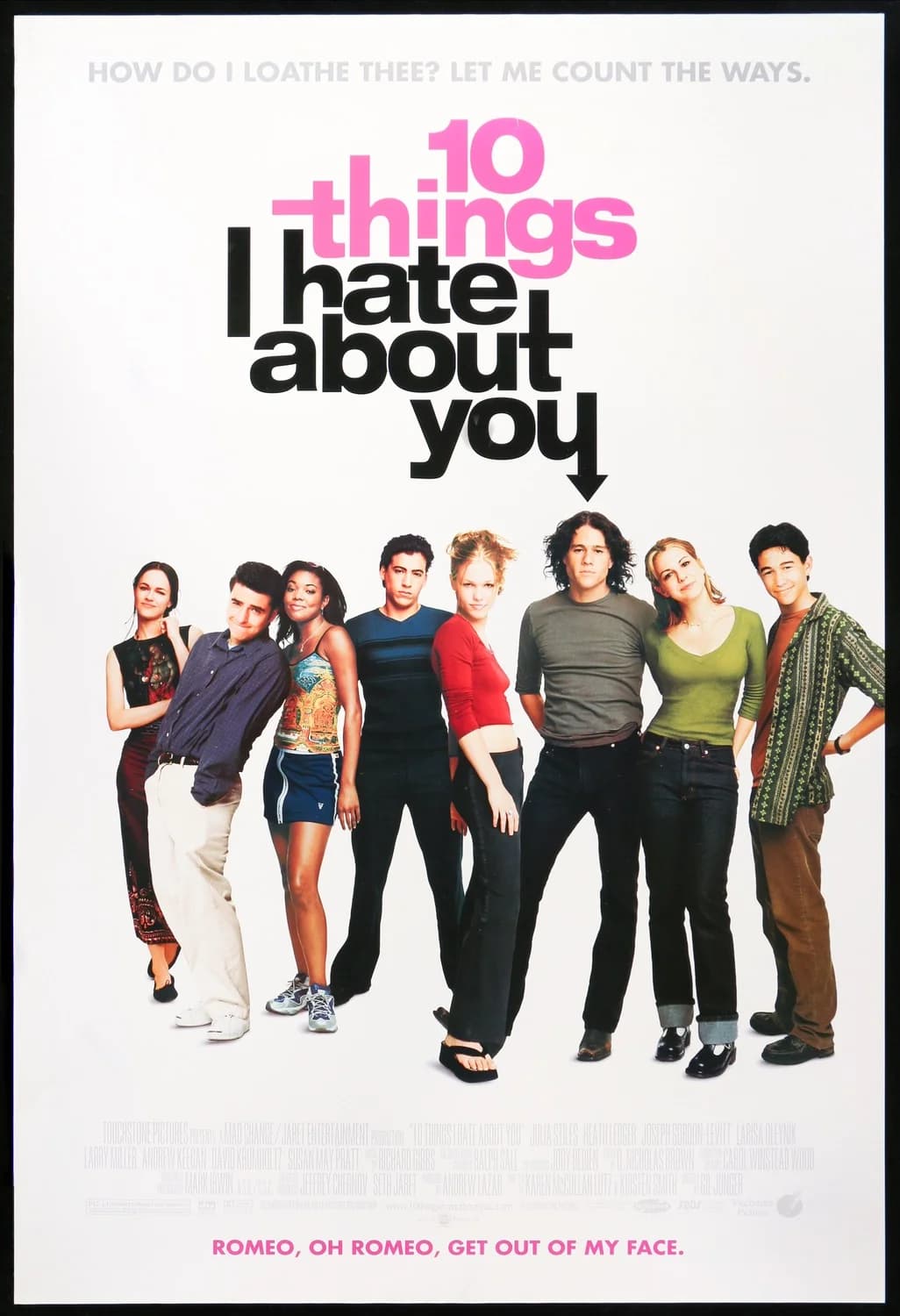
1999 // VHS
10 Things I Hate About You
Sibling rules, a rooftop serenade and one very stubborn Kat — Shakespeare in a school corridor.