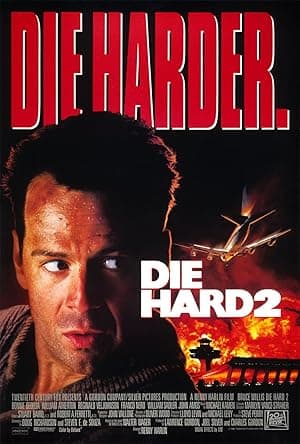
Die Hard 2
Planes are circling, the radios are dead and John McClane has gone back to work.
// The setup
PLAYBACK STARTED
Die Hard 2 drops John McClane into an airport where a band of mercenaries seize air‑traffic control, strand incoming aircraft and put his estranged wife's flight directly in danger. Directed by Renny Harlin and released in 1990, it doubles down on the original’s lone‑cop-versus-bureaucracy idea and makes the ticking clock its chief engine.
THE MOVIE
John McClane is still the reason this movie works
People still talk about Die Hard 2 because, for all the explosions and model work, the movie keeps bringing us back to one familiar figure: John McClane. Drop a resourceful New York cop into a locked, high‑stakes environment and you get a simple equation that still pays off — especially when one of the endangered planes happens to be carrying his estranged wife.
What Renny Harlin does here is take the premise of the original and put it somewhere new but equally urgent: an airport where mercenaries seize air‑traffic control, strand aircraft and raise the stakes by tying their demand to the custody of a foreign general — a plot device that directly endangers Holly McClane's inbound flight.
The result is a 124‑minute action thriller that lives on set‑pieces and on a stubborn theme: the individual versus official channels. McClane’s job in this movie is not just to stop bad guys, but to work around the people who insist there’s a procedure for everything.
THE SETUP
The idea that sets Die Hard 2 in motion
The conceit is straightforward and efficient: mercenaries take control of an airport’s systems, stranding a number of incoming planes and creating a very literal ticking clock as fuel levels dwindle. It’s a high‑pressure scenario that forces rapid decisions and keeps the audience constantly aware of consequences.
The film reuses a device from the first movie — an isolated hero who has to operate outside official channels — but relocates that dynamic to an environment built on coordination and procedure. That contrast between improvisation and protocol becomes a core source of friction.
Because the jeopardy extends to many innocent people rather than a single building, the ticking‑clock mechanic provides clear, repeatable urgency. Each scene can answer the same question: how far will McClane go to short‑circuit the system?
Critics at the time pointed out that the movie leans on set pieces and echoes the original Die Hard premise; retrospectives have since noted some visual‑effects and narrative beats that now read as repetition. Still, the setup refuses to be clever for cleverness’s sake — it’s a clean engine for drama and action.
THE CHARACTER
Why John McClane matters
John McClane is the film’s lodestone. He’s the stubborn, resourceful cop who doesn’t wait for permission to do the obvious thing: protect people. That makes him both simple to understand and reliably interesting in a high‑stakes setting.
What gives his attempts weight is personal connection. Holly McClane isn’t just another passenger on a circling plane; she’s the emotional stake that turns every risk into something urgent for McClane. The movie keeps reminding us that his actions are not abstract heroism but attempts to save someone very specific to him.
The film also builds on McClane’s newly public profile. A recurring media figure continues to sensationalise events and identify McClane by name, so his notoriety changes how other characters react to him — sometimes hindering, sometimes exposing him.
All of this means McClane functions less like a generic action‑film protagonist and more like a person with a particular set of problems: a knack for improvisation, a tangled private life, and a willingness to break rules when lives are at stake.
THE PERFORMANCE
Why Bruce Willis's performance matters
Contemporary reviews identified Bruce Willis’s familiar tough‑guy persona as a sustaining thread that carries the sequel’s action. In short: the film’s momentum depends a lot on his presence.
That doesn’t mean the movie pauses for introspection; rather, Willis’s established screen character gives the plot a recognisable anchor. When the situation becomes repetitive or the set pieces pull focus, the performance provides continuity.
So even if you find some story beats recycled, the film relies on a consistent centre: McClane as a recognisable figure in a recognisable predicament. That was the critical observation at the time, and it remains a fair shorthand for why the sequel sticks together.
UNDER THE SURFACE
Die Hard 2 has more on its mind than the plot suggests
On the surface it’s a straightforward action movie built from big set pieces and tight deadlines. Underneath, it’s quietly concerned with the recurring idea of the lone cop who has to make things happen when official systems get in the way.
The plot’s repetition of the first film isn’t just lazy homage; it’s a doubling that lets the film ask how an adrenaline‑soaked loner fits into an environment whose purpose is coordination and safety. The airport’s procedures and the mercenaries’ disruption set up a clear clash of priorities.
Media sensationalism also threads through the movie. McClane’s newfound notoriety affects how other characters deal with him, showing that celebrity and public narrative can complicate real, on‑the‑ground problem solving.
Finally, the ticking clock is more than a plot trick. It keeps the film honest: choices have immediate consequences, and moral clarity often comes down to whether someone is willing to do what needs doing right now.
THE FILMMAKING
How Die Hard 2 was put together
Renny Harlin directs with an emphasis on set pieces and rapid cutting, a working method that gives the film its propulsive, scene‑to‑scene energy. The visual approach is organised around a high‑contrast night and winter look, which helps sell the airport as a hostile, low‑visibility arena.
Oliver Wood is credited as director of photography, which ties into that night/winter framing, while editors Stuart Baird and Robert A. Ferretti handle cutting duties — a team that keeps the pacing brisk across the movie’s 124 minutes.
Production credits list Gordon Company and Silver Pictures as the producing companies with 20th Century Fox distributing, details that help explain the film’s studio‑scale ambitions: it’s built to feel big and immediate.
Taken together, these choices produce a movie that foregrounds spectacle and clarity. When the plot needs to breathe, the direction lets the set pieces carry the argument.
PRACTICAL EFFECTS
The effects work that gives Die Hard 2 its physical personality
The movie’s action sells itself on physical scale: miniatures, full‑scale fuselage mockups and bluescreen composites are all part of the visual recipe. Those techniques create a tangible sense that real things — planes, runways, aircraft bodies — are at stake.
Contemporary coverage notes the effects were a blend: practical pyrotechnics and model work intercut with early digital compositing and matte paintings. The mix was designed to convince the eye of large‑scale destruction without depending entirely on one technique.
That hybrid approach explains why certain shots still feel satisfyingly physical: there’s an attention to tactile detail in the miniature and mockup work that anchors the bigger moments.
At the same time, the film’s effects are a document of their time — a careful marriage of old and new methods rather than a pure technical revolution.
THE LEGACY
Why Die Hard 2 still matters
Die Hard 2 matters because it’s where the franchise decided to scale up and make sequelhood part of its identity. As the second instalment in the series, it affirmed that McClane’s story could be extended beyond a one‑off crisis.
It was a substantial commercial entry for the franchise and remains a commonly cited early‑1990s action sequel when people talk about the series’ expansion. The film helped establish that Die Hard could become a continuing machine of high‑stakes scenarios.
Even if some of the narrative beats echo the first movie, its place in the franchise’s growth is clear: it turned a successful template into a repeatable model for action cinema at the time.
THE VERDICT
Does Die Hard 2 still hold up?
If you watch Die Hard 2 for what it sets out to be — a 124‑minute, set‑piece heavy action thriller that trades on a tight ticking clock and a stubborn, rule‑bending hero — it delivers. The premise is cleverly simple: mercenaries seize air‑traffic control, dozens of planes are put at risk, and McClane is pulled into a race to stop them while his estranged wife’s flight hangs in the balance.
The film leans on the familiar McClane formula — one man against systems and paperwork — and contemporary reviewers flagged Bruce Willis’s presence as the thing that keeps the whole enterprise together. That familiarity is a feature, not a flaw, provided you enjoy a protagonist who gets things done by refusing to wait for bureaucracy to catch up.
There are moments that feel like repeat business, and some effects and narrative shortcuts now read of their time. But the movie’s engine — the ticking clock, the clash between improvisation and procedure, and the personal stake in Holly McClane — still gives it forward momentum.
So should you watch it today? Yes, if you want an unapologetic, big‑scale action sequel with a clear centre: John McClane doing what he does best. It won’t surprise you with reinvention, but it will remind you why that simple, stubborn premise worked in the first place.
Share this movie
// Keep watching
More movies from the 90s
If Die Hard 2 is your kind of movie, there's plenty more on the shelves worth rewinding.
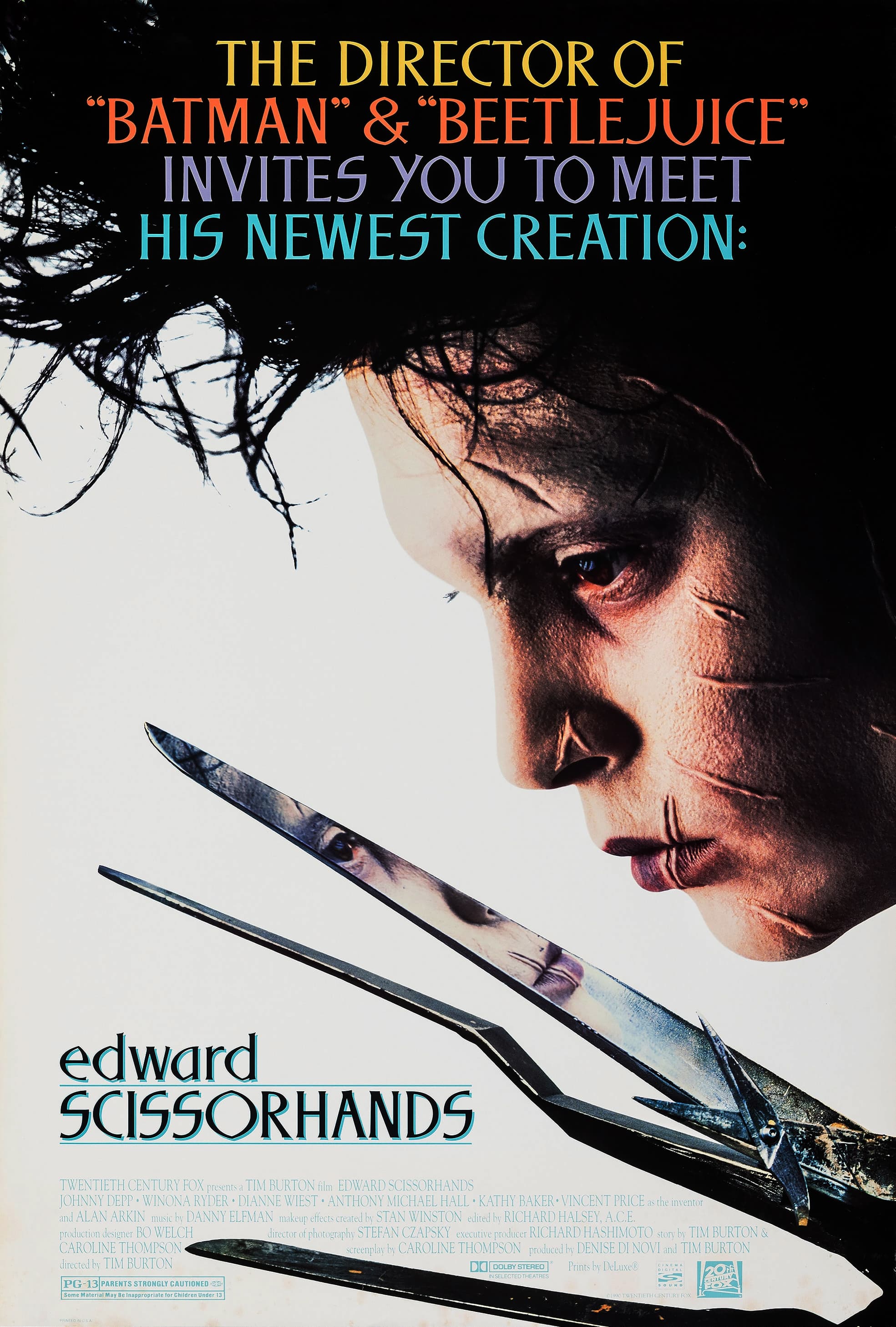
1990 // VHS
Edward Scissorhands
A fairy tale about a man who can’t quite touch the world — and the neighbourhood that can’t quite handle him.
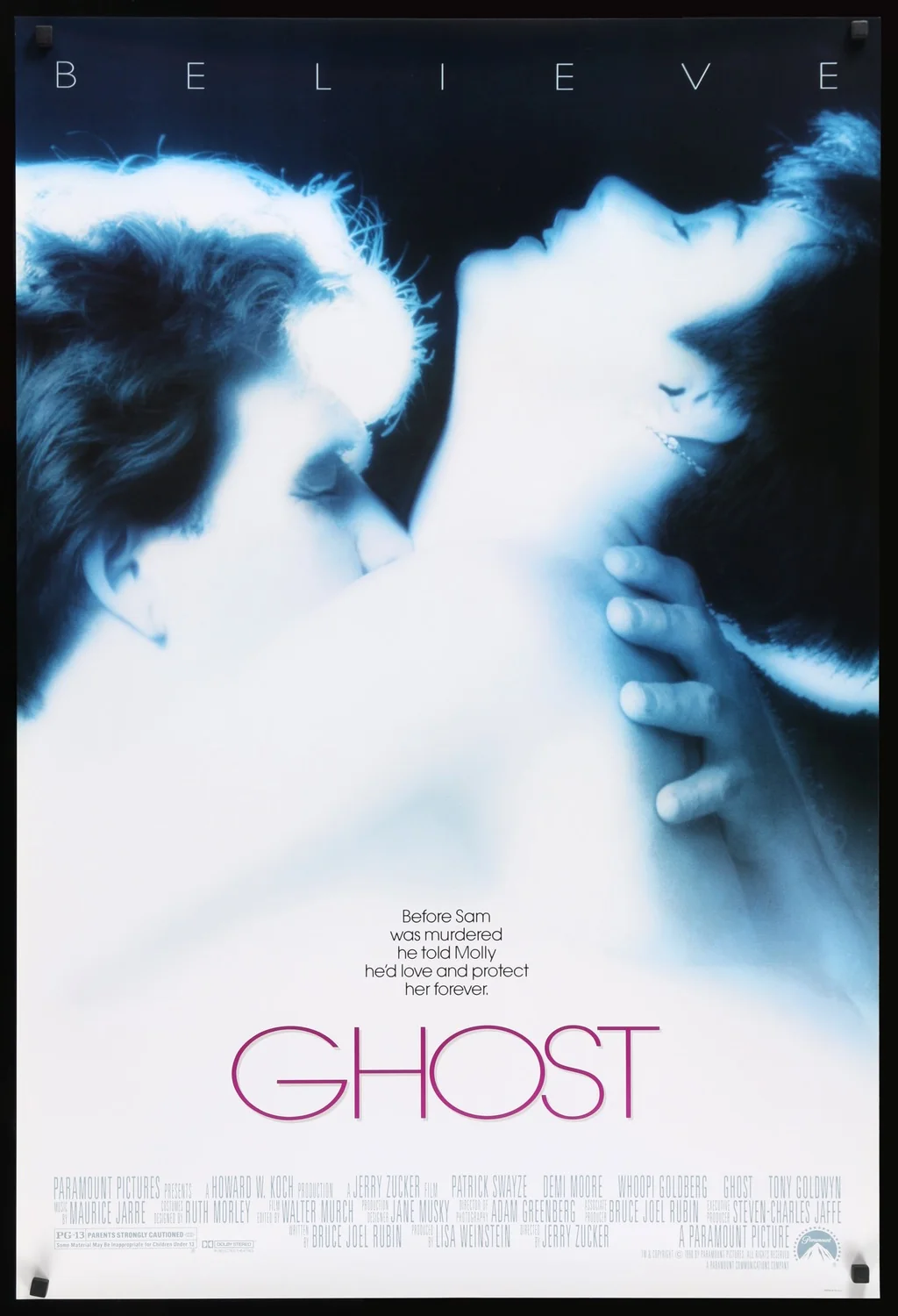
1990 // VHS
Ghost
A murder mystery disguised as a love story — with a man who won’t stop watching over the person he loves.
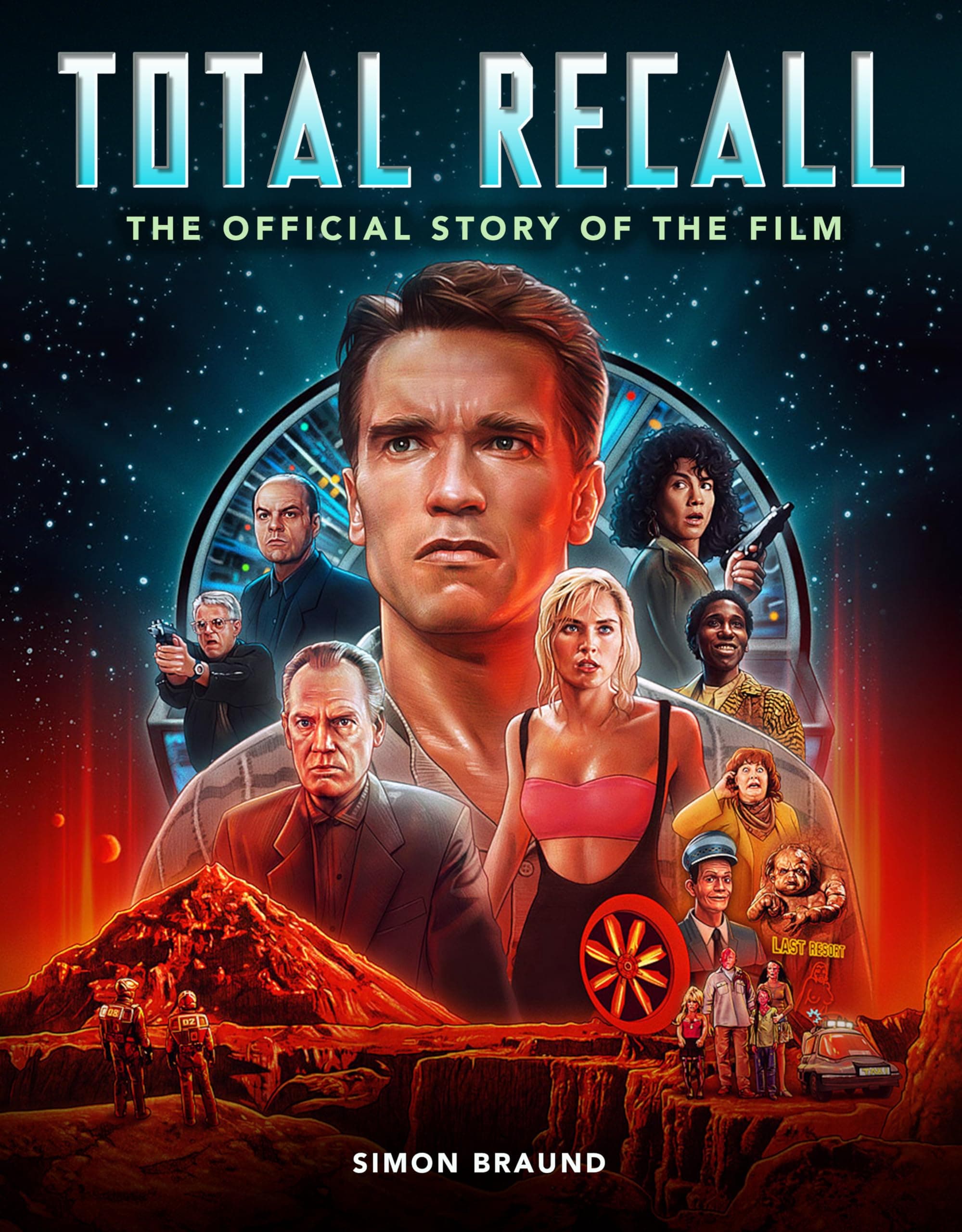
1990 // VHS
Total Recall
Memory, muscle and a very faulty holiday package — with Mars on the itinerary.