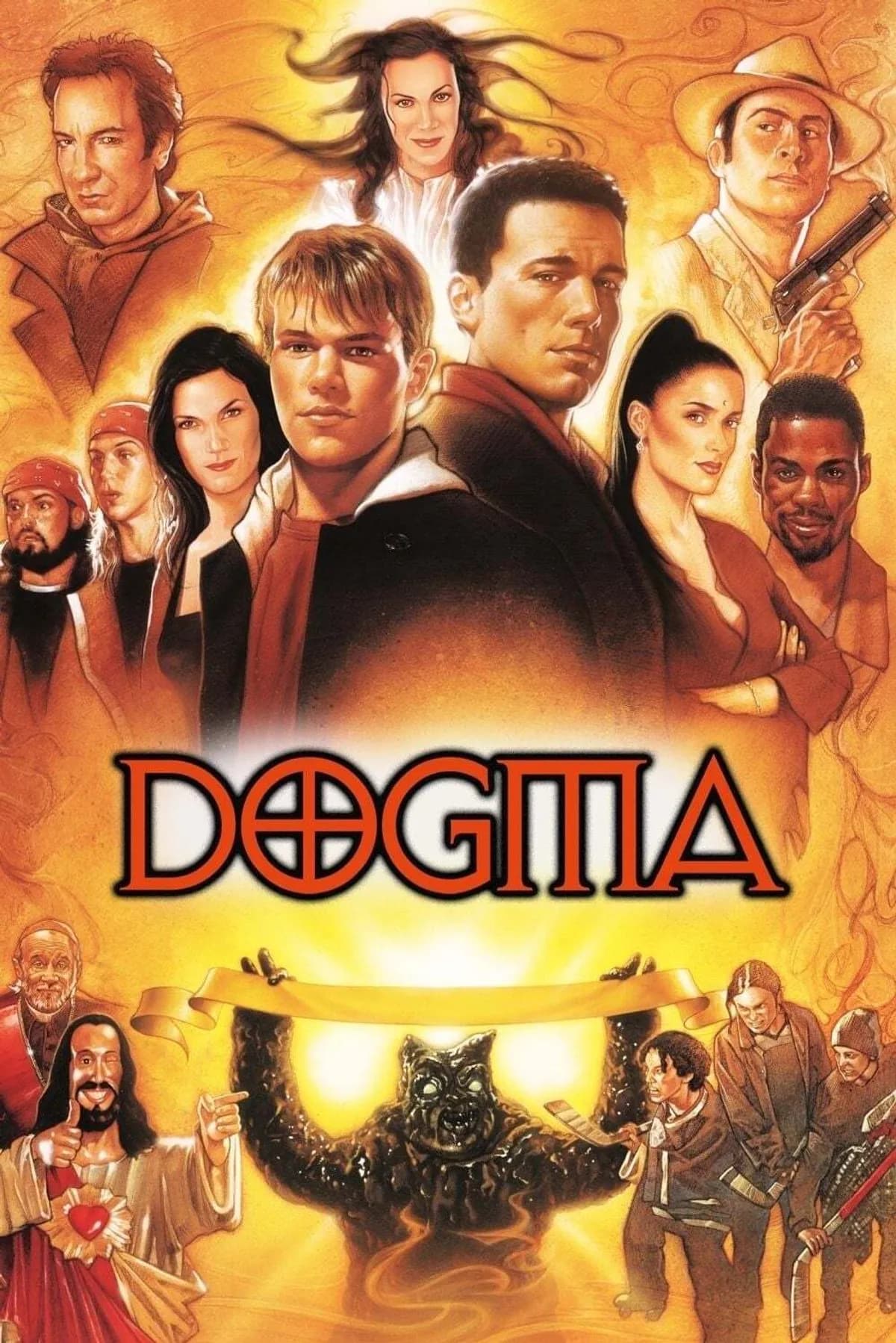
Dogma
Angels with agendas, a loophole in doctrine and one very disgruntled celestial — religion has rarely been this rude.
// The setup
PLAYBACK STARTED
Dogma is the kind of film that starts an argument and keeps it interesting. Kevin Smith sends two fallen angels on a mission that’s equal parts cosmic prank and revenge, then hands the response to a motley band of believers, sceptics and plain weirdos. It’s funny, thorny and still stubbornly unwilling to give easy answers.
THE MOVIE
Bartleby is still the reason this movie works
Start with the obvious: Dogma is a movie about two fallen angels who spot a loophole in Catholic doctrine and decide to use it to get back into Heaven. That scheme — a newspaper clipping about a church rededication and a plenary indulgence — is the public, ridiculous heartbeat of the plot.
But what gives the whole thing teeth is Bartleby: an angry, rebellious angel who’s not trying to be subtle about his motives. He’s less interested in redemption than in sticking it to the idea of divine authority, and that grievance frames the film’s voice.
Kevin Smith wrote and directed the film, and he runs its tone like a debate you overhear in a pub — loud, opinionated and sometimes sharp as a rasp. That mixture of comedy, fantasy and argument is exactly why revisiting Dogma still feels like sitting down with someone who wants to make you think while making you laugh.
THE SETUP
The idea that sets Dogma in motion
Dogma’s plot is a clever shorthand: two fallen angels find what they think is a doctrinal loophole and plan to exploit it. The mechanics are playfully bureaucratic — a newspaper notice about a church’s rededication and the promise of a plenary indulgence becomes the shape of their scheme.
That public, almost administrative detail is useful because it turns theological stakes into a small, concrete target: get into the rededicated church and the angels reckon they can use the indulgence to alter creation itself.
The rest of the film follows the familiar road-movie pattern: a reluctant human, a handful of unlikely allies and a timetable. Bethany Sloane and a ragtag crew — including the two prophesied ‘prophets’ and a self-styled thirteenth apostle — are pushed into the job of stopping the angels before the ceremony.
There’s a pleasing contrast between the cosmic consequence the angels imagine and the everyday absurdities the heroes must navigate. The setup keeps the stakes large without ever losing sight of the film’s appetite for jokes and human-scale complications.
THE CHARACTER
Why Bartleby matters
Bartleby isn’t a smirking villain so much as a live wire of resentment. The plot needs a plausible motivator for a scheme that could erase creation, and his anger at divine authority supplies it: he wants back into Heaven as a form of revenge.
That single-mindedness keeps the story honest. A film that treats theology as plot currency needs someone who believes the bet is worth making, and Bartleby is exactly that kind of believer — furious, persuasive and unbothered by nuance.
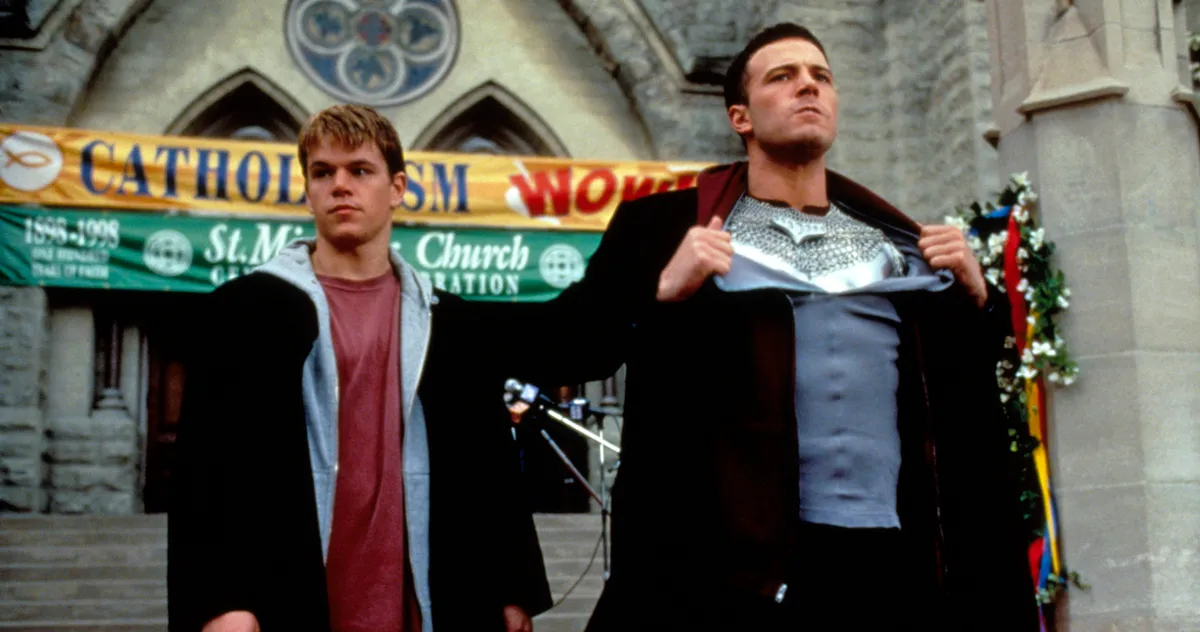
His presence also gives the other characters something reactive to do. The ragtag team thrown against him — from Bethany to Jay and Silent Bob and Rufus — are most interesting because they must answer not just the plan, but the question Bartleby poses: who has the right to decide what faith even looks like?
Finally, Bartleby anchors the film’s tone. With him, the movie can swing from satire to sincerity and back again without losing momentum. Everything else in Dogma orbits that grievance.
THE PERFORMANCE
Why Alan Rickman's performance matters
Alan Rickman plays Metatron, the celestial mouthpiece who intervenes in Bethany’s life and the plot’s human-scale bureaucracy. The casting choice gives the part an immediate sense of gravity.
There’s a clear, documented reaction to the role: Rickman’s work earned industry recognition, including a Satellite Awards nomination for supporting actor.
That nod matters because Metatron is the film’s link between the abstract idea of God and the messy human cast trying to make moral sense of what’s happening. The fact his turn was singled out in awards circles shows the part provided a tonal anchor that critics and peers could register.
So even when the movie is at its most flippant, Metatron provides a counterweight — a reminder that the film is also trying to be taken seriously about certain questions.
UNDER THE SURFACE
Dogma has more on its mind than the plot suggests
On the surface Dogma is a save-the-world comedy. Underneath, it’s an argument about authority and choice: the angels are furious at the limits their roles once imposed, which makes the film into a debate about free will versus hierarchy.
That argument naturally pitches institutional religion against lived belief. The movie isn’t content to lampoon rituals and doctrine; it keeps circling back to what happens to people who try to hold faith in private when institutions get heavy-handed.
Redemption and doubt thread through the jokes. Characters are constantly reassessing what forgiveness, responsibility and belief actually mean when the stakes feel both cosmic and embarrassingly human.
And because Smith’s film is satirical, ritual becomes fair game — not to destroy faith, but to question whether some practices obscure the things they originally claimed to protect.
THE FILMMAKING
How Dogma was put together
Dogma needed to make the unearthly feel physical without losing the comic tone, so the production assembled a strong production-design and effects team to give the weird stuff a presence you could walk around in.
Robert Holtzman led production design while dedicated special and creature-effects supervisors helped realise tangible creations — the film wanted things that looked like they belonged on a set, not merely tacked-on pixels.
That practical approach lets the film switch registers: one moment you’re laughing at a line, the next you’re looking at something strange and tangible in the scene and having to take it seriously.
Those choices shape how the comedy and the fantasy coexist; the movie trusts objects and creatures to sell its surreal moments rather than leaving everything to suggestion.
PRACTICAL EFFECTS
The effects work that gives Dogma its physical personality
Dogma leans on a practical creature-effects team to make some of its stranger moments feel tangible. The Golgothan and the Stygian Triplets, for example, were realised through practical creature work.
Makeup and creature work were combined with more conventional visual techniques to bridge the film’s comic and uncanny beats, meaning the weirder sequences were physically present instead of merely implied.
That practical-first attitude matters because it grounds the film’s surreal elements: when a creature walks into frame, the actors and the camera have something real to react to.
It’s a small but crucial production choice that keeps the film’s fantasy from drifting into the abstract.
PURE 80S
Dogma could not belong to any other decade
Dogma sits firmly in the late-1990s indie moment: it premiered at Cannes in 1999 and reached U.S. cinemas that November, which placed it on the festival-to-theatre route many smart comedies took at the time.
It’s also an evolution of Kevin Smith’s View Askewniverse — the film is the fourth entry in that continuity, arriving after earlier 1990s Smith pictures and carrying the same mix of low-budget instincts and confident casting.
That period favoured filmmakers who could marry a scrappy aesthetic with recognizable names, and Dogma is a neat example: it owes as much to the indie circuit’s appetite for offbeat ideas as it does to Smith’s established comic world.
Seen in that light, the film’s blend of argument and irreverence feels like a product of its moment — conversational, theatrical and a little delighted to annoy people.
WATCHING IT NOW
What has aged — and what hasn't
Some aspects of Dogma hold up precisely because they’re about people arguing. The film’s roster — from Jay and Silent Bob to Rufus, who styles himself the thirteenth apostle — still reads as a lively ensemble of odd companions on a road mission.
That connection to Smith’s earlier films matters too: Dogma sits in the same continuity as Chasing Amy and other View Askewniverse pieces, so returning viewers get the pleasure of familiar characters showing up in new roles.
Certain casting choices remain a clear feature of the movie’s identity. For instance, Chris Rock’s inclusion as Rufus is one of those moments that still surprises and cuts through the scene-level chatter.
Where Dogma dates is less about story than tone — its argumentative, take-no-prisoners energy is very of its time. If that style suits you, the film still crackles; if it doesn’t, the relentless disputation can feel exhausting.
THE LEGACY
Why Dogma still matters
Dogma’s afterlife isn’t built on an absence of controversy. The film’s irreverent treatment of Catholic doctrine drew organised protests, and that controversy even altered its distribution: Disney removed its label, and Miramax executives purchased the rights to enable the release.
It did well against a modest budget, grossing in the tens of millions worldwide and becoming the highest-grossing title in the View Askewniverse at the time — a commercial footprint that kept the conversation going.
The combination of festival profile, box-office reach and provocation secured Dogma a stable place in discussions about late-1990s American indie cinema and films that satirise organised religion.
Alan Rickman’s recognised supporting work in the film — his industry nods included a Satellite Awards nomination — also helped lend the movie a seriousness that critics and viewers could point to amid the laughs.
THE VERDICT
Does Dogma still hold up?
Short answer: yes — if you’re prepared for a film that wants to argue with you. Dogma mixes a save-the-world plot (two fallen angels hoping to exploit a doctrinal loophole) with low-key road-movie beats and a cast of odd companions; those elements still make for a lively, occasionally infuriating watch.
It helps that the movie keeps its subjects anchored in characters. Bethany’s reluctant involvement, the ragtag mission to stop the angels at a church rededication in Red Bank, and Bartleby and Loki’s personal grievances all give the satire something to push against.
There are moments that reward modern audiences: some of the supporting players cut through with surprising clarity, and reviewers at the time singled out the Metatron role for bringing gravitas and a steady comic deadpan to the proceedings. That balance between irreverence and seriousness is the film’s greatest asset.
If you want a gentle, cosy revisit, this isn’t it. But if you enjoy a movie that is argumentative, smart enough to be funny about faith and willing to get its hands dirty in theological squabbles, Dogma still repays a watch.
Share this movie
// Keep watching
More movies from the 90s
If Dogma is your kind of movie, there's plenty more on the shelves worth rewinding.
1999 // VHS
10 Things I Hate About You
Sibling rules, a rooftop serenade and one very stubborn Kat — Shakespeare in a school corridor.
1999 // VHS
American Beauty
Lester Burnham, suburban rot and a midlife argument that still stings.
1999 // VHS
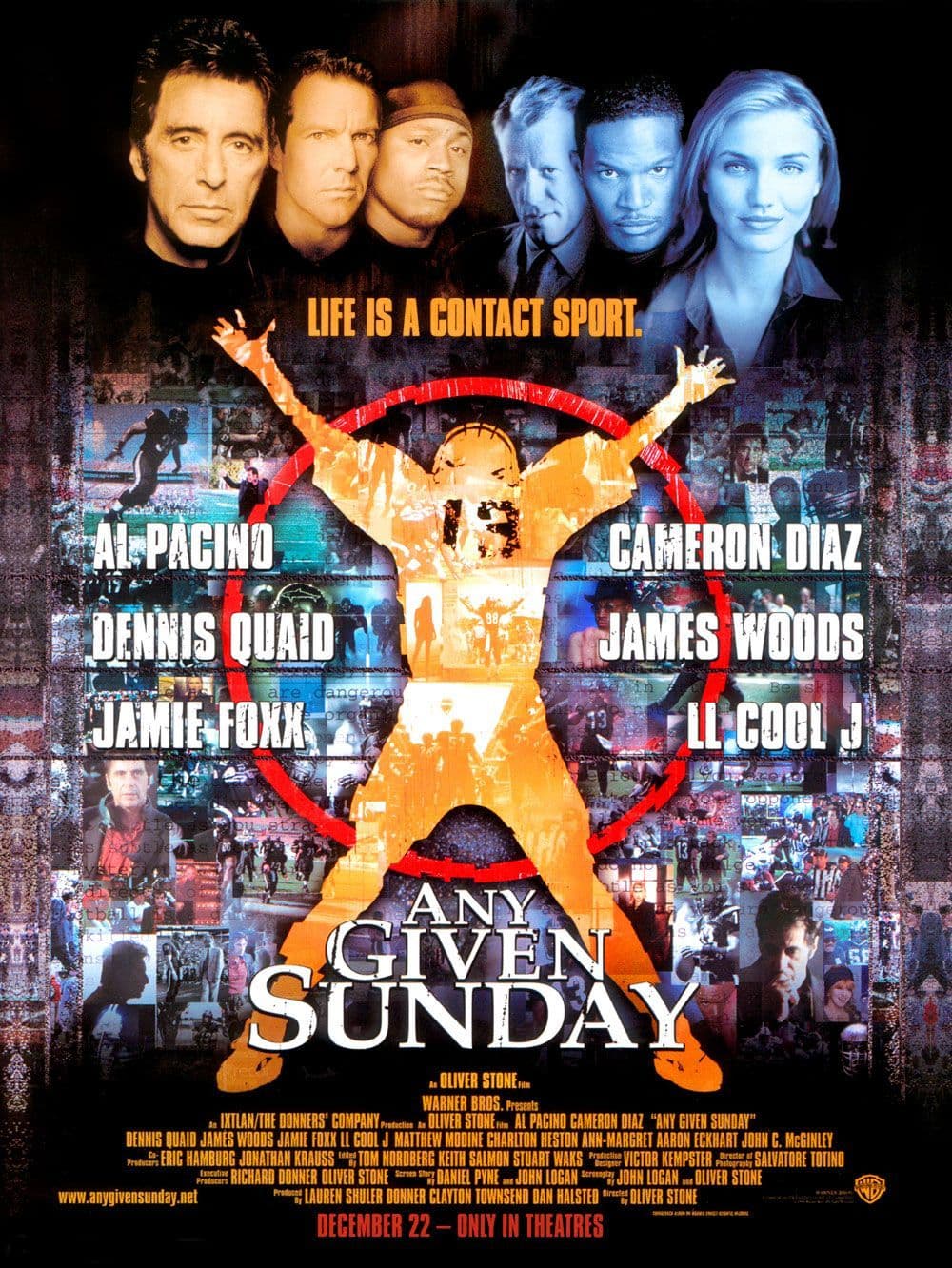
Any Given Sunday
Al Pacino's coach anchors the chaos of a film about football turned into product — loud, messy and oddly persuasive.