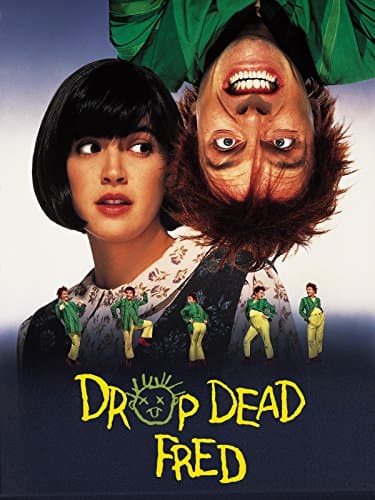
Drop Dead Fred
A grown-up woman, her childhood troublemaker and a jack‑in‑the‑box — childish chaos with oddly adult teeth.
// The setup
PLAYBACK STARTED
Drop Dead Fred still gets a reaction because it pairs a tantruming imaginary friend with a woman who has never been allowed to throw one. It’s noisy, daft and occasionally uncomfortable — and precisely because of that it asks questions about childhood, control and whether play can ever be an act of survival.
THE MOVIE
Elizabeth 'Lizzie' Cronin is still the reason this movie works
If you remember nothing else about Drop Dead Fred, you probably remember the rude, anarchic presence — Rik Mayall’s Fred — who arrives like a hand grenade in an ordinary kitchen. But the movie’s true hold is quieter: Phoebe Cates’s Elizabeth, the woman whose life Fred upends. The film is built around that reunion between an adult who has been keeping things small and an imaginary companion who will not accept smallness.
The setup is simple and theatrical: after a humiliating run of events and the collapse of her marriage, Elizabeth finds the old jack‑in‑the‑box that housed her childhood friend and, by opening it, invites Fred back into her life. That single conceit explains the comedy and the trouble — it’s mischief as an emotional intervention.
Directed by Ate de Jong and running under an hour and three‑quarters, Drop Dead Fred arrived in 1991 with a punchy oddness that reviewers at the time found hard to place. Contemporary critics flagged Rik Mayall’s manic energy as the film’s dominant presence while grumbling at an uneven tone; yet over the years the film has quietly built a following that keeps people returning to its particular mix of silliness and sore feelings.
THE SETUP
The idea that sets Drop Dead Fred in motion
At its most functional, the film is a neat bit of fantasy comedy: an unhappy, grown‑up woman reconnects with the imaginary friend who once helped her get through childhood. That reunion is a literal plot device and an emotional one; it gives the story a way to stage inner conflict as visible chaos.
The inciting image — Elizabeth’s discovery of the jack‑in‑the‑box after a string of humiliations and the breakdown of her marriage — is deliberately theatrical. It’s a tidy trigger: open the toy, and the past walks back in, loudly.
From there the movie leans into the mismatch between Fred’s refusal to behave and Elizabeth’s obligations as an adult. Fred’s antics are not background decoration; they actively change how other people see Elizabeth and force those around her to confront hypocrisies and pressure she has long absorbed.
Crucially, the film keeps returning to the same emotional source: Elizabeth’s relationship with her mother and the memory of specific childhood events. That tether stops the pranks becoming mere slapstick and gives the story a clearer idea of what the comedy is trying to dislodge.
THE CHARACTER
Why Elizabeth 'Lizzie' Cronin matters
Elizabeth isn’t memorable because she’s spectacular; she’s memorable because she’s recognisably stuck. The movie introduces her as someone who has learned to be small: passive, repressed and determined — at first — to patch up the marriage that’s fallen apart.
That passivity is not a neutral trait in the film; it’s the problem. Everything Fred does is aimed at pulling the lid off long‑buried things — especially the pressure applied by Polly, Elizabeth’s controlling mother. The mother’s treatment is framed repeatedly as the source of Elizabeth’s paralysis, which turns what could have been a one‑note comedy into something with teeth.
Supporting figures — the husband, the friends and the glimpses of Lizzie as a child — exist to reflect how far removed this adult is from herself. They’re small mirrors that emphasise the gap between her public life and the person she used to be.
So the movie’s emotional weight rests on Elizabeth’s slow refusal to accept being unreadable. She’s the lens through which the chaos feels consequential rather than merely noisy.
THE PERFORMANCE
Why Phoebe Cates's performance matters
Contemporary notices singled out the film’s clown — Rik Mayall — but they also used a telling phrase about Phoebe Cates: that she supplies a vulnerable, girlish quality to Elizabeth. That description matters because the film asks us to care about a character whose natural posture is to fold away.
Her version of vulnerability is the foil for Fred’s brassiness. If Fred is the loud corrective, Elizabeth’s smallness lets the film show what is at stake: not a pratfall, but a person who’s been taught not to make noise.
Put simply, the movie depends on someone who can plausibly be pushed and changed. The contemporary record notes that is what Cates brings to the role.
UNDER THE SURFACE
Drop Dead Fred has more on its mind than the plot suggests
The film dresses itself as a fantasy comedy, but its recurring ideas are plainly psychological: imaginary friends are here as literal symptoms of adult psychology. Fred’s return functions as a dramatized memory, the sort that refuses to be politely shelved.
There’s also an explicit argument about maternal control. Polly’s domination is not a subplot; it’s the pressure that shaped Elizabeth’s habit of shrinking. The film keeps drawing a line from childhood correction to adult timidness.
Playfulness and responsibility sit opposite one another throughout the movie. Fred insists on play because play becomes the only language that moves Elizabeth; the movie is interested in whether mischief can be productive rather than merely destructive.
Finally, the fantasy framing lets the film stage recovery. The story treats trauma and repair through the conventions of a comic fable: the thing that returns to unsettle the present does so in order to free the character from old patterns.
THE FILMMAKING
How Drop Dead Fred was put together
Drop Dead Fred is made by a small crew of credited technicians whose names give you a practical shorthand for the film’s look and rhythm: Peter Deming as cinematographer, Marshall Harvey as editor and Joseph T. Garrity handling production design. Those credits tell you the movie was assembled by people who could move between comedy and mildly surreal staging.
This is not a film that hides its mechanical choices. The production credits and the way scenes are arranged make the movie feel constructed on purpose — an essential quality when fantasy needs to collide with the everyday.
Because the design and editing choices frequently switch the tone from domestic to outlandish, having a coherent crew keeps the film watchable even when the script broadens into black‑comedy territory.
All of which is a roundabout way of saying the film’s identity is practical: it’s a modestly scaled, clearly credited production rather than a fuzzily assembled one.
PRACTICAL EFFECTS
The effects work that gives Drop Dead Fred its physical personality
The film leans on hands‑on effects: stop‑motion and puppet animation are credited, which tells you some sequences were achieved with literal models and careful frame‑work rather than being painted in later.
Alongside that, the credits name visual‑effects production and special‑effects coordination, signalling a mixture of staged stunts and supervised visual tricks. The result is a tactile approach to the movie’s oddities.
That blend makes the surreal elements feel planted in the same room as the cast — which is important when the joke depends on imaginary mayhem colliding with ordinary people.
In short: the effects aren’t theatre‑size illusions. They’re the sort of craft that lets pratfalls and impossibilities sit in the same frame and read as part of the same world.
PURE 80S
Drop Dead Fred could not belong to any other decade
The film’s origins are a small-time example of early‑1990s industry habits: financed by PolyGram and marking Working Title Films’ first U.S. production, it sits in that moment when British‑linked companies were reaching for transatlantic projects.
That production context helps explain its tone — a British comic appetite grafted onto an American‑set fantasy — and why it can feel slightly out of step with mainstream Hollywood comedies of the moment.
Over time, the film’s afterlife — the cult audience and later boutique home‑video interest — has become part of its identity. It’s a picture that never quite found its crowd on release but that later found the precise viewers who appreciate its peculiarities.
So Drop Dead Fred feels of its moment not because of obvious style cues but because of how it was financed, produced and eventually reclaimed by a niche audience.
WATCHING IT NOW
What has aged — and what hasn't
People who revisit the film now usually come for two things: the aggressive comic energy of Rik Mayall and the strange sympathy the story has for a woman who has been taught to vanish. Critics at the time were split — they noted Mayall’s presence but complained the tone wobbled — and that same wobble is still the movie’s most obvious flaw.
Where the film holds up is in that emotional arrangement: a childish figure returns to force an adult to notice old injuries. That setup still has bite because the question it asks — can play be a means of repair? — remains legible.
What hasn’t aged as gracefully is the film’s unevenness. Scenes can flip awkwardly between broad black comedy and sincere family grievance, and modern viewers may find the shifts jarring.
Even so, the fact that the movie built a cult following and drew later boutique reissues suggests it continues to offer something distinctive enough to reward patient viewers.
THE LEGACY
Why Drop Dead Fred still matters
The clearest mark of the film’s afterlife is its cult audience. Over subsequent decades, interest never quite died: boutique labels and industry coverage documented plans to reissue archival editions for viewers who’d made the film their own.
There was even trade talk in 2009 about redeveloping the property with a contemporary comedian attached to the title role. That project did not reach production by 2016, but the chatter alone shows the story keeps returning to industry minds as something worth rethinking.
What matters practically is not that the film rewired cinema but that it found a second life. It lives now as a niche favourite — a movie people bring up when they want to recommend a peculiar, slightly awkward piece of fantasy comedy.
So its legacy is a modest, durable one: not a blockbuster history but a steady, affectionate afterlife among viewers and occasional home‑video curators.
THE VERDICT
Does Drop Dead Fred still hold up?
Yes — if you come expecting something both daft and emotionally pointed. The film’s premise is simple: a woman’s old imaginary friend returns to unsettle her adult life, and that setup lets the story stage real conflicts about control, repression and recovery without turning every scene into therapy.
What saves the picture is the combination of roles and motives: Elizabeth’s learned smallness, a controlling mother and a husband whose abandonment does real damage, all of which makes Fred’s chaos feel like a necessary provocation rather than mere anarchy.
The movie still creaks. It jumps between broad black comedy and sincere family drama in ways that can feel uneven. But Rik Mayall’s unignorable presence and the emotional logic that ties the pranks back to Lizzie’s past mean it rarely descends into purposeless noise.
So should you watch it now? If you like a film that is messy but willing to ask awkward questions about why adults stop listening to themselves, Drop Dead Fred rewards a watch. It isn’t flawless, but it is peculiar in a way that’s hard to forget — a loud, grubby little reminder that sometimes mischief is the only honest response to being silenced.
Share this movie
// Keep watching
More movies from the 90s
If Drop Dead Fred is your kind of movie, there's plenty more on the shelves worth rewinding.
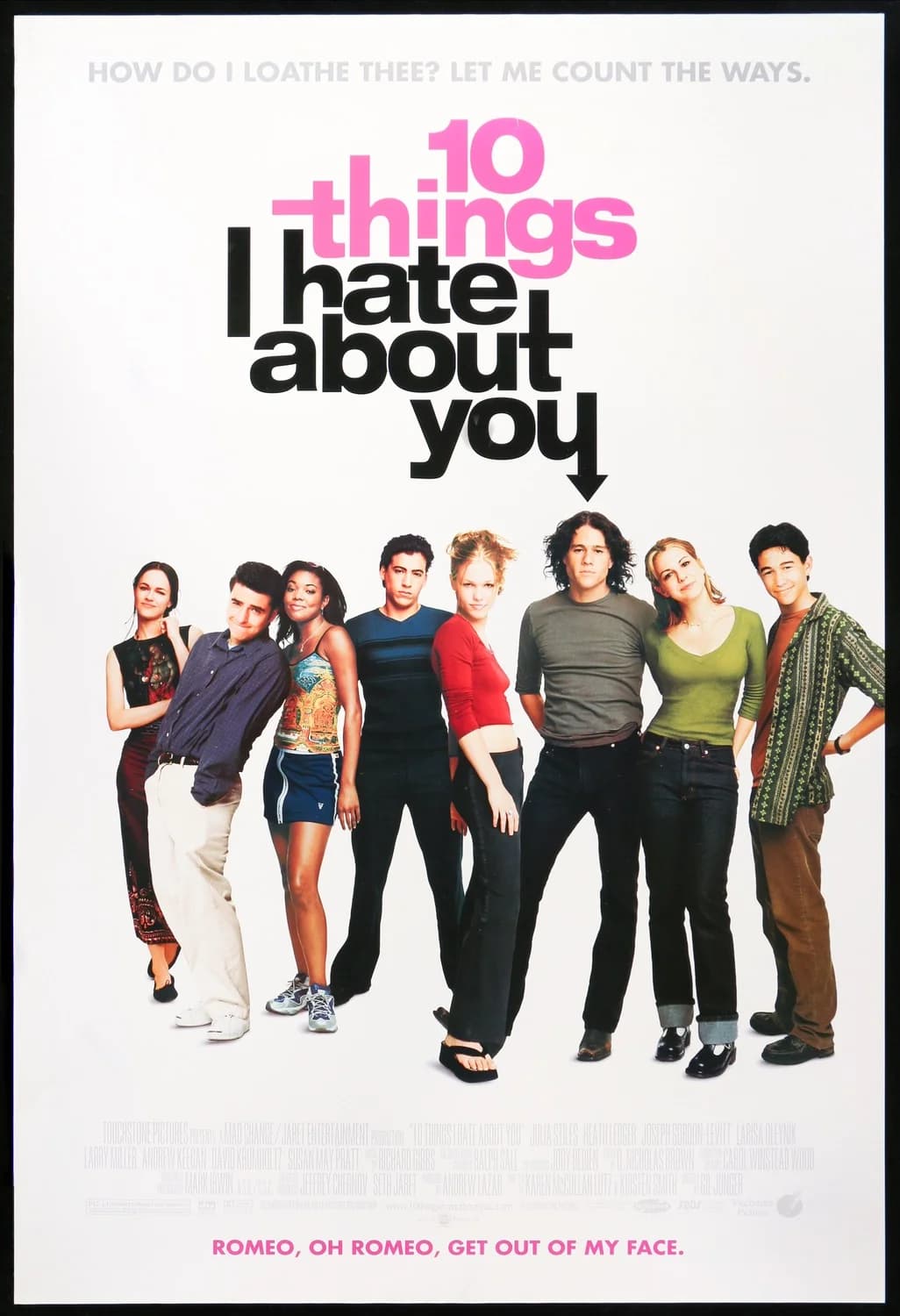
1999 // VHS
10 Things I Hate About You
Sibling rules, a rooftop serenade and one very stubborn Kat — Shakespeare in a school corridor.
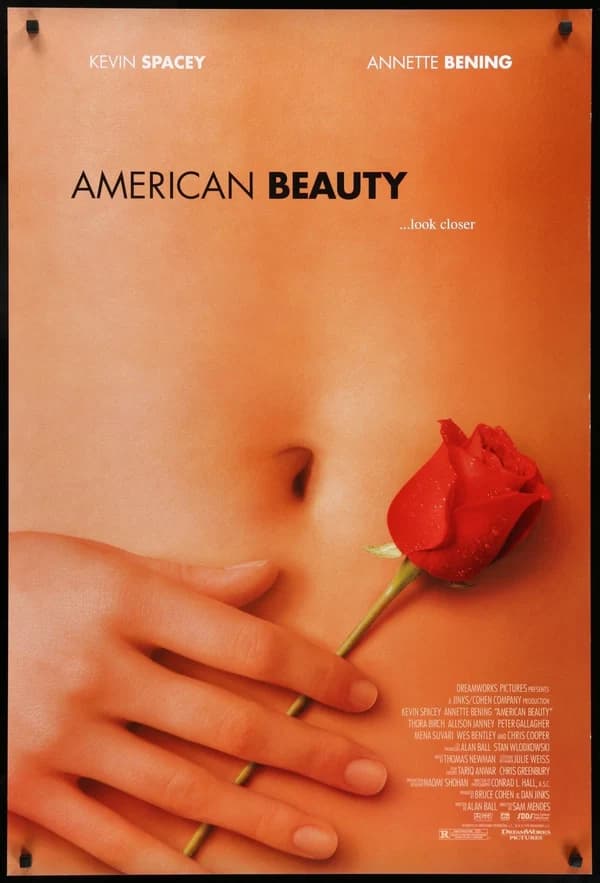
1999 // VHS
American Beauty
Lester Burnham, suburban rot and a midlife argument that still stings.
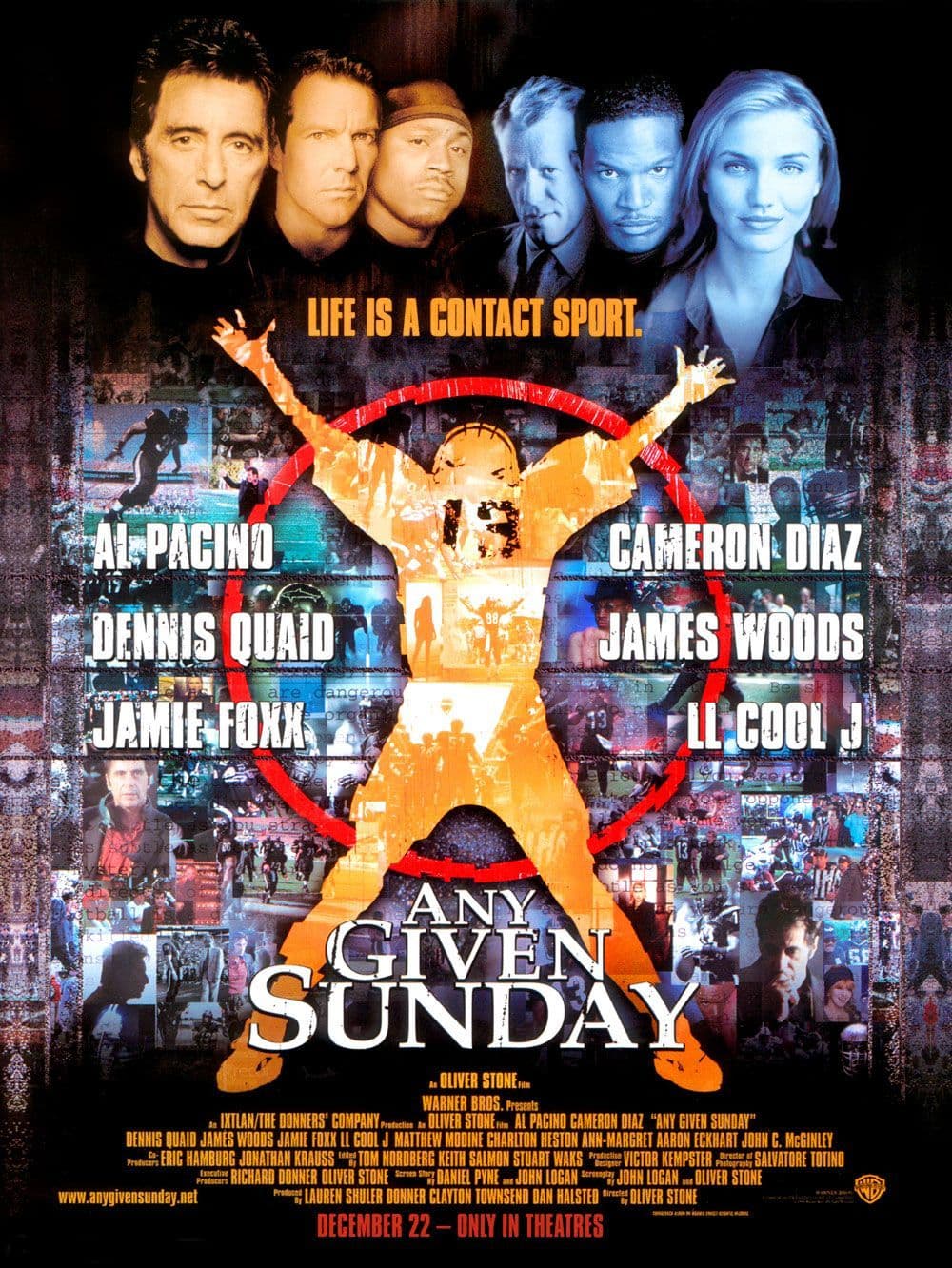
1999 // VHS
Any Given Sunday
Al Pacino's coach anchors the chaos of a film about football turned into product — loud, messy and oddly persuasive.