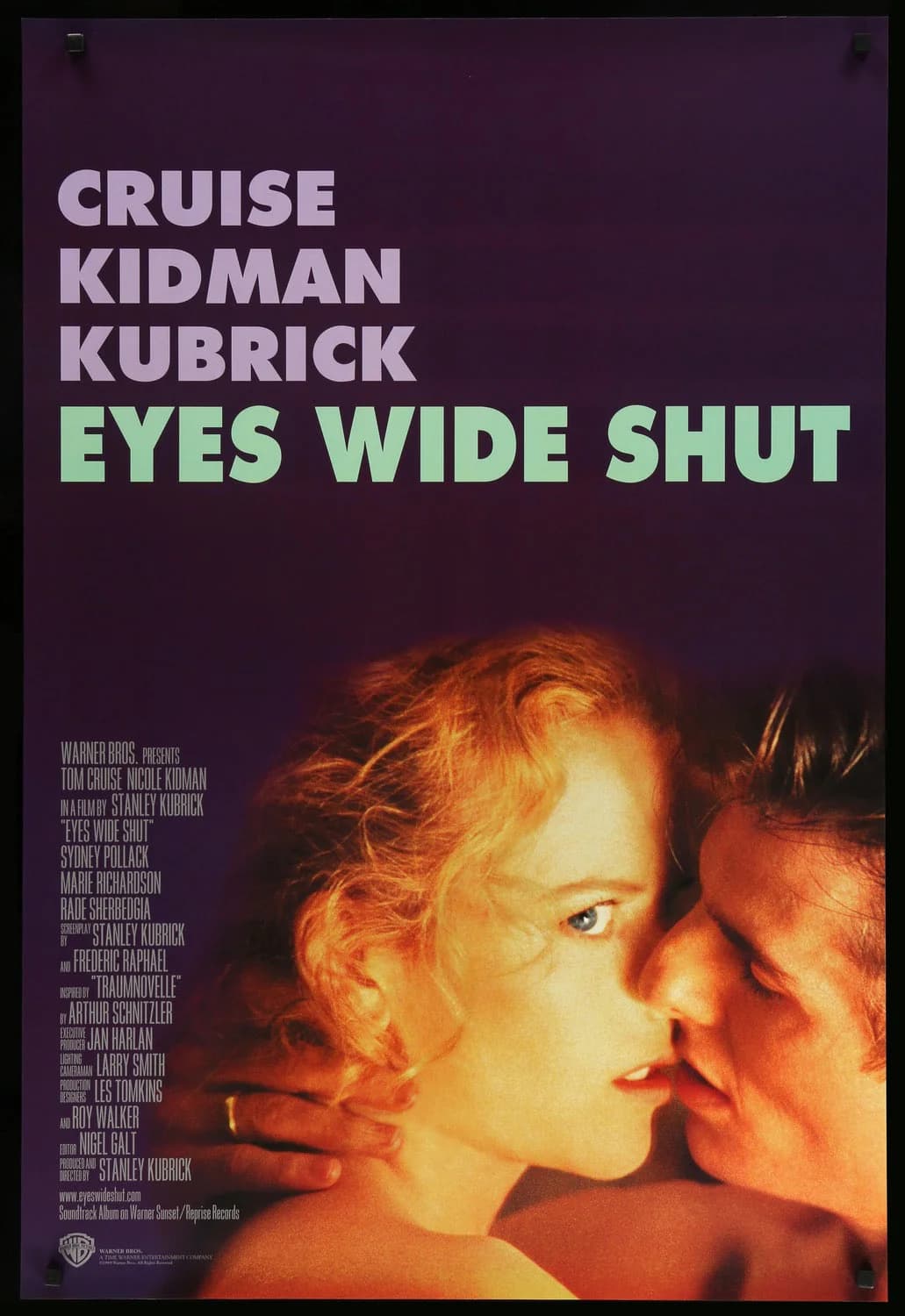
Eyes Wide Shut
A very long night, jealous impulses and a masked doorway into power.
// The setup
PLAYBACK STARTED
If you remember Eyes Wide Shut at all, you probably remember one person wandering through a city that feels both familiar and staged: Dr Bill Harford. Stanley Kubrick’s last film keeps coming back into conversation because it makes a husband’s jealousy feel like a map — one that leads to temptation, secrecy and a startling ritual at the end of the street.
THE MOVIE
Dr. William "Bill" Harford is still the reason this movie works
People still talk about Eyes Wide Shut because it’s essentially Bill Harford’s movie: a prosperous Manhattan doctor who wakes up to a confession from his wife and decides, for better or worse, to walk it off at midnight.
That private confession at a Christmas party — a line that rocks the couple’s marriage — is the small shove that sends Bill on a single-night odyssey across the city in search of answers, encounters and proof of himself.
All of which arrives in a very Kubrickian package: this is a film directed and produced by Stanley Kubrick, anchored by Tom Cruise as Bill and Nicole Kidman as Alice, and stretched across a deliberate 159 minutes that lets the night breathe and unsettle.
THE SETUP
The idea that sets Eyes Wide Shut in motion
At its clearest, the film is simple: Bill’s world is destabilised when Alice admits to fantasising about another man, and he spends a night trying to make sense of that admission.
That night isn’t a linear chase so much as a chain of encounters — a prostitute named Domino, an old acquaintance who’s playing a gig, a missed appointment that becomes a key — each one nudging Bill into stranger territory.
The further he goes, the more the ordinary world slips into something ritualised: his curiosity ends at an underground, masked gathering run by a secret society, and his presence there, uninvited, turns curiosity into real danger.
Kubrick rehomes Arthur Schnitzler’s Traumnovelle in contemporary New York, deliberately blurring waking life and dreamlike fantasy so the setup feels both intimate and ominous.
THE CHARACTER
Why Dr. William "Bill" Harford matters
Bill matters because the film funnels everything — curiosity, danger, jealousy — through him. He’s the lens the audience follows when the ordinary rules of marriage and propriety start to wobble.
He’s also a recognisable figure on paper: a successful Manhattan physician whose private life gets destabilised by something domestic and embarrassingly human — his wife’s confession.
The story needs Bill to be both comfortable enough in his life to risk it and insecure enough to be wounded by a fantasy. That tension is the engine that keeps the nocturnal episodes moving.
Casting-wise, the film makes the most of a high-profile central pair; Tom Cruise plays Bill while Nicole Kidman plays Alice, and that pairing shapes how viewers read those private scenes.
THE PERFORMANCE
Why Tom Cruise's performance matters
You can’t talk about the film’s public life without noting how critics at the time fixated on the central pairing — Cruise and Kidman — and how that off-screen relationship complicated what was on screen.
That background attention changed how audiences watched intimate scenes: the performers’ private history became a filter for Bill’s jealousies and Alice’s admission.
The film leans on that complication. Whether viewers find the characters sympathetic or opaque often depends on how much they bring the real-world story into the screening room.
So, one reason the performance discussion persists is straightforward: the pairing made private marital trouble feel oddly public, and that tension has never quite gone away.
UNDER THE SURFACE
Eyes Wide Shut has more on its mind than the plot suggests
On the surface it’s a mystery-thriller about a man trespassing into a dangerous ceremony. Underneath, it’s a study of jealousy — sexual and otherwise — and how that emotion distorts what we see and what we imagine.
Voyeurism threads through the film: Bill watches, is watched, and keeps entering spaces where observation and desire are dangerously close. That makes many scenes feel like moral tests rather than plot points.
Secrecy and power are paired: the masked gathering isn’t just erotic spectacle, it’s ritual wrapped in privilege, and Bill’s lack of access exposes the social limits around him.
Finally, Kubrick stages the story as a collision of dream and waking life — the film toys with whether what happens is a fantasy, a nightmare or an honest reckoning inside a marriage.
THE FILMMAKING
How Eyes Wide Shut was put together
Kubrick’s fingerprints are all over the production credits: while Larry Smith is listed as director of photography and Nigel Galt as editor, Kubrick supervised the film’s visual design and lighting himself.
Those credits matter because the film’s look and pacing feel carefully controlled; even in long, talk-heavy scenes the visual choices aren’t casual — they serve the film’s steady pull between intimacy and distance.
Kubrick also completed the editing and screened a finished cut, a fact that frames the film as a deliberate late-career statement rather than an unfinished experiment.
All of which helps explain why the movie’s tempo can feel so particular: it’s not impatient to tell you what it means, and that patience is a compositional choice as much as a stylistic one.
PRACTICAL EFFECTS
The effects work that gives Eyes Wide Shut its physical personality
The masked ceremony relies heavily on large-scale staging and carefully choreographed tables and movement rather than on digital trickery to create its unsettling rhythm and crowd dynamics.
That physical, tableau-based approach helps the sequences feel like organised ritual rather than a montage of horny chaos; the humans and their positions matter in the frame.
At the same time, the film’s release history includes digital intervention: some shots in the masked-orgy scene were composited in postproduction to obscure explicit elements and meet U.S. rating rules.
So the effects strategy is mixed: practical staging for atmosphere, with targeted digital compositing to address the realities of distribution and censorship.
PURE 80S
Eyes Wide Shut could not belong to any other decade
You can’t separate the film’s reception from its moment: its marketing and the press coverage intersected with late-1990s tabloid interest in the real-life marriage of its two leads, which coloured how people first saw the film.
At the same time, the film arrived in an era where studios were still negotiating how to handle adult themes for mainstream audiences; the MPAA controversy over the masked sequence is a symptom of those tensions.
So Eyes Wide Shut sits at a crossroads: it’s a late-90s mainstream picture that pushes on erotic material while also being shaped by celebrity attention in a way a quieter production might not have been.
All of that context helps explain why the film felt larger than the screen when it first appeared.
THE LEGACY
Why Eyes Wide Shut still matters
The film has remained a magnet for deeper study: it’s been the subject of books, restorations and special releases, and scholars keep revisiting it through the Stanley Kubrick Archive.
Part of its afterlife is the conversation around the masked-orgy sequence and the MPAA dispute; the movie is often called up in debates about censorship and how digital alteration is used to secure ratings.
It’s also been included in major archival and retrospective programmes, which keeps the conversation alive beyond the original headlines and invites re-evaluation.
For all that surround-sound of gossip and controversy, people return to the film because it still prompts puzzling questions about desire, privilege and what it costs to look.
THE VERDICT
Does Eyes Wide Shut still hold up?
Yes — if you’re willing to watch a film that prefers mood and moral discomfort to neat plot payoffs. It’s a film about what happens when a private admission cracks a marriage open and a husband walks into the night to answer questions he can’t really ask.
The central mechanics remain compelling: Alice’s confession sends Bill on a single-night search; what he finds are episodic encounters that culminate in an illicit masked ceremony run by a secret society, and those encounters escalate his risk without ever turning the movie into conventional action.
That structure — an updated Traumnovelle set in New York — keeps the film slippery in a good way. Nick Nightingale’s role as the musician who provides the password, and Victor Ziegler’s function as a mediator into privilege, underline the social mechanics that frame Bill’s crisis.
If you accept Kubrick’s deliberate pace and the film’s appetite for moral ambiguity, Eyes Wide Shut still rewards: it’s a patient, unnerving night walk that asks uncomfortable questions about jealousy, temptation and who gets to look.
Share this movie
// Keep watching
More movies from the 90s
If Eyes Wide Shut is your kind of movie, there's plenty more on the shelves worth rewinding.
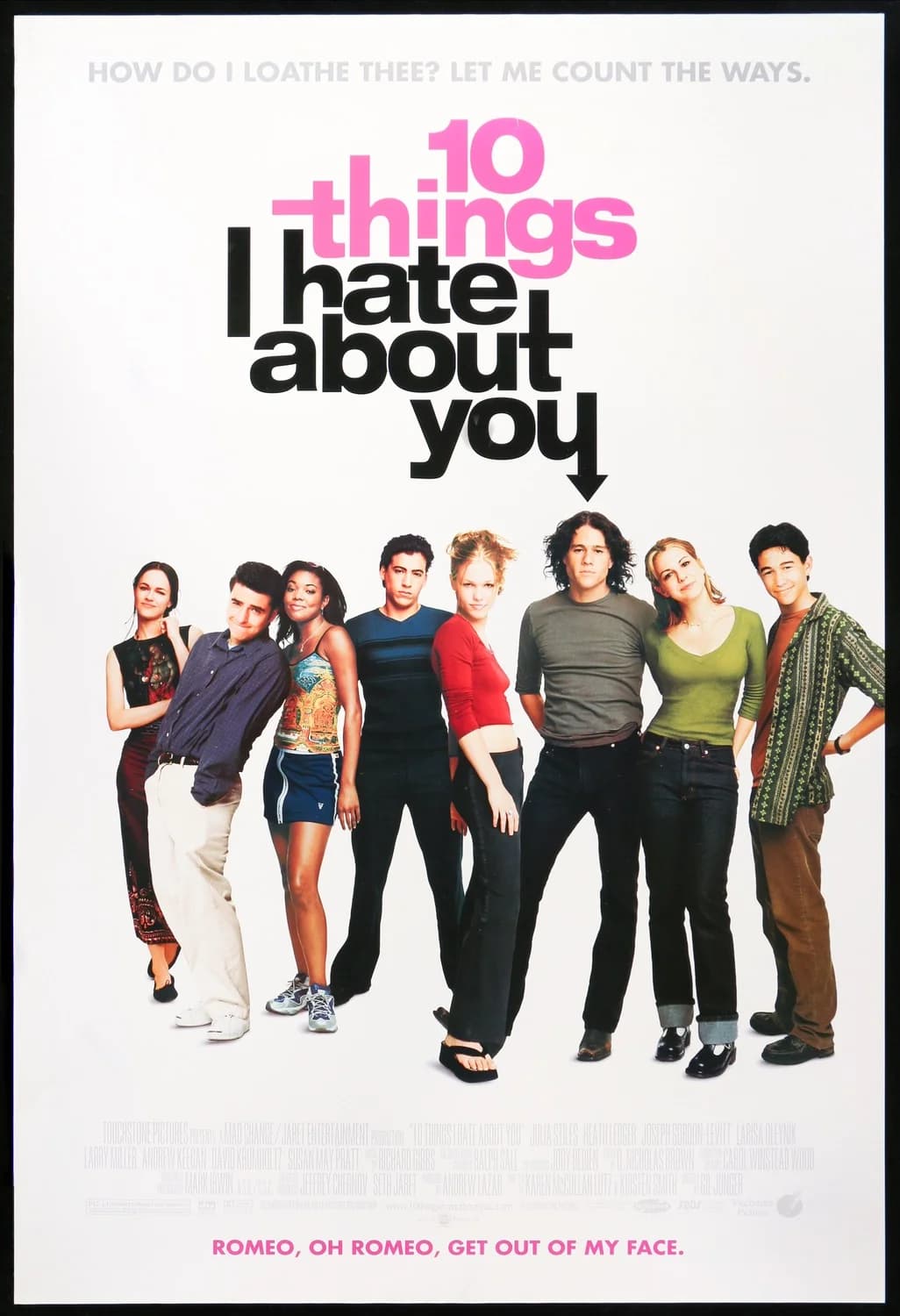
1999 // VHS
10 Things I Hate About You
Sibling rules, a rooftop serenade and one very stubborn Kat — Shakespeare in a school corridor.
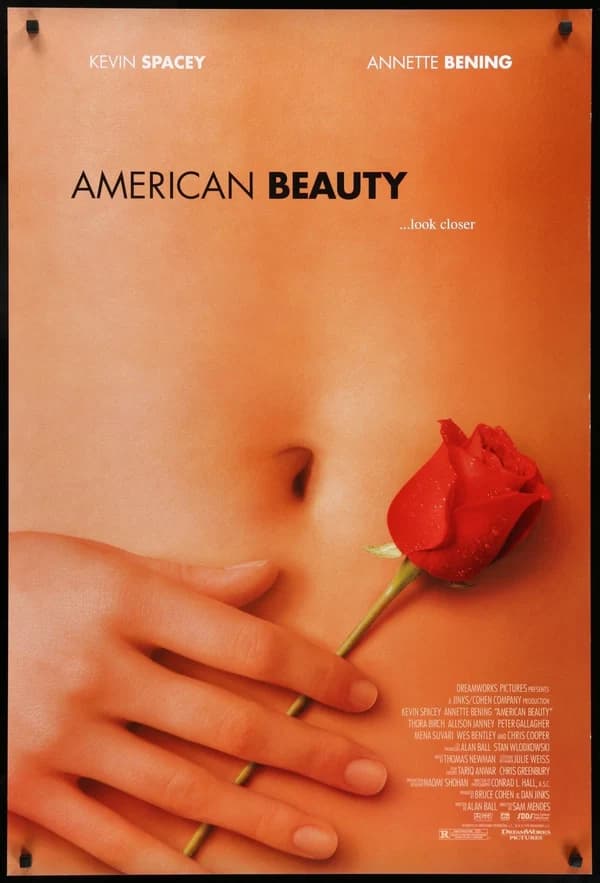
1999 // VHS
American Beauty
Lester Burnham, suburban rot and a midlife argument that still stings.
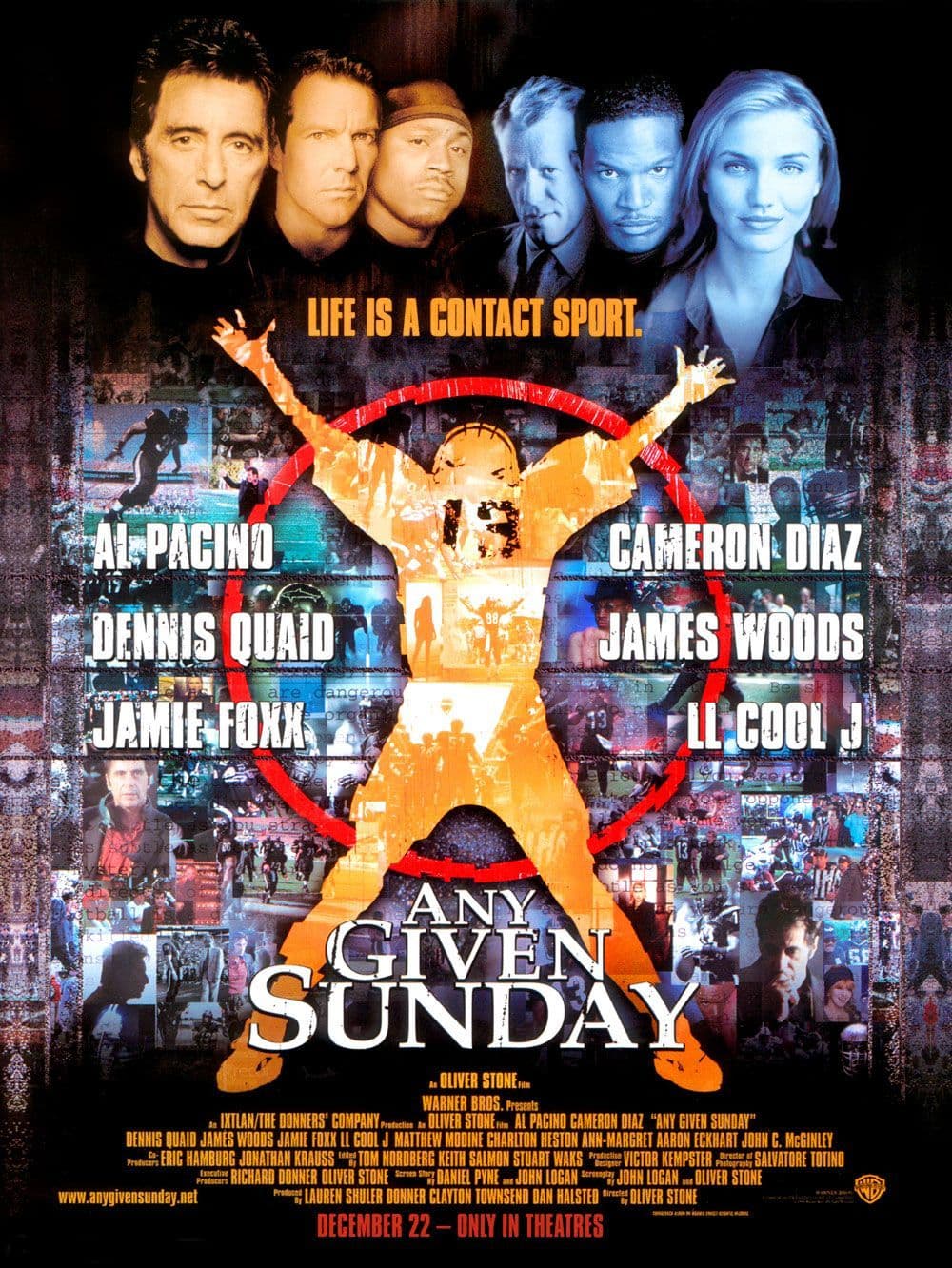
1999 // VHS
Any Given Sunday
Al Pacino's coach anchors the chaos of a film about football turned into product — loud, messy and oddly persuasive.