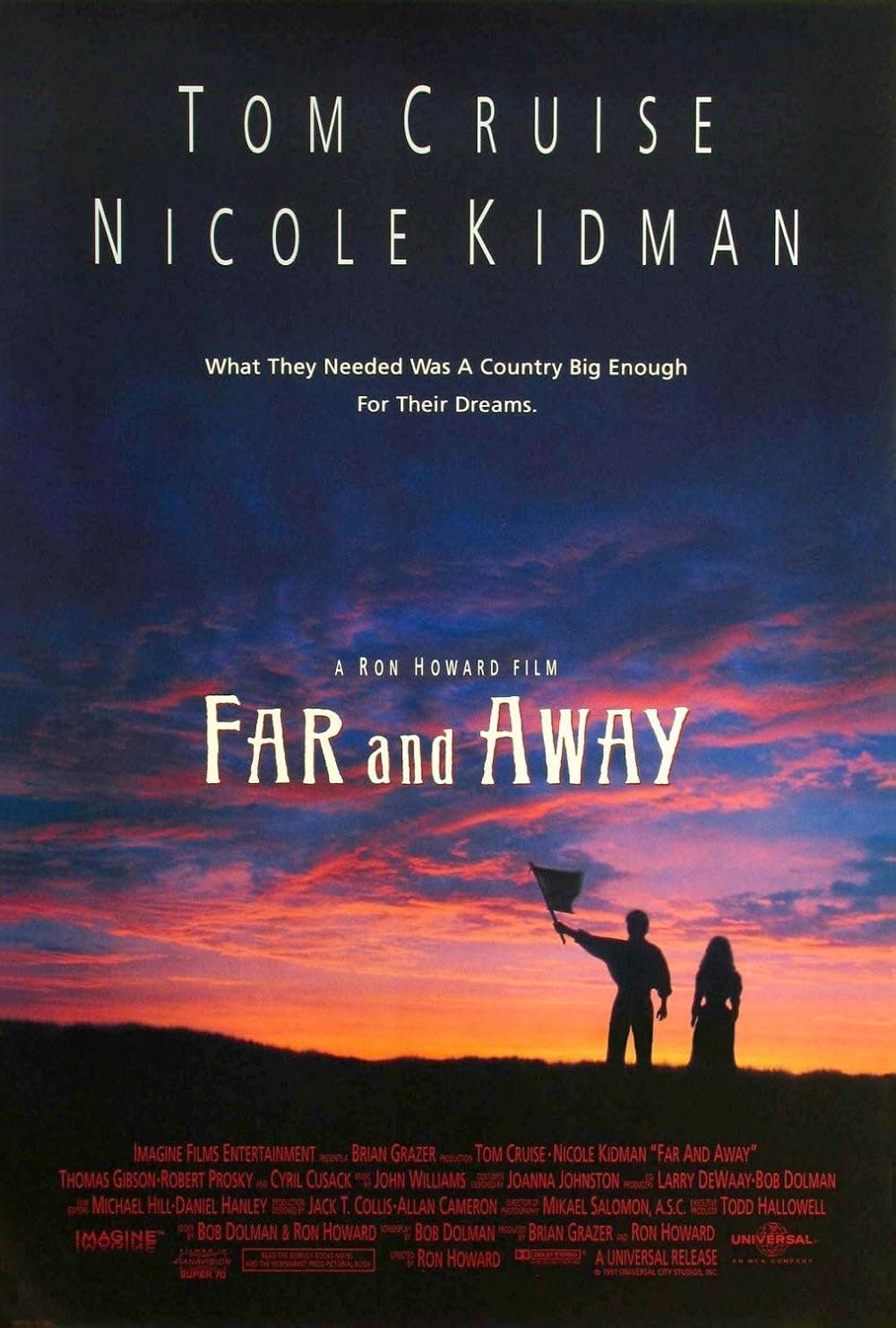
Far and Away
A scrappy Irishman, a headstrong heiress and one very chaotic land rush — big-hearted spectacle with hair-raising ambition.
// The setup
PLAYBACK STARTED
Far and Away wears its ambitions on its sleeve: a period romance that wants to be a sweeping epic and occasionally pulls it off. At the centre is Joseph Donnelly, a man who leaves everything behind for a shot at land and a new life — and that single-minded hunger is what keeps the film moving even when the screenplay lags.
THE MOVIE
Joseph Donnelly is still the reason this movie works
Far and Away arrives with a straightforward promise: two people from opposite sides of rural Irish life cross the ocean in the 1890s chasing land, independence and a new start. That set-up — a poor tenant farmer and the headstrong daughter of a landlord both emigrating to America — gives the movie a clean, old-fashioned engine to drive its ambitions.
What keeps the film from becoming mere wallpaper is Joseph Donnelly himself. He is propelled by a blunt, practical urge — escape poverty and stake a claim on a plot of land — and that hunger turns the romantic beats into something with teeth. It’s a useful trick: when the plot threatens to puff away, the character’s desire makes it feel urgent again.
All of this is staged on an unusually large canvas for the early 1990s: Ron Howard directed, the production shoot included a massive Oklahoma land-rush sequence and the whole thing was captured on large-format negative. The scale helps the film feel like an event even when its script prefers broad strokes to fine detail.
THE SETUP
The idea that sets Far and Away in motion
At its simplest, Far and Away is about departure and wagers. Joseph Donnelly and Shannon Christie each decide that leaving Ireland for America gives them a real shot at changing their lives. That promise — land, work, reinvention — is the basic contract the film asks us to accept.
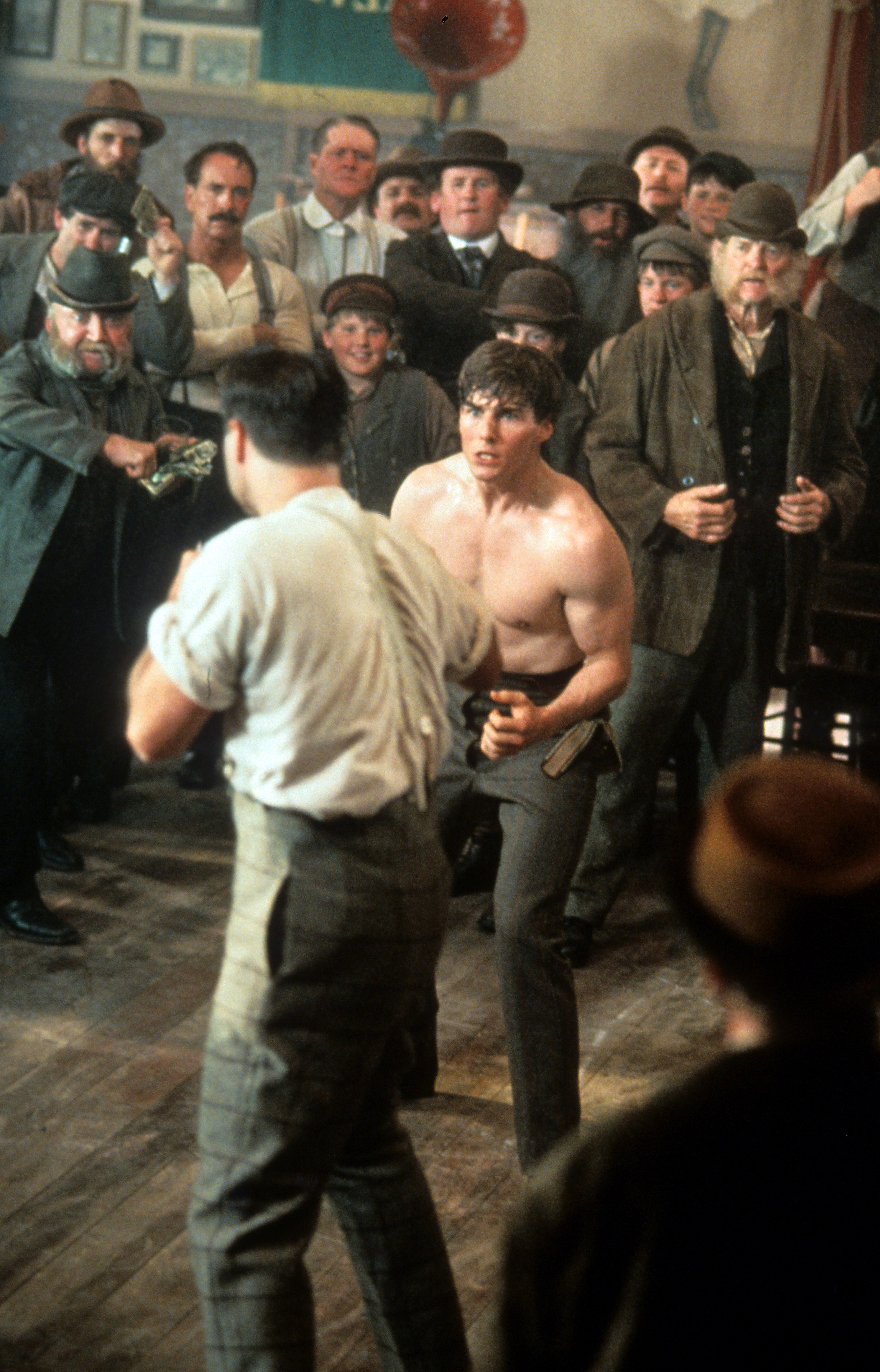
The inciting sparks are plain and physical: Joseph is pushed into conflict with the landlord’s overseer and, after being injured, finds himself hauled to the Christie mansion where he meets Shannon. It’s a class collision with a matchmaking tilt: attraction that begins awkwardly and grows into the film’s personal stakes.
All of this funnels into a headline set-piece: the Oklahoma land rush. The sequence functions as both the film’s practical challenge and its visual climax — characters literally racing to claim territory, which neatly mirrors the film’s theme of staking a claim to a new life.
Behind the romance there’s a steady political hum: class divisions at home in Ireland and the immigrant scramble for land and independence in America give the love story some social weight, even when the script prefers spectacle to subtlety.
THE CHARACTER
Why Joseph Donnelly matters
Joseph Donnelly exists on one clear axis: survival forward. He isn’t a ruminative, melancholic type — he’s energised by the idea of owning land and the independence that comes with it. That single aim gives the film a protagonist you can follow when the plot wanders.
Tom Cruise plays Joseph Donnelly, and the character’s clarity helps the movie avoid slipping into prettified nostalgia. Joseph’s hunger is practical: he wants a plot of earth he can call his own so he can stop being shuffled around by landlords and overseers.
He also operates against a visible contrast: the Christie family represents landed wealth and inherited power, a foil that highlights Joseph’s dispossession and pushes the class conflict into the open. That friction — personal, social, economic — is where the film finds its sparks.
Critics at the time flagged a mismatch: the movie’s production values and widescreen scope were admired, but many felt the screenplay and character development were thinner than the ambition. Still, Joseph’s straightforward drive remains the film’s most persuasive idea.
THE PERFORMANCE
Why Tom Cruise's performance matters
Contemporary coverage made a point of the leads’ presence. Critics often singled out Tom Cruise and Nicole Kidman as the film’s central reason to stay engaged, noting their chemistry as one of the clearest returns on the production’s investment.
That’s useful because the screenplay makes large demands and only rarely rewards nuance. The leads’ ability to carry earnestness and believable connection steadies the romance when the plotting turns schematic.
Saying that the movie leans on Cruise and Kidman isn’t a slight — it’s an acknowledgment of what the filmmakers relied on. The central performances operate as the emotional thread tying together scenes that might otherwise feel like set pieces.
In short: the film needs its stars to sell the leap from small‑scale grievance in Ireland to sprawling, horse‑thundering stakes in Oklahoma, and contemporary reaction shows that audiences and critics heard that gamble.
UNDER THE SURFACE
Far and Away has more on its mind than the plot suggests
On the surface it’s a romance; under it there’s a conversation about migration as a form of reinvention. The search for land and self‑determination is the story’s beating heart: moving countries isn’t framed as escape alone but as a deliberate attempt to remake one’s place in the world.
Class conflict colours the early scenes in Ireland and follows the characters across the ocean. The film sets tenant farmers and landed gentry against each other in a way that keeps reminding you what’s at stake beyond two people falling in love.
There’s also a strand about gender and independence. Shannon Christie arrives as someone refusing a prescribed life of privilege; her decisions complicate the traditional romance and push the story toward questions of autonomy rather than simple rescue.
Finally, the mismatched courtship and the characters’ individual growth matter because they turn a historical backdrop into something personal. The frontier and the romance are useful mirrors: claiming land becomes a metaphor for claiming a self.
THE FILMMAKING
How Far and Away was put together
A lot of the film’s personality comes from how it was shot and staged. The Oklahoma land‑rush wasn’t faked on a soundstage: crews moved onto a 12,000‑acre ranch outside Billings, Montana and coordinated dozens of wagons, hundreds of extras and multiple camera units to make the sequence feel enormous.
That kind of logistical scale is a filmmaking choice in itself — Ron Howard and his team treated the sequence as an event, which is why the action reads as physical and immediate rather than merely edited together in a cutting room.
Mikael Salomon is credited as the cinematographer, and contemporary coverage singled out the production design and widescreen photography. Those decisions give the film a look that insists on being seen in a big format rather than as cosy period fluff.
On paper the crew list reads like a team assembled for a spectacle: experienced editors and production designers were brought in so the film could think large without losing the everyday work of putting scenes together.
PRACTICAL EFFECTS
The effects work that gives Far and Away its physical personality
This movie leans on real-world chaos rather than digital neatness. The land‑rush sequence relied on hundreds of horses, hundreds of extras and dozens of wagons — a commitment to large-animal work that gives the action a palpable risk.
They also used cannon fire and helicopter aerial photography during the shoot. Those choices gave the film kinetic energy, but they weren’t harmless: the production’s scale contributed to later lawsuits alleging injuries and equipment loss.
Stunts and mounted action were therefore not decorative extras but central components of the production. Coordinated animal work and safety coverage were major parts of what the crew had to manage to make the sequence believable.
That blend of ambitious staging and real horses explains why the land rush feels raw and immediate in a way that stock footage or small-unit shooting rarely achieves.
PURE 80S
Far and Away could not belong to any other decade
Far and Away is very much of the early‑1990s Hollywood mode that believed glamour and scale could carry a picture. Its deliberate choice to shoot on large‑format 65mm/70mm negative felt like a throwback — a way of saying this was supposed to be seen as spectacle.
In an era when most features were shrinking their negative size for cost reasons, selecting a rare large‑format process was a statement of intent: make something that looks cinematic in the old sense, with image size that rewards a big screen.
That decision ties the film to a particular moment in studio filmmaking: prestige pictures that married romance and history to technical bravado. It’s less about fashionable shorthand and more about a production asserting its right to be taken seriously.
Seen this way, the film’s choices — from format to logistics — map neatly onto early‑90s tendencies for event cinema and high-concept period storytelling.
WATCHING IT NOW
What has aged — and what hasn't
If you watch Far and Away now the production values still register. The widescreen photography and the sheer scale of sequences like the land rush hold up as demonstrations of committed, old‑school filmmaking.
What hasn’t aged as neatly is the screenplay and the depth of character work. Contemporary and later critics agreed that while the movie looks and sounds grand, the story often relies on formulaic beats and underdeveloped emotional work.
That’s not to say the film is without pleasures for modern viewers: its large moments still deliver a visceral pay‑off. But the parts that ask you to care quietly — the slow interior changes in characters — are where the film is most vulnerable to modern scrutiny.
So the balance is clear: watch it for ambition and stagecraft, not for a sharply carved character study.
THE LEGACY
Why Far and Away still matters
Part of the movie’s afterlife comes from its soundtrack and how it underscores the film’s scale: John Williams wrote and conducted the score, and that orchestral sweep is one of the production’s most persistent signatures.
The soundtrack also produced one of the film’s stranger footnotes — Enya recorded a bilingual version of 'Book of Days' adapted for the picture, and that particular contribution later found itself nominated for a Golden Raspberry Award for Worst Original Song.
Commercially, the film opened wide in May 1992 and earned tens of millions worldwide, which helps explain why it remains visible in conversations about early‑90s blockbusters and prestige pictures.
There’s been ongoing interest too: retrospectives around anniversaries have revisited the production’s scale and Ron Howard’s ambition, along with reminders of its mixed critical reception — a movie people return to because it dares a lot, even when it doesn’t always land.
THE VERDICT
Does Far and Away still hold up?
Yes — but with a big asterisk. If you watch Far and Away for cinematic scale, theatrical staging and a romance that leans on star chemistry, it delivers. The Oklahoma land‑rush sequence is the clearest example: staged on a 12,000‑acre ranch with hundreds of horses and dozens of wagons, it’s proof the filmmakers were serious about spectacle.
If, however, you want tight plotting and razor‑sharp character work, the film is less satisfying. The central conflict mixes a mismatched romantic arc with social pressures — class divisions in Ireland and the immigrant struggle for land in America — but the screenplay often treats those ingredients like familiar spices rather than new recipes.
The performances anchor the film enough to make the journey worthwhile: the leads’ presence and chemistry were repeatedly singled out by contemporaries as the film’s most persuasive asset, and that human thread helps the movie survive stretches of schematic plotting.
So should you watch it? Absolutely — if you’re in the mood for old‑fashioned, big‑screen ambition and a love story that believes in physical gestures as much as verbal ones. Far and Away doesn’t always stick its landing, but when it does, it lands very big.
Share this movie
// Keep watching
More movies from the 90s
If Far and Away is your kind of movie, there's plenty more on the shelves worth rewinding.
1999 // VHS
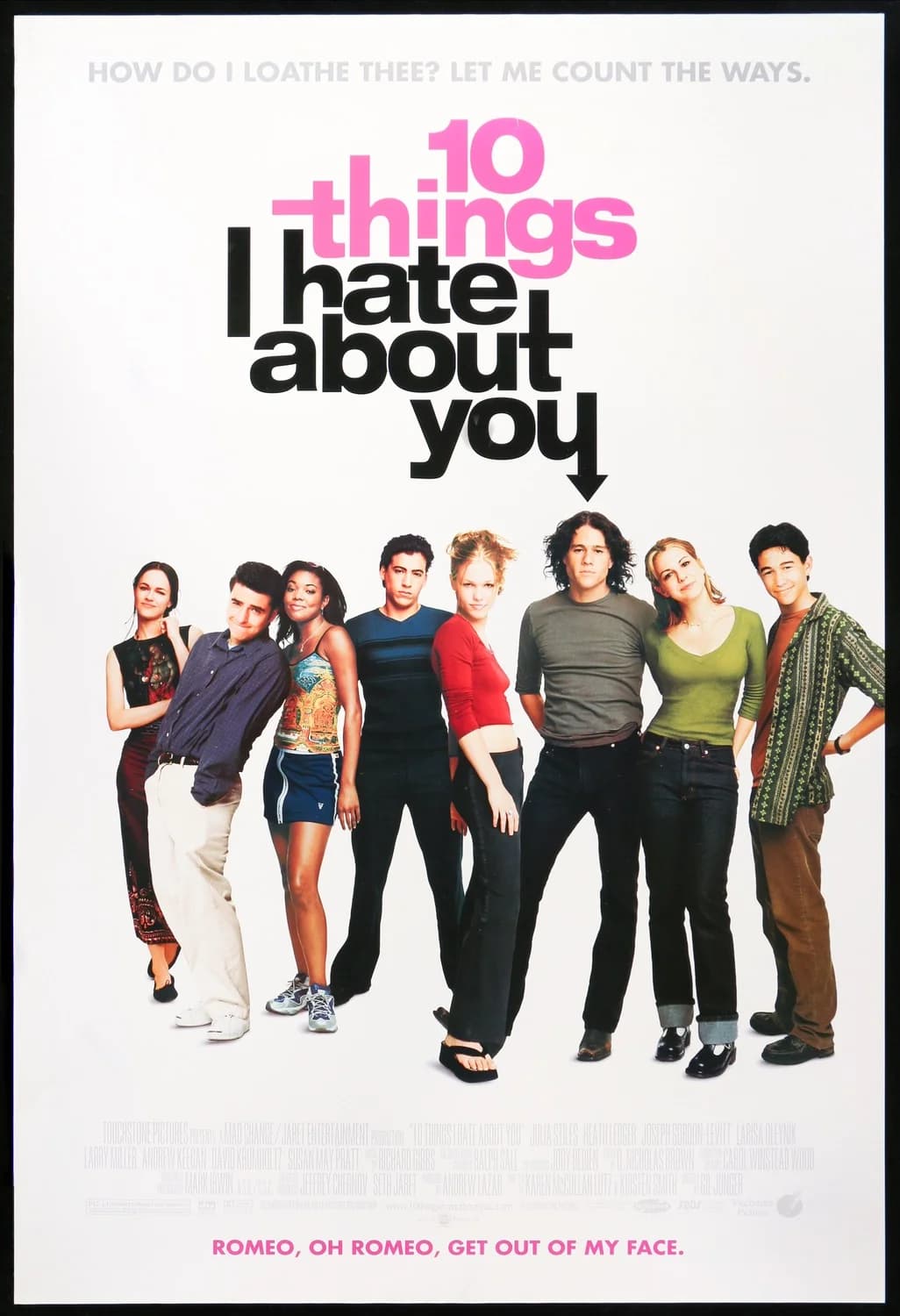
10 Things I Hate About You
Sibling rules, a rooftop serenade and one very stubborn Kat — Shakespeare in a school corridor.
1999 // VHS
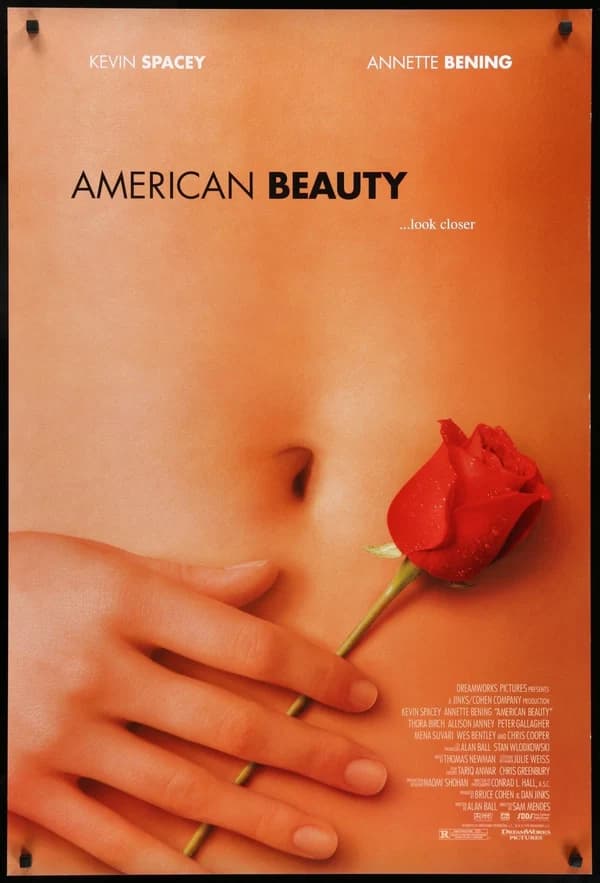
American Beauty
Lester Burnham, suburban rot and a midlife argument that still stings.
1999 // VHS
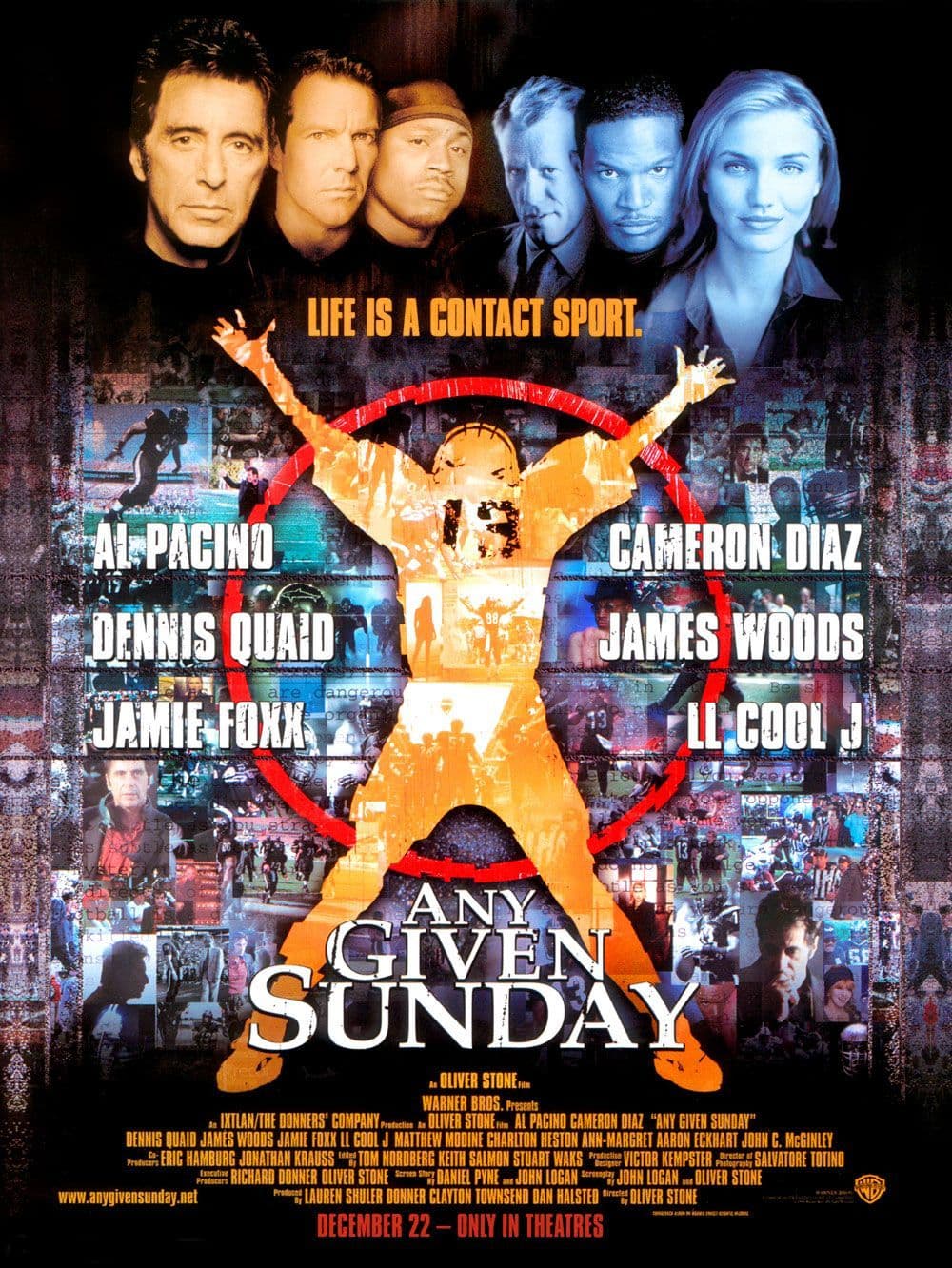
Any Given Sunday
Al Pacino's coach anchors the chaos of a film about football turned into product — loud, messy and oddly persuasive.