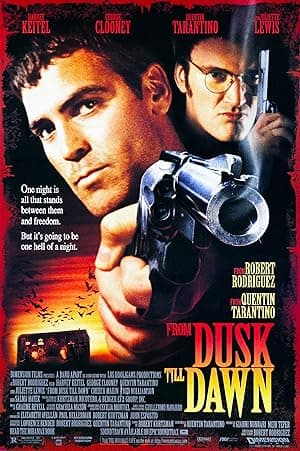
// The setup
PLAYBACK STARTED
From Dusk till Dawn is the sort of movie that announces itself by changing its mind halfway through and expecting you to come along for the ride. Robert Rodriguez and Quentin Tarantino built a neat crime-road engine and then slammed it into a grindhouse horror gearbox — and the jolts are part of the fun.
THE MOVIE
Seth Gecko is still the reason this movie works
People keep talking about From Dusk till Dawn because it politely refuses to be one thing. It opens as a lean crime road movie — two outlaw brothers on the run, a violent robbery and a commandeered Winnebago — and then, without blinking, becomes something much louder and messier.
At the middle of all this is Seth Gecko: the pragmatic leader of the pair, the cooler, more controlled sibling who keeps the plan on the road. George Clooney plays him and the film gives him the kind of steady centre that keeps the chaos from collapsing into nonsense.
That collision — crime-road rhythms hitting exploitation horror spectacle — is what the film was built for. Robert Rodriguez directs it like someone enjoying the chance to mix genres and crank the dials to eleven across a compact, 108-minute runtime.
THE SETUP
The idea that sets From Dusk till Dawn in motion
The film’s engine is simple and efficient: two outlaw brothers flee after a violent robbery and take a family hostage to get across the border. That motor-home hostage dynamic compresses strangers together for the kind of friction a thriller needs.
Then comes the deliberate trick: the rendezvous bar — a place the characters think is a waypoint — turns out to be run by vampire creatures. The story pivots and the movie becomes a survival/siege picture lodged mostly inside that single club.
Because the switch is so abrupt, the first half matters. The Geckos' attempt to escape law enforcement and the way they push or protect the family are the seeds that make the second-half violence land with stakes instead of being pure spectacle.
There’s an extra layer of production lore around the film too: quirks of the shoot and on-set disputes were chronicled in a feature-length documentary released after the film, which helps explain some of the movie’s rough-edged energy.
THE CHARACTER
Why Seth Gecko matters
Seth Gecko is the calm hand on a steering wheel full of madness. The plot needs someone who looks like they can hold things together when the world — and later the Titty Twister — collapses into chaos.
George Clooney plays Seth Gecko, and the script positions him as the pragmatic leader of the outlaw brothers: cooler, more controlled, the contrast to his volatile sibling. That contrast is what makes the brothers work as a pair.
Seth isn’t noble for the sake of it; he’s a survivalist who makes choices that keep the troupe moving. In a movie that flips genres, you need a figure who can plausibly do the problem-solving when plot logic gets extreme.
Put simply: the film asks you to trust Seth as the person who can carry the story through from the robbery, across the border and into the mayhem — and structurally, that trust keeps the noise intelligible.
THE PERFORMANCE
Why George Clooney's performance matters
Contemporary reaction singled out Clooney’s presence as something that steadied the film. That kind of attention matters because his role is the anchor for a movie that deliberately overturns its own rules.
The same notices pointed to Quentin Tarantino’s more restrained turn as Richie and to Harvey Keitel’s portrayal of the doubting ex-parson — a useful reminder that the picture relies on a mix of temperaments, not a single tone.
Seth’s steadiness is less about elaborate flourishes and more about being reliable in context: when the story switches from getaway to survival, viewers need someone to follow. Contemporary reviews made that practical point.
So when you watch it now, part of the film’s engine is how those casting choices line up with the story’s demands rather than being decorative.
UNDER THE SURFACE
From Dusk till Dawn has more on its mind than the plot suggests
On the surface it’s a crime thriller that turns into a horror party. Underneath, the movie is playing with the joy of genre-mixing — it’s intentionally pastiche, a collision of road-movie rhythms and exploitation-horror spectacle.
That collision isn’t accidental: the film treats the switch as a way of testing its characters. The survival/siege setup presses people together, and the choices they make under pressure tell you more than their backstories.
Faith and doubt show up too, embodied in a pastor figure whose crisis spills into group decisions. When the ordinary rules no longer apply, who believes, who hesitates and who acts becomes both plot and subtext.
Finally, the picture leans into grindhouse aesthetics with a wink and a shrug. It knows it’s playing with exploitation conventions, and it enjoys the freedom that comes from that deliberate roughness.
THE FILMMAKING
How From Dusk till Dawn was put together
Cinematography was led by Guillermo Navarro — the crew were given room to move when the picture needed to shift gears, and that becomes most obvious in the horror passages where camera work steps up in energy.
The film also uses rapid editing and stylised camera work in those sequences. When the movie wants to feel sudden and brutal, directing and cutting make the point quickly; the first half is measured, the second half is kinetic.
Robert Rodriguez edited the picture himself in addition to directing, which helps explain the film's confident, punchy pacing. It reads like a director who knows how to sculpt rhythm as well as image.
All of this is in service of the genre flip: the technical choices don’t merely decorate the shift, they help sell it so the audience can leap with the story rather than trip over it.
PRACTICAL EFFECTS
The effects work that gives From Dusk till Dawn its physical personality
The movie’s creature work and gore sequences were realised primarily through practical prosthetics and creature appliances. That hands-on approach gives the horror moments a tactile roughness.
The special creature and prosthetic makeup was created by practitioners associated with the KNB EFX founders, a group known for building physical effects for violent, tactile horror.
Because much of the vampiric transformation and gore is practical, the film feels, in those scenes, appropriately grubby and immediate — which suits the grindhouse spirit it leans into.
Those practical choices are part of how the picture sells its horror: when the bar turns, the physical make-up and appliances make the change feel literal and unglamorous.
PURE 80S
From Dusk till Dawn could not belong to any other decade
Arriving in 1996, the film is a product of its moment: a post-Pulp Fiction Quentin Tarantino working with Robert Rodriguez, who had moved from low-budget hits into higher-profile projects. The partnership embodies the mid-90s jump between indie brio and studio backing.
That independent-to-studio crossover tastes like the era because filmmakers were allowed more latitude to mash up tones and to flirt with exploitation-formulas inside a mainstream release.
There’s also a practical 90s footnote: the production ran into union friction over the use of a non-union crew, a dispute that was captured in the making-of documentary. It’s a reminder the film was made during a time of real production tensions.
All of that — the filmmakers’ career arcs and the production scrapes — ties the movie to the mid-90s in a way that’s about industry context rather than costume or soundtrack nostalgia.
WATCHING IT NOW
What has aged — and what hasn't
The film’s central genre switch — from road/hostage crime thriller to supernatural vampire survival — still functions as a theatrical surprise. That structural boldness is what helps it survive repeat viewings.
As a vampire movie, it sits comfortably among 90s genre hybrids; viewers who enjoy practical creature work and a movie that’s willing to be loud will find plenty to like.
The fact the story and characters were substantial enough to be adapted and expanded into a television series later on suggests the world and premise had more room to breathe than a single twist could contain.
Where it may feel more of its time is in the combination of roughness and bravado — the film doesn’t apologise for being grubby or exploitative, which will be thrilling to some and off-putting to others.
THE LEGACY
Why From Dusk till Dawn still matters
The movie left a clear trace: it became a multi-part franchise with two direct-to-video sequels and a later TV adaptation developed by Rodriguez. That’s material proof the premise had legs beyond one cheeky tonal swerve.
A feature-length documentary about the film’s production appeared the year after release and remains an accessible source for the movie’s behind-the-scenes context — the sort of extra that keeps conversations alive.
The film also developed a cult following and still gets mentioned in discussions about 1990s genre-mixing and grindhouse revival aesthetics, because it unabashedly wears those influences on its sleeve.
All three elements — sequels, documentary and cult appreciation — explain why From Dusk till Dawn keeps turning up in genre conversations long after its 1996 release.
THE VERDICT
Does From Dusk till Dawn still hold up?
Short answer: yes, if you enjoy a movie that delights in genre trickery and doesn't mind a bit of grit. The film’s first act — a crime road picture about two brothers on the run who force a family into a Winnebago — gives it believable stakes before the club changes everything.
When the story flips and the Titty Twister reveals itself as run by vampire creatures, the film becomes a tight survival/siege exercise. Compressing strangers into a confined space turns character choices into the main currency, and the motor-home/club dynamic keeps the danger personal.
George Clooney’s Seth functions as the pragmatic centre who can take the story from robbery to apocalypse without losing coherence; Richie’s volatility escalates the early violence and the personal cost. Contemporary notices singled out Clooney’s presence and the way other cast members filled their beats, which helps the picture land.
If you like films that are willing to change the rules mid-game — loud, occasionally grubby, and cheerfully exploitative — then From Dusk till Dawn remains worth a watch. It’s a movie that knows the promise it made at the start and, frankly, keeps its teeth.
// Featured in
More about From Dusk till Dawn
Share this movie
// Keep watching
More movies from the 90s
If From Dusk till Dawn is your kind of movie, there's plenty more on the shelves worth rewinding.
1999 // VHS
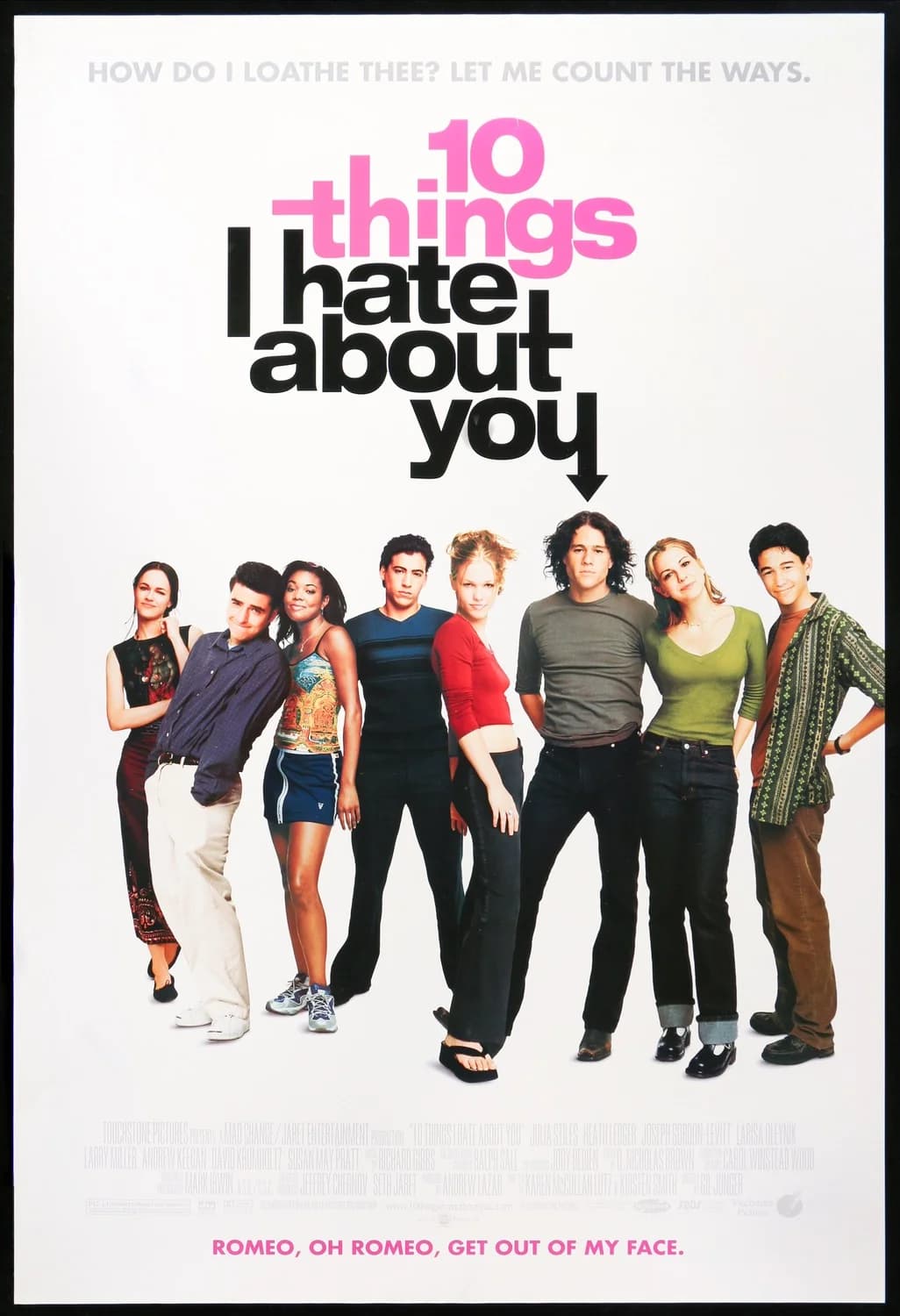
10 Things I Hate About You
Sibling rules, a rooftop serenade and one very stubborn Kat — Shakespeare in a school corridor.
1999 // VHS
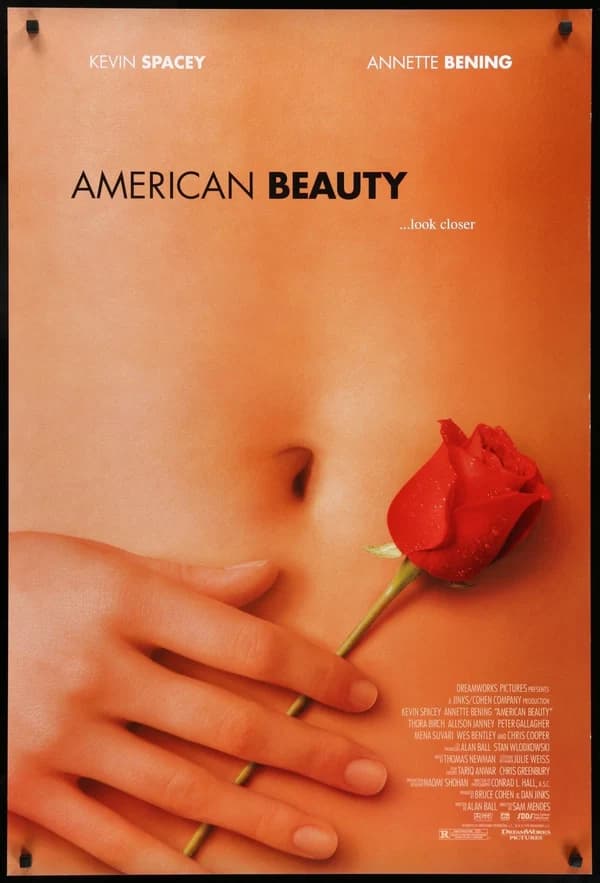
American Beauty
Lester Burnham, suburban rot and a midlife argument that still stings.
1999 // VHS
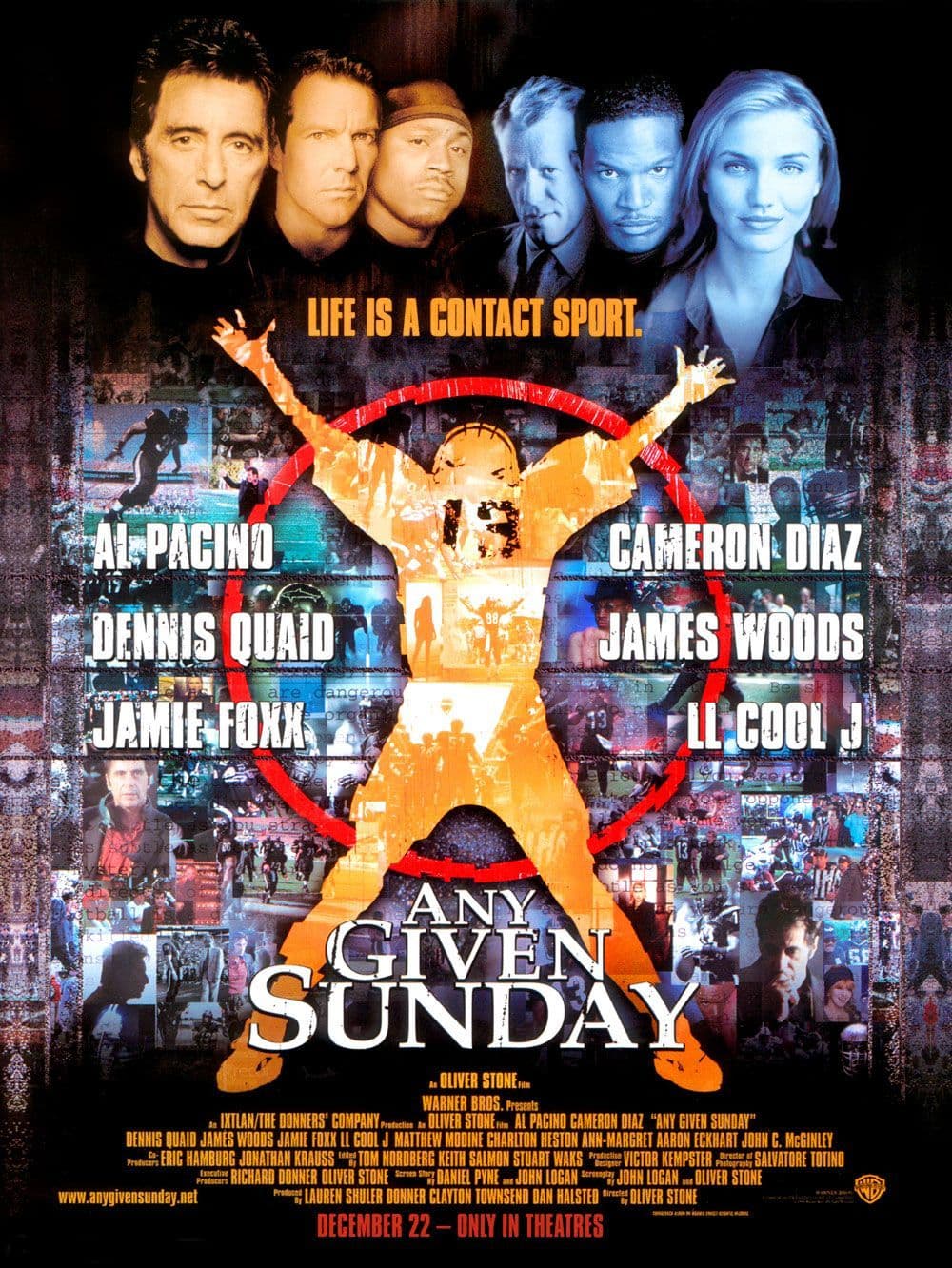
Any Given Sunday
Al Pacino's coach anchors the chaos of a film about football turned into product — loud, messy and oddly persuasive.