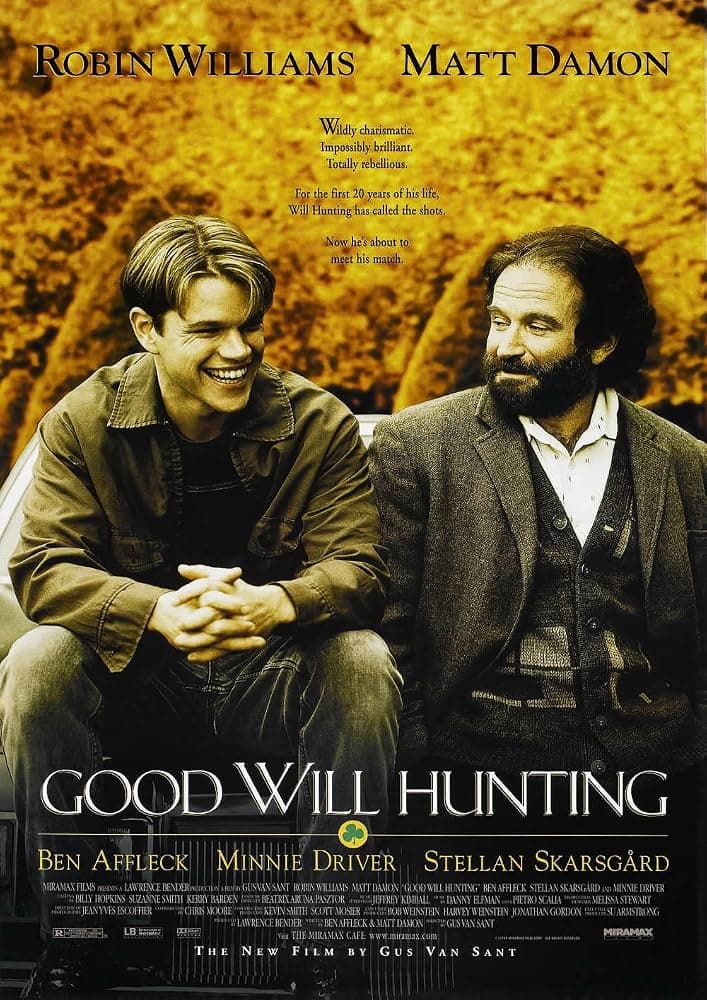
Good Will Hunting
A brash working-class genius, a stubborn therapist and the hard friendship that won’t let him hide.
// The setup
PLAYBACK STARTED
Good Will Hunting feels like a conversation you eavesdrop on and then wish you’d joined. At its centre is Will—South Boston lad, MIT janitor, mathematical savant—whose head and heart are on different schedules. The film hooks you with that basic mismatch and then refuses easy answers.
THE MOVIE
Will Hunting is still the reason this movie works
Good Will Hunting doesn’t open with a showy reveal so much as a slow, stubborn mystery: a kid scrubbing floors at MIT who can also solve problems meant for professors. That basic mismatch—blue-collar life up against elite brains—is what makes the film breathe.
From that anonymous equation being solved to the moment the university tracks him down, the story funnels Will into situations that test what he knows about the world and what he refuses to admit about himself. Those imposed choices—study under an eminent professor, see a therapist—are the engine of the drama.
Under Gus Van Sant’s direction, the film keeps returning to the harder question: what do you do with a brilliant mind that hides behind distrust? The screenplay by Matt Damon and Ben Affleck won the Academy Award for Best Original Screenplay, and the film frames its themes—trauma, loyalty, class and mentorship—around a character who keeps everyone off balance.
THE SETUP
The idea that sets Good Will Hunting in motion
At its heart the film is a tidy, clever premise: a working-class kid from South Boston who cleans MIT lecture halls happens to be a mathematical prodigy. That contrast—menial work and rare talent—sets up the stakes without fuss.
The plot introduces a legal snag after an arrest, and the pragmatic fix is almost procedural: Professor Lambeau negotiates for Will to study under him and to attend court-ordered therapy instead of going to jail. It’s a neat storytelling device that forces Will into close company with the very people he keeps at arm’s length.
Where the setup works is in how those arrangements become emotional pressure-cookers. Repeated therapy sessions and the ongoing tug-of-war with friends and authority figures are the film’s methods for unpeeling Will’s backstory and resistance.
So the story isn’t simply about solving equations. It’s about choices: whether the smartest thing to do is to leave, to stay, to run or to try to change. Those choices arrive through believable, contained mechanics rather than explosive plot twists.
THE CHARACTER
Why Will Hunting matters
You can describe Will in a sentence—janitor, genius—but that doesn’t explain why he sticks in the head. The film makes him interesting because his intelligence is paired with an armour of distrust. He knows things; he refuses to let anyone in.
His relationships give the character shape. Chuckie is the loyal friend who both keeps Will grounded and, crucially, nags him about a life that might be more than the neighbourhood. Skylar’s presence pulls at Will’s fear of intimacy. And Sean Maguire is the professional who becomes the father-figure Will didn’t get.
Those connections turn the film into more than a puzzle about maths. Will matters because the story forces him into situations where his cleverness isn’t enough—he needs to face old wounds and reckon with who he wants to be beyond South Boston.
In short: Will is memorable because the movie refuses to let intelligence be a simple ticket out. The drama comes when talent meets baggage, and Will’s choices—what he avoids as much as what he attempts—are the heart of the picture.
THE PERFORMANCE
Why Robin Williams's performance matters
Robin Williams won the Academy Award for Best Supporting Actor for his portrayal of Sean Maguire, and that’s not an incidental footnote. The award signals how central the role is to the film’s emotional architecture.
Contemporary critics also noticed how the relationship on screen—particularly between Williams and Matt Damon—gave the script room to breathe. The pairing matters because the therapist role is where the screenplay’s bluntest, most intimate conversations happen.
Sean functions as an older professional who understands the language of hurt, and the screenplay allows those exchanges to cut into Will’s defences. The outcome of the film’s emotional work rests heavily on those therapy scenes.
Put simply: the role of Sean is the pivot around which Will’s resistance and eventual movement are staged, and the film’s recognition at the Academy Awards reflects how decisive that role proved to be.
UNDER THE SURFACE
Good Will Hunting has more on its mind than the plot suggests
On the surface it’s a coming-of-age about a gifted young man finding his path. Underneath that, the film juggles questions of class and mobility—what it means to come from a working-class neighbourhood facing the expectations and institutions of elite academia.
Friendship and loyalty are framed as both support and constraint. Will’s mates keep him human, but they also create pressure to remain who he’s always been. That tension is as interesting as any academic accolade.
Trauma and healing are foregrounded through the film’s repeated therapy scenes. They’re not just plot beats; they’re where Will’s past gets named and contested, and where the slow work of change is dramatized.
All of this is held together by mentorship and fatherhood: older figures—academic or personal—try to steer Will in different directions. The film keeps asking whether guidance can become control, and whether loyalty should look like letting someone go.
THE FILMMAKING
How Good Will Hunting was put together
The film’s production choices favour a modest, lived-in feel: critics and contemporary coverage emphasised its Boston locations and the way the action moves naturally between MIT interiors, dorm rooms and local bars. That grounded geography keeps the story anchored.
Cinematography credit goes to Jean‑Yves Escoffier and the editing to Pietro Scalia, names that show the film was assembled with experienced hands behind the camera as well as in the cutting room.
Those choices—familiar locations, unobtrusive cinematography and careful editing—help the film foreground the characters and conversations rather than calling attention to style for its own sake.
The result is a film that looks and feels like scenes you could recognise: private rooms, public institutions, and the small transitional spaces where people change their minds.
PURE 80S
Good Will Hunting could not belong to any other decade
Good Will Hunting arrived in 1997 at a moment when Miramax was especially good at bringing smaller, character-led films into mainstream awards conversations. That distribution environment helped the movie find a big audience without reshaping what it wanted to be.
The film’s crossover from an intimate drama to awards-season conversation is partly a product of that moment: independent-feel pictures could travel farther in the 1990s because the studio system had room for them through boutique distributors.
So while the story itself—of neighbourhood loyalty and personal repair—isn't decade-specific, the route it took into the mainstream belongs to the 1990s landscape of independent cinema meeting awards ambition.
In short: Good Will Hunting’s personality is its own; the era simply offered a corridor for those personalities to be seen and rewarded.
WATCHING IT NOW
What has aged — and what hasn't
Some elements feel timeless: the central friendships, the loyalty that sometimes protects and sometimes imprisons, still read true. Those relationships are human-scale and don’t rely on decade-bound tricks.
The film’s core story—about a janitor at MIT who’s secretly brilliant and who must reckon with trauma through therapy and relationships—still provides an emotionally direct throughline for new viewers.
Because much of the drama is personal rather than topical, its beats about confronting a damaged past and deciding how to live are still relatable. The cinematic prescription of therapy scenes as turning points remains a straightforward way to dramatise healing.
What feels dated is less the subject than the context: the film’s path into mainstream attention was a product of its moment, but the emotional work it asks its characters to do largely survives the years.
THE LEGACY
Why Good Will Hunting still matters
The film’s awards and nominations are concrete evidence of its impact: the screenplay by Matt Damon and Ben Affleck won the Academy Award for Best Original Screenplay, Robin Williams won Best Supporting Actor, and the film received nine Academy Award nominations in total.
Beyond trophies, the movie is often mentioned as a turning point for Matt Damon and Ben Affleck, credited with significantly raising their profiles and establishing them as recognised talents in Hollywood.
It’s also commonly used as an example of a 1990s independent film that managed to cross over into mainstream commercial and awards success—partly because of the kind of stories Miramax was championing at the time.
Put together, the awards recognition and the way the film boosted its writers’ careers explain why Good Will Hunting still comes up in conversations about 1990s cinema and the career arcs it launched.
THE VERDICT
Does Good Will Hunting still hold up?
Yes—if you watch it for the human work it stages. The film’s promise is simple: an exceptionally gifted young man must decide whether to keep protecting himself or to risk being known. That central struggle—about trauma, self-worth and the choices that move a life forward—still lands.
The mechanics that set those choices in motion are straightforward: anonymity solved by a professor’s puzzle, a legal deal that requires study and therapy, and repeated confrontations with friends and figures of authority. Those devices keep the drama focused and functional rather than theatrical.
What might feel conventional now is also the film’s strength: it doesn’t hide its intentions. The therapy sessions, the friendships, the mentorship are clearly staged to provoke change, and the screenplay’s directness won it an Academy Award for a reason.
So should you watch it? Yes—because it’s a study in how people hold one another accountable, in how loyalty can both anchor and limit, and in how someone finally lets another human being see what’s inside. Watch it for Will’s argument with himself, and for the stubborn kindness that refuses to give up on him.
Share this movie
// Keep watching
More movies from the 90s
If Good Will Hunting is your kind of movie, there's plenty more on the shelves worth rewinding.
1999 // VHS
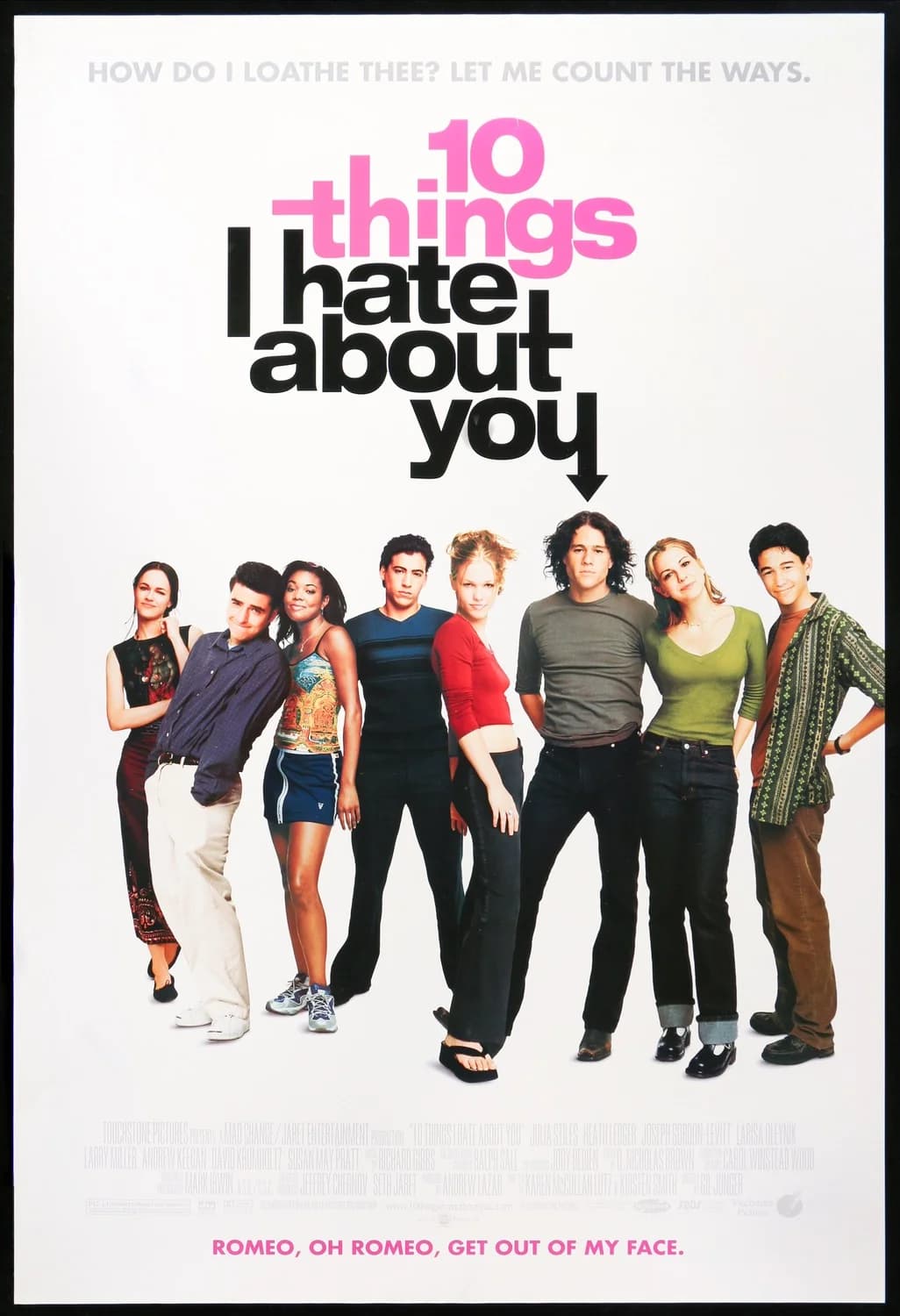
10 Things I Hate About You
Sibling rules, a rooftop serenade and one very stubborn Kat — Shakespeare in a school corridor.
1999 // VHS
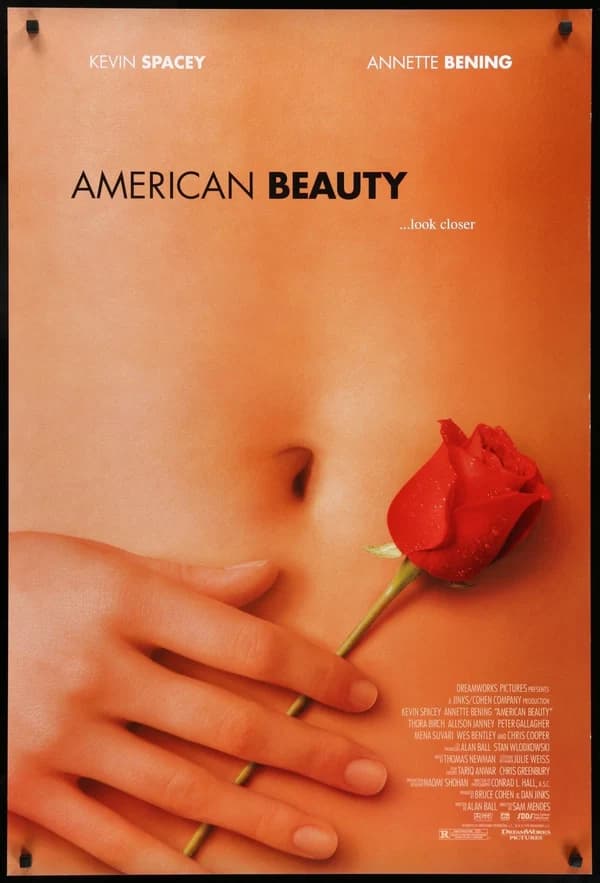
American Beauty
Lester Burnham, suburban rot and a midlife argument that still stings.
1999 // VHS
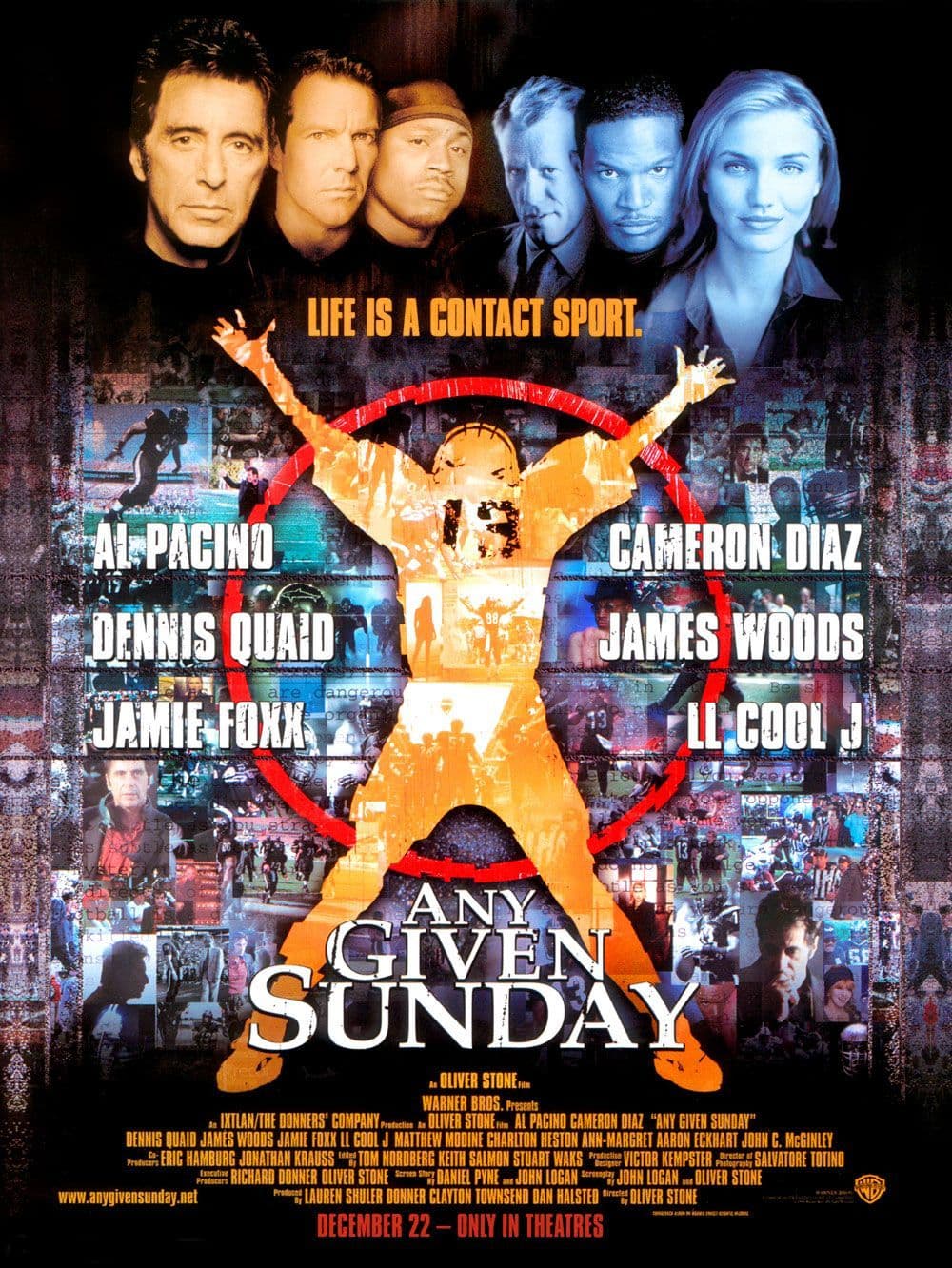
Any Given Sunday
Al Pacino's coach anchors the chaos of a film about football turned into product — loud, messy and oddly persuasive.