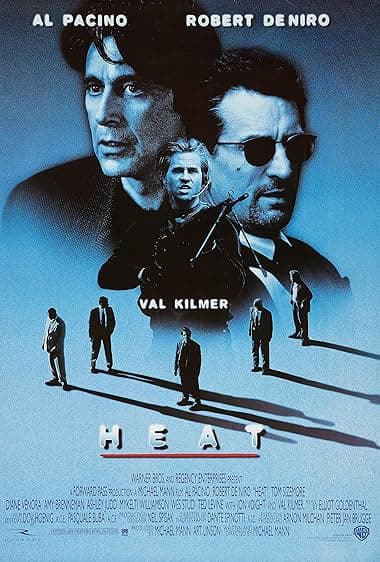
Heat
Two professionals on opposite sides of the law, both terrible at leaving their work at the office.
// The setup
PLAYBACK STARTED
Heat is the sort of movie you return to for the people rather than the plot. Michael Mann’s 1995 crime drama stages a long, patient duel between a meticulous thief and a detective who never quite turns off his job — and it’s the detective who often gives the film its heartbeat.
THE MOVIE
Vincent Hanna is still the reason this movie works
There are plenty of ways to describe Heat — a sprawling heist movie, a neo-noir about procedural detail, a 171‑minute argument about obsession — but the easiest way in is through the one man who never quite stops being a cop. Vincent Hanna is the film’s engine: a driven LAPD Robbery–Homicide lieutenant whose life is threaded through the case in a way that often reads like duty as disease.
Mann sets up a clear opposition. On one side is Neil McCauley, a disciplined professional thief whose life is run by rules; on the other is Hanna, whose commitment to work repeatedly strains his marriages and his connection to his stepdaughter. That armored‑car robbery at the start isn’t just a set-piece — it’s the pivot that brings these professional lives into collision and keeps them circling each other.
It helps that Mann assembled his serious machinery for this: a director determined to stretch the genre, a long runtime that lets character and procedure breathe, and a central pairing — De Niro as McCauley and Pacino as Hanna — that culminates in a single, notable onscreen scene where the film’s themes are laid bare. If Heat holds your attention, it’s because it treats its detective as more than a plot device; he’s the film’s compass.
THE SETUP
The idea that sets Heat in motion
Heat isn’t interested in a tidy good‑versus‑bad chase. The basic premise is straightforward: a carefully run crew of professional thieves and a relentless LAPD unit cross paths after an armored‑car/bearer‑bonds robbery pulls everything into the open.
Mann lays that out as a parallel: scenes inside McCauley’s planning and personal life alternate with scenes of Hanna and his squad investigating, grieving and coping with the demands of police work. It’s less about a single villain and more about two professional cultures rubbing up against each other.
That parallel structure is what makes the setup work. The heist supplies the stakes and the action, but Mann uses it to extend a cat‑and‑mouse conflict across many kinds of moments — from detailed job prep to the private ways work damages domestic life.
So the plot does what it has to do — deliver tension and high stakes — while the screenplay keeps steering us back to the real engine: choices made by people whose professional codes don’t leave much room for ordinary lives.
THE CHARACTER
Why Vincent Hanna matters
Vincent Hanna could have been a stock tough cop, but Mann keeps nudging the character toward something more complicated: a man whose professional devotion is a personal identity. Al Pacino plays Vincent Hanna, and the script makes clear that his detective work doesn’t sit beside his life so much as replace it.
The film shows the cost of that devotion in small, repeated beats. Hanna’s marriages fray. His connection to his stepdaughter is strained. Those domestic threads aren’t background colour — they’re the yardstick by which his choices are measured.
Importantly, Vincent matters because he mirrors the criminals he hunts. He operates by a code, he sacrifices relationships for the job and he suffers losses that feel professional as much as personal. That moral mirroring is where the movie earns its tension.
And because Mann keeps returning to Hanna’s private life alongside the casework, the detective never reads as a mere archetype. He’s the lens through which the film asks whether a professional life is worth the cost.
UNDER THE SURFACE
Heat has more on its mind than the plot suggests
Beneath the robbery scenes and the shootouts, Heat is arguing about professional identity. Both McCauley and Hanna are defined by their jobs; their obsessions shape decisions and, crucially, close off alternatives like relationships or retirement.
Loneliness is the corollary to that obsession. The film repeatedly shows personal lives stretched thin — not as melodrama, but as practical fallout. When a job is an all‑consuming commitment, the cost is private and accumulative.
Mann also leans into moral ambiguity. The police and the criminals are shown as two trades with rules, skills and casualties. That parallel makes it hard to tidy the film into simple moral binaries; instead the movie invites the viewer to sit with the awkward overlaps.
Finally there’s the tug between duty and escape. The story keeps asking whether anyone can simply walk away from these professional worlds, and whether 'retirement' is a realistic option when your identity is what you do for a living.
THE FILMMAKING
How Heat was put together
One of the clearest production choices is the film’s relationship to Los Angeles. The visual approach emphasises dense, location‑based settings across neighbourhoods and interiors, which keeps the story tied to a recognisably urban workaday world.
That grounded geography matters because Mann isn’t selling glamour; he’s selling competence. The city becomes a place of tradecraft where both cops and criminals ply their professions.
Dante Spinotti’s role as director of photography sits at the centre of that decision — the look serves the tone, ensuring the film reads as procedural and real rather than stylised fantasy.
Put simply: the filmmaking choices push the movie toward a hyper‑real crime drama where the environment and the routines of work are as important as the bigger action beats.
PRACTICAL EFFECTS
The effects work that gives Heat its physical personality
Heat’s big action moments feel physical because they were created that way. Key set pieces — the downtown freeway and the bank shootout — were filmed on real Los Angeles locations with coordinated stunts and effects teams.
That meant relying on practical stunt drivers for complex car work and on physical pyrotechnics for many of the explosive moments. The sequences read as tactile because they were staged with real bodies, vehicles and controlled effects.
The credits reflect that scale: a substantial stunt crew and multiple stunt drivers were brought in to manage the ambitious action beats.
In short, the movie’s kinetic scenes derive their energy from practical, on‑location craftsmanship rather than purely studio constructs.
PURE 80S
Heat could not belong to any other decade
Although its roots go back to an earlier Mann TV project, Heat wears the 1990s on its sleeve in how it expands into an ensemble crime drama. The film revisits material Mann developed in the late 1970s–1980s and, by 1995, it had grown into the kind of long, ensemble‑driven picture the decade favoured.
The movie’s insistence on modern urban detail and procedural realism fits a 1990s tendency toward hyper‑real crime cinema. There was an appetite in the decade for stories that foregrounded technical competence and the culture of workplaces — and Heat supplies that in spades.
The casting itself also felt of its moment. Assembling two heavyweight stars who had not previously shared scenes became a publicity moment that suited the era’s appetite for prestige ensemble filmmaking.
Put together, those elements make Heat feel of its time: grown‑up, televisually patient and keen to treat professional work as serious material for drama.
THE LEGACY
Why Heat still matters
Heat keeps turning up in later lists and retrospectives as a touchstone of modern crime and heist cinema; it’s the kind of film people return to when they want a serious, procedural take on criminals and cops.
Part of that continued attention comes from how Mann expanded the universe beyond the film: there’s a published sequel novel project that has been discussed as a possible film follow‑up, which keeps the story alive in other media.
The film has also been the subject of restorations and director‑supervised remasters, showing that Mann and others see value in keeping the picture available in a form close to his intention.
Finally, Heat is frequently referenced in conversations about how later heist films portray professionalised criminals and obsessive investigators — it’s a go‑to example when the subject is moral and operational realism in crime cinema.
THE VERDICT
Does Heat still hold up?
Yes — but with a reservation. Heat remains a compelling watch because its central idea still works: two professional lives, each governed by code and sacrifice, pulled into collision after a high‑stakes armored‑car robbery. Mann alternates the thieves’ preparation and personal moments with Hanna’s investigation in a way that keeps the film alive across its long runtime.
The movie’s insistence on examining how professional codes and personal relationships collide gives it a moral complexity that still feels thoughtful. The parallels between police and criminals — both operating by rules and both suffering private losses — are deliberate and sustained, not decorative.
Contemporary reviews and later retrospectives often single out the ensemble, and particularly the central pairing, for anchoring the drama; that weight is part of why the film’s long scenes and patient structure pay off rather than meander.
So should you watch it today? If you like crime movies that care about procedure and character in equal measure, and you’re willing to sit through a substantial 171‑minute film that trades quick thrills for a clinical, steady heat, then yes. Heat still matters because it treats professional obsession as something you live with — and rarely get to walk away from.
Share this movie
// Keep watching
More movies from the 90s
If Heat is your kind of movie, there's plenty more on the shelves worth rewinding.
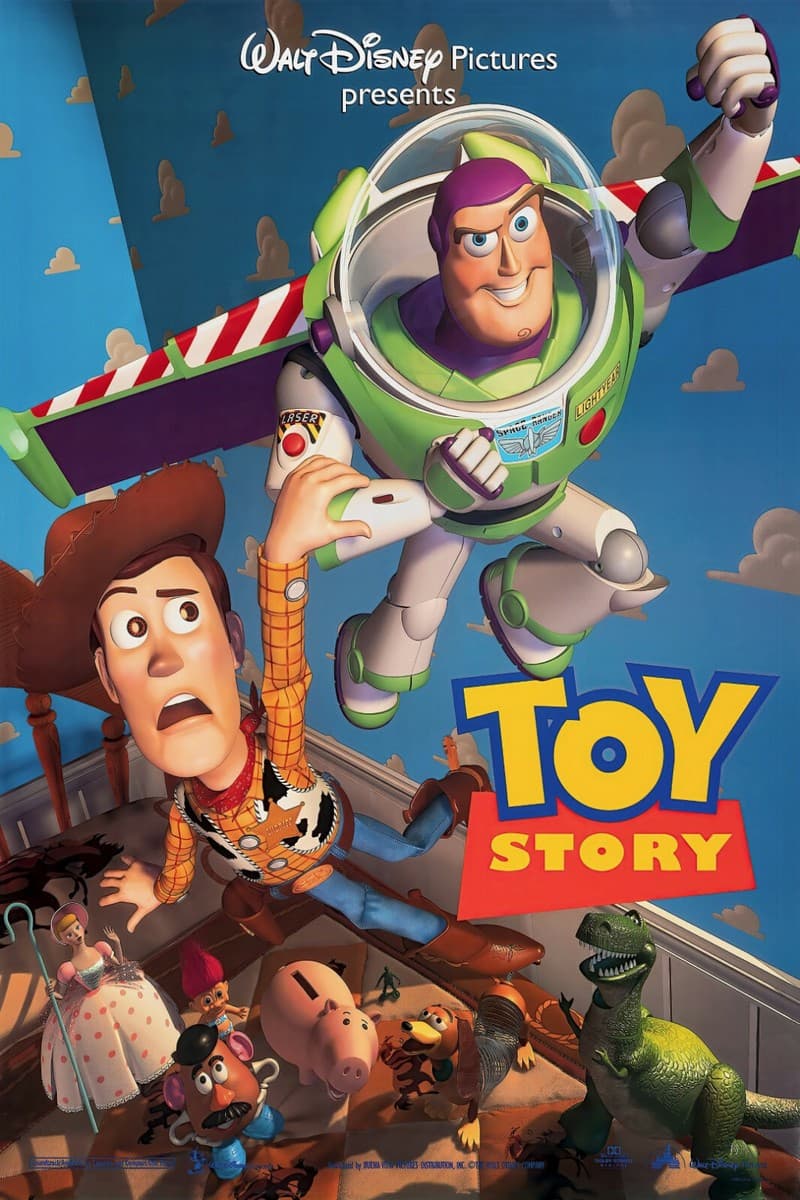
1995 // VHS
Toy Story
A pull‑string cowboy, a deluded space ranger and a small, very particular war over being loved.
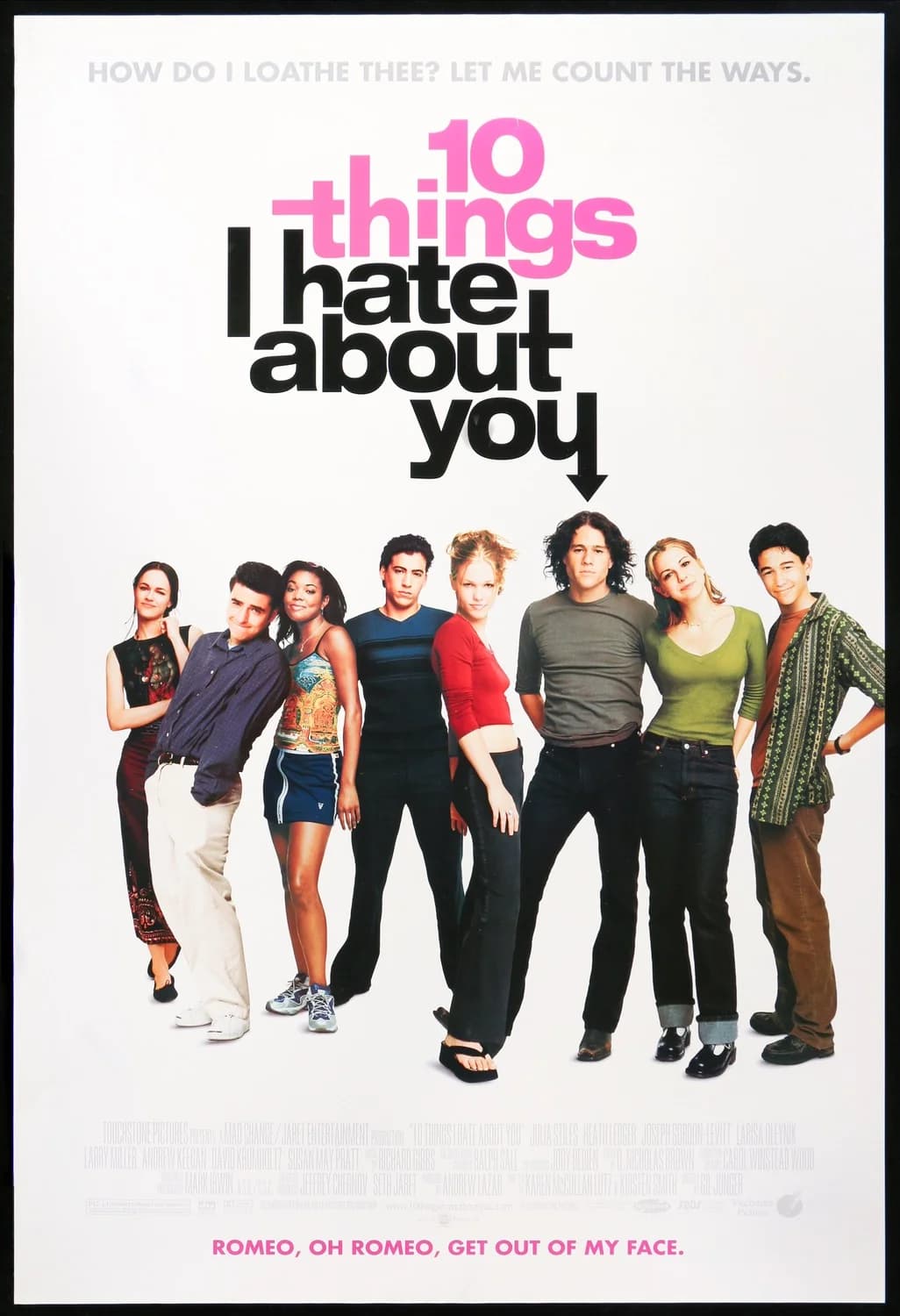
1999 // VHS
10 Things I Hate About You
Sibling rules, a rooftop serenade and one very stubborn Kat — Shakespeare in a school corridor.
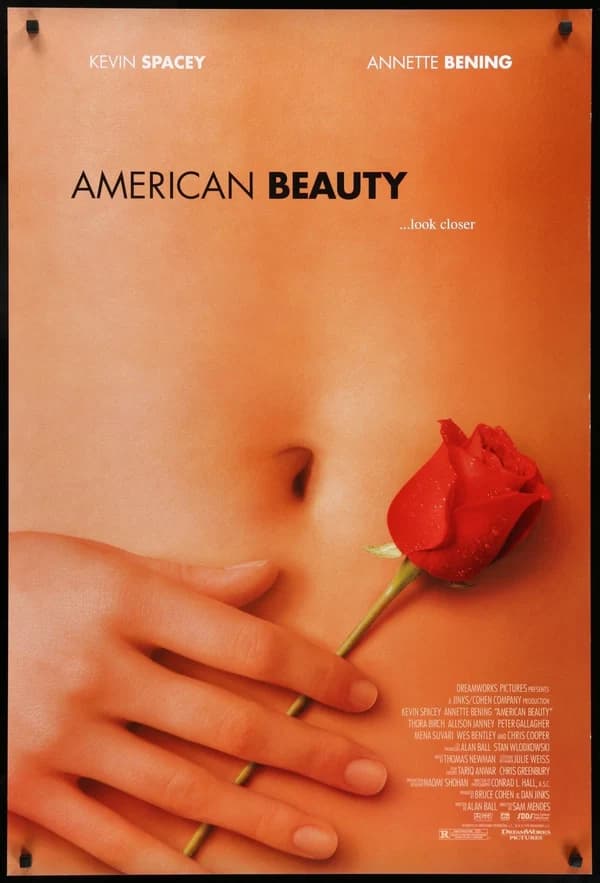
1999 // VHS
American Beauty
Lester Burnham, suburban rot and a midlife argument that still stings.