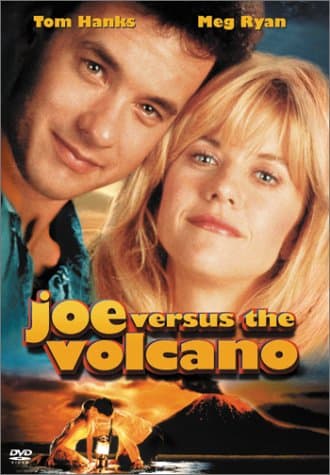
Joe Versus the Volcano
A man, a volcano and a very English-sized question about how to live.
// The setup
PLAYBACK STARTED
You remember the setup before the dialogue: an ordinary office drone is told he’s ‘dying’ and offered a last, lavish hurrah in exchange for walking into a volcano. It’s the sort of premise that either announces a fable — or a very strange mid-budget Hollywood gamble. Joe Versus the Volcano is both, and it still rewards the viewer who leans into its oddness.
THE MOVIE
Joe Banks is still the reason this movie works
Joe Versus the Volcano arrives with one of those pitch-perfect absurdities: Tom Hanks’s Joe Banks is an office man told he has a fatal “brain cloud” and, rather than being sent home to die quietly, is offered the chance to spend his remainder in comfort — if he agrees to be sacrificed by jumping into a South Pacific volcano. It’s daft, blunt and immediately personal. The choice the film hands Joe is both literal and moral: live well now, or stay safe and small.
That diagnosis — delivered by Dr. Ellison — is the little detonator that forces Joe out of passivity. Learning he’s apparently dying wakes him up; Graynamore’s proposition becomes the available, obscene alternative to the life he’s been tolerating. In other words: the plot isn’t about the volcano so much as the reaction it provokes in a man who’s been living on autopilot.
John Patrick Shanley made this his theatrical first feature, and the film’s appetite for fable and colour reflects that stage sensibility. It’s a 102‑minute romantic‑comedy/adventure with a fairy‑tale streak — an intentional oddity, not a studio-safe cliché — and that’s exactly why it still draws attention from viewers willing to be charmed or slightly bewildered.
THE SETUP
The idea that sets Joe Versus the Volcano in motion
Don’t let the absurdity distract you: the engine of the story is simple and clear. Joe Banks is a downtrodden office worker who’s told he has a fatal brain cloud, and that diagnosis pushes him to accept an extraordinary offer — a last stretch of luxury in exchange for volunteering to be the tribe’s human sacrifice at the volcano.
That bargain — the wealthy Graynamore underwriting Joe’s pleasures while simultaneously arranging the sacrificial terms — is the story’s dark, transactional centre. It turns the whole thing into a weird contract drama: what happens when someone offers you everything in return for erasing you?
Along the way Meg Ryan appears in multiple guises (DeDe, Angelica, Patricia), a deliberate device that stages several versions of feminine archetype for Joe to meet during his transformation. Each incarnation shapes a different encounter: a romantic mirage, a playful escape and a sturdier, practical match.
And yes, the film sounds like a fable because it behaves like one: the premise is a tall, moral question made comic and uncanny, with the voyage itself functioning as the moral schooling Joe needs.
THE CHARACTER
Why Joe Banks matters
Joe Banks matters because he’s a recognisable kind of person: the long-suffering, anonymous office worker who has let life happen to him. The film gives him a cruelly specific wake-up call — the brain cloud — and the story is what a man does when told he has no time left. It’s less about spectacle and more about the small interior motion of finally deciding to matter to yourself.
That shift from listless to engaged is what carries the film. Joe’s passivity is tested and then reshaped not by one big epiphany but by the series of choices he makes once he’s been given permission to stop pretending nothing will change. The volcano is theatre; the real drama is Joe learning to say yes to experience.
Meg Ryan’s three characters are set up as narrative counterpoints for Joe: a tantalising, out-of-reach love, a free spirit who opens doors, and a practical skipper who offers a steadier emotional match. They’re not puzzles to be solved so much as different reflections of what Joe might want and, crucially, who he might become.
And the world around him — the amoral industrialists, the officious doctors, the tribal obligations represented by characters such as Mr. Waturi or Chief Tobi — exists to push Joe along that narrow arc. They’re the forces that create the dilemma and thereby make his choices matter.
THE PERFORMANCE
Why Tom Hanks's performance matters
Contemporary reviewers pointed to Tom Hanks as the film’s sympathetic, quietly comic centre, and that’s a useful shorthand for what his presence does here. Joe needs to register as ordinary and likeable at the same time; otherwise the film’s moral gambit collapses into either a lecture or a farce.
Hanks supplies the necessary ballast. He keeps Joe recognisably human through the film’s lunatic turns, which lets Shanley push the rest of the world into stranger territory. Without that anchor, the film’s tonal leaps would feel risky in a less generous way.
It’s also worth noting that Meg Ryan’s trio of roles received attention for showing range inside the film’s curiously stagey structure — reviewers didn’t miss that the same performer was signalling different archetypes each time she appears.
So, performance-wise, contemporary reaction singled out the casting as a part of the film that enabled its oddness rather than being overwhelmed by it.
UNDER THE SURFACE
Joe Versus the Volcano has more on its mind than the plot suggests
On the surface it’s a madcap adventure; under the surface it’s a series of questions about death and what counts as living. The story is explicitly built around Joe’s reaction to a terminal diagnosis and the choices that follow. Mortality isn’t a throwaway beat — it’s the motor.
From that motor spin issues about meaning and self-actualisation. Joe’s voyage is also an escape from dehumanising work: the factory and office life he leaves behind aren’t just settings, they’re the habits he must unlearn in order to try on courage and purpose.
The film frames these ideas as a modern fable. That lets it treat love as part of moral education rather than mere reward: the romantic plotline sits alongside Joe’s attempt to become someone who chooses, rather than someone to be chosen.
Put bluntly: the volcano is an extreme device, but the real stakes are everyday — does a life of convenience count as living? The movie asks the question loudly and with a wink, and it prefers the messy bravery of trying.
THE FILMMAKING
How Joe Versus the Volcano was put together
The film’s production design and visual choices are part of what makes the fable feel lived-in rather than merely schematic. Bo Welch oversaw a stylised look — most visibly in the treatment of the factory — which the film uses to make the workplace feel allegorical and slightly off-kilter.
Stephen Goldblatt served as cinematographer, and the movie intentionally blends expressionistic factory imagery with brighter, more saturated moments later on. That contrast helps the narrative move from the monochrome hum of daily grind to the heightened life of adventure.
Those deliberate contrasts — factory to sea to island — keep the story from flattening into a single mood. The production choices tell you when the film wants you to feel claustrophobic and when it’s insisting that colour and eccentricity can be liberating.
In short, Shanley’s theatrical instincts are matched by collaborators who willingly let the film look a little like a storybook one moment and a satire the next; it’s a useful mix for a movie that wants to be both moral fable and romantic comedy.
PRACTICAL EFFECTS
The effects work that gives Joe Versus the Volcano its physical personality
The film relies on practical techniques that keep its world tactile. For instance, the factory visuals weren’t simply matte paintings: the production combined on-set additions such as pathways and signage with matte work to add smokestacks in post-production.
Similarly, the sea sequences — and the typhoon set-pieces — were shot using a large indoor water tank to simulate open-water conditions for the Tweedle Dee voyage. That decision gives the ocean scenes a physical heft that post-production alone would struggle to reproduce.
Those choices mean the film’s moments of spectacle feel like they occupy the same space as the quieter character scenes. The physical methods matter because they preserve a consistent reality across the film’s softer fantasy flourishes.
You can argue whether those effects are obvious; what matters is that they were practical decisions intended to make the film feel bodily and immediate rather than purely optical.
PURE 80S
Joe Versus the Volcano could not belong to any other decade
Released on 9 March 1990, the film sits at the very cusp of a new decade and therefore carries the tail end of late‑80s studio logic: it’s a mid‑budget star vehicle backed by major Amblin figures. That financing and production model is part of why a reasonably strange movie like this could be made.
The film’s place at the moment also matters for the careers involved. It arrived early in Tom Hanks’s rapid ascent to A‑list status in the 1990s and is one of his earlier pairings with Meg Ryan, a coupling that would become notable in later, more mainstream projects.
Finally, it’s John Patrick Shanley’s feature directorial debut after a career in theatre and screenwriting. That theatrical origin shows in the film’s tendency toward fable and heightened set-pieces — a voice that felt both personal and, to some viewers, slightly stagey.
So while the film doesn’t wear a decade like a costume, its production context — Amblin backing, star-driven casting, and a playwright-director at the helm — places it firmly in a specific industrial moment at the turn of the decade.
THE LEGACY
Why Joe Versus the Volcano still matters
The film never settled into neat consensus on release; contemporary response was mixed. Over time, though, it developed a cult reputation and has been subject to reassessment — the sort of film critics and festival programmers return to when arguing that a misfit movie deserves another look.
Its home‑media history underlines that slow burn: a home‑video release in August 1990, a Warner DVD in April 2002, and a manufacture‑on‑demand Blu‑ray through the Warner Archive Collection in June 2017. That pattern reads like a film that keeps finding new, smaller audiences rather than exploding into mass popularity.
The soundtrack’s story is similarly gradual. Georges Delerue’s score wasn’t widely released at the time but saw limited CD issues in the 2000s and again later — a detail that suits a film whose pleasures arrived piecemeal, through repeat viewings and reappraisals.
All of that adds up to a movie that lives in the margins of mainstream memory: not forgotten, but not universally loved either. It’s the sort of picture people still argue about, which is a form of life for any eccentric fable.
THE VERDICT
Does Joe Versus the Volcano still hold up?
Short answer: yes — if you’re willing to accept its terms. The film’s central bargain (a man told he’s dying is offered luxury in exchange for volunteering as a human sacrifice) is as daft as it is precise, and Joe’s response to that deal is where the film earns its weight. If you want a tidy rom‑com, this is not that film; if you want a small fable about choosing to live, it’s still effective.
Tom Hanks’s Joe is the emotional fulcrum the whole thing needs: the premise asks a lot of the audience, and the film repays that risk with a character who’s believable enough to care about. The journey structure — city and factory, then sea voyage on the Tweedle Dee, then the island of Waponi Woo — lets the movie move from satire of dehumanising work into a mythic, romantic quest, and that shift is deliberate rather than sloppy.
Meg Ryan’s multiple roles help the film think about desire in stages: flirtation, liberation and then a practical companionship that mattes neatly against Joe’s newly awakened appetite for living. And the surrounding players — Graynamore arranging the deal, Dr. Ellison delivering the diagnosis, the tribal representatives who formalise the sacrificial requirement — keep the stakes clear and the moral choices sharp.
So should you watch it now? If you like your films a little eccentric, fond of theatrical gestures and interested in a rom‑com that takes mortality seriously, yes. Joe Versus the Volcano isn’t politely forgettable; it’s the sort of odd little fable that can make you laugh, frown and then want to try something new with your own life. That feels like a decent legacy for a man who was told he had a brain cloud.
Share this movie
// Keep watching
More movies from the 90s
If Joe Versus the Volcano is your kind of movie, there's plenty more on the shelves worth rewinding.
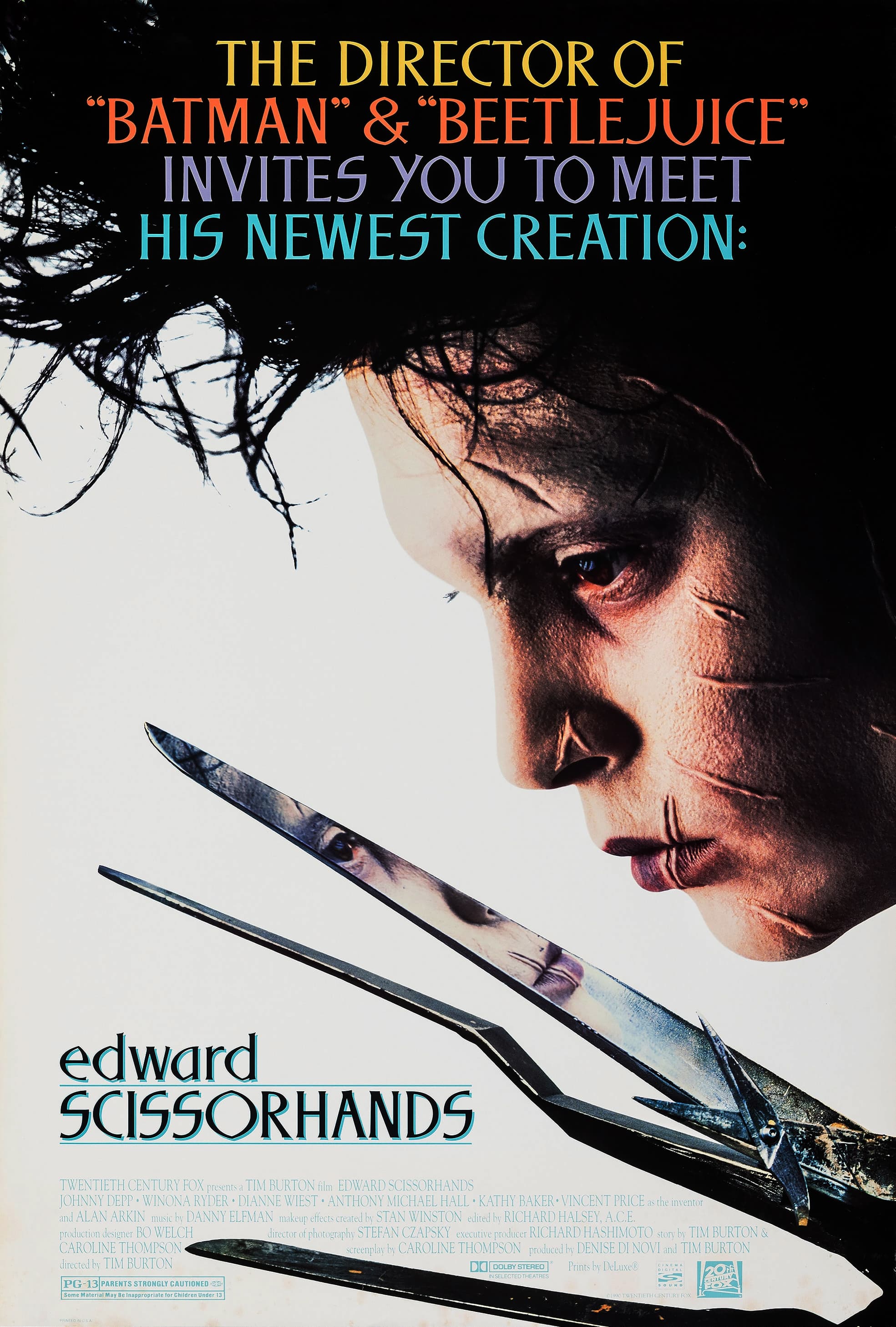
1990 // VHS
Edward Scissorhands
A fairy tale about a man who can’t quite touch the world — and the neighbourhood that can’t quite handle him.
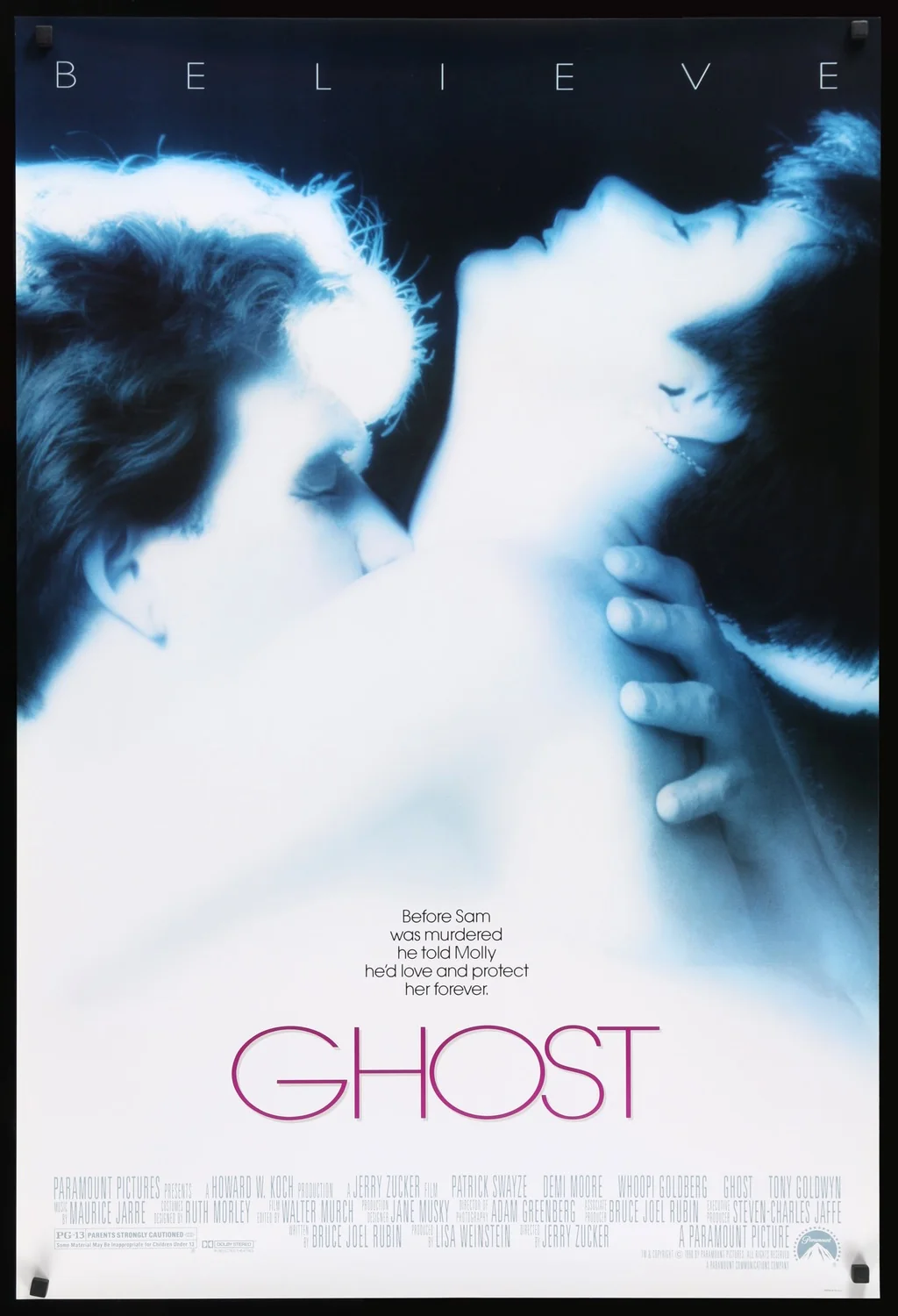
1990 // VHS
Ghost
A murder mystery disguised as a love story — with a man who won’t stop watching over the person he loves.
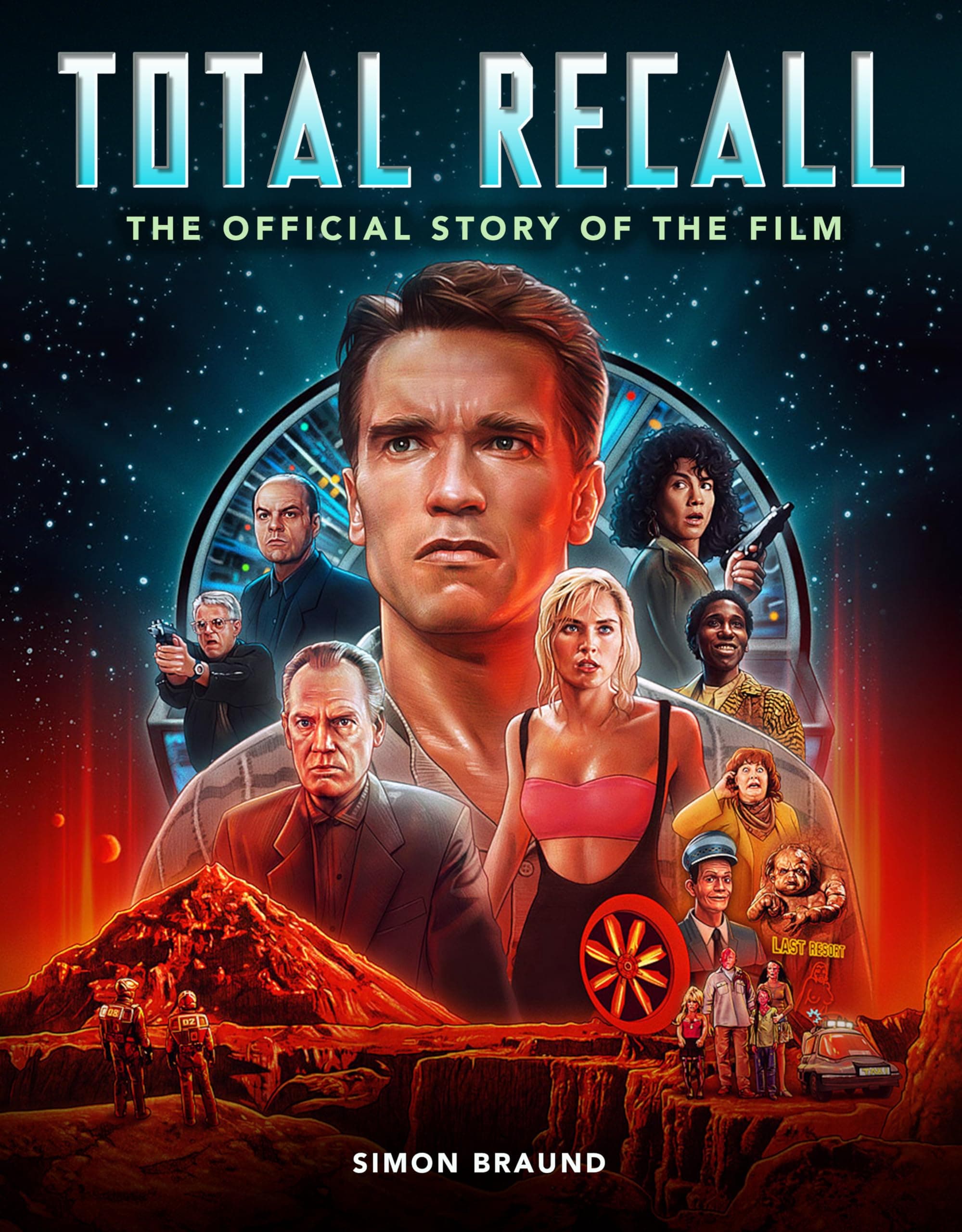
1990 // VHS
Total Recall
Memory, muscle and a very faulty holiday package — with Mars on the itinerary.