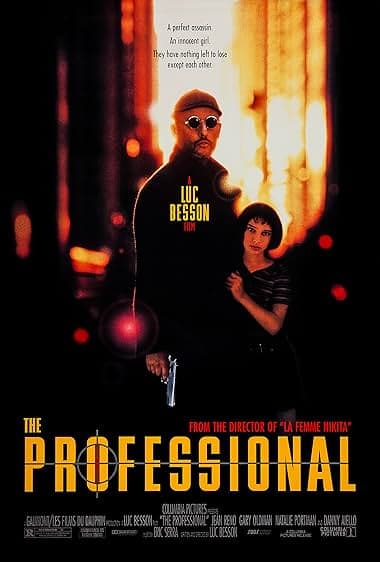
Léon: The Professional
A hitman, a 12-year-old, and a strange sort of family — Léon still asks the same awkward question: can a professional learn to care?
// The setup
PLAYBACK STARTED
There’s a single idea you can hum from the first minute of Léon: The Professional — a disciplined loner who lives by routines is shoved into impossible intimacy and has to improvise being human. Luc Besson’s 1994 thriller pairs a near-mute cleaner with a child who refuses to be helpless, and the result keeps tugging at viewers because it never quite decides whether it’s a crime movie, a coming-of-age story or something in between.
THE MOVIE
Léon is still the reason this movie works
People keep coming back to Léon: The Professional because it hangs everything on one oddball relationship. A solitary hitman in New York is forced, suddenly, to care for a 12-year-old who has nowhere else to go.
That catalyst — a violent raid by a corrupt DEA agent that wipes out a family and pushes Mathilda into Léon’s life — is blunt and unforgiving. It gives the film an immediate moral tug: this is a revenge story, but it’s also about two people learning how to belong to each other.
What helps the film hold together is how determinedly it portrays Léon as a creature of routine — milk, exercise, caring for a plant — a professional whose rituals underline his emotional distance. Slip a child into that world and everything interesting begins to happen.
THE SETUP
The idea that sets Léon: The Professional in motion
This isn’t a twisty plot so much as a smart pairing. Léon is a man whose job is to be clean and efficient; Mathilda arrives with a single, devastating purpose: revenge.
That collision creates the film’s central tension. Mathilda wants to be taught how to hit back; Léon must decide whether to remain detached or to let personal attachment complicate his life.
Besson keeps the mechanics straightforward. Mathilda learns the basics from Léon, Léon still relies on his underworld contact Tony to navigate the business, and Stansfield’s abuse of authority is the engine that pursues them both.
THE CHARACTER
Why Léon matters
Léon is the film’s organising principle. Jean Reno’s character is written as a professional: precise, ritualised and emotionally distant — which makes the way he softens around Mathilda the whole point of the story.
He isn’t a blank slate; he’s a man whose job and habits define him. Put next to a grieving child and suddenly those habits look like the only language he has for care.
Because the film is coming from Luc Besson, Léon’s arc feels consciously connected to other stories the director has told — solitary professionals whose encounters with younger characters unsettle them — but here the inconvenient tenderness becomes the movie’s heartbeat.
THE PERFORMANCE
Why Jean Reno's performance matters
Contemporary critics singled out Jean Reno’s take on Léon as quietly affecting. His portrayal gives the character weight without endless explanation, which is exactly what the part needs.
That restraint matters because the film’s emotional shifts often come from what isn’t said. Having a central presence who keeps things measured allows the smaller, messy human moments to land harder.
UNDER THE SURFACE
Léon: The Professional has more on its mind than the plot suggests
On paper the film is a revenge thriller. Under the skin it’s mostly about surrogate family: how two very damaged people try, inelegantly, to be a unit.
That idea is tangled up with questions of innocence and corruption. Mathilda arrives as a child in a brutal world; the movie keeps returning to the cost of letting that world touch her.
There’s also a steady debate between professionalism and attachment. Léon’s trade teaches him distance; Mathilda forces intimacy. Their tug-of-war carries the film’s emotional currency.
Finally, it’s a peculiar coming-of-age story — not the sort with classrooms and certainty, but one where learning to survive becomes a form of growing up.
THE FILMMAKING
How Léon: The Professional was put together
Léon feels like a Luc Besson film in the way it stages genre material: it blends slick genre mechanics with a brooding, slightly stylised sensibility. That continuity with Besson’s earlier work is part of the movie’s identity.
You can sense the same appetite for genre spectacle married to personal drama that Besson had shown before, which helps the film sit comfortably between action and emotional drama.
That mixture — a director applying his established approach to an English-language story about killers and families — is what gives Léon a distinctive temperament.
PURE 80S
Léon: The Professional could not belong to any other decade
Léon arrived in 1994 at a moment when European directors were increasingly making English-language films to reach a global audience. For Besson, this was his first major international English-language hit and it sits in that same wave.
The film also tapped into a 1990s appetite for stories about professional killers — clean, efficient characters who live by rules — and then complicated that appetite by introducing an unexpected human bond.
All of which meant Besson could bring his visual approach and genre instincts into a wider market without losing the film’s European sensibility.
WATCHING IT NOW
What has aged — and what hasn't
Many modern appraisals continue to defend the film’s technical craft and the central performances, even when viewers raise questions about how the child character is handled. That split is the honest centre of contemporary viewing.
The surrogate-family core still resonates: the idea of two unlikely people forming a household remains the film’s clearest emotional power, and that relationship still carries the movie.
There’s also a practical afterlife: a longer international Director’s Cut exists, and the film received a restored release and 4K campaign in 2019, which has kept fresh interest alive for new audiences.
THE LEGACY
Why Léon: The Professional still matters
For starters, it introduced Natalie Portman to feature films; her debut in the role of Mathilda is commonly seen as the performance that launched her career.
Norman Stansfield — the corrupt DEA agent — and Gary Oldman’s turn in the part have also remained culturally notable, frequently cited when people talk about memorable film villains.
The film’s afterlife has been helped by the existence of an extended Director’s Cut and a restored 4K campaign in 2019, which nudged the movie back into conversations, lists and retrospectives about 1990s action cinema.
THE VERDICT
Does Léon: The Professional still hold up?
Yes — with a careful asterisk. Léon: The Professional is still worth watching because its core pairing works: a professional who lives by rules and a child bent on revenge create real, unpredictable tension.
The film’s central conflict — Mathilda’s quest and Léon’s struggle between detachment and attachment — gives it emotional momentum that survives repeated viewings. The mechanics are clear: she learns what she needs from him, he depends on underground contacts like Tony, and Stansfield’s abuse of power keeps the stakes high.
Jean Reno’s Léon remains the film’s anchor (critics like Roger Ebert praised that restrained, affecting performance), and Natalie Portman’s debut as Mathilda still reads as the moment a new actor arrived on the scene.
If you’re watching now, the Director’s Cut and the restored editions make revisiting the film easy, and they underline the reason Léon endures: it asks a messy question about care and professionalism and refuses to offer a neat answer.
Share this movie
// Keep watching
More movies from the 90s
If Léon: The Professional is your kind of movie, there's plenty more on the shelves worth rewinding.
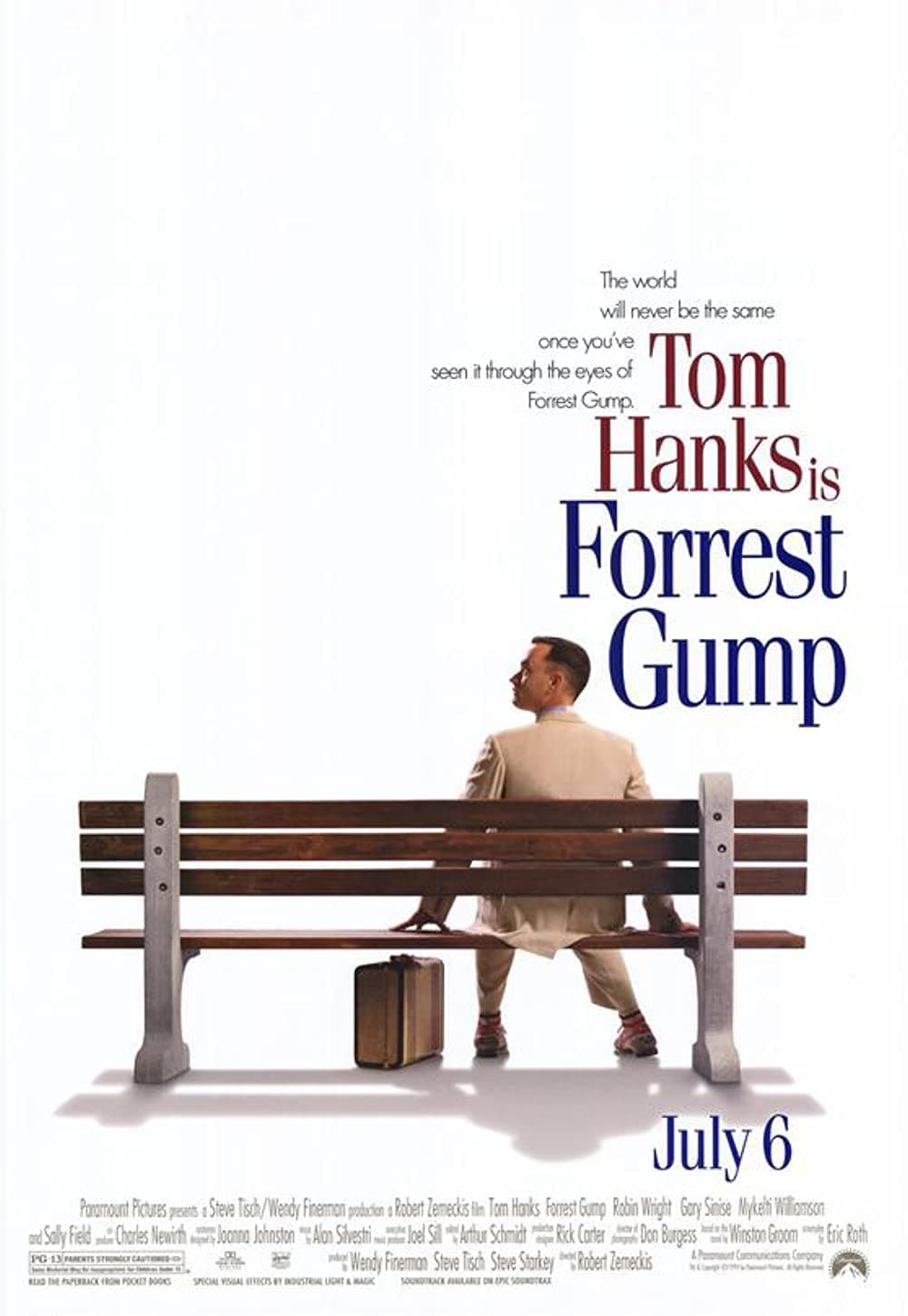
1994 // VHS
Forest Gump
A man on a bench who refuses to make history anything more complicated than a story worth telling.
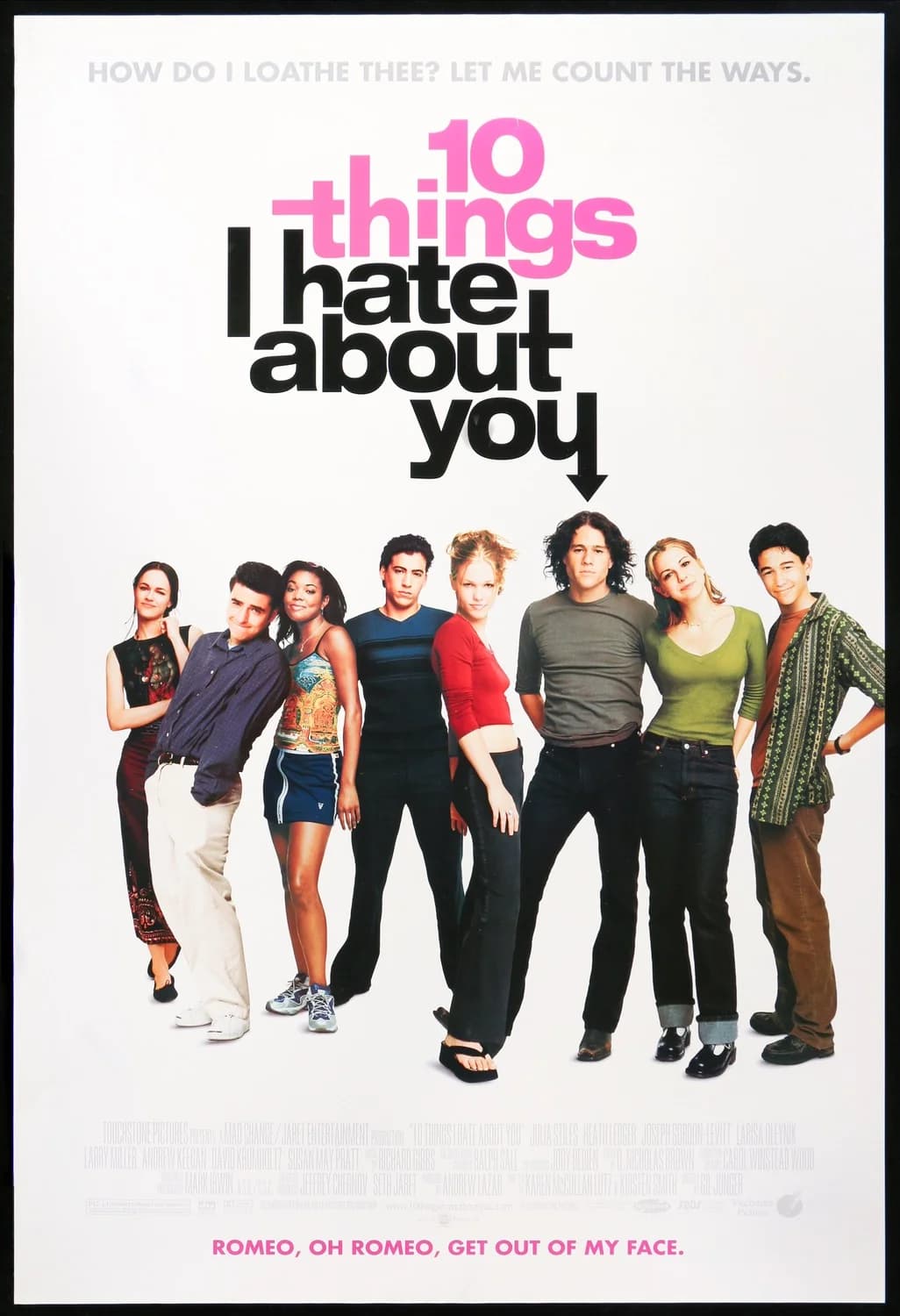
1999 // VHS
10 Things I Hate About You
Sibling rules, a rooftop serenade and one very stubborn Kat — Shakespeare in a school corridor.
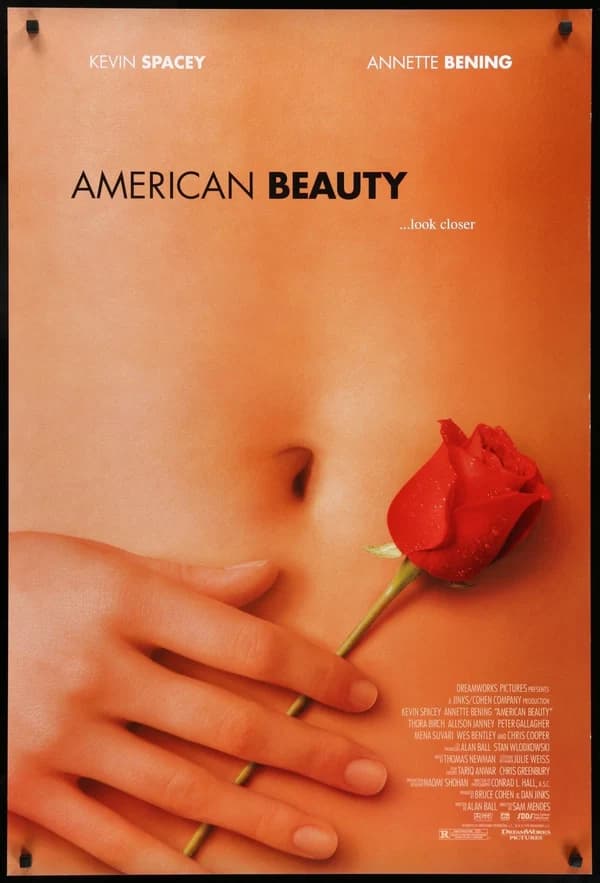
1999 // VHS
American Beauty
Lester Burnham, suburban rot and a midlife argument that still stings.