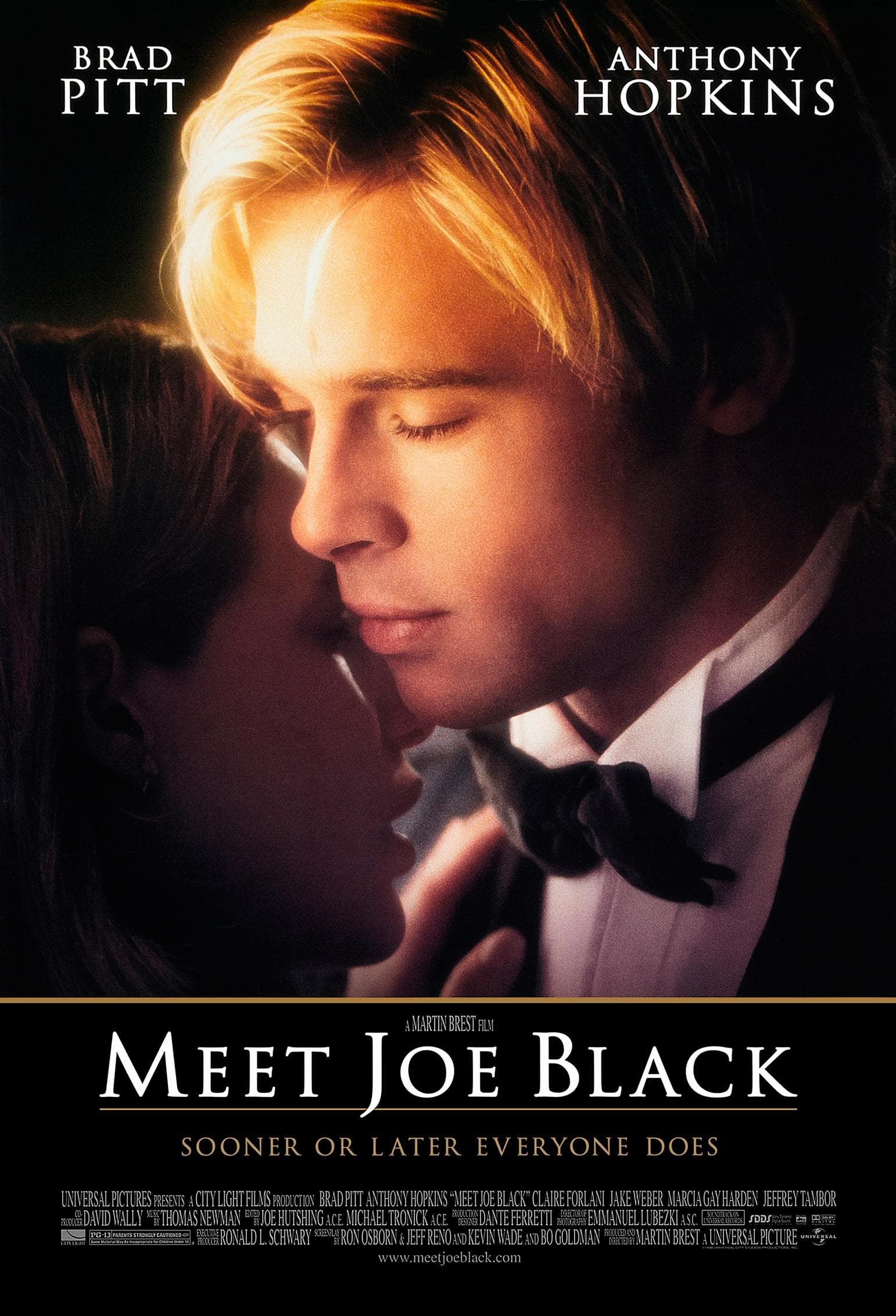
Meet Joe Black
A three-hour conversation about mortality, love and family — with Death politely at the table.
// The setup
PLAYBACK STARTED
Meet Joe Black is the peculiar, polite film that asks you to talk about dying over supper. Martin Brest stages that conversation by letting Death live inside an American family long enough to learn what it is to be human — and to fall in love. If that sounds like a strange dinner guest, well, that’s the point.
THE MOVIE
Joe Black / Man in coffee shop is still the reason this movie works
People still talk about Meet Joe Black because it rests a very odd, very intimate idea on a big studio mattress and refuses to apologise. At its centre is a bargain: Death, taking human form as a young man who calls himself Joe Black, arrives after a violent street accident and asks to live with William Parrish's family in order to study life before it takes Parrish away.
That setup gives the film a simple, stubborn engine. William Parrish is an affluent, reflective patriarch approaching his 65th birthday; his awareness of mortality makes him the patient guide for a visitor who has never had a mouthful of ordinary life. The result is less a thriller and more a long, deliberate conversation about goodbyes, taste and who we are when someone else’s timetable interrupts everything.
Martin Brest directed the whole thing into an unusually long running time — near three hours — and cast Brad Pitt as the young man and Anthony Hopkins as Parrish. That combination — a strange premise, a patient older man and a strangely mute young visitor — is the single thing that keeps people curious about the film even now.
THE SETUP
The idea that sets Meet Joe Black in motion
At its cleanest, the film has a single conceit: a supernatural visitor takes human form to taste what being alive feels like. That visitor is present because of a sudden, violent street accident, and a bargain follows — Joe will remain with William Parrish's household and company while he studies human behaviour.
That arrangement explains the film’s mood. Joe is not a stranger who simply turns up; he is an experiment in intimacy inside a family that already contains duties, secrets and expectations. Parrish’s position as a wealthy media executive brings in a secondary current: the film lets Joe observe business dealings and inheritance questions as part of what humans spend their days on.
Complication arrives the day Joe notices Susan Parrish. A romantic attraction between Susan and the visitor turns the movie’s thought experiment into an ethical problem: what does it mean to fall for someone who is not wholly what they appear to be?
The script credits several writers and leans on an older story — it’s a modernised update of the 1934 Death Takes a Holiday — which helps explain why the film feels like an old-fashioned parable stretched across a very late-90s movie canvas.
THE CHARACTER
Why Joe Black / Man in coffee shop matters
Joe Black matters because he is a device and a dilemma. On paper he’s simple: Death in human form living with a family. In practice he’s the mechanism that allows the Parrish household — and the audience — to confront pleasure, ritual and the business of saying goodbye.
Brad Pitt is credited as the man who carries that role. That casting turns the character into a movie-sized curiosity: a young, oddly still presence placed inside a middle‑aged dynasty. The contrast between an ancient force and a young body is where the film’s emotional questions are lodged.
Because the story privileges legacy and family, Joe's presence always carries double weight. He’s learning about human tastes and touch, yes, but he’s also watching the small arrangements that hold a family and an estate together — which makes his learning feel both intimate and consequential.
Critics at the time took note of the film’s unusual length and pacing, and the character of Joe was central to those discussions. Whether the idea lands for you will depend a lot on how convincing you find the premise of a being who can taste life by sitting at someone’s table.
THE PERFORMANCE
Why Brad Pitt's performance matters
Contemporaneous reviews often singled out Brad Pitt’s approach as something viewers would either lean into or find puzzling. Critics commonly described his portrayal of Death as deliberately restrained or oddly detached — a choice that divided responses.
That restraint is part of what makes Joe feel other. The deliberate stillness turns ordinary acts — tasting food, answering a question, declining to reveal himself — into small studies. For some viewers, those pauses allow the film to breathe; for others they make it hard to engage with an already slow, lengthy picture.
Because the movie asks you to accept an elemental presence in a young body, the performance's tone changes how the whole experiment reads. If you find the detachment haunting, it adds mystery. If you find it inert, the three-hour runtime makes the film feel weighty in the wrong way.
Either way, the contemporary conversation about the performance helps explain why the film’s reputation remains split: Anthony Hopkins as the older man attracted more uniform praise, while Pitt’s choices were the honest fault line critics returned to.
UNDER THE SURFACE
Meet Joe Black has more on its mind than the plot suggests
On the surface it’s a romance and a fantasy; underneath it’s a film that keeps returning to the fact that people have edges. Mortality sits at the heart of everything: Parrish’s sense that his life is winding down turns ordinary domestic details into urgent moments.
Love and intimacy are the complications. The film forces a romantic problem that isn’t just about two people liking each other: it asks what consent and honesty mean when one person is not what they seem. That question adds discomfort to the romance and keeps the viewer on edge.
Legacy and family are the quieter concerns. Parrish isn’t only a man facing death; he’s a man with an estate and relationships to manage. Joe’s presence makes those arrangements visible — who will inherit what, and what memories survive a life.
There’s also a persistent curiosity about the human sensory experience. The visitor learns about food, music and small pleasures, and that catalogue of senses becomes the film’s way of explaining why life is worth missing. It’s a simple, tangible way of making abstract ideas feel domestic.
THE FILMMAKING
How Meet Joe Black was put together
Martin Brest both directed and produced the film, which matters because the movie often feels like a personal, carefully measured studio picture rather than a brisk, purely commercial product.
The credits read like a who’s-who of craft: Emmanuel Lubezki is listed as director of photography and Dante Ferretti as production designer, and the editing team includes Joe Hutshing and Michael Tronick. Those names tell you the film was assembled with a serious, high‑end crew.
You can feel that ambition in the way scenes are allowed to play out rather than being snapped together. That patience is part of the film’s identity: it wants time to register small domestic beats and to give space for the central relationship experiment.
Put simply, the filmmaking choices aim to dress a very intimate idea in grand studio terms. Whether that combination works for you depends on how much patience you have for a long, deliberate mood piece.
PURE 80S
Meet Joe Black could not belong to any other decade
Released in November 1998, Meet Joe Black arrived at the tail end of a decade that loved star-driven prestige pictures. Big names, big runtimes and big emotional gestures were still a comfortable studio formula then, and this film sits squarely inside that late-90s appetite.
The film’s unusually long running time — commonly cited near three hours — was remarked on as a curiosity for a mainstream release. That willingness to let a film stretch itself was something of a 90s trait for prestige projects.
Its premise is also a 90s-style reworking of older material. The movie is a modernised retelling of the 1934 Death Takes a Holiday, which fits a trend of the era: Hollywood revisiting and reworking earlier studio properties as vehicles for contemporary stars.
So the film feels of its moment because it combines studio confidence, star power and an appetite for revisiting classical storytelling — all wrapped in a runtime that refuses to hurry the strange experiment.
THE LEGACY
Why Meet Joe Black still matters
The film remains memorable partly because of its source material lineage: publicity and coverage at the time made clear it was reworking Death Takes a Holiday, and that framing still shapes how people approach it.
It also left behind an odd awards footprint. The movie received mixed recognition — ranging from nominations in genre awards to a Golden Raspberry nod in the Worst Remake/Sequel category — which captures how polarised responses could be.
Another piece of its afterlife is practical: a truncated two-hour version was prepared for television and flights, and that shortened edit was publicly disowned — credited with the Alan Smithee pseudonym on some releases. That episode feeds the film’s reputation as something that only works at full length, or not at all.
More recently, the film re-entered public conversation when short clips — notably the car-accident sequence — circulated on social media in 2019, producing a new, sometimes ironic interest. In other words, Meet Joe Black keeps returning to view in fits and starts, partly because it contains scenes and ideas that are oddly shareable.
THE VERDICT
Does Meet Joe Black still hold up?
If you’re asking whether you should watch Meet Joe Black today, start with patience. The film asks for almost three hours of attention to play out a thought experiment: Death appears after a violent accident, makes a bargain to live with William Parrish’s family, and then learns what humans taste, touch and choose — including falling into a romantic complication with Susan Parrish.
That setup contains genuine emotional stakes. Parrish’s approaching mortality and the family and business arrangements around him give the story weight, and the romantic conflict — falling for someone who isn’t fully human — forces tricky questions about consent and identity.
Expect a divided experience. Contemporary notices flagged Anthony Hopkins’s portrayal of Parrish as a clear strength, while Brad Pitt’s deliberately restrained depiction of Joe was widely discussed and split opinion. The movie’s length and pace were equally polarising, and a shortened two-hour edit materially alters the story (a cut the director later disowned), so the full-length version is the version to judge.
So should you watch it? Yes, if you want a slow, thoughtful studio fable that treats mortality and intimacy as conversation topics rather than punchlines. No, if you prefer your romance tidy and your ideas quick. Meet Joe Black isn’t politely forgettable — it’s the sort of film that keeps you thinking about one strange dinner guest long after the plates are cleared.
Share this movie
// Keep watching
More movies from the 90s
If Meet Joe Black is your kind of movie, there's plenty more on the shelves worth rewinding.
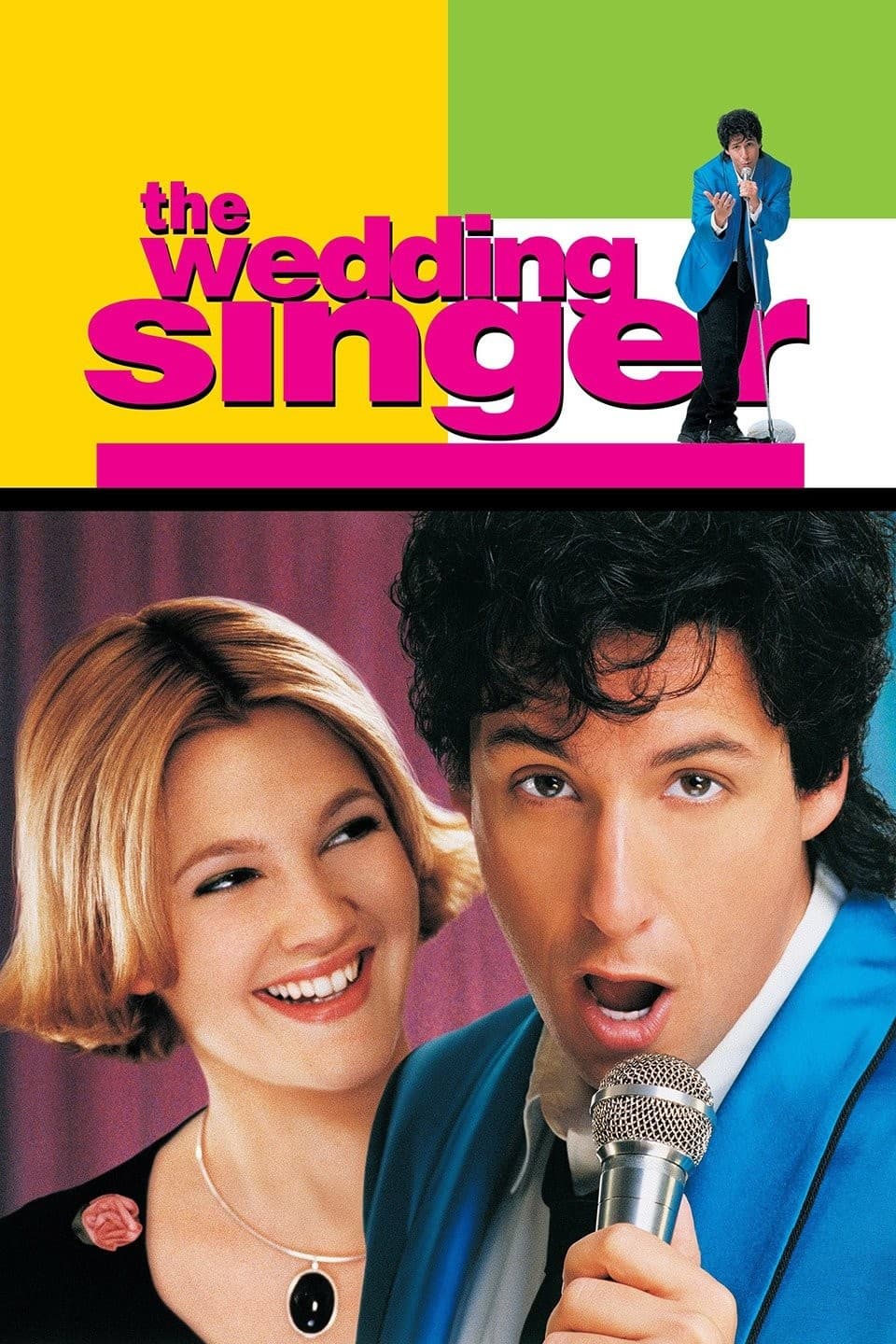
1998 // VHS
The Wedding Singer
A love story wrapped in 1980s pop — and carried by one very earnest wedding crooner.
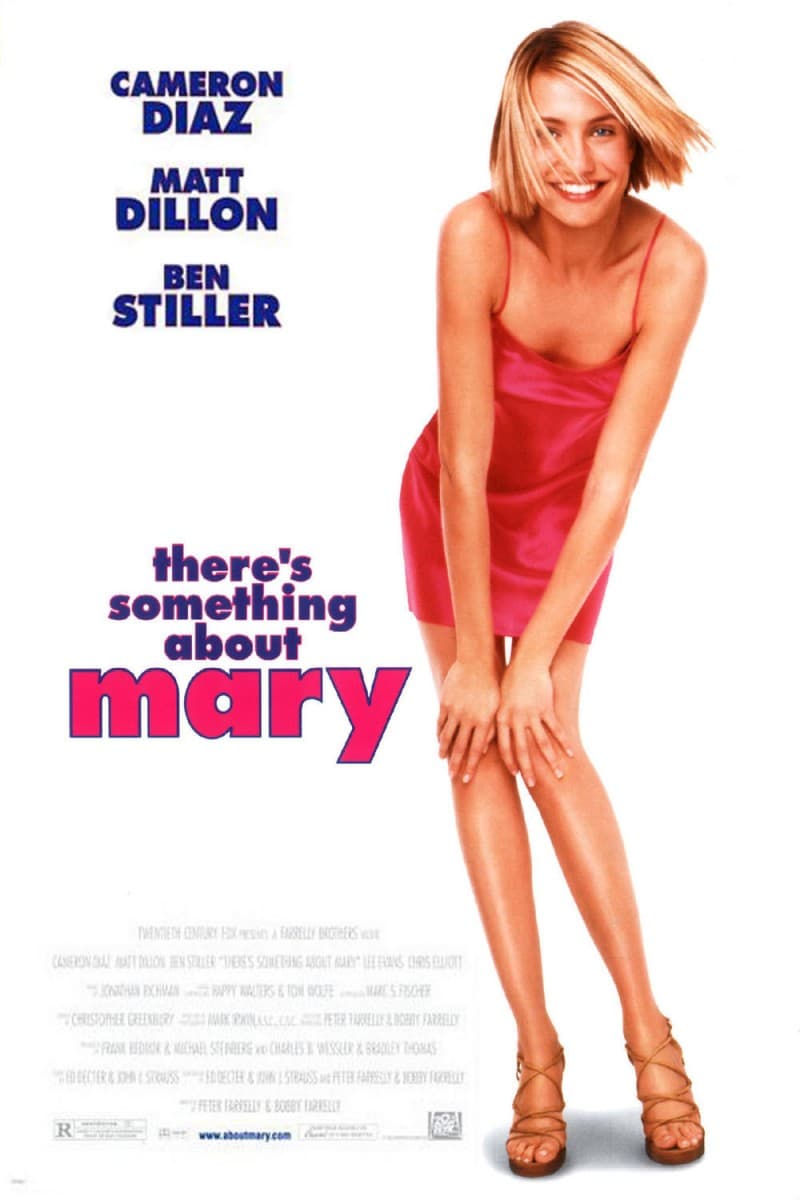
1998 // VHS
There's Something About Mary
Romantic obsession, awkward masculinity and a hair‑gel gag you can't unsee.
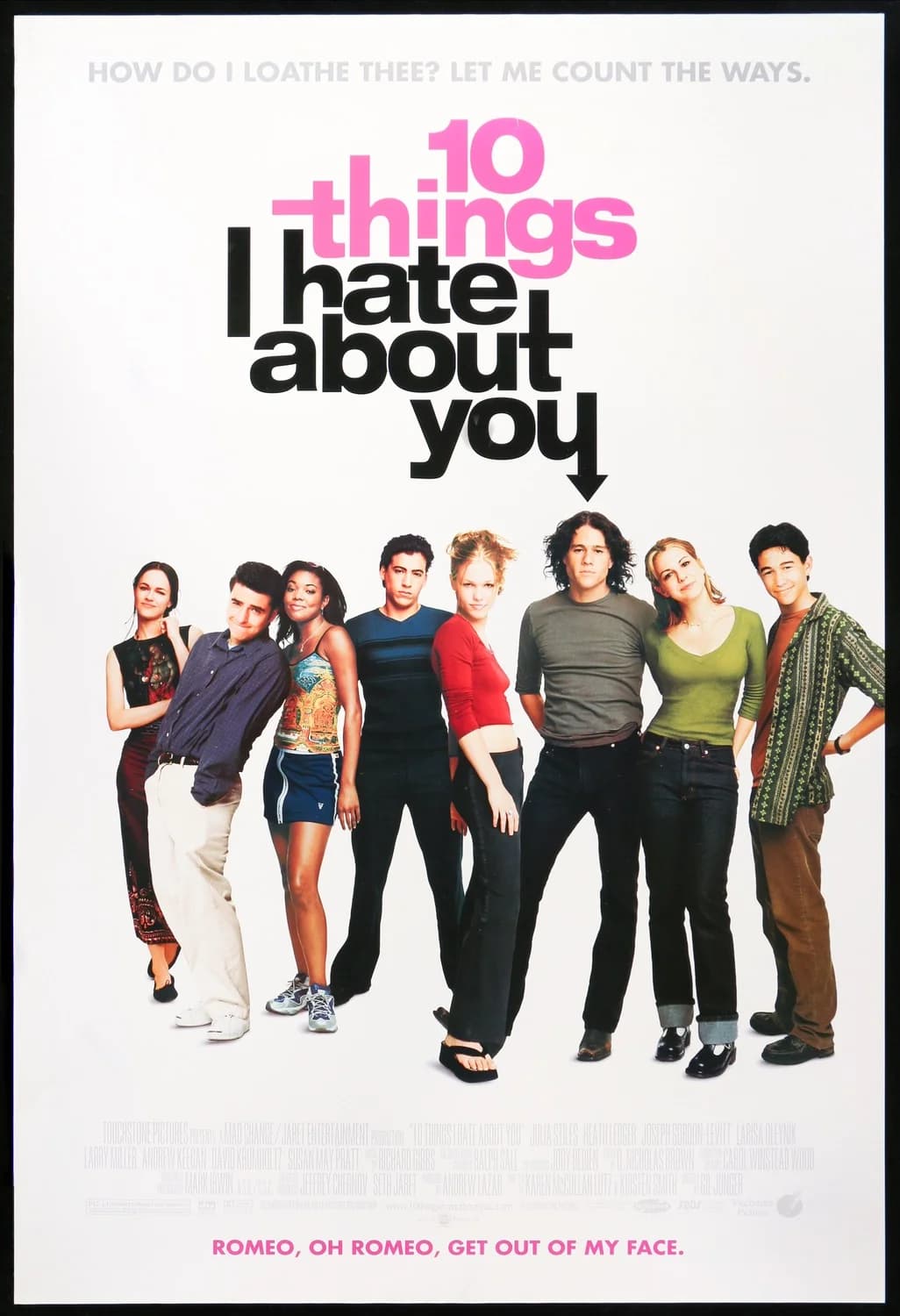
1999 // VHS
10 Things I Hate About You
Sibling rules, a rooftop serenade and one very stubborn Kat — Shakespeare in a school corridor.