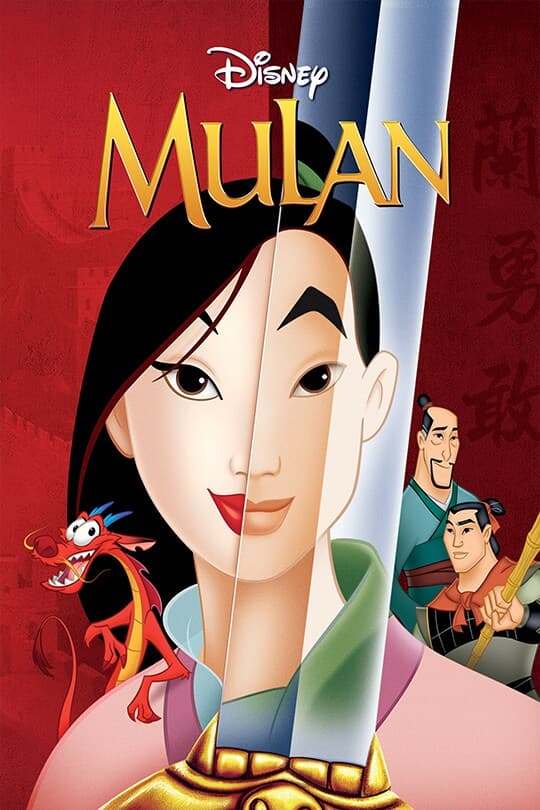
Mulan
A story about duty, disguise and a young woman who refuses to be what everyone expects.
// The setup
PLAYBACK STARTED
Mulan still circles back to one simple, unshowy thing: a woman who chooses to shoulder her father's burden. That choice — she cuts her hair, takes his conscription notice and pretends to be a soldier — is the engine that gives the film its heart, its jokes and its tension. Directed by Barry Cook and Tony Bancroft and anchored by Ming‑Na Wen’s speaking voice, the 1998 animated Mulan is worth revisiting because it keeps asking whether honour belongs to family or to the self.
THE MOVIE
Fa Mulan (speaking voice) is still the reason this movie works
People still talk about Mulan because it begins with a decision that’s both domestic and audacious: a daughter cuts her hair, uses her father’s conscription notice and steps into a role the world insists she cannot hold. That concrete, stubborn act — filial duty made brave and inconvenient — never stops reverberating through the film.
It helps that the film wears many hats. It’s a musical with comic relief (hello, Mushu), a martial‑arts adventure and a family picture all at once. Those genre choices keep the tone fleet and accessible while the central question — do you follow honour or follow yourself? — keeps it honest.
And at the centre of that honesty is Fa Mulan’s speaking voice, provided by Ming‑Na Wen. The directors, Barry Cook and Tony Bancroft, steer a story that balances spectacle with a quietly human core: a girl trying to protect her father and to find a self that fits.
THE SETUP
The idea that sets Mulan in motion
The film kicks off with a very specific, very theatrical premise: Mulan replaces her father on the conscription roster by cutting her hair and taking his notice. It’s the sort of small, physical act that instantly creates stakes — honour, family shame, and the risk of discovery — without a single speech about destiny.
From there the story runs with recognisable mechanics: cross‑dressing and mistaken identity, a training sequence that turns discipline into a music number, and the comic‑sidekick energy of Mushu and the ‘lucky cricket’, who keep the mood light while nudging events along.
Those elements are tidy because they make the film easy to follow. The disguise creates personal tension with the army’s officers; the boot‑camp montage clarifies who Mulan must become; and the sidekicks give the plot occasional relief from the central pressure cooker.
Crucially, the setup gives the audience a simple promise: we will see whether a woman pretending to be a soldier can survive the rigours of war, the eyes of her comrades and the weight of family expectation — all without spoiling how the promise is fulfilled.
THE CHARACTER
Why Fa Mulan (speaking voice) matters
Mulan matters because she is written and voiced as someone trying to reconcile two hard truths: a duty to her family and a mismatch between that duty and who she feels she is. That internal tension is what makes her choices persuasive rather than merely plotty.
The movie’s emotional stakes are domestic. Her parents — especially her father, who is infirm — are the reason she acts. Family honour, shame and eventual reconciliation aren’t window dressing; they drive her decision to risk everything to protect her parent.
Her relationship with the army — and with Captain Li Shang’s command — is where her private risk becomes public drama. Shang stands for military order and respect, and the fact that their bond grows under the constraint of her disguise keeps the personal complications believable.
Finally, Mulan’s speaking voice is the film’s anchor: it carries the character through jokes, doubt and the quieter moments where the plot breathes. The presence of a dedicated singing voice alongside Ming‑Na Wen’s speaking performance is a production choice that underlines how the filmmakers treated Mulan as both a character and a song‑driven figure.
THE PERFORMANCE
Why Lea Salonga's performance matters
The film splits Mulan’s voice into two roles: Ming‑Na Wen handles the speaking parts while Lea Salonga provides the singing voice. That’s a deliberate production choice rather than an accident; it lets the movie treat the character’s dialogue and musical moments as complementary but distinct expressions.
Naming the singing role separately shows how much weight the songs carry. The decision to cast a specific singing voice for Mulan means musical passages were intended as essential beats for the character, not optional extras.
It’s also worth noting the wider vocal casting pattern: the speaking and singing responsibilities are handled by different performers in other leading roles too, which signals the filmmakers’ emphasis on matching vocal qualities to narrative demands.
So, Lea Salonga’s presence as the singing Mulan is less a trivia point and more an indicator of how the filmmakers wanted music to do some of the storytelling heavy lifting.
UNDER THE SURFACE
Mulan has more on its mind than the plot suggests
On the surface Mulan is a family adventure with jokes and action. Below that surface it’s quietly occupied with the collision between filial duty and personal identity — the push and pull of doing what your family expects and doing what you need to be.
Gender roles and performance are treated as practical problems rather than abstract debates. Cross‑dressing in the film is not just a gag; it’s a way of asking how much of who we are is costume and how much is choice.
There’s also an argument about honour here. Mulan faces the old‑fashioned idea of honour that can bind an entire household, and the film stages her struggle to reconcile that communal ideal with her own emerging sense of self.
Finally, the movie operates as a female‑empowerment story dressed in a genre‑friendly outfit: an action adventure that lets a young woman prove herself in a traditionally male setting, and then reckon with what that proof means for her home life.
THE FILMMAKING
How Mulan was put together
Mulan’s look didn’t come out of nowhere. The creative team actually went to China to gather photographic reference, which fed into their choices about environments and production design. That research mission matters because it shows the filmmakers were aiming for a particular visual reference rather than a generic ‘oriental’ palette.
Production designers and art directors consciously leaned on Chinese painting and watercolour sensibilities when shaping backgrounds and sets. That influence gives the film a calmer, brush‑stroked sense of space in moments that aren’t action‑heavy.
The music and the wider craft were also recognised within the industry: the film attracted awards attention for its music and won several animation craft prizes, which suggests the industry saw something carefully assembled in its production.
Put together, the filmmaking feels like a set of decisions to balance spectacle with a softer aesthetic—action scenes sit beside painterly vistas because the team wanted to keep the visual poetry intact even in a mainstream Disney picture.
PRACTICAL EFFECTS
The effects work that gives Mulan its physical personality
Mulan sits in that late‑1990s moment when hand‑drawn animation was beginning to mix more openly with digital techniques. The production used the CAPS digital ink‑and‑paint and compositing system as part of its pipeline, which smoothed and unified the linework and colour in ways older processes couldn’t.
The team also developed a background/camera approach — a way of treating painted backgrounds to make them feel deeper in wide shots. Described in studio material as a 'Faux Plane'‑style technique, it’s a practical solution to give painted environments a sense of camera depth without abandoning the hand‑painted look.
Those technical choices are small, useful decisions rather than flashy gimmicks: they let the film keep the warmth of drawn art while still offering broader, deeper compositions when the story calls for them.
In short, Mulan’s visual personality is a hybrid: traditional drawing augmented by newer production tools so that backgrounds could breathe more convincingly in the same frame as brisk action.
PURE 80S
Mulan could not belong to any other decade
Mulan arrived in 1998 at the tail end of Disney’s Renaissance — a period when the studio was regularly releasing animated features. That placement matters because the film follows a familiar Disney cadence: musical beats, comic sidekicks and a balance of family‑friendly drama with action.
It was also the first feature largely produced at Disney’s Florida studio, which shows the company expanding its animation footprint in the mid‑1990s. That practical fact affects how the film was made and who made it.
Technically the film sits in a transitional era: the production blended hand‑drawn animation with digital ink‑and‑paint integration and early compositing for certain effects. Those shifts were not about style alone but about how animation was being produced across the industry at the time.
So Mulan feels of its moment because it uses the storytelling grammar of the Disney Renaissance while adopting the new tools and production structures that defined late‑1990s animation.
WATCHING IT NOW
What has aged — and what hasn't
Viewed today as a family film, Mulan still reads as a tight, under‑90‑minute package that doesn't overstay its welcome. Its running time and clear genre signalling make it approachable for younger viewers and tidy for adults revisiting it.
Some aspects of the property continued beyond the original film: the movie generated a direct‑to‑video sequel in 2004 that picked up several of the same characters and events. That sequel is part of how audiences later encountered the property off the big screen.
Because Mulan keeps its emotional stakes rooted in family and identity, those story elements remain accessible even when tastes have shifted. The film’s core question — balancing duty to others with being true to oneself — is still straightforward and relatable.
In short: as a family‑oriented animation it still functions cleanly as an hour‑and‑a‑bit entertainment that foregrounds story over indulgence.
THE LEGACY
Why Mulan still matters
Part of Mulan’s afterlife is plainly material: the film produced a 2004 direct‑to‑video sequel and later a 2020 live‑action reimagining, both of which kept interest in the characters alive in different formats.
Its music made ripples outside the animation community too. The soundtrack included 'Reflection' in a pop version that was recorded by Christina Aguilera and preceded her broader mainstream breakthrough, which tied the film to an early career moment for a pop performer.
Within industry circles the film received awards recognition for music and craft, including Academy and Golden Globe nominations connected to its musical work and several Annie Awards for animation and direction.
All of those things together — sequels and reboots, a pop single that prefigured a star, and industry recognition — explain why the movie remains part of conversations about Disney’s late‑90s output without pretending it changed everything about popular culture overnight.
THE VERDICT
Does Mulan still hold up?
Yes — for what it sets out to do. The film adapts the Hua Mulan legend into a compact musical adventure about a woman who takes her father's place in the army, and that central premise remains clear and affecting because it’s grounded in family obligation and personal risk.
Mulan’s dramatic engine — her need to hide her sex while proving herself and reconciling that with family honour — is still a crisply drawn conflict. The plot mechanics (disguise, boot‑camp montage, the comic sidekick) are plainly Disney devices, but they’re employed in service of that emotional core rather than to distract from it.
As a production it bears the visible marks of late‑90s animation: a mix of hand‑drawn work and digital pipelines, plus a running time that keeps things economical. The directors, the split speaking/singing voice approach and the presence of memorable supporting characters like Mushu all combine to make a tightly constructed family film.
If you’re deciding whether to watch it now, the answer is simple: if you want a well‑made, story‑forward animated adventure that places a young woman’s choice at its centre, Mulan still delivers.
Share this movie
// Keep watching
More movies from the 90s
If Mulan is your kind of movie, there's plenty more on the shelves worth rewinding.
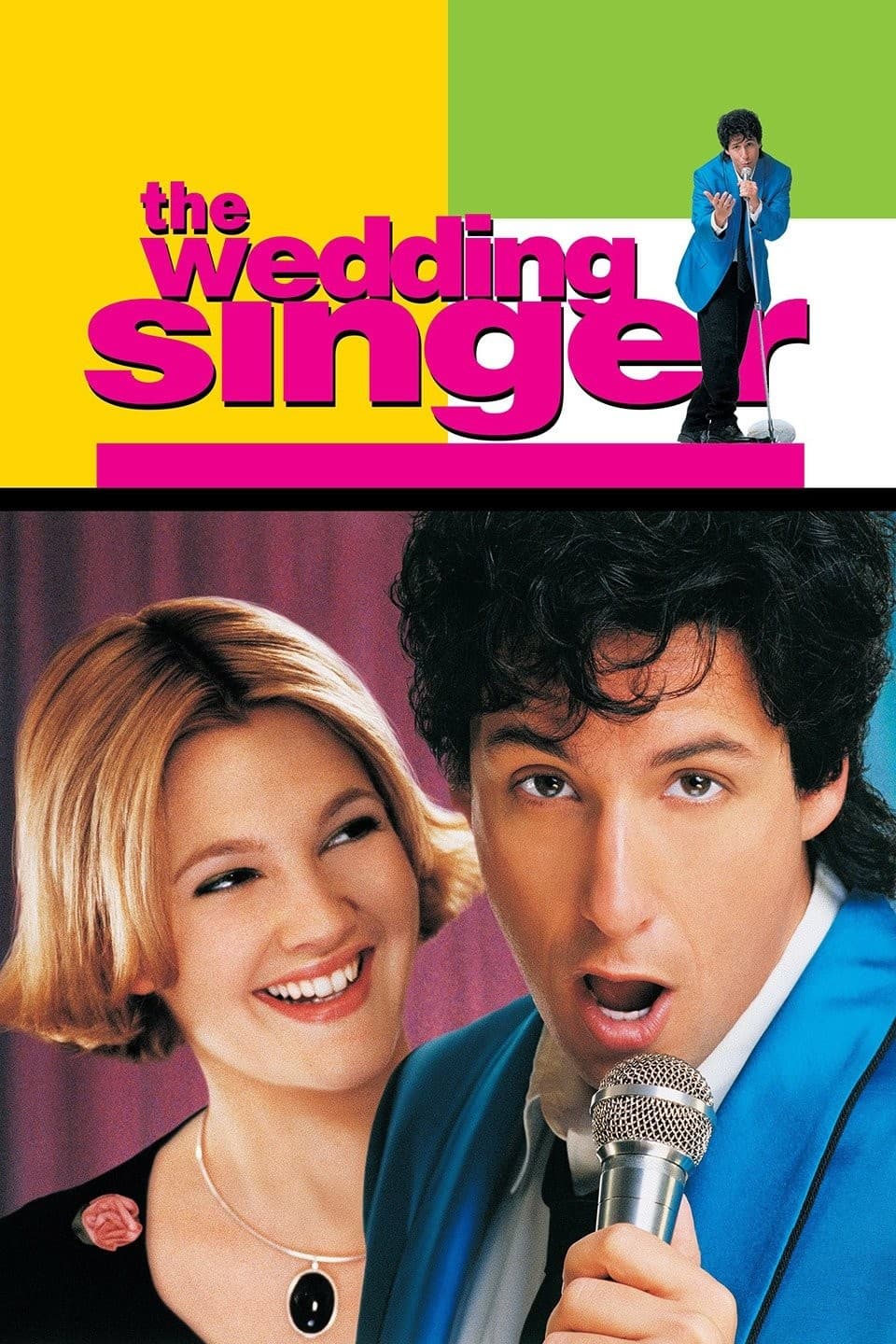
1998 // VHS
The Wedding Singer
A love story wrapped in 1980s pop — and carried by one very earnest wedding crooner.
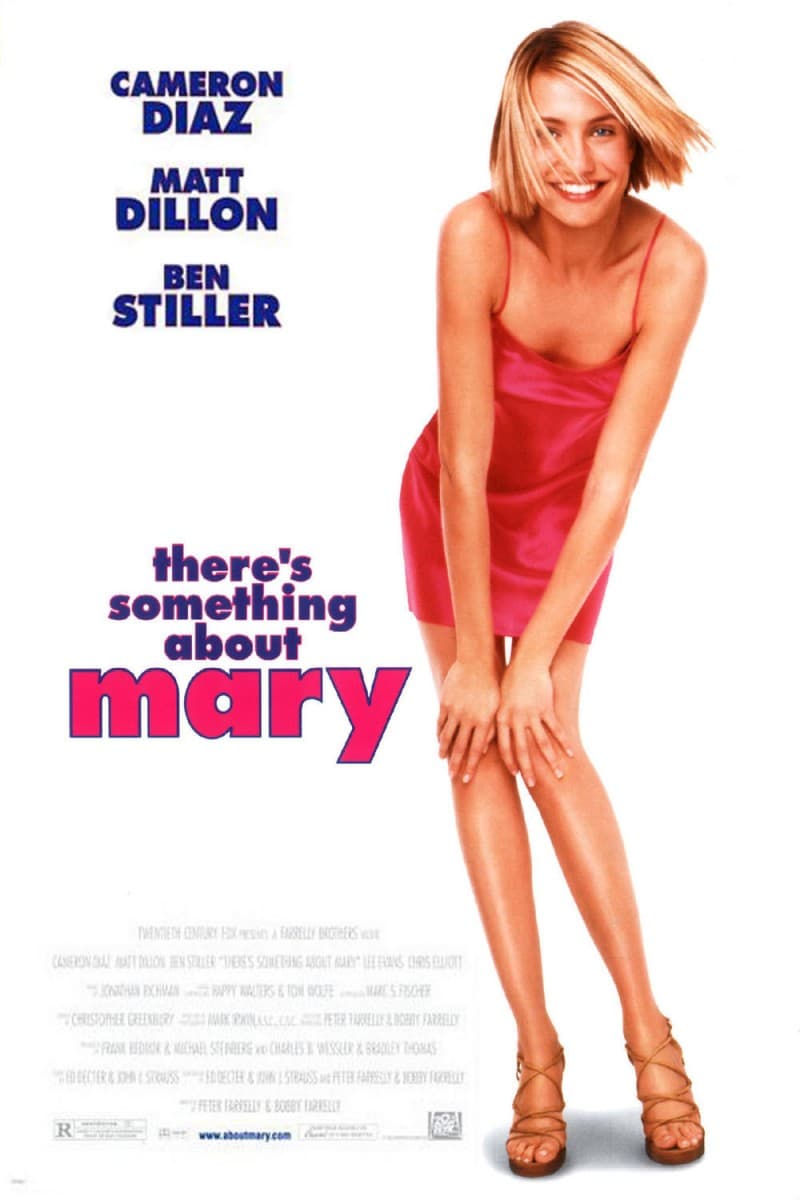
1998 // VHS
There's Something About Mary
Romantic obsession, awkward masculinity and a hair‑gel gag you can't unsee.
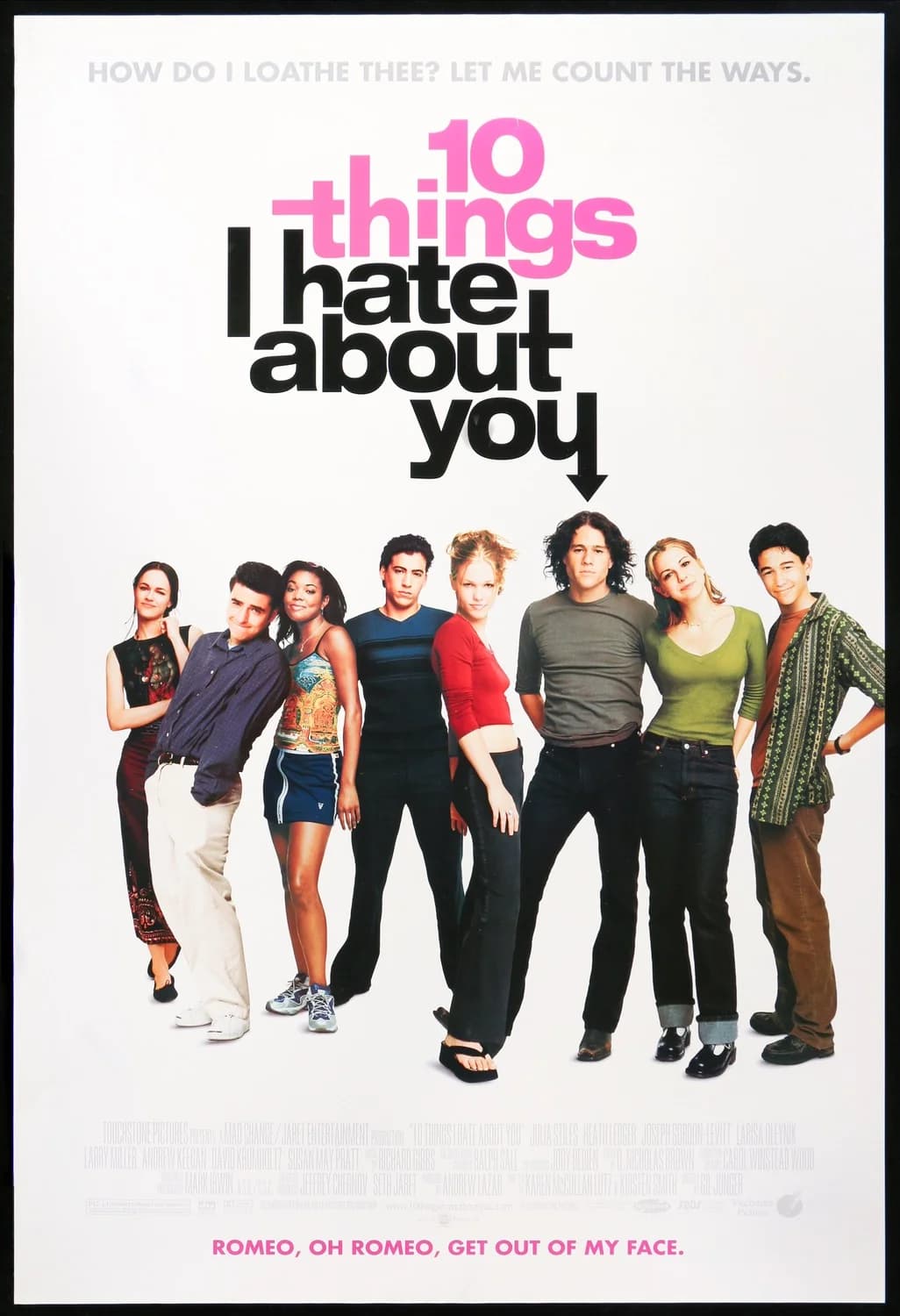
1999 // VHS
10 Things I Hate About You
Sibling rules, a rooftop serenade and one very stubborn Kat — Shakespeare in a school corridor.