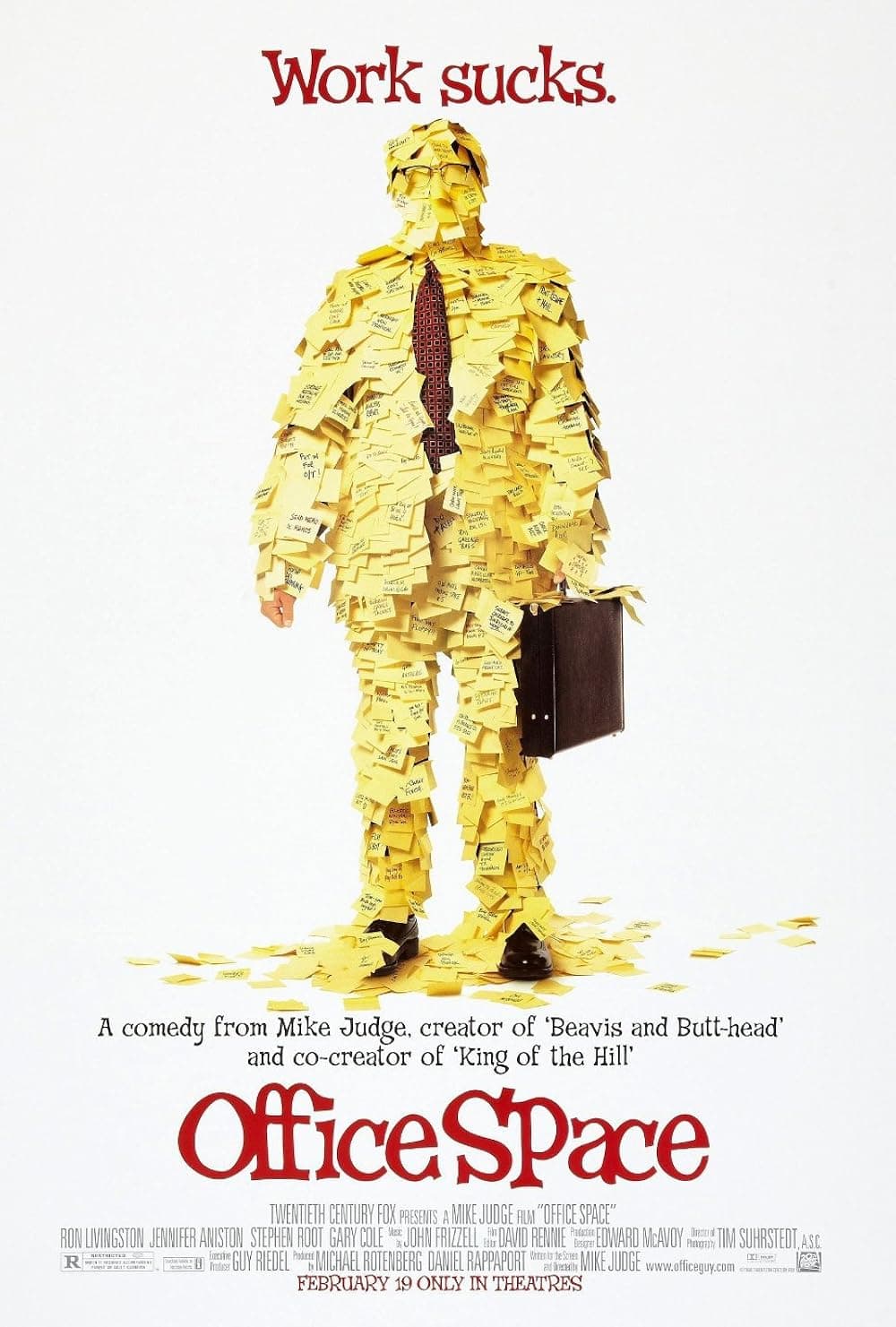
Office Space
Cubicles, a red stapler and the bitingly funny bloke who stops pretending to care.
// The setup
PLAYBACK STARTED
You remember the printer. You remember the stapler. But what really sticks is Peter Gibbons — the office drone who stops playing the game and, in the process, exposes how daft the game was all along. Mike Judge's Office Space is a tight, very specific comedy about what happens when corporate life outstays its welcome.
THE MOVIE
Peter Gibbons is still the reason this movie works
Think of Office Space and a handful of scenes come straight to mind: the slow exhale of someone who’s had enough, a stapler that matters more than it should, and an HR-style consultant asking obvious questions. At the centre of all that is Peter Gibbons — a programmer who, after an occupational-hypnotherapy session backfires, simply stops pretending to care about the rules.
That withdrawal is the engine. Peter's sudden candour doesn't send him into melodrama; it nudges the office into chaos, and the plot follows as two corporate consultants — 'the Bobs' — start sniffing around the place. It’s a small idea, elegantly stretched across 89 minutes of comedy that refuses to be loud about its point.
Mike Judge directs with a surgeon’s eye for the absurdities of white-collar life. Released in 1999, the film's neat runtime and sharp focus make it less a sprawling satire and more a precise poke at micromanagement, petty rules and the boredom that sits behind every cubicle.
THE SETUP
The idea that sets Office Space in motion
The premise is simple and easy to explain without spoiling the jokes: Peter Gibbons is a frustrated coder at Initech who walks into a hypnotherapy session and walks out changed — not by newfound ambition, but by apathy. That loss of investment in the daily rituals of corporate life gives the story its forward motion.
Once Peter stops polishing his performance for the office, he starts ignoring the petty rules and small humiliations that keep the system running. That behaviour draws the attention of two outside consultants, the Bobs, who are sent in to assess efficiency — and, crucially, decide who stays and who goes.
Alongside this personal shift sits a few vivid set-pieces. A malfunctioning office printer becomes a kind of physical punctuation mark; the way that sequence is staged has been widely parodied because it captures, in one explosive moment, how much people can quietly resent the machine elements of their jobs.
And then there’s Milton Waddams: shuffled to the margins by management, he clings to a tiny, bright thing — a red Swingline stapler — that ends up meaning more than anyone expected. It’s a neat, human counterpoint to the bland mechanics of corporate life.
THE CHARACTER
Why Peter Gibbons matters
Peter is memorably ordinary in all the right ways. He isn’t a tragic antihero; he’s the sort of person who turns up to a dull job, does the expected amount of work and squeezes the rest of his life into the small seams. When that patience snaps, it reveals how much of his identity was bound up in a job that gives almost nothing back.
That loss of ambition is the plot’s pivot. Once Peter stops performing the rituals of office life — the polite nods, the weekend emails, the anxiety about petty memos — his candour becomes contagious and dangerous. The film uses that to put the spotlight on systems rather than on spectacular individual rebellion.
Peter also functions as the audience’s guide. His choices make you look at ordinary workplace indignities and realise how bizarre they are when listed plainly. The movie doesn’t need to turn him into a saint; he’s memorable because he recognises the absurdity and acts on it.
And yes: Ron Livingston plays Peter, which keeps the whole thing grounded in someone unflashy and believable rather than a cartoonish rebel.
THE PERFORMANCE
Why Stephen Root's performance matters
Milton Waddams could have been a throwaway office eccentric. Instead he feels tactile and odd in a way that lodges in the memory.
Part of that comes from physical specificity: the large corrective lenses and the way Milton fiddles with props make him immediately recognisable in any scene he’s in. Those details give the character texture without ever needing an explanatory backstory.
The role’s careful construction means Milton’s small grievances — especially his obsession with that red stapler — land as quietly devastating rather than played for broad laughs.
Stephen Root’s portrayal is built around those precise, oddly tender choices, and they turn a marginal character into one of the film’s emotional anchors.
UNDER THE SURFACE
Office Space has more on its mind than the plot suggests
Beneath the jokes the film is about the small humiliations that compound into real misery: the tedium and alienation of clocking into a job that measures people in tasks rather than talents.
It loves nothing so much as bureaucratic absurdity — those tiny, needless rules that have nothing to do with actual work but everything to do with looking busy. Micromanagement here isn’t a one-off annoyance; it’s the grease that keeps an indifferent machine turning.
That’s why small-scale resistance becomes an appealing fantasy. The film isn’t advocating grand revolutions; it’s pointing out how effective a single act of refusal can feel when most of your day is scripted by someone else’s nonsense.
Put together, these elements create a satire specifically tuned to late-1990s corporate life: downsizing, efficiency consultants and the petty rituals that quietly grind people down.
THE FILMMAKING
How Office Space was put together
A big reason the movie feels convincing is production design. The team deliberately built an oppressive, uniform cubicle world — tall partitions, workstations that swallow people — so the office itself feels like a small architecture of control.
That production thinking feeds the jokes. If every cubicle looks the same and bosses loom over desks, then the minutiae of office life — a form, a memo, a stapler — read as acts of personal defiance or tiny cruelties.
Tim Suhrstedt is credited as cinematographer and David Rennie as editor; the production design credit goes to Edward McAvoy. Those roles converge to keep the film compact and unfussy, letting the writing and the situations breathe.
The result is a film that looks and moves like the kind of place it’s satirising: efficient, slightly grey, and primed for the punchline.
PRACTICAL EFFECTS
The effects work that gives Office Space its physical personality
Some of the film’s most memorable moments come from simple, hands-on choices. Milton’s red Swingline stapler wasn’t a marketing prop at first; the production painted standard staplers to get the look right and made a handful specifically for filming.
That small, tangible decision paid off. The stapler becomes almost talismanic — a bright, human object in a sea of beige — and it’s the sort of prop work that sticks with the viewer.
The printer-destruction scene is another example of practical construction serving storytelling. The sequence was achieved through careful blocking, camera coverage and sound work to create its slow-motion sense of release and destruction.
These are low-tech solutions, but they give the film physicality: you believe the objects matter because everything around them is built to show that they do.
PURE 80S
Office Space could not belong to any other decade
Though it arrived in 1999, Office Space is very much a creature of the late-1990s software-company moment. Its focus on cubicle culture, office restructuring and the idea of efficiency experts speaks directly to anxieties of that era.
The consultants, the whispered talk of layoffs and the obsession with doing more with fewer people all mirror a very specific corporate worry: companies reorganising to cut costs, and workers learning how disposable they might be.
The film’s satire lands because it’s tied to those particular pressures. You can transpose the jokes to other times, but they land hardest when understood as a commentary on that tech-and-business moment at the decade’s end.
In short: the movie taps into the late-1990s fear of being reduced to a set of replaceable outputs, and that situates it squarely in its era.
WATCHING IT NOW
What has aged — and what hasn't
A few things make Office Space feel fresh now. One is its roots: the screenplay took an existing comic element — the Milton character from Mike Judge’s earlier shorts — and expanded it into a feature, which gives those smaller moments a lived-in quality.
Another is how the film found its audience. It didn’t explode on release; it underperformed at the box office but then built a substantial following through home-video sales and endless cable reruns. That slow-burn afterlife means people have discovered it in different contexts and kept arguing about it.
Because the movie’s pleasures rest on human grievances and office absurdities rather than passing trends, those core bits still cut: a printer smashed to pieces, a man pushed aside by management, a red stapler that suddenly means everything.
What dates less cleanly is anything that depends on the exact mechanics of the 1990s workplace — but that’s a small gripe against a film whose jokes are mostly about behaviour, not hardware.
THE LEGACY
Why Office Space still matters
Office Space's afterlife tells you a lot about the movie itself. It didn't open huge — box-office results were modest — but the film found a much bigger life afterward through video sales and TV airings, which is how most people came to it.
Prop culture followed the story. Milton’s red stapler, originally a painted prop made for the shoot, became an object people actually wanted; the manufacturer eventually produced a red model in response to that demand.
The movie also turned into a kind of reference point for later depictions of corporate life. People who remember or rediscover late-1990s workplace absurdities often come back to Office Space as a compact, laugh-lined summary of those experiences.
So its legacy isn’t about immediate triumph; it’s about steady discovery. The film grew into its audience, and those fans have kept the conversation alive.
THE VERDICT
Does Office Space still hold up?
Yes — and not because it’s a period-piece curiosity, but because it’s built on behavior we all recognise. The film starts when Peter Gibbons, a frustrated Initech programmer, comes out of hypnotherapy and simply stops playing by the office rules; that choice ripples outward and lets the movie show how ridiculous the system is.
From the Bobs — the efficiency consultants who bring downsizing into focus — to the printer destruction and Milton’s sidelining over a red stapler, the plot keeps returning to the same point: workplaces can be organised around petty rules that make life worse for the people bound by them.
It’s compact (89 minutes), focused and funny in a dry, observational way that still lands. Stephen Root’s Milton remains a quietly affecting presence thanks to clearly defined physical choices; Joanna’s conflict with enforced restaurant 'flair' works as a neat mirror to Peter’s office frustrations.
So should you watch it now? If you’ve ever worked for someone who measured you by forms and memos, you’ll find it sharp and often savagely funny. And if you haven’t, consider it a useful initiation into why a red stapler and a broken printer can feel like the whole world.
Share this movie
// Keep watching
More movies from the 90s
If Office Space is your kind of movie, there's plenty more on the shelves worth rewinding.
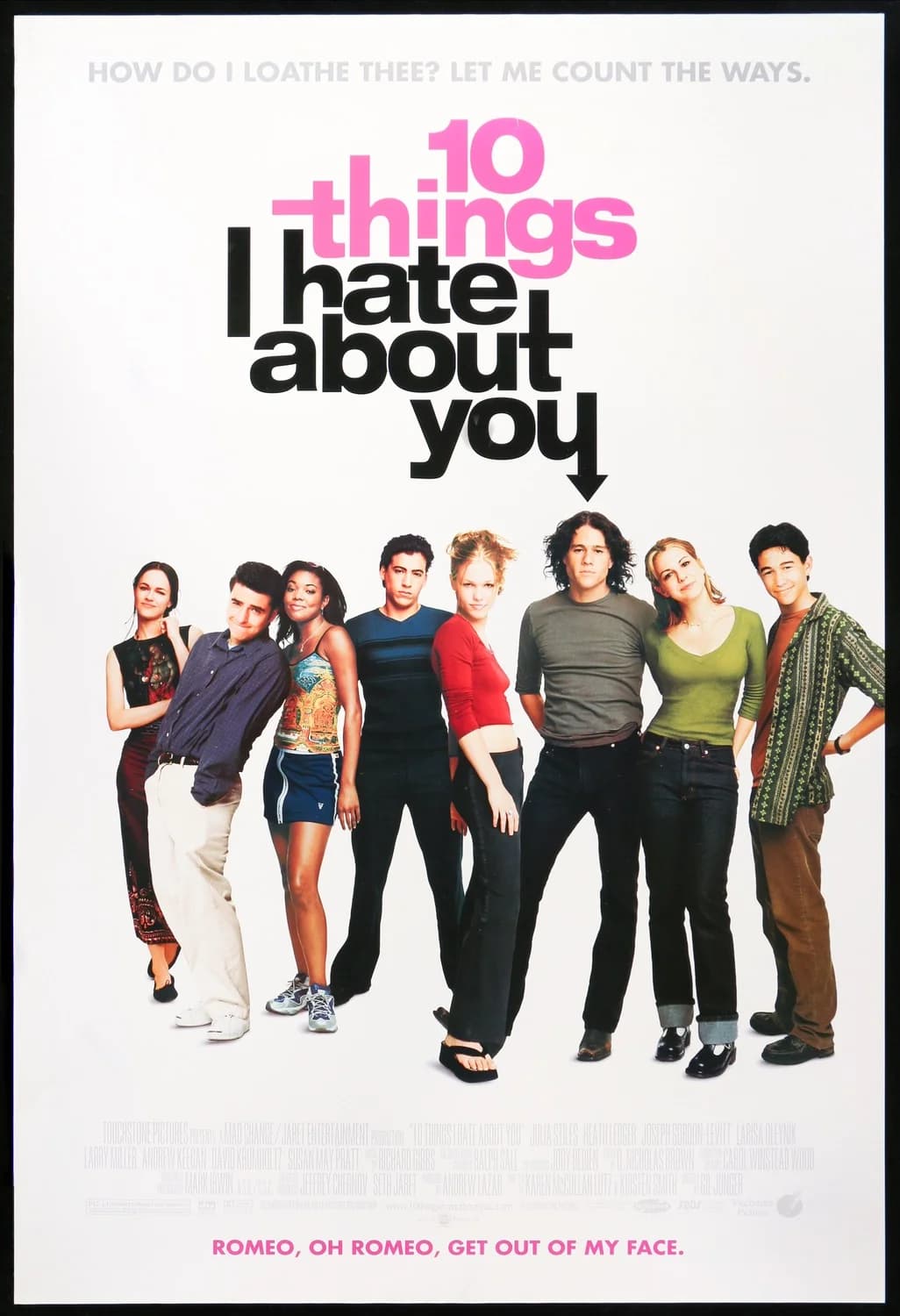
1999 // VHS
10 Things I Hate About You
Sibling rules, a rooftop serenade and one very stubborn Kat — Shakespeare in a school corridor.
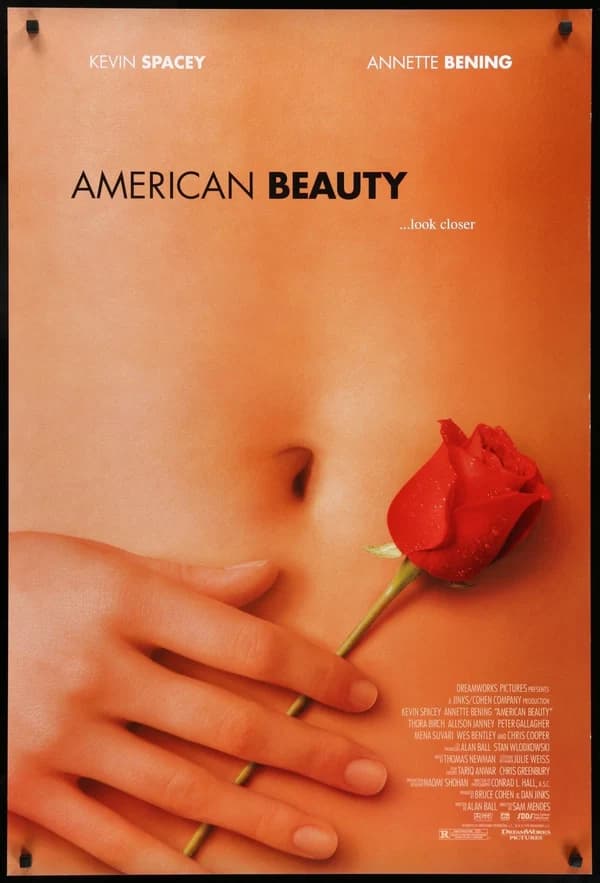
1999 // VHS
American Beauty
Lester Burnham, suburban rot and a midlife argument that still stings.
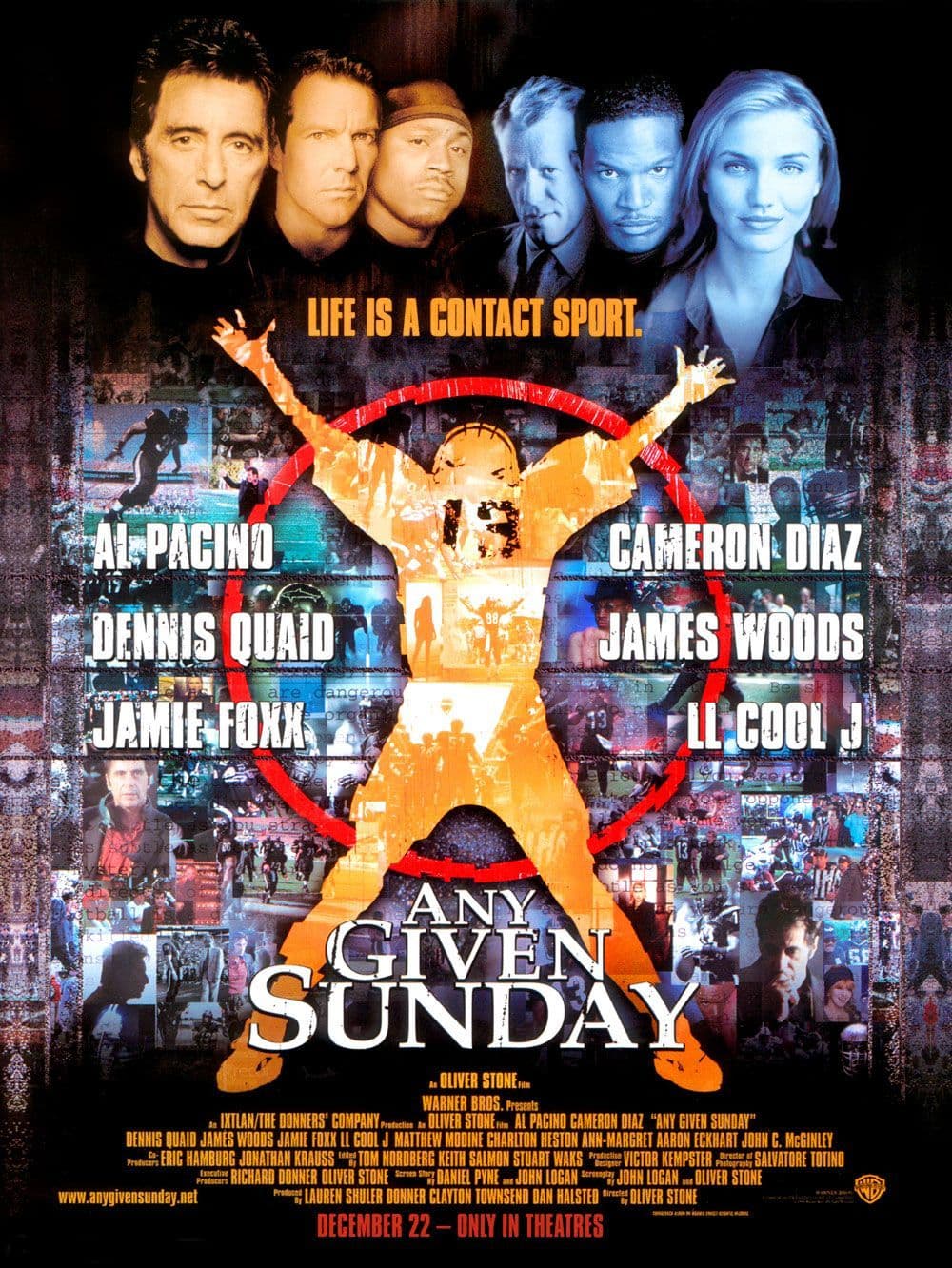
1999 // VHS
Any Given Sunday
Al Pacino's coach anchors the chaos of a film about football turned into product — loud, messy and oddly persuasive.