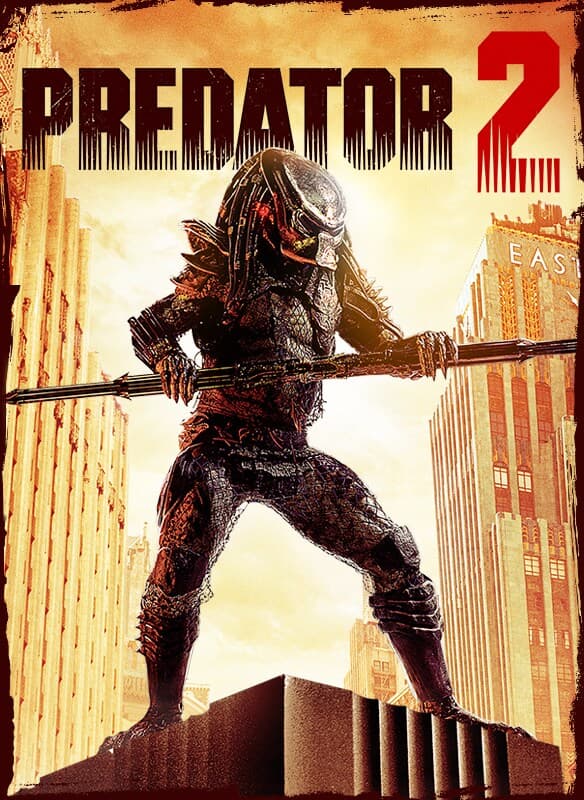
Predator 2
A city under siege, an alien who treats the streets like a hunting ground — and a cop who refuses to let the paperwork win.
// The setup
PLAYBACK STARTED
Predator 2 swaps jungle camouflage for concrete, and that change matters more than people remember. Stephen Hopkins' sequel plants an extraterrestrial hunter in Los Angeles 1997 and hands the centre of the film to Lieutenant Mike Harrigan, a cop who won't accept a tidy cover-up. It's darker, busier and bleeds into ideas about urban violence, institutional secrecy and ritualised hunting—and it's precisely those ambitions that keep it worth revisiting.
THE MOVIE
Lieutenant Mike Harrigan is still the reason this movie works
Predator 2 drops the extraterrestrial hunter from the jungle into a Los Angeles teetering on the edge of violent breakdown, and the contrast is immediate. The film is set in Los Angeles in 1997 and follows LAPD lieutenant Mike Harrigan as a predatory outsider picks off gang members and others amid the city’s unrest.
What hooks you isn't just the creature — it's the way that early shootout, where the Predator is first noticed, turns routine policing into a hunt and drags Harrigan into an investigation nobody wants him to pursue. That inciting moment links a series of grisly, flayed killings to an entity that sees its world in thermal outlines, and the movie never forgets that this is as much a procedural chase as it is a monster story.
Danny Glover’s Lieutenant Mike Harrigan is written as a hard-nosed cop whose loyalty to his officers and refusal to countenance a cover-up drive the plot. Director Stephen Hopkins keeps the film moving over 108 minutes, balancing action, investigation and the Predator’s ritualised violence in a way that makes Harrigan feel like the film’s moral stubbornness on two legs.
THE SETUP
The idea that sets Predator 2 in motion
The basic premise is clean and effective: a Predator that once stalked jungles is now hunting in a city, and its terrifying trophies—flayed corpses and unusual wound patterns—start turning up in police reports. Los Angeles, 1997, becomes a playground for a creature that treats people as quarry and leaves detectives scrambling for answers.
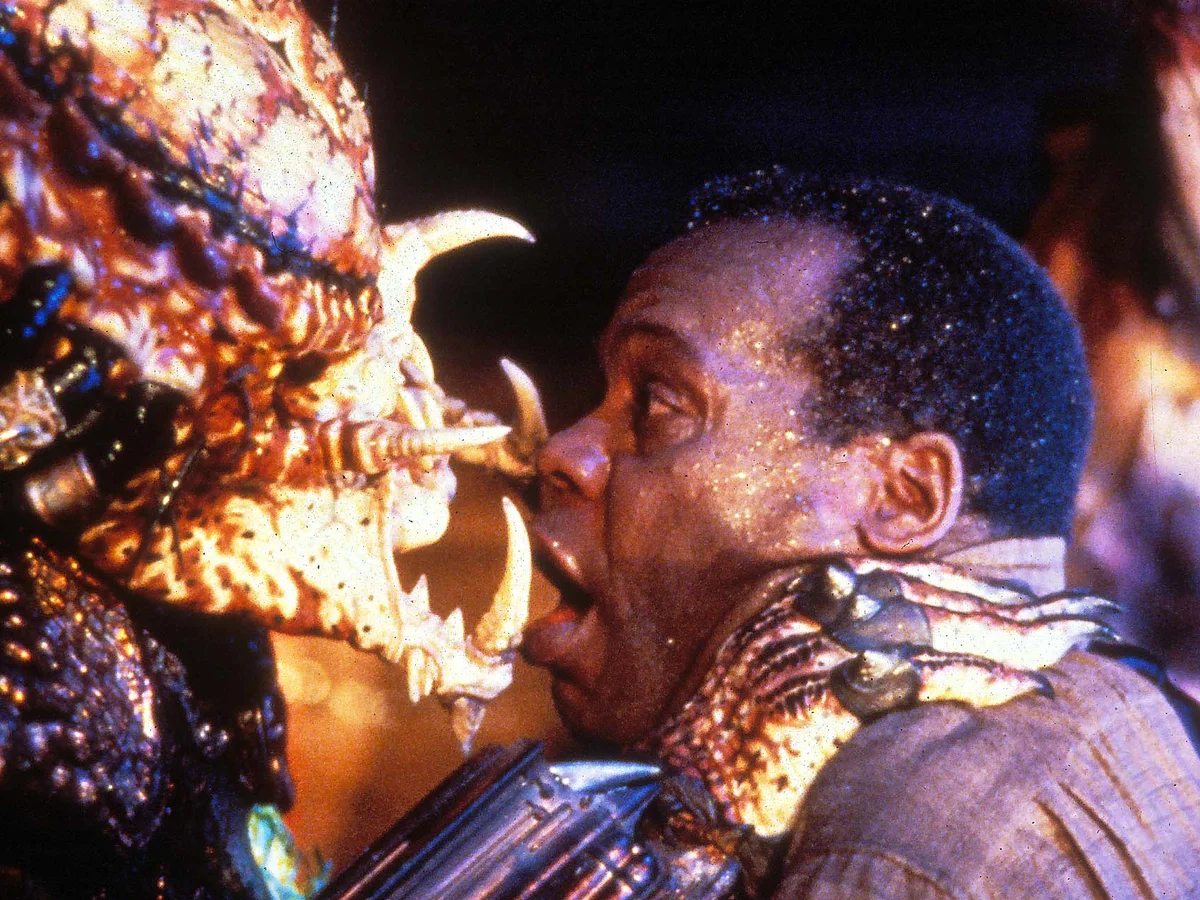
What gives the plot some bite is the tug-of-war over control. Harrigan wants to investigate, to protect his officers and to get to the truth; a federal team led by Peter Keyes runs a secretive operation and quietly removes evidence that would make Harrigan’s job easier. That conflict—cop vs. covert agency—keeps the film from being just a creature feature and pushes it into procedural territory.
The Predator’s point of view is also a storytelling tool. The film uses the creature’s thermal/infrared vision repeatedly to stage hunt sequences, which both clarifies what the Predator sees and turns ordinary city streets into alien hunting grounds.
Lean and focused, the setup lets Predator 2 continue the series’ premise from the original film while relocating the danger into an urban landscape.
THE CHARACTER
Why Lieutenant Mike Harrigan matters
Mike Harrigan is not a poster cop; he’s the kind of on-the-ground lieutenant who answers calls, looks out for his people and refuses to let bureaucrats sweep away bodies and questions. That stubborn loyalty is what propels the story—he keeps pulling at threads others would cut.
What makes him memorable is his refusal to accept a neat explanation. When the Predator’s victims start appearing with the same grotesque injuries, Harrigan treats those patterns as clues rather than noise. He wants the messy truth, not the tidy line that protects careers.
Harrigan’s presence also gives the urban mayhem an anchor. The Predator can be mysterious, terrifying and ritualistic, but Harrigan is the human constant who translates those events into policework and pushes against the institutional forces trying to contain the problem.
That combination — loyalty, persistence and a willingness to collide with authority — is why Lieutenant Mike Harrigan is central to the film’s energy.
UNDER THE SURFACE
Predator 2 has more on its mind than the plot suggests
Under the monster-movie surface there are three recurring concerns. First: urban violence and social breakdown. The Predator doesn’t arrive in a vacuum; it prowls a city already fractured by turf wars and street-level brutality, and those conditions shape how the hunt plays out.
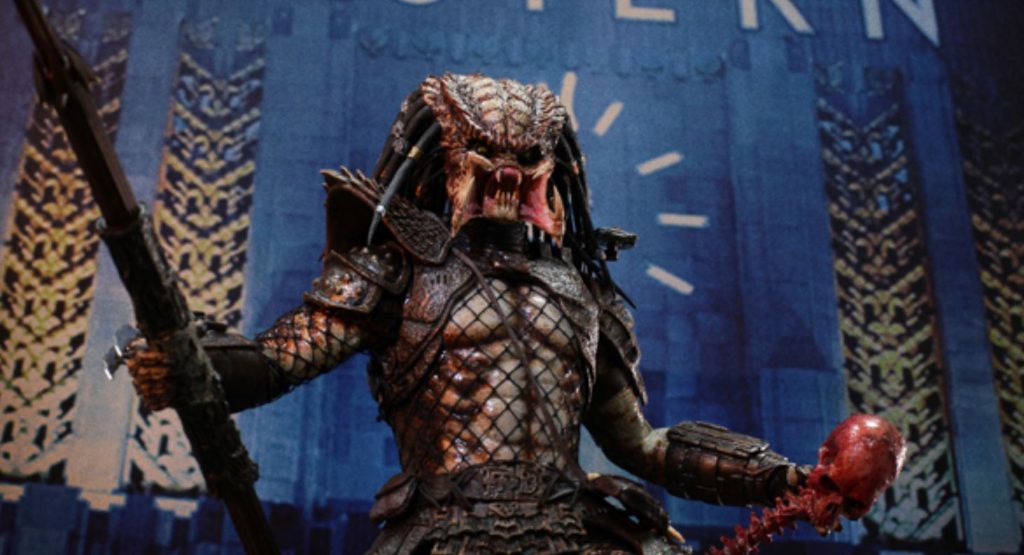
Second: ritualised hunting and the ethics of the hunt. The Predator’s behaviour is presented as a detached, ceremonial violence—trophies, ritual, a code that treats people as targets. That framing makes its killings feel disturbingly organised, not random acts of cosmic malice.
Third: institutional power and cover-up. The presence of a federal team that removes evidence and treats the creature as a problem to be controlled highlights a clash between local accountability and shadowy authority. That tension matters because it complicates who, exactly, is protecting whom.
Taken together these ideas mean Predator 2 isn’t only about body counts; it’s an action film that keeps nudging you to notice how violence, secrecy and ritual intersect in a modern city.
THE FILMMAKING
How Predator 2 was put together
Predator 2 is a studio shoot with experienced hands behind the credits. Peter Levy is listed as the cinematographer, Bert Lovitt as the editor and Lawrence G. Paull as production designer—names that signal a mainstream, technically confident production rather than a guerrilla, low-budget approach.
Those production credits matter because they point to a film aiming to blend genre spectacle with procedural clarity: this isn’t just about monster set-pieces, it’s about staging investigations and chases with a consistent visual and editorial logic.
Stephen Hopkins directs the whole package, steering a film that needs to balance city-wide action, quieter detective beats and the Predator’s ritualistic scenes without losing momentum.
In short: the choices in crew and craft underpin a picture that wants to be both an action thriller and a science-fiction horror entry.
PRACTICAL EFFECTS
The effects work that gives Predator 2 its physical personality
Predator 2 keeps faith with hands-on creature work. Stan Winston Studio is credited with the creature and physical effects, including the body suit and mechanical facial elements that make the Predator a palpable presence on-screen.
Kevin Peter Hall returned to physically perform in the Predator suit, and the film relied on stunt and practical effect work to sell the creature’s movements and encounters. That continued use of suit performance maintains continuity with the original movie’s physicality.
The production also expanded the Predator’s look: the design adds tribal ornamentation and modified mandibles, new touches intended to deepen the sense of an alien culture with its own hunting rituals while keeping the suit-based approach.
Even when the Predator is invisible or using advanced tech, the movie roots its menace in real, mechanical pieces and performers moving through space.
PURE 80S
Predator 2 could not belong to any other decade
Predator 2 is a deliberate decade shift: it takes the original film’s hunting premise and relocates it from jungle to late-1990s urban environment. That move reflects a franchise choice to test the concept in a contemporary city context rather than repeat the tropical setup.
The sequel also preserves a link to the first film through continuity of creature performance: Kevin Peter Hall returned as the physical performer, making him the only actor to physically portray the Predator in both films. That continuity helps the film feel like the same world, only in a different kind of terrain.
Those two choices—changing the setting while keeping the creature’s physical lineage—tell you all you need to know about the film’s relationship to its era: it wanted to update the premise for modern anxieties without abandoning the tactile creature work that grounded the series.
In other words, Predator 2 is of its time because it actively chose to be.
THE LEGACY
Why Predator 2 still matters
Predator 2 expanded the Predator as more than a one-off monster: it treated the creature as part of a species with ritual and trophies, a development that left a mark on franchise lore. The film’s decisions about the Predator’s culture and gear have been woven into the series’ ongoing story of what these hunters are and why they hunt.
The creature and suit work produced by Stan Winston Studio continued to be referenced in later franchise entries and in accounts of the series’ effects history, so the film’s practical approach has a short, tangible afterlife within the franchise.
Those two legacies—expanded mythos and continued practical-design lineage—mean Predator 2 matters to fans who follow the Predator’s rules and to those curious about how the series evolved its monster-making craft.
It isn’t just a footnote: it’s the chapter that moved the hunt into the city and gave the franchise a new set of questions to chew on.
THE VERDICT
Does Predator 2 still hold up?
Short answer: yes—if you come for a city-sized monster movie that mixes police procedural friction with ritualised extraterrestrial hunting, Predator 2 still delivers. The film’s premise—Los Angeles, 1997, a Predator picking off residents amid urban violence—is simple but effective, and it gives the action a shape that feels different from the original jungle outing.
A large part of why it works is Harrigan’s refusal to accept a cover-up; his pursuit of the Predator, even as a federal team led by Peter Keyes quietly removes evidence, provides the human stubbornness the story needs. That conflict—cop versus covert agency—keeps scenes interesting beyond the creature set-pieces.
Technically, the film leans on the Predator’s thermal/infrared point-of-view to stage hunts and on Stan Winston’s practical suit and mechanical effects to make the creature physically present. Those choices help the movie feel tactile and immediate in its action beats.
If you’re curious about a sequel that shifted the series into an urban frame while keeping the Predator’s lore and practical lineage intact, Predator 2 is worth a watch. It’s not a simple retread of the first film; it’s the one that decided the hunt could happen in the city—and that decision still gives it teeth.
Share this movie
// Keep watching
More movies from the 90s
If Predator 2 is your kind of movie, there's plenty more on the shelves worth rewinding.
1990 // VHS
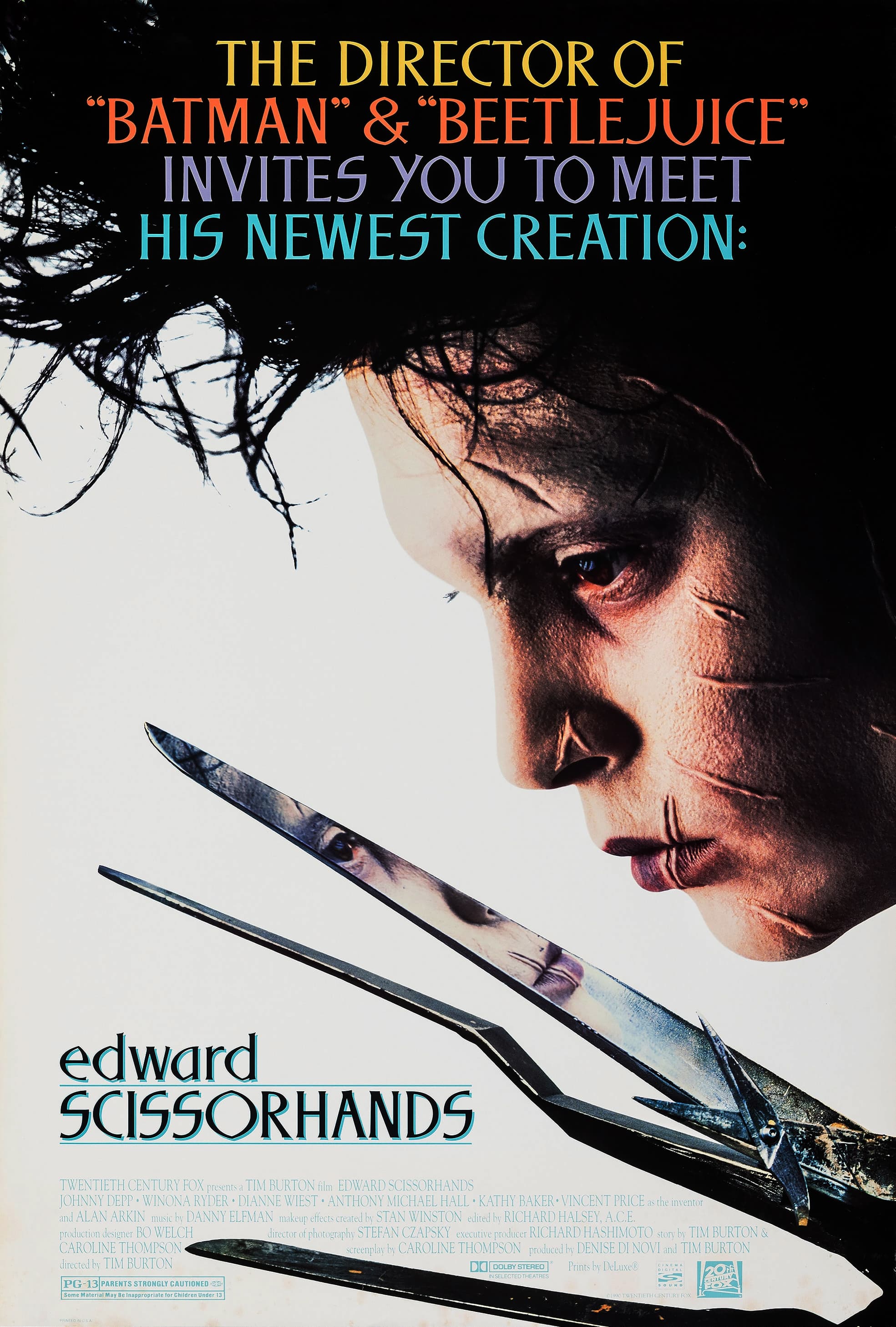
Edward Scissorhands
A fairy tale about a man who can’t quite touch the world — and the neighbourhood that can’t quite handle him.
1990 // VHS
Ghost
A murder mystery disguised as a love story — with a man who won’t stop watching over the person he loves.
1990 // VHS
Total Recall
Memory, muscle and a very faulty holiday package — with Mars on the itinerary.