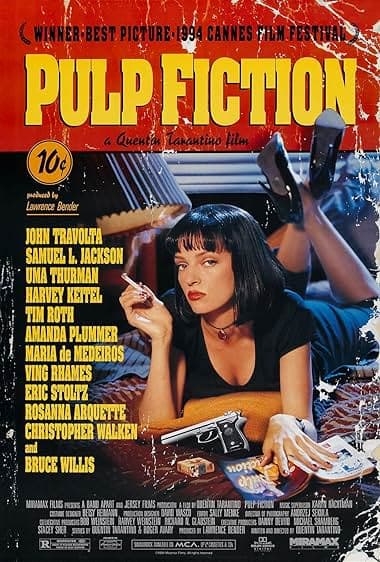
Pulp Fiction
Crime, chatter and small moral choices — and one very persuasive suitcase of mystery.
// The setup
PLAYBACK STARTED
Pulp Fiction still sounds like someone’s best dinner-party story: long, slightly dangerous, endlessly quotable. Quentin Tarantino took a stack of pulp ideas, shuffled them into a non-linear deck and let characters — especially Vincent Vega — play their hands until chance and consequence did the rest.
THE MOVIE
Vincent Vega is still the reason this movie works
Pulp Fiction is the sort of movie that keeps cropping up in conversation because it doesn’t sit still. Instead of one tidy plot it cheats: several crime vignettes are cut up and rearranged, so the same characters turn up in different places and the meaning of scenes flips when you realise they happened earlier or later.
That structure gives room for performances to breathe and for small, ambiguous choices to matter. The principal strands follow hitmen Vincent Vega and Jules Winnfield, Mia Wallace — the boss’s wife — and a boxer called Butch; they don’t march along the same line, they collide. That collision is the engine.
And at the centre of much of that energy is Vincent Vega — John Travolta’s character — who embodies the film’s appetite for conversational moral slippage: a career criminal whose ambling, ambivalent way of being makes otherwise banal choices feel dangerous.
THE SETUP
The idea that sets Pulp Fiction in motion
The film’s basic move is simple and clever: tell several crime stories out of order. That deliberate non-linear patchwork means we meet people in one mood and see them again with fresh, often darker context.
One strand asks a straight question: Marsellus Wallace needs someone to look after his wife while he’s away, so he ropes in Vincent Vega. A seemingly ordinary night out becomes the hinge for a very bad accident and an emergency that changes both characters’ evenings and reputations.
Because locations and characters reappear at different points, scenes pick up extra weight when you slot them into the whole. A casual conversation can shift from comic to chilling depending on where the scene sits in the sequence.
It’s the kind of setup that lets Tarantino play with tone — from black comedy to sudden violence — while keeping the audience guessing which slice of the timeline they’ve been handed.
THE CHARACTER
Why Vincent Vega matters
Vincent Vega is, on paper, a hitman doing a job. In practice he’s the film’s social thermometer: his small, often undecided choices — what to say, what to do, whether to get involved — tilt scenes between casual chat and real danger.
That ambivalence is exactly why the character sticks in the mind. Vincent’s moments of boredom, flirtation and poor judgment pull other characters into trouble, and those small human impulses supply many of the film’s domino effects.
Because the movie is built from intersecting stories, Vincent’s arc matters beyond his own scenes: his presence links the diner, the date, the accidental overdose and the wider criminal world. He’s a pivot the film keeps returning to.
And, yes, John Travolta plays him — a casting detail that shaped how audiences received the character at the time and helped make those moments feel unexpectedly central to the picture.
THE PERFORMANCE
Why John Travolta's performance matters
It’s worth remembering that Travolta’s work in the film was explicitly recognised at awards season: he received an Academy Award nomination for his role as Vincent Vega.
That nomination wasn’t handed out because of stunt casting or nostalgia; it points to the fact that this portrayal made the character matter on its own terms within the film’s tangled structure.
Put another way: the movie relies on Vincent feeling present and persuasive in small, ordinary moments, and the awards attention underlines how central that presence was to how Pulp Fiction landed with audiences and critics.
Whether you arrive as a fan or a sceptic, Travolta’s casting is inseparable from how the character reads inside the story.
UNDER THE SURFACE
Pulp Fiction has more on its mind than the plot suggests
Under all the chatter and clever plotting, Pulp Fiction keeps circling a handful of ideas: redemption, chance and the way pop culture can be worn like armour.
Redemption shows up in moments where characters are forced to reconsider their work after narrowly escaping disaster. Those near-misses aren’t just suspense — they’re moral turning points.
Chance and consequence are built into the film’s DNA: tiny decisions — a twist of conversation, a delayed reaction — ripple outward and reshape people’s lives.
And the whole thing reads as pastiche: Tarantino borrows from pulp and film history, stitching references together until the movie feels like a conversation with the movies themselves.
THE FILMMAKING
How Pulp Fiction was put together
Two technical credits recur when people list what made the film feel different: Andrzej Sekuła is credited for cinematography and Sally Menke for editing.
Those names matter because the film’s non-linear, episodic design depends on precise cutting to make leaps between time feel intentional rather than confusing.
Tarantino’s choices — the cast of interlocking scenes and the way tone flips from comic to violent — needed hands that could hold disparate pieces together, and the editing credit is the practical shorthand for that task.
So while the director’s voice is unmistakable, the credits remind us that the film’s identity is a group effort: picture and cut, repeatedly, until the puzzle fits.
PURE 80S
Pulp Fiction could not belong to any other decade
Released in 1994, the film landed at a moment when American independent cinema was becoming loudly confident, and Pulp Fiction played a surprisingly large role in that story.
Part of its period feel came from an approach to soundtrack and atmosphere: Tarantino relied on pre-existing pop recordings as a primary musical approach, a technique that helped popularise the decade’s appetite for music-driven concept soundtracks.
It also reshaped careers. The casting of John Travolta — and the attention his role received — is often mentioned when people discuss how certain 1990s actors were reintroduced to mainstream audiences.
All of this added up to a film that contemporary coverage and later retrospectives treated as a major commercial and cultural breakthrough for 1990s indie filmmaking.
WATCHING IT NOW
What has aged — and what hasn't
Certain story elements still hold up: the Butch subplot — about a boxer who refuses to throw a fight and steals a family heirloom — remains a compact, tense piece of storytelling that benefits from the film’s appetite for consequence.
Stylistically and structurally, the movie’s appetite for pastiche and genre play wasn’t a one-off. That same sensibility carried through Tarantino’s later features, showing that Pulp Fiction helped define a consistent way he tells stories.
Those two things — a willingness to let small choices escalate and a relish for cinematic referencing — keep the film lively for modern viewers who enjoy movies that are knowingly constructed.
If you watch it now, you’ll still feel the thrill of the setup: characters making ordinary choices that don’t stay ordinary for long.
THE LEGACY
Why Pulp Fiction still matters
Awards and festival recognition made a visible mark: the film won the Palme d'Or at Cannes in 1994 and the screenplay took home an Academy Award, with seven nominations overall.
Beyond trophies, the film’s release marked a moment when independent American cinema felt commercially possible on a new scale, and that reputation keeps it in conversation in festival programmes and retrospectives.
Critics and scholars have returned to it often enough that it sits comfortably in discussions about 1990s film and Tarantino’s own career, not merely as a success but as a clear turning point.
Put simply: the combination of industry recognition and continued critical attention is why the film still gets referenced when people talk about that era of filmmaking.
THE VERDICT
Does Pulp Fiction still hold up?
Yes — but with a note. The film’s non-linear patchwork still rewards attention: repeated locations and characters turn earlier scenes into new revelations, and that structural trick feels fresh even now.
The principal narratives — the hitmen’s conversations, the night out with Mia and the Butch storyline — still function as strong, self-contained moments that knit together into something livelier than the sum of its parts.
Characters like Vincent Vega and Jules Winnfield are central to that success. Vincent’s small, ambiguous choices move the plot in ways that make the film feel human and dangerously unpredictable, while Jules’s brush with what he interprets as intervention gives the whole film a moral question it returns to.
So should you watch it today? Absolutely — if you want a film that’s equal parts clever construction, moral roughness and unapologetic pop-culture play. It’s still a movie that rewards listening as much as looking.
Share this movie
// Keep watching
More movies from the 90s
If Pulp Fiction is your kind of movie, there's plenty more on the shelves worth rewinding.
1994 // VHS
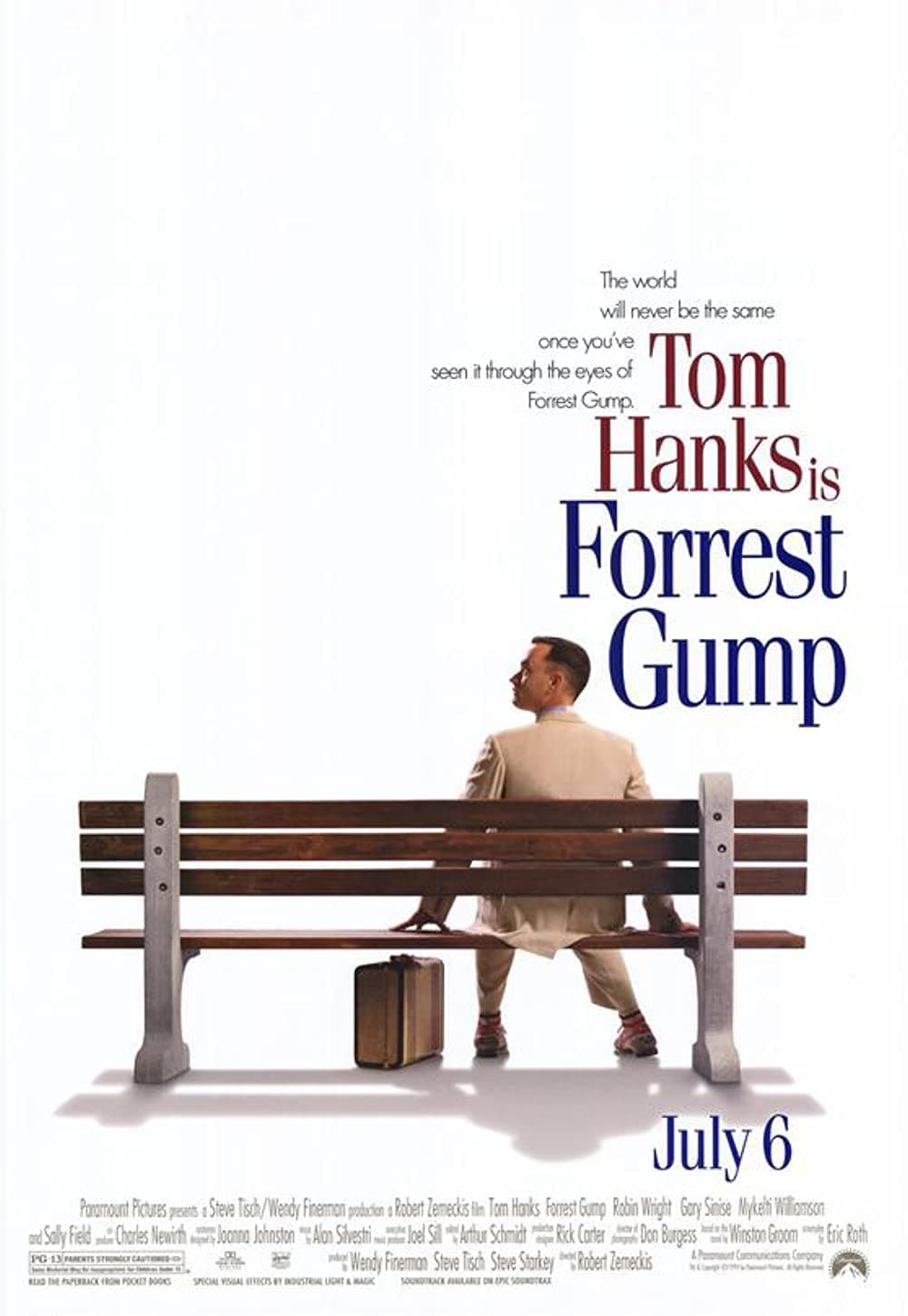
Forest Gump
A man on a bench who refuses to make history anything more complicated than a story worth telling.
1999 // VHS
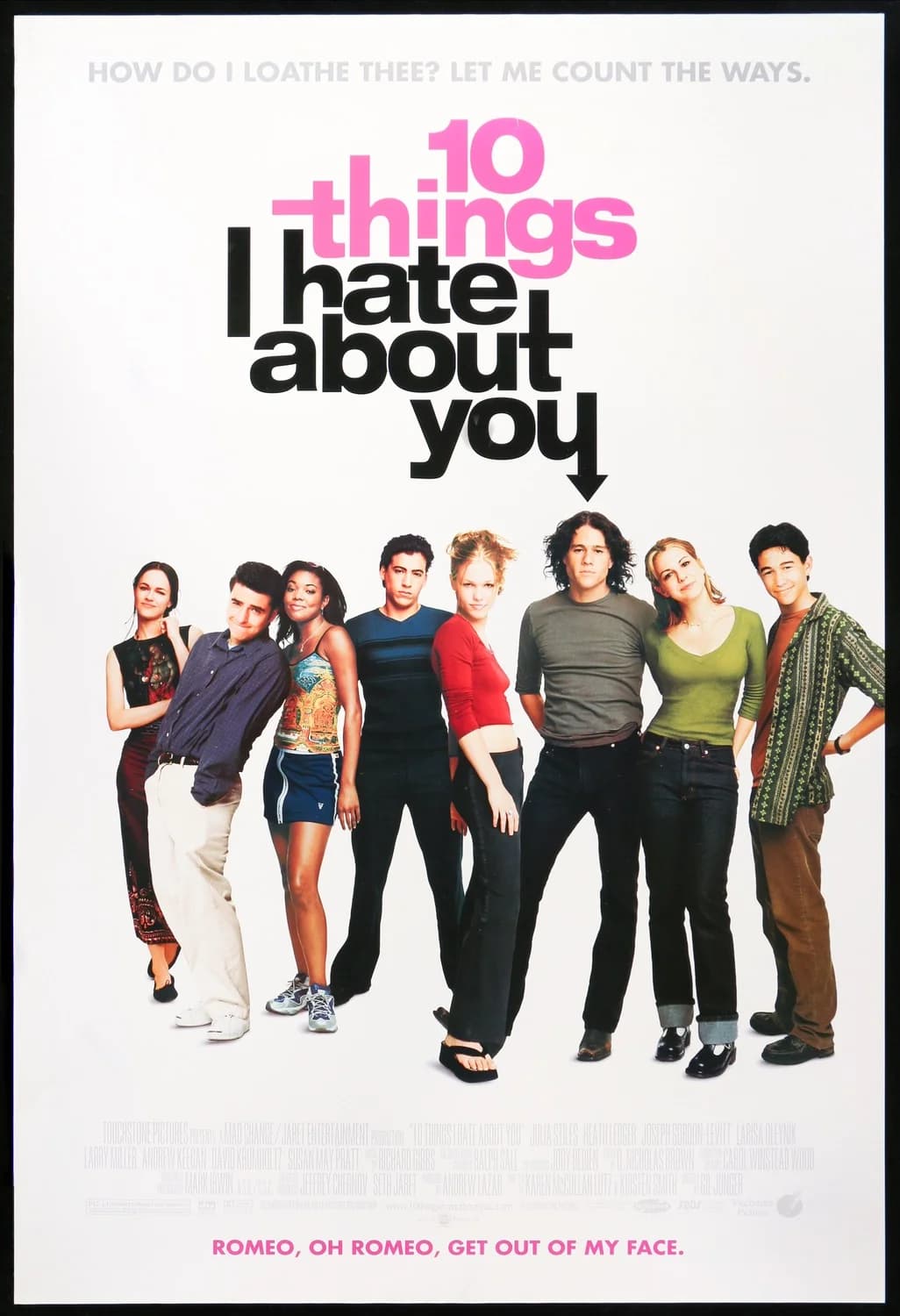
10 Things I Hate About You
Sibling rules, a rooftop serenade and one very stubborn Kat — Shakespeare in a school corridor.
1999 // VHS
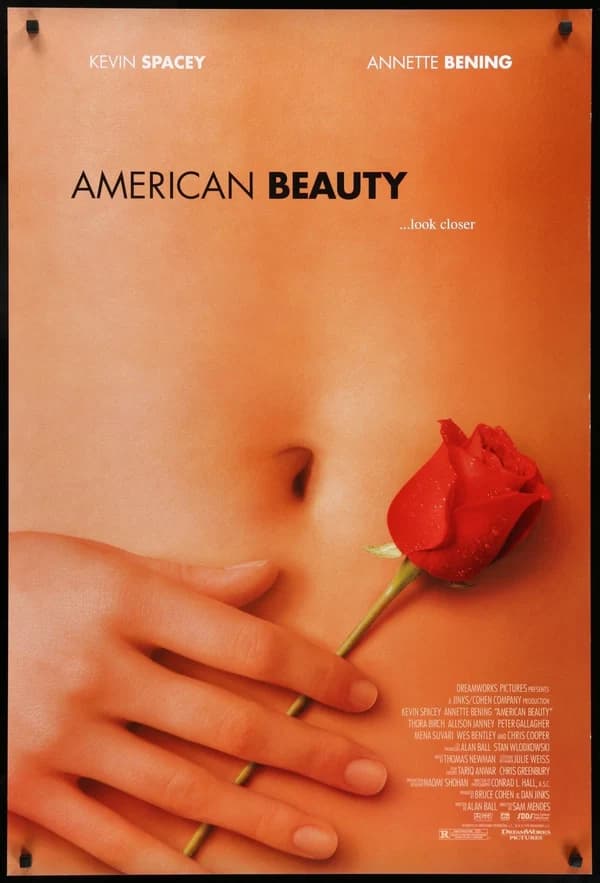
American Beauty
Lester Burnham, suburban rot and a midlife argument that still stings.