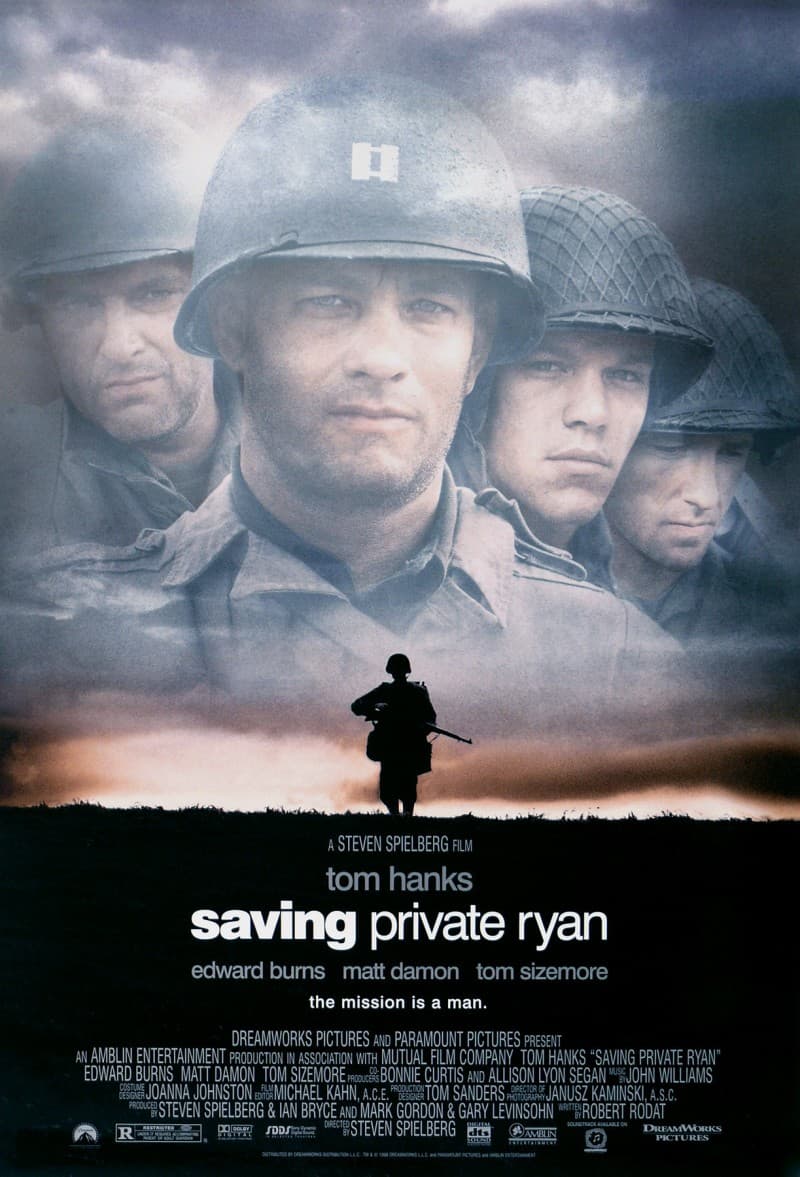
Saving Private Ryan
A small squad, one impossible order and a question that still nags: how much is one life worth?
// The setup
PLAYBACK STARTED
There’s a moment at the start of Saving Private Ryan that nobody forgets: an elderly man at a cemetery, the film snapping back to the beaches of Normandy, and suddenly you’re in the middle of combat. That jolt — and the man who steadies it, Captain John H. Miller — is the reason the movie still gets talked about. It’s a film that asks awkward moral questions while refusing to look away.
THE MOVIE
Captain John H. Miller is still the reason this movie works
Saving Private Ryan opens by dropping you into two very different places: an elderly veteran at the Normandy cemetery, and then, in one breath, June 6, 1944 — Omaha Beach. That cut sets the movie’s tone: memory framing action, commemoration bracketing chaos.
What holds that chaos together is Captain John H. Miller. He’s introduced as a duty-first, pragmatic leader whose competence on the ground becomes the squad’s anchor; his life before the war is kept deliberately spare, which makes him feel, oddly, more real in the moment.
Under the spectacle sits the film’s persistent question: is it right to risk a handful of men to rescue a single soldier? Spielberg stages the problem clearly and then hands it to Miller and his men to live with.
THE SETUP
The idea that sets Saving Private Ryan in motion
The film’s engine is simple and stubborn: after the Omaha Beach landing, an eight-man squad is ordered to find Private James Francis Ryan and bring him home because three of his brothers have been killed. That single order launches a long, messy detour through enemy territory.
What makes the premise work is its bluntness. It’s not a grand plan of war; it’s a specific, human request delivered by bureaucracy and shoved into the realities of combat.
The squad’s progress becomes the story — not because the plan is clever, but because each skirmish and detour forces the men to answer the central moral problem on their feet.
If you want the plot in a line: a small group of soldiers pays for one family’s survival while they argue, fight and live under the same orders that might one day kill them.
THE CHARACTER
Why Captain John H. Miller matters
Tom Hanks plays Captain John H. Miller, but the important thing is what Miller does in the movie: he turns abstract orders into everyday choices for his men. That’s where his memorability comes from.
He is plainly presented as pragmatic and duty-driven. In a film full of moral fog, Miller is the compass point — not a sermoniser, but a professional who knows how to move and how to keep others moving.
The decision to leave his prewar life sketchy is clever: it keeps the camera with the job at hand and lets us see Miller through what he does rather than what he once was.
In short, he’s memorable because Spielberg gives the film a figure who will shoulder the weight of the mission and let the audience wrestle with the cost alongside him.
THE PERFORMANCE
Why Tom Hanks's performance matters
Contemporary criticism and aggregator summaries repeatedly singled Tom Hanks out as the film’s emotional centre, while some critics also highlighted other ensemble members. That tag — 'emotional centre' — carries a specific meaning here.
It doesn’t claim Hanks does grand speeches every hour. Rather, the available responses pointed to his role as the point the audience can attach to when the action becomes overwhelming.
Mentioning Jeremy Davies as a singled-out presence in reviews also matters: it suggests Spielberg’s cast works as a unit where different personalities give the film texture beyond the central figure.
Put simply, the discourse around the movie treated Hanks as the human hinge that keeps the viewer steady through the film’s heavier moments.
UNDER THE SURFACE
Saving Private Ryan has more on its mind than the plot suggests
The film frames its combat story with visits to a cemetery, which immediately turns the action into a meditation about remembrance and the obligations survivors carry. That frame shifts the movie from pure action to commemoration.
At its simplest, the story keeps returning to sacrifice and the value of a single life: how many men should be endangered to save one brother? The question is stubborn; Spielberg refuses to paper over the discomfort.
Leadership and duty are constant companions to that question. Miller’s choices, and the squad’s responses, map the stress between orders from far away and the messy moral calculus on the ground.
Finally, realism and the trauma of combat are always present; the film doesn’t treat battle as spectacle alone but as something that leaves marks — on bodies, on decisions and on memory.
THE FILMMAKING
How Saving Private Ryan was put together
A big part of the film’s identity is its look. Janusz Kamiński and Spielberg pursued a desaturated, documentary-influenced style with lots of handheld camera work — a deliberate choice to make scenes feel improvised and immediate.
That immediacy extends to how the battles were shot: for many of the combat sequences Spielberg and his team largely avoided rigid storyboards, favouring spontaneous camera positions and multi-camera coverage to capture chaos from several angles.
Those choices are not decoration. They change how you experience violence: you feel the confusion and the cut-and-thrust of small engagements rather than a tidied-up hero set piece.
Academy recognition for Best Director and Best Cinematography acknowledged those risks — the movie’s formal choices were central to how it told its story.
PRACTICAL EFFECTS
The effects work that gives Saving Private Ryan its physical personality
The physical feel of the Omaha Beach sequence comes from large-scale practical effects — pyrotechnics, squibs and coordinated on-set work that make the shoreline feel dangerously real.
Credits list Neil Corbould as special-effects supervisor and Roger Guyett as visual-effects co-supervisor, which points to a deliberate blend: hands-on effects on set, with visual-effects work used to assist and refine rather than replace the physical work.
Makeup and prosthetics were used to portray battlefield injuries, while digital visual-effects elements were applied selectively to enhance wounds and blood when needed.
All told, the movie’s physical production choices helped it keep a grounded, tactile personality rather than an entirely digital sheen.
PURE 80S
Saving Private Ryan could not belong to any other decade
Released in 1998, the film arrived in a year when filmmakers were revisiting World War II with renewed attention to gritty combat realism. It rode a late‑1990s tide away from romanticised battle toward a harder, closer-in depiction.
Technically, the production sits at a turning point: it was part of a wave of big‑budget historical filmmaking that mixed established photochemical lab processes with fresh digital techniques, an effects-aware era that could still prize practical craft.
That combination — old-school photographic work married to emerging digital workflows — is part of why the film feels of its moment. It uses the tools available in 1998 to get as close as possible to what combat felt like.
In short: the movie belongs to the late 1990s because it bridges traditional filmmaking craft and the new ambitions of effects-led, large-scale historical pictures.
THE LEGACY
Why Saving Private Ryan still matters
The film’s awards — including five Oscars at the 71st Academy Awards — are a formal acknowledgement of its impact, particularly for direction and cinematography.
It has also found a continuing life through restorations, anniversary theatrical programming and regular use in film-education settings, which has kept it in the conversation long after release.
Practical recognition from institutions adds one layer, but filmmakers and cinematographers themselves repeatedly point back to the opening sequence and its visual language when talking about how to shoot combat.
Put together, those things explain why the movie remains a touchstone: it changed how many people think about filming battle, and it stayed present through careful preservation and programming.
THE VERDICT
Does Saving Private Ryan still hold up?
Yes. The opening shove — a veteran at a cemetery cut to Omaha Beach — still hits because it never lets the viewer settle. That framing turns the film’s violence into an argument about remembrance as much as a depiction of war.
The mission itself is deliberately narrow and morally awkward: the War Department’s order to find Private Ryan (after three brothers have died) creates a tension between bureaucratic decisions and frontline reality that the film keeps returning to. The squad’s journey forces the audience to live that tension in small, character-driven skirmishes rather than as a single, glorified set piece.
Captain Miller’s straight-ahead leadership and the way the narrative uses Corporal Upham as an inexperienced focal point give the film a moral geometry you can follow even amid the chaos. The practical filmmaking choices — the desaturated, handheld look and the commitment to on-set effects and prosthetics — keep the experience immediate rather than cinematic polish alone.
If you’re asking whether it still matters: it does. It asks hard questions about sacrifice and duty and leaves you with the messy, stubborn feeling that there isn’t a tidy answer. That unresolvedness is part of why the film still has teeth.
Share this movie
// Keep watching
More movies from the 90s
If Saving Private Ryan is your kind of movie, there's plenty more on the shelves worth rewinding.
1998 // VHS
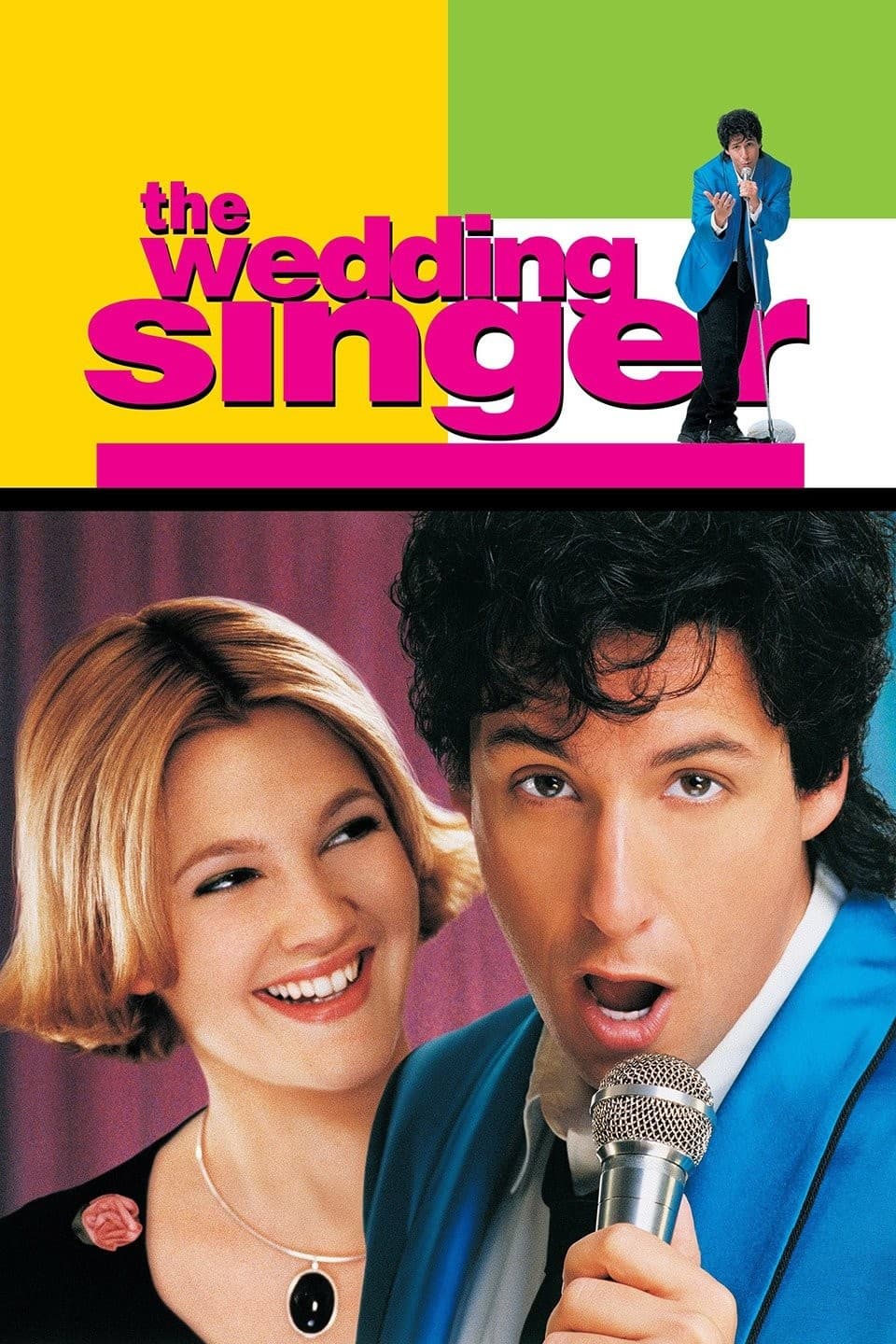
The Wedding Singer
A love story wrapped in 1980s pop — and carried by one very earnest wedding crooner.

1998 // VHS
There's Something About Mary
Romantic obsession, awkward masculinity and a hair‑gel gag you can't unsee.
1999 // VHS
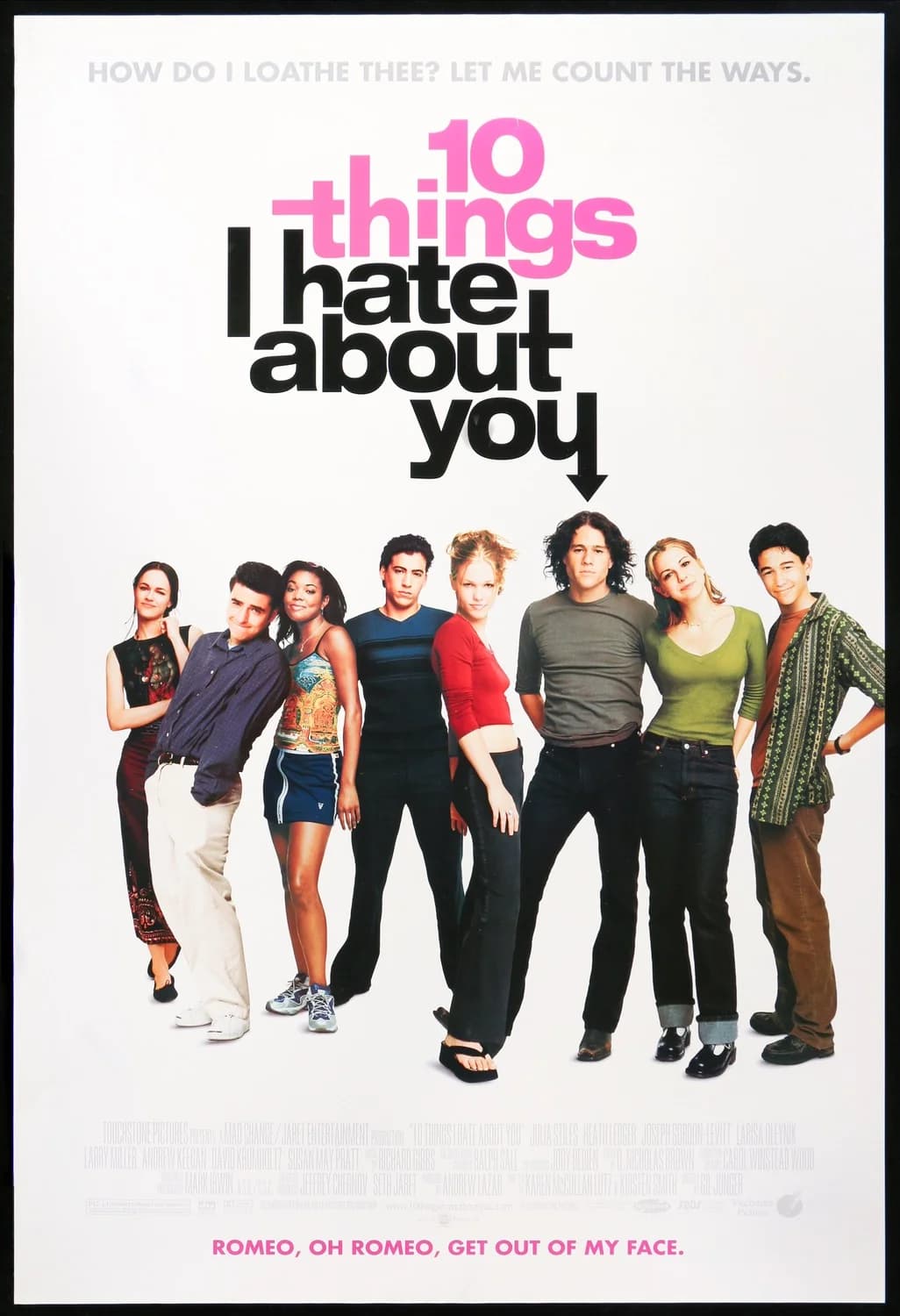
10 Things I Hate About You
Sibling rules, a rooftop serenade and one very stubborn Kat — Shakespeare in a school corridor.