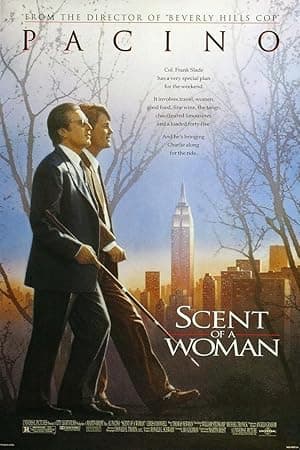
Scent of a Woman
A grumpy blind colonel, a teenage conscience and a tango that sticks in the memory.
// The setup
PLAYBACK STARTED
Scent of a Woman is the sort of movie you remember for a handful of moments — a weekend in New York, a test of character, and a man who refuses to be reduced by his blindness. Martin Brest stages those beats like a series of moral litmus tests, with a prep-school kid caught in the middle.
THE MOVIE
Lt. Col. Frank Slade is still the reason this movie works
People talk about Scent of a Woman because it gives us a central figure who makes everything else happen. A prep-school boy, Charlie Simms, signs up to mind a difficult, blind retired officer for a weekend and discovers that the job is really an exam — for both of them.
That officer is Lt. Col. Frank Slade: blind, brittle and constantly pushing to feel alive again. His appetite for sensory experience and his tendency to test the people around him keep the story moving and force Charlie into moral decisions that matter.
Martin Brest directs the whole thing across a long, deliberate 149 minutes, folding coming-of-age beats into a relationship where mentorship is less about polite advice and more about pressure, provocation and the possibility of change.
THE SETUP
The idea that sets Scent of a Woman in motion
The engine is straightforward: Charlie agrees to spend a long Thanksgiving weekend with Frank Slade and turns up expecting a dull caretaking job. Instead he meets unpredictability — plans for a New York weekend that are equal parts indulgence and provocation.
That weekend provides the film’s set pieces: hotel rooms and ballrooms, a dramatic tango and even a memorable driving episode, all of which punctuate the relationship rather than replace it.
Framing the story is a school disciplinary hearing that hangs over Charlie’s future. It gives the film a moral axis: whose integrity will bend, and who will stand by conscience when it costs them?
The American screenplay deliberately enlarges the pupil/mentor strand from the original material, making Charlie’s coming-of-age as central to the movie as Slade’s own struggles.
THE CHARACTER
Why Lt. Col. Frank Slade matters
Slade matters because he refuses to be a background problem for Charlie to solve. He is a force — bitter, self-destructive at times, but insistently alive in sensory ways that make his blindness part of the drama rather than its wrap-up.
The relationship Slade builds with Charlie is explicitly pedagogical: he provokes, he sets traps, he instructs by pressure. Those challenges are what pull Charlie’s choices into focus; the teenage arc is tested under heat.
Al Pacino prepared for the role by spending time with blind clients, a detail that points to how seriously the film treated Slade’s condition as lived experience rather than a shorthand. That preparation feeds into why Slade reads as a man demanding dignity.
The role also became the one most closely associated with the film: Slade is the character around whom the screenplay and the film's moral questions rotate.
THE PERFORMANCE
Why Al Pacino's performance matters
What the record shows is simple: Al Pacino won the Academy Award for Best Actor for playing Frank Slade. That’s the industry shorthand for a performance that, for many viewers and voters, landed the role as the film’s centrepiece.
Mentioning the Oscar isn’t a substitute for watching — it’s a signpost. The role’s prominence in the film’s publicity and awards conversation underlines how central Slade is to the movie’s identity.
Beyond trophies, the performance functions as the fulcrum for the script’s tests: the audience is meant to be unsettled, instructed and moved by the same man who does that to Charlie.
UNDER THE SURFACE
Scent of a Woman has more on its mind than the plot suggests
On the surface it is a weekend-in-New-York story. Underneath are repeated ethical tests: mentorship used as provocation, and the question of whether someone will stand up for integrity when it’s costly.
Disability and dignity are threaded through the film without being reduced to a single lesson. Slade’s blindness shapes his demands and the stakes, and the film treats his need for sensory affirmation as central to who he is.
It’s also a coming-of-age tale at heart. Charlie’s choices at the disciplinary hearing — and how he answers Slade’s deliberate pressure — are the measure of his moral maturity.
That tilt toward ethical testing links Scent of a Woman to other late‑20th-century mentor–student dramas; contemporary observers even pointed to tonal overlaps with films like Dead Poets Society, especially in the second half’s emphasis.
THE FILMMAKING
How Scent of a Woman was put together
The film’s craft credits are straightforward and tell you it was built as a conventional, well-resourced studio drama: Donald E. Thorin is credited as cinematographer, with a trio of editors on the credits and Angelo Graham on production design.
Those names point to a movie assembled by experienced hands rather than a rough‑edged experiment; Brest’s direction sits on that professional scaffolding and shapes the performances and set pieces into a long, measured work.
The production choices — editing, camera and design as credited — keep the focus on character and occasion. The filmmaking rarely calls attention to itself; it exists to stage the moral scenes the screenplay demands.
In short: the film looks and plays like a late studio drama, carefully put together so the story and its central relationship remain foregrounded.
PRACTICAL EFFECTS
The effects work that gives Scent of a Woman its physical personality
When Scent of a Woman wants to make a moment feel specific it leans on real, physical commitments. The driving episode uses actual Ferrari vehicles, credited as furnished by Ferrari North America for the production.
The tango scene is another example: it wasn’t improvised and tucked away. The principal dancers trained for three-and-a-half weeks and the sequence was shot over multiple days in a hotel ballroom, a demanding, hands‑on approach.
Those choices say something practical about the film’s priorities: it preferred staged, rehearsed work for its set pieces rather than quick camera shortcuts.
The result is that certain moments — the car, the dance — feel tangible because they were treated as real, repeatable pieces of filmmaking.
PURE 80S
Scent of a Woman could not belong to any other decade
One concrete way the film wears its era is in what it borrows: this is an American reworking of a 1974 Italian film and a 1969 novel, part of a 1990s tendency to adapt European stories for U.S. audiences.
The adaptation reshuffles emphasis — the American screenplay enlarges the younger character’s arc — which is very much of a moment when Hollywood liked to transplant and refocus foreign material for domestic emotional priorities.
That choice ties the film to a period habit: remaking rather than merely importing. It’s a subtle cultural fingerprint rather than wardrobe or hairdo nostalgia.
THE LEGACY
Why Scent of a Woman still matters
One very clear reason the film remains part of cultural conversation: it’s the film for which Al Pacino won his first Academy Award for Best Actor.
Beyond the trophy, the movie keeps turning up in memory for two specific things — Pacino’s central role and the tango sequence — which continue to be the images most people recall.
It also keeps appearing in retrospective programming; organisations such as the AFI have continued to include it in their lineups, which helps keep the film visible to new audiences.
Put together, the awards attention and the film’s memorable set pieces are the practical reasons Scent of a Woman remains talked about.
THE VERDICT
Does Scent of a Woman still hold up?
Yes — with a couple of important reservations. If you want a film where character and moral pressure drive the drama, this still plays: a teenager takes a short Thanksgiving job with a blind, volatile officer and finds his own integrity put to the test.
The film’s structure — a New York weekend of intense encounters, a school disciplinary hearing and a series of set pieces from ballroom tango to a driving episode — keeps the emotional stakes clear and makes the mentor–protégé relationship the story’s backbone.
The American screenplay’s decision to enlarge Charlie’s coming-of-age gives the movie a readable emotional throughline, and the facts of production — rehearsed dance, real cars, location work — back up the film’s commitment to the moments it asks us to believe.
If you’re curious about the movie now, watch it for the moral friction between Slade and Charlie and for the concrete sequences that still snag the imagination. It’s a long film, but it’s long for a reason: most of its time is spent seeing two people test each other’s nerve.
Share this movie
// Keep watching
More movies from the 90s
If Scent of a Woman is your kind of movie, there's plenty more on the shelves worth rewinding.
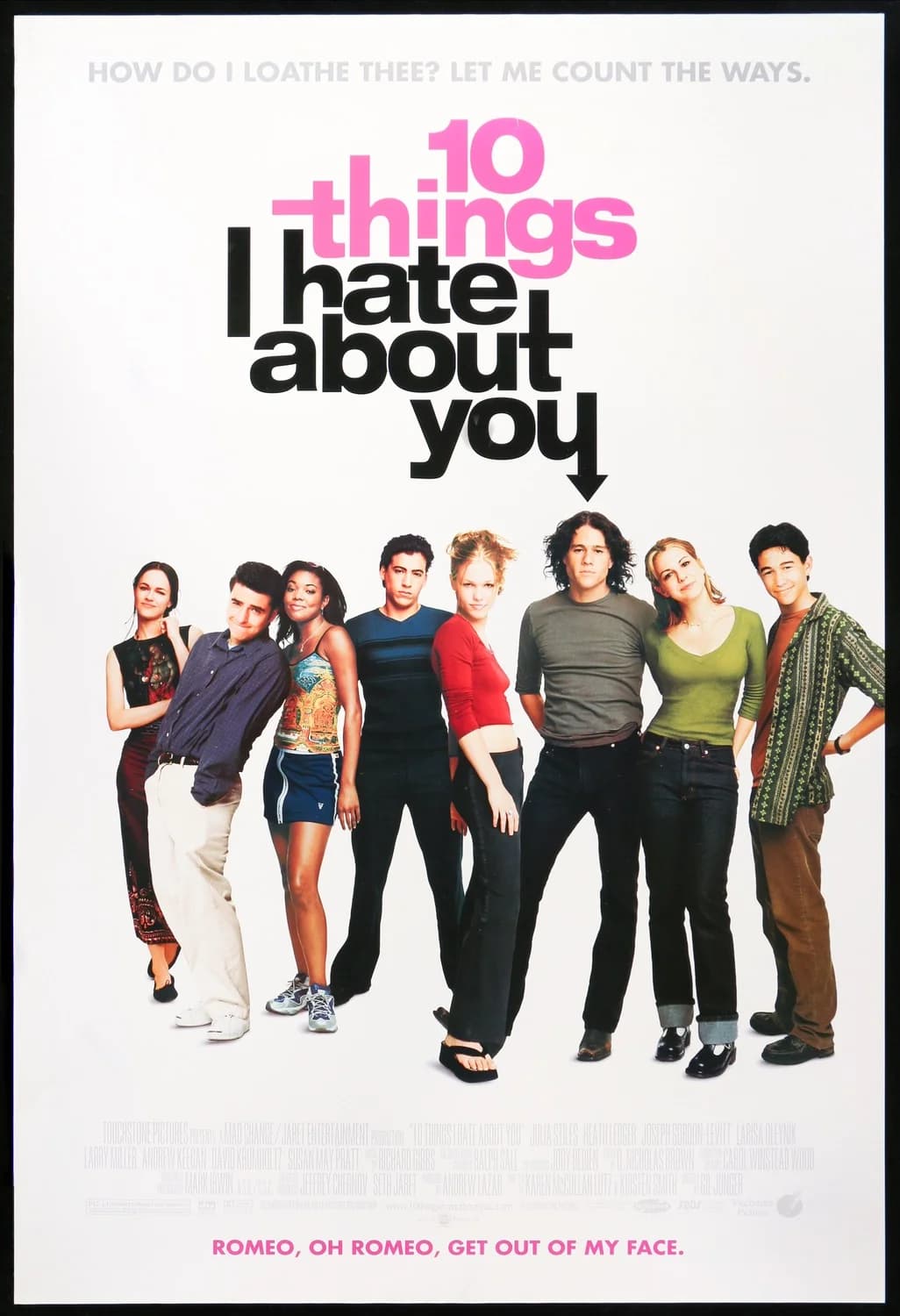
1999 // VHS
10 Things I Hate About You
Sibling rules, a rooftop serenade and one very stubborn Kat — Shakespeare in a school corridor.
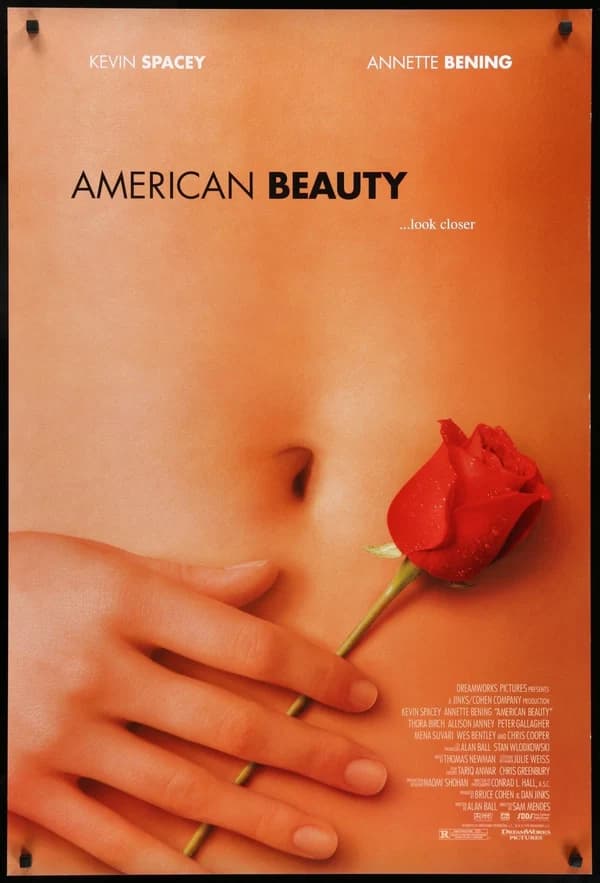
1999 // VHS
American Beauty
Lester Burnham, suburban rot and a midlife argument that still stings.
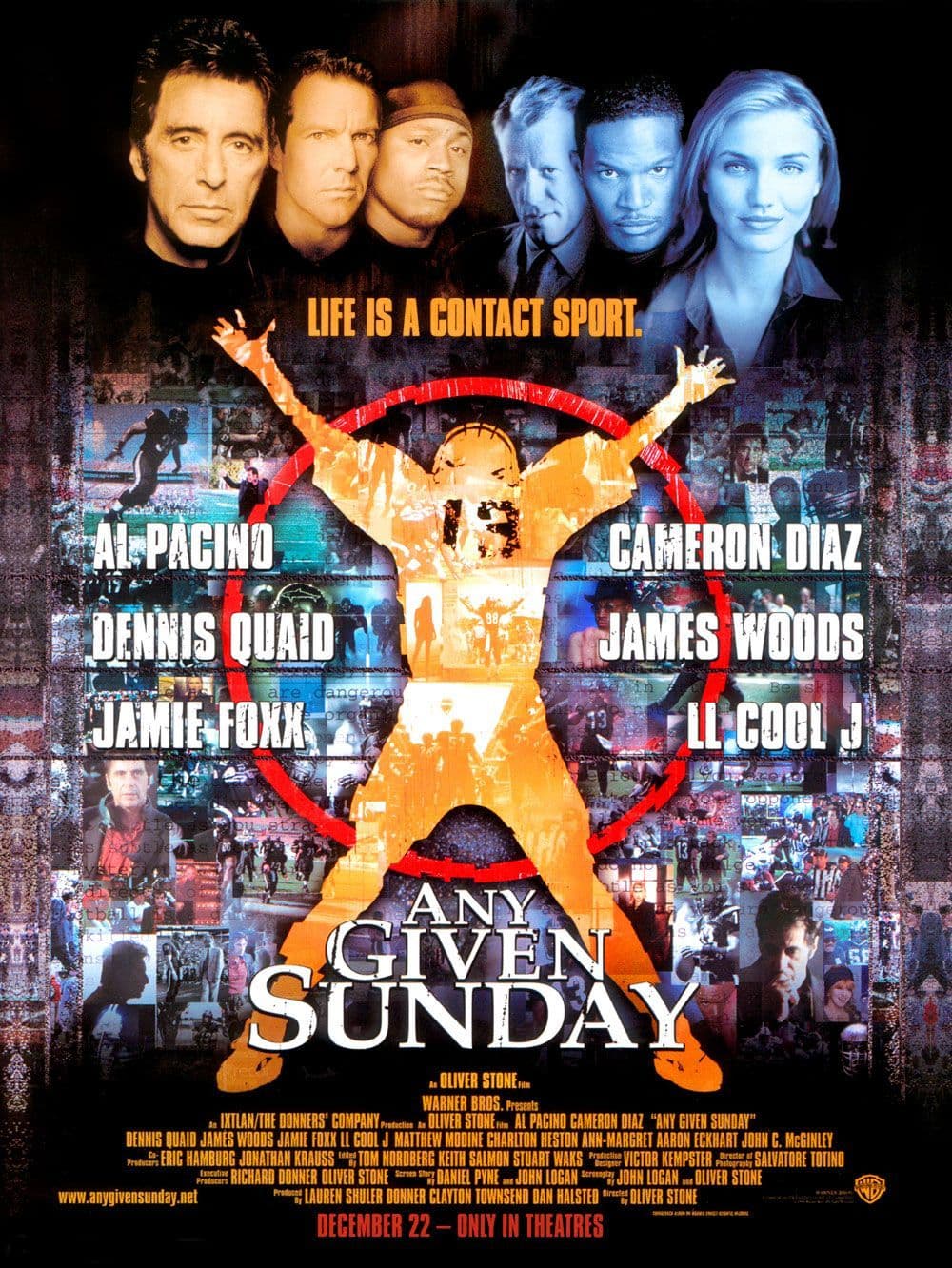
1999 // VHS
Any Given Sunday
Al Pacino's coach anchors the chaos of a film about football turned into product — loud, messy and oddly persuasive.