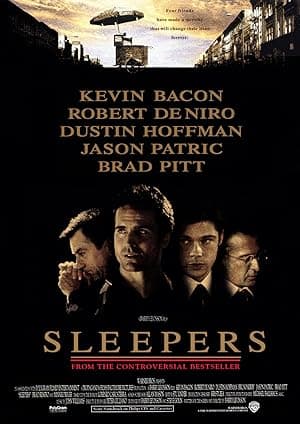
Sleepers
Friendship, a bad prank and a long, ugly reckoning — Sleepers still asks what loyalty should cost.
// The setup
PLAYBACK STARTED
Sleepers is the kind of 1990s adult crime drama that arrives with a story voice so sure of itself you follow whether you want to or not. Barry Levinson frames it as an old friend telling you something awful that happened when you were a kid — and at the centre of that voice is Lorenzo 'Shakes' Carcaterra.
THE MOVIE
Lorenzo 'Shakes' Carcaterra is still the reason this movie works
There’s a moment early on — a street prank with a confectionery cart — that looks small and childish until you remember what those small things do to futures. Sleepers builds out from that single misjudgement: four Hell’s Kitchen boys, a hospital, and a transfer to a state reformatory that changes everything.
What keeps you watching is the voice guiding you through it. Lorenzo 'Shakes' Carcaterra narrates the whole thing: the childhood, the abuse at Wilkinson Home for Boys, and the choices the men make later on. That narrator is the film’s moral lodestar, and the way it privileges his memory gives the picture its shape.
Directed by Barry Levinson and running a full 147 minutes, Sleepers is a dense ensemble piece — Jason Patric’s Shakes sits at the centre of one of those 1990s star-heavy casts Levinson favoured — and it makes friendship and loyalty under pressure its steady, often uncomfortable engine.
THE SETUP
The idea that sets Sleepers in motion
At its most basic, Sleepers is straightforward: four boys from Hell’s Kitchen get into trouble after a prank leaves a man seriously injured and they are sent to a state reformatory where they are abused. That sequence rewires everything that follows.
The film then flips between times. Thirteen years after the abuse, two of the men unexpectedly spot one of their former guards and what unfolds is equal parts revenge plot and legal manoeuvring — a plan that asks whether the past can be corrected by violence or by the system itself.
Levinson frames the whole narrative with adult Shakes’s first-person voice and the film leans heavily on voice-over and intercut flashbacks to stitch the timelines together. That device keeps the film intimate, but it also steers how you read every memory on screen.
It’s worth noting that the book-and-film’s ‘true story’ billing mattered outside cinemas: the framing as a factual account fed public debate about how memoir-based material is marketed and received.
THE CHARACTER
Why Lorenzo 'Shakes' Carcaterra matters
Shakes isn’t just the narrator because he tells the story; he’s the character the story is kept for. The film presents him as the memory-holder, the one who carries the boyhood hurt into adulthood and measures the rest of the men against it.
That matters because Sleepers is less interested in neat moral answers than in the cost of sticking together. The four central friendships — Shakes, Michael, John and Tommy — read like a lifelong pact that steers each man’s identity and choices.
Jason Patric plays the adult Shakes, and the casting choices around him place the character at the film’s emotional axis. The presence of figures such as Father Bobby and a cast of fathers and friends keeps Shakes from feeling like a lone conscience: he’s part of a stubborn, shared history.
There’s also a generational handoff in how the film treats Shakes: the boy (played by Joseph Perrino) gives you the origin of the wound, the adult keeps the ledger, and the movie wants you to follow both registers when you judge what the men do later on.
UNDER THE SURFACE
Sleepers has more on its mind than the plot suggests
On the surface you have crime, a trial and a revenge plot. Underneath that, Sleepers is circling a handful of persistent worries: friendship under pressure, the long shadow of institutional abuse, and whether memory can be trusted to justify action.
The film repeatedly asks whether loyalty is its own excuse. Friendship and loyalty are presented as the glue that carries the characters forward — but that same loyalty is what leads them toward morally ambiguous choices.
Institutional abuse is not a throwaway detail here; it’s the formative violence the men keep returning to. That’s why the movie treats memory and truth as slippery things — recollection is power in Sleepers because it’s the only currency the men have against their past.
Finally, the picture doesn’t hand you a tidy verdict on revenge. Moral ambiguity hangs over the choices made, and the film wants you to sit with how messy justice looks when it’s done by people who have already been wronged.
THE FILMMAKING
How Sleepers was put together
Sleepers hangs its eras on cinematic cues. Michael Ballhaus is credited as director of photography and the film uses low-key, period-specific cinematography to mark the 1960s flashbacks against the later scenes, which helps the story move between memory and consequence without disorienting us.
Stu Linder’s editing and Kristi Zea’s production design create the film’s multi-period feel: Hell’s Kitchen streets and institutional interiors sit next to each other cleanly, so the audience always knows whether it’s being shown a remembered hurt or a present danger.
Those are practical choices that matter because Sleepers is a long film. At 147 minutes, it needs visual rhythm to keep the narrative thread taut, and the production credits named on the poster are doing the heavy lifting that makes the structure readable.
All of this is in service of Levinson’s idea: to tell an adult, densely plotted crime drama that still feels like a story told by one man trying to make sense of what happened to him.
PURE 80S
Sleepers could not belong to any other decade
Released in 1996 and adapted from Lorenzo Carcaterra’s best-selling 1995 book, Sleepers sits in that mid-1990s pocket of glossy, adult literary adaptations — the sort of studio picture that leaned on a big cast and a serious subject to feel substantial.
The casting strategy is a 1990s move: a large ensemble combining established stars and younger actors to anchor a weighty narrative. That pattern helped sell this sort of adult crime drama as an event picture rather than a small arthouse outing.
The film’s appetite for courtroom maneuvers, moral complexity and star power is very much of its moment: it’s a studio-level treatment of a personal story, which was exactly the kind of film that studios were packaging at the time.
So while Sleepers is timeless in theme, its production DNA — the adaptation plus the high-profile cast — places it squarely in the mid-90s catalogue of adult, star-driven crime dramas.
THE LEGACY
Why Sleepers still matters
One concrete afterlife for Sleepers is its score: John Williams’ original music earned an Academy Award nomination, and that tidy accolade keeps part of the film in circulation among awards histories.
Beyond that, the film has lingered in conversations about memoir and adaptation. The book and film’s presentation as a ‘true story’ was publicly challenged at the time of release, and that controversy has kept Sleepers part of how we talk about the ethics of marketing personal accounts.
Contemporary coverage and later discussions have repeatedly circled the same issue: when a film frames itself as factual, how should audiences and critics respond? Sleepers became a useful touchstone for that question.
So its legacy isn’t a straightforward claim of influence; it’s a mixed one: part awards recognition, part cautionary example about truth claims in adaptations, and part film that continues to prompt conversation.
THE VERDICT
Does Sleepers still hold up?
Short answer: yes — but with important caveats. Sleepers remains compelling when you want a heavyweight, adult crime drama about friends who are bound together by shared trauma. The central engine — four boys scarred by a reform school episode that resurfaces years later — still propels the film with enough emotional weight to justify its length.
The split timeline (long flashbacks intercut with adult events like a homicide and a trial) gives the film a readable structure, and the adult narration — Shakes keeping the ledger — keeps the moral questions in view even when the plot leans into legal manoeuvring and revenge.
That said, the film’s insistence on being a ‘true story’ is part of what colours how you watch it now. The public disputes over the factual claims remain part of its identity, and knowing that complicates the emotional payoff the film seeks when it asks viewers to accept vigilante answers to institutional abuse.
If you’re drawn to ensemble legal dramas, to stories about friendship and loyalty tested by violence, Sleepers is worth revisiting — especially for how it stages memory, loyalty and moral ambiguity. But watch it alert to its framing: the film invites your sympathy and then asks you awkward questions about what that sympathy should allow.
Share this movie
// Keep watching
More movies from the 90s
If Sleepers is your kind of movie, there's plenty more on the shelves worth rewinding.
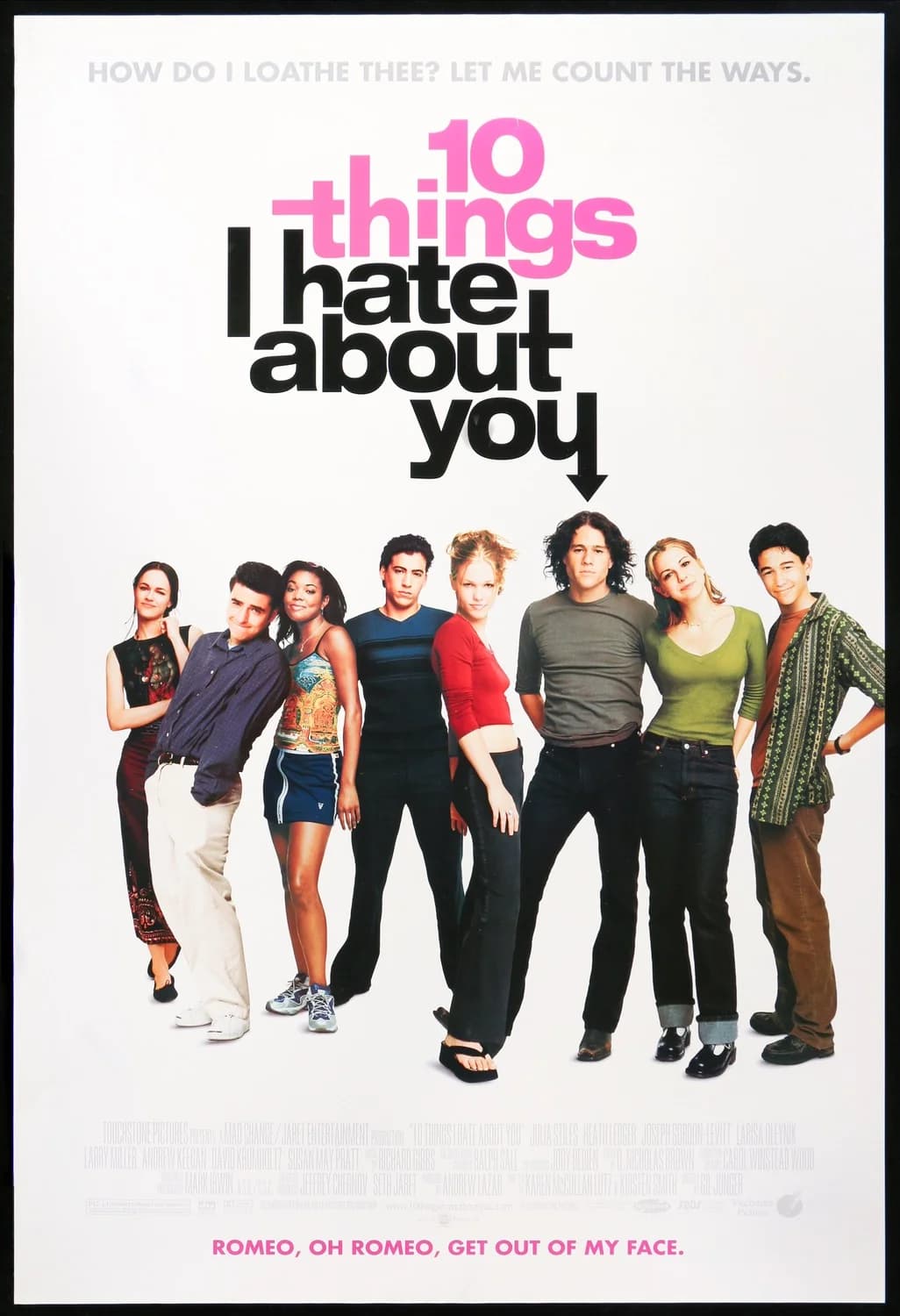
1999 // VHS
10 Things I Hate About You
Sibling rules, a rooftop serenade and one very stubborn Kat — Shakespeare in a school corridor.
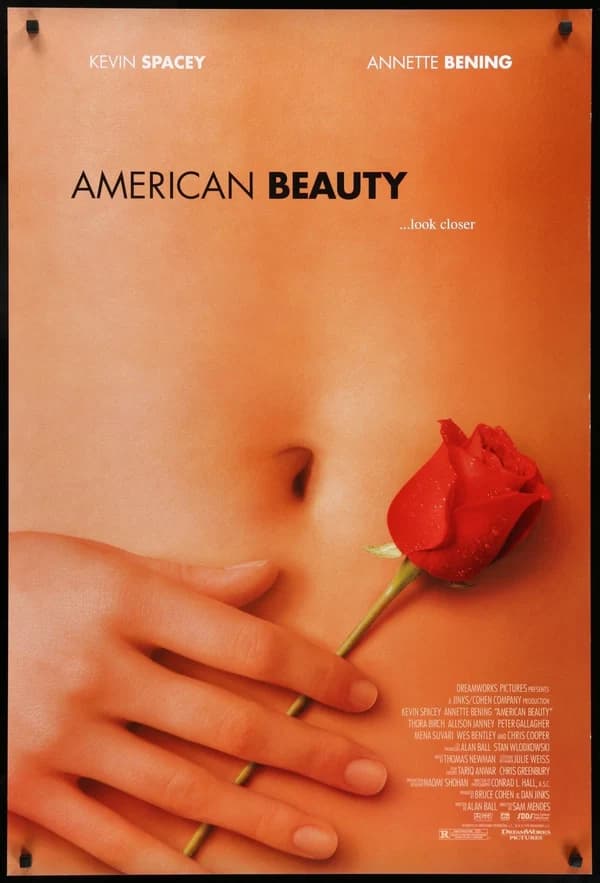
1999 // VHS
American Beauty
Lester Burnham, suburban rot and a midlife argument that still stings.
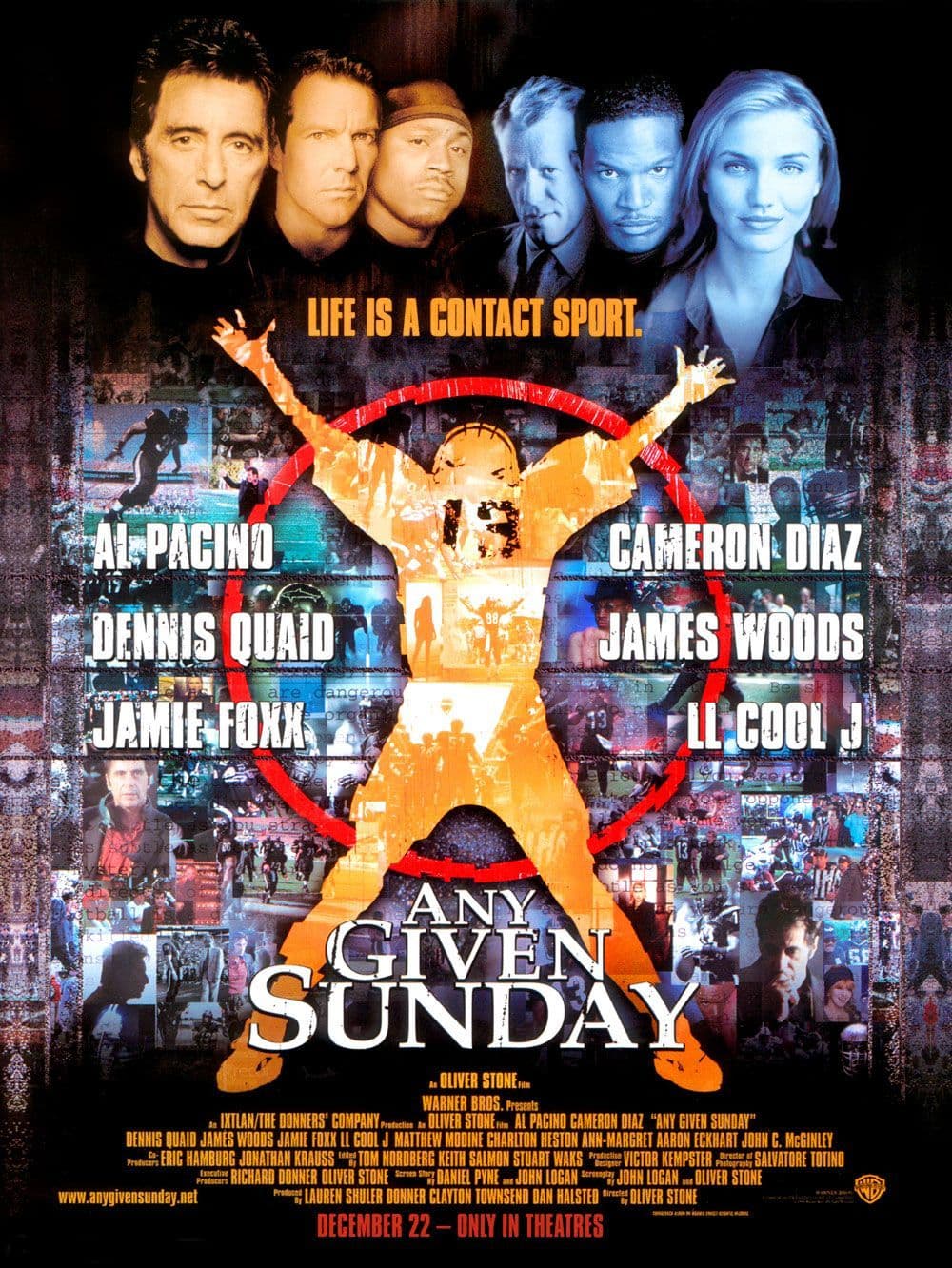
1999 // VHS
Any Given Sunday
Al Pacino's coach anchors the chaos of a film about football turned into product — loud, messy and oddly persuasive.