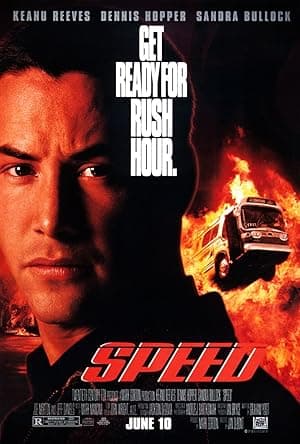
Speed
A high-velocity thriller about decisions, improvisation and what happens when a bus refuses to be boring.
// The setup
PLAYBACK STARTED
Speed is that rare summer picture whose central idea is also its engine: a bus that will explode if it drops below 50 mph. Jan de Bont turned that single, awful rule into nearly two hours of escalating tactics, public spectacle and furious improvisation — with Jack Traven in the driver's seat, morally if not physically.
THE MOVIE
Jack Traven is still the reason this movie works
Put simply: Speed gives you a single, brilliantly unpleasant problem and refuses to let the characters look away. A bomber rigs a Los Angeles bus so that if it slows under 50 miles per hour, it blows up — and that grim constraint converts every decision into a tactical moment.
That rule makes the film do things. It turns the plot into a sequence of improvisations under pressure and makes Jack Traven, a hot-shot LAPD SWAT officer, the logical focal point. He isn’t a philosophising hero; he’s the person who has to make choices that keep people alive.
Jan de Bont directs as someone who once framed other people’s action with a camera; he stages Speed like a chain of practical set pieces where the tension comes from rules, resourcefulness and the occasional brilliant refusal to quit.
THE SETUP
The idea that sets Speed in motion
The movie’s engine is economical and ruthless: once the bus crosses 50 mph the bomb arms and cannot be allowed to dip below that speed. It’s a simple constraint that forces constant improvisation rather than endless exposition.
From that starting point the stakes widen. The plot shifts into a second, very different kind of crisis when the antagonist escalates by kidnapping a passenger and rigging her with an explosive vest on the subway — the problem mutates, but the rule-driven logic remains.
Police tactics in the film are practical and sometimes theatrical: looping camera feeds to fool the bomber, negotiating ransom drops, and a variety of improvised rescue attempts. Those procedural moves keep the thriller operating as a cat-and-mouse game between planning and panic.
Everything is built around a handful of big set-pieces — the booby-trapped elevator/bus set-up, the freeway bus jump, the subway rooftop confrontation — each one a problem that needs a new improvisation, a new trick and a fresh measure of nerve.
THE CHARACTER
Why Jack Traven matters
Jack Traven is the kind of movie-problem solver you want on shift. He’s presented as a hot-shot SWAT officer whose first instinct is saving civilians and stopping the bomber, which turns him into a character defined by practical decisions rather than monologues.
That focus on doing over explaining matters because Speed’s thrills depend on smart improvisation. Jack’s role is to translate rules into action: read the situation, pick a tactic, deal with the human fallout. It’s a hands-on heroism — the kind that looks like competence under pressure.
His partnership with Harry Temple offers the film procedural ballast and a touch of comic counterpoint. Where Jack is all mission, Harry brings a different tempo, reminding the audience that even emergencies have a human rhythm.
Put another way: the movie wouldn’t survive as long as it does if Jack’s instincts didn’t constantly steer things back toward practical rescue. He’s not a symbol so much as a steady pair of hands in a wildly unstable scenario.
UNDER THE SURFACE
Speed has more on its mind than the plot suggests
On the surface Speed is about a ticking bomb and how to stop it. Underneath, the movie keeps returning to improvisation under crisis: how ordinary people and professionals must invent solutions when the rulebook no longer applies.
There is a clear cat-and-mouse element at play. The bomber sets rules; the police try to out-think him; each escalation forces a fresh tactical response. It’s a thriller that enjoys showing how plans mutate under pressure.
Public spectacle is another recurring note. The crisis happens on public transit and plays out in the open, which makes the media and bystanders part of the equation — both a help and a complication to the official response.
Taken together, those threads make Speed less a pure stunt movie and more a study in decision-making: how much responsibility falls on a single pair of hands, and how improvisation can equal moral courage in a pinch.
THE FILMMAKING
How Speed was put together
Jan de Bont brought a cinematographer’s eye to directing, and Speed is staged like a series of camera-forward action set pieces. The film prefers clear mechanical problems and tight staging over abstract gestures.
That camera-forward approach required the production to plan for close, kinetic coverage of confined spaces — the bus interiors demand a different kind of setup than open-road chases — which is why the crew used specialised vehicle rigs and production design tailored to those needs.
De Bont’s background shows in the film’s preference for practical staging: set pieces that read in a single shot or a tight sequence rather than relying on cutting to cover spatial confusion.
In short, Speed owes a great deal of its identity to how it was put together: a director who thinks like a cameraman, and production choices built to answer the movie’s persistent question of ‘how do we get out of this?’
PRACTICAL EFFECTS
The effects work that gives Speed its physical personality
Speed’s physicality comes from real, practical solutions: production built multiple buses for different purposes — lightweight rigs for the jump, interior 'process' buses for the actors, and sacrificial vehicles meant to be destroyed.
That freeway jump was achieved as a genuine stunt with a ramp and a modified bus. The gap you see on-screen was later tidied in post; but the leap itself was a real, planned piece of stunt work.
Keeping people safe during those sequences required bespoke safety measures: modified suspensions, harnessing and careful stunt coordination so drivers and performers could do their jobs without needless risk.
And yes: the lead pulled his weight on the physical side. Keanu Reeves performed at least some of his own stunts, including a transfer onto the moving bus after training with the stunt team — another practical choice that keeps close-up moments feeling immediate.
PURE 80S
Speed could not belong to any other decade
Speed landed in 1994 at a moment when Hollywood loved high-concept, stunt-driven summer work. The film is very much of that marketplace: a tight premise sold as a spectacle, a movie designed to make audiences sit on the edge of their seats.
Jan de Bont’s move from cinematography into directing mirrors a 1990s tendency for camera-minded filmmakers to foreground kinetic camerawork in action cinema. That sensibility gives Speed a particular tempo: clear, visible action that reads in the moment.
The result is a movie that expresses its decade not through trendy details but through industrial logic — a studio summer picture built around a conceit you can explain in a single sentence.
So while it might feel of its time, Speed’s connection to the era is structural: it’s the kind of stunt-first entertainment that Hollywood specialised in during the early 1990s.
THE LEGACY
Why Speed still matters
Speed mattered then and it still gets mentioned because it helped consolidate its stars’ places in mainstream Hollywood. Sandra Bullock’s role in the film has been described as star-making, and Keanu Reeves found himself moving further into action territory.
There are institutional nods too: the film made AFI’s 2001 '100 Years...100 Thrills' list, which is a tidy piece of evidence that the movie’s thrills registered with more than just weekend audiences.
And there’s the simple fact of the sequel: the story continued on the back of the original picture, even if its lead did not return, which speaks to the basic marketability of the premise.
Put together, those points explain why Speed still comes up in conversations about 1990s action: it did what it set out to do, and the industry noticed.
THE VERDICT
Does Speed still hold up?
Yes — if you come for the premise and the pressure it creates. The film’s conceit is pure and relentless: an extortionist has rigged a bus to explode if it drops below 50 mph, and once that rule is in play the movie refuses to let anyone coast.
That constraint drives the best decisions in the picture. From the elevator/bus problem to the freeway jump and the subway rooftop, the movie structures itself around discrete, escalating set-pieces that reward clever, on-your-feet solutions.
Jack Traven’s steady focus on saving civilians and stopping the bomber gives the film a moral throughline amid the chaos, while Annie Porter’s involvement keeps the action personal. The police response — looping camera feeds, ransom negotiations and improvised rescue work — keeps the tension procedural as well as physical.
If you want pure, tightly constructed action-thriller engineering — a rule that creates stakes and a cast of characters who must improvise to survive — Speed remains a very watchable example. It’s not subtle, but it doesn’t pretend to be; it’s a machine built to do one job, and it does it well.
Share this movie
// Keep watching
More movies from the 90s
If Speed is your kind of movie, there's plenty more on the shelves worth rewinding.
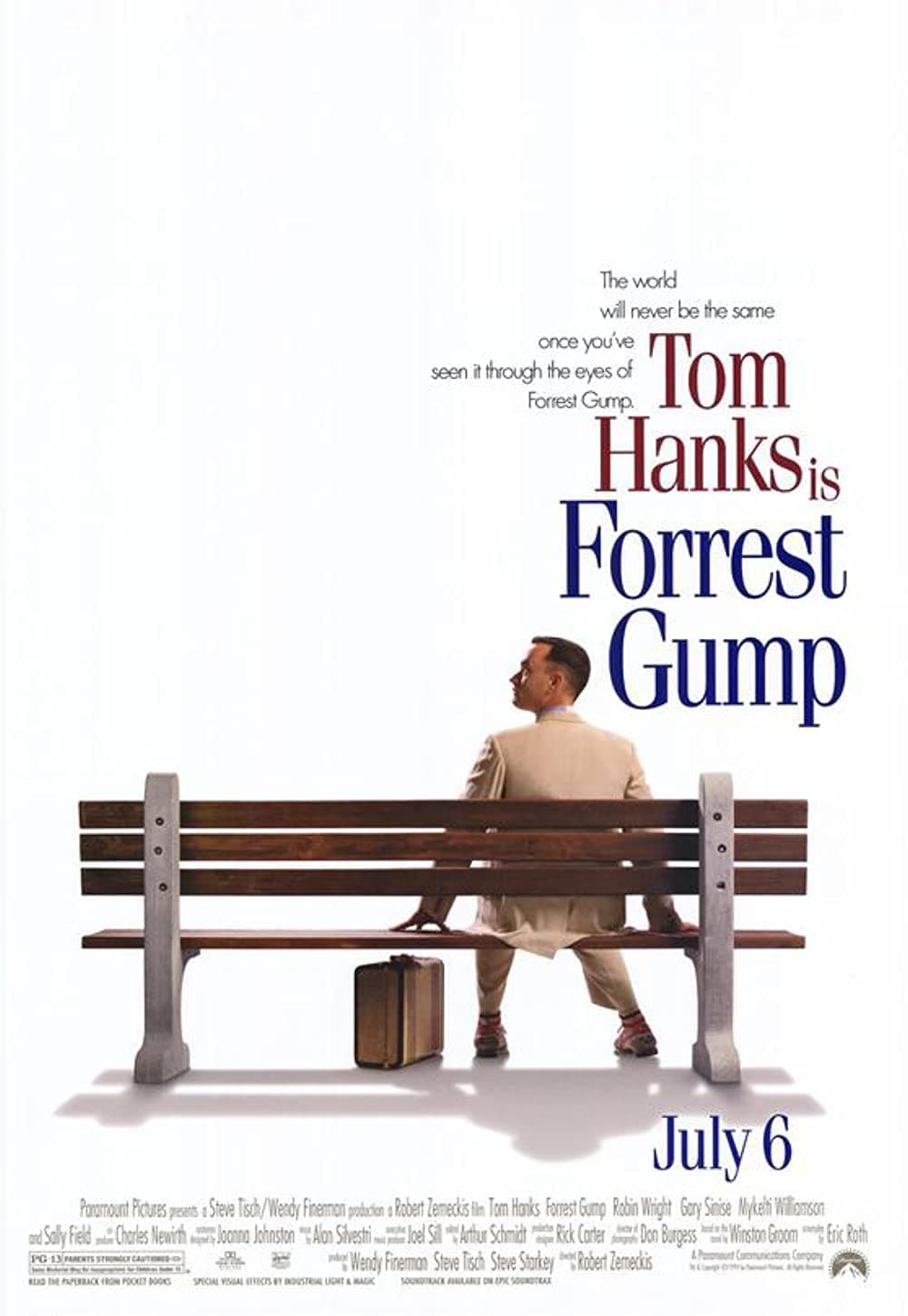
1994 // VHS
Forest Gump
A man on a bench who refuses to make history anything more complicated than a story worth telling.
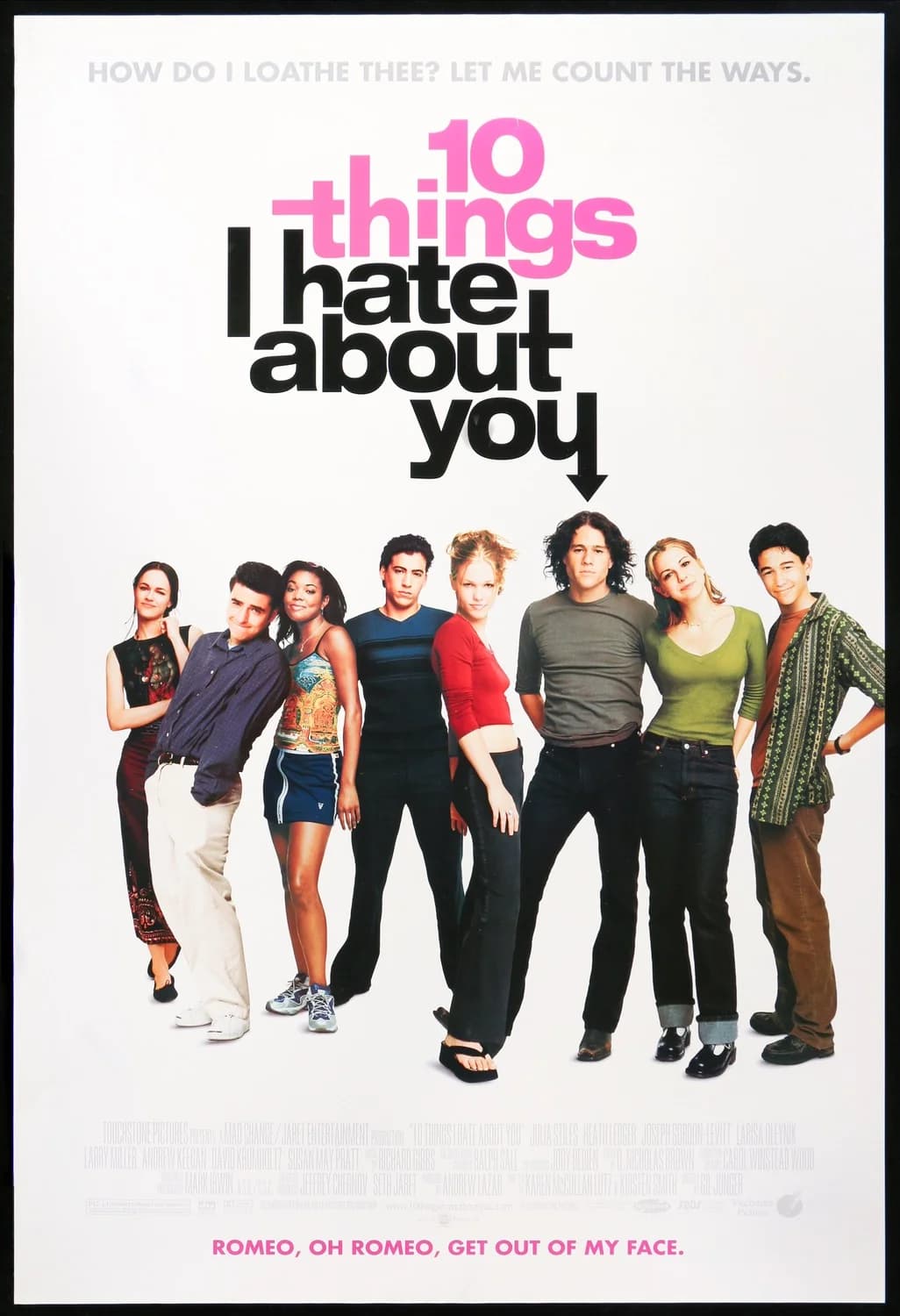
1999 // VHS
10 Things I Hate About You
Sibling rules, a rooftop serenade and one very stubborn Kat — Shakespeare in a school corridor.
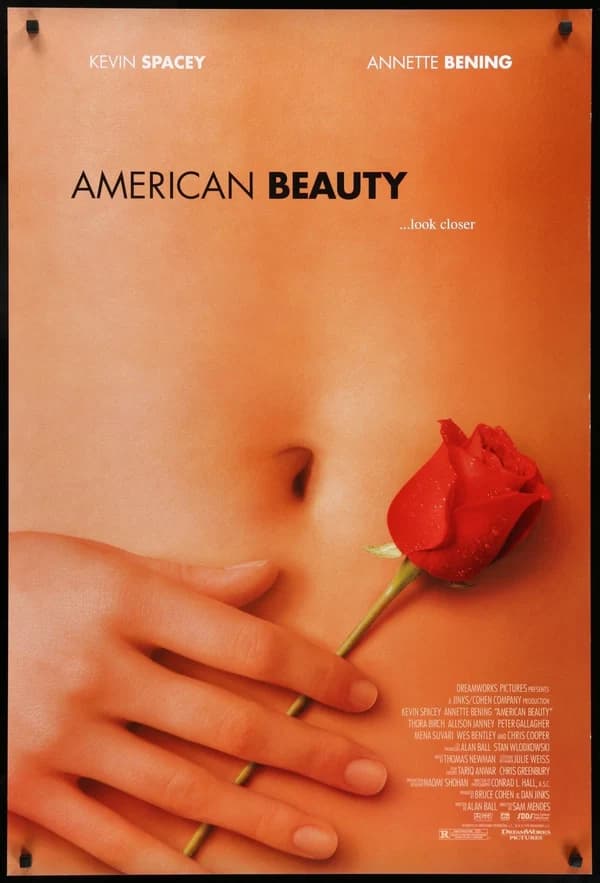
1999 // VHS
American Beauty
Lester Burnham, suburban rot and a midlife argument that still stings.