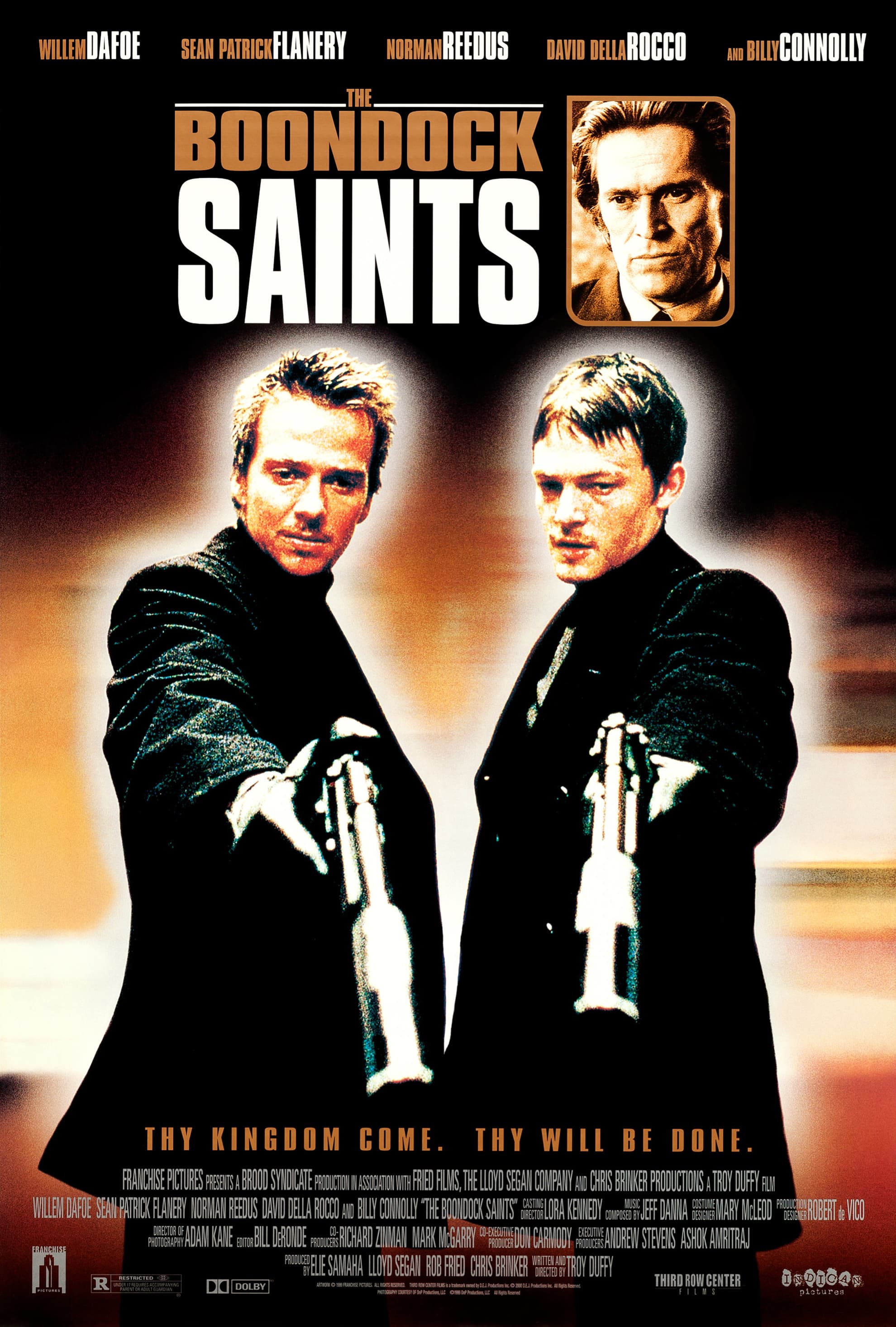
The Boondock Saints
Boston, brothers, and a very particular sense of divine duty.
// The setup
PLAYBACK STARTED
The Boondock Saints wears its convictions on its sleeve — and on its knuckles. Troy Duffy’s debut pairs two Irish-American brothers with a blunt answer to organised crime, a Catholic vocabulary of right and wrong, and a streak of 1990s indie swagger that made people either cheer or squirm. Revisit it to see which side you fall on.
THE MOVIE
Connor MacManus is still the reason this movie works
People keep coming back to The Boondock Saints because, at its heart, it’s about two brothers who decide the city needs cleaning — and then treat that decision as a calling. The MacManus twins survive a violent encounter with members of the Russian mob, and their reaction isn’t confusion or fear; it’s a conviction that something holy has happened, and that they’re meant to act on it.
That mixture of neighbourly loyalty, retribution and religious certainty gives the film its particular charge. Troy Duffy wrote and directed the picture, and he frames the twins’ campaign as a deliberately simple argument: the law moves slowly; sometimes men take matters into their own hands.
It helps that the movie found its audience in the way 1990s indies often did — not on a giant opening weekend, but later, when home-video and rental windows allowed viewers to discover it at their own pace. The result is a film that lives half in the theatre it had and half in the cult following that grew afterwards.
THE SETUP
The idea that sets The Boondock Saints in motion
The film doesn’t try to invent a complicated mystery. After their epiphany the brothers set about targeting organised-crime figures in Boston, and the story advances as each violent, stylised raid makes the stakes clearer. It’s a structure built on a sequence of set pieces rather than a slow-build detective puzzle.
That choice pushes the moral question into the foreground: when two men take justice into their own hands, what does the city — and the law — do in response? The tension isn’t so much about whodunit as about whether the brothers’ certainty will stand up when officials start closing in.
Which is where FBI Special Agent Paul Smecker enters. His interviews with the twins provide the movie’s legal and ethical pivot: he’s the rational counterpoint who forces the audience to register the gap between the MacManuses’ faith-driven logic and how law enforcement thinks.
So the film trades a conventional procedural for something more operatic: a handful of violent set pieces, a moral standoff, and the slow widening of consequences.
THE CHARACTER
Why Connor MacManus matters
Sean Patrick Flanery’s Connor is the engine you notice first because he’s the one who treats the twins’ survival as a mission. He’s not a philosophical preacher; he’s a man with a simple, absolute register of right and wrong, and that clarity gives the film its forward momentum.
Connor matters because he’s the active half of the brotherhood. The idea of two people bound by loyalty is nothing new, but The Boondock Saints keeps reiterating that devotion — to neighbourhood, to each other, and to a ritualised sense of justice — and Connor is where that devotion looks least ambiguous.
The movie also introduces figures — like the legendary hitman Il Duce — to raise the stakes around Connor and Murphy. When reputations and reputations’ consequences close in, Connor’s decisions feel weighty, because the brotherhood isn’t just private: it collides with other, deadlier legends.
Finally, Connor’s arc is constantly measured against the film’s investigative anchor. The Smecker scenes strip the theatrics away and force a quieter appraisal, which is why Connor’s convictions land: they’re tested, not merely declared.
UNDER THE SURFACE
The Boondock Saints has more on its mind than the plot suggests
On the surface it’s an action buddy film about two brothers cleaning up their city. Underneath, the movie keeps returning to a few insistently simple ideas: vigilantism, a Catholic-tinged certainty, masculinity and the question of revenge versus the law.
The religious language matters because it’s not decorative. The brothers interpret events as divine commission, and the film repeatedly frames their actions with ritual and symbolism so their violence feels motivated rather than random.
Brotherhood here is more than shared blood; it’s the movie’s emotional glue. The twins’ relationship is the human constant the film uses to justify and critique the razor-edge choices they make.
All of this sits in a particular 1990s indie crime style: stylised violence and pointed, sometimes blunt moral posture were part of how films in that wave made their case, and The Boondock Saints wears that lineage on its sleeve.
THE FILMMAKING
How The Boondock Saints was put together
A lot of the film’s character comes from choices about tone and sound. Jeff Danna’s score is a recurring note in contemporary discussion — it’s part of the film’s particular mix and was singled out alongside the look of the picture.
Critics at the time tended to notice the same handful of elements: the stylised violence, the Catholic-inflected vigilantism and the way cinematography and music shaped the movie’s temperament. Those production decisions aren’t ornaments; they’re the tools Duffy uses to make moral certainty feel cinematic.
You don’t need heavy production gloss to see the effect: score, camera and staging pull the audience into scenes where the brothers’ simple logic is presented as spectacle, and that spectacle is the film’s language.
Put another way: the filmmaking choices supply the attitude. The movie’s convictions are loud because the music and visuals make them so.
PURE 80S
The Boondock Saints could not belong to any other decade
This is a late-1990s picture through and through. Critics compared it to the Tarantino-influenced indie crime films of the era, the kind of gritty, stylised movies that felt like a reaction against glossy studio fare.
Its route into production also speaks to the decade: the script attracted studio interest early on, went into turnaround, and the finished film was completed on a smaller budget with independent partners. That’s a very 1990s indie trajectory — big idea, small finish.
Stylistically and thematically it participates in the decade’s indie crime conversation: violence as spectacle, moral loudness, and a buddy-core emotional centre. Those were the notes that made audiences either take notice or walk away.
So the film belongs to its moment not because of clothing or hair, but because of how it was made and marketed: a late-90s indie trying to scream louder than the competition.
WATCHING IT NOW
What has aged — and what hasn't
The film’s afterlife is telling. It didn’t explode in theatres, but its move to home video and Blockbuster rental windows put it in front of a much larger audience, and that is the primary reason it became a cult title.
What survives most cleanly is the brotherhood at the centre. The bond between the siblings still reads easily, and the film keeps returning to that loyalty as its emotional anchor.
Some elements are more time-locked: the movie’s reliance on set-piece raids and stylised violence is proudly of its moment. That can feel exhilarating or dated depending on your tolerance for moral bluntness and operatic action.
Finally, the Smecker interview scenes remain a structural hinge: the film’s moral argument plays out most clearly when the brothers are put under the spotlight of investigation, which means its central tensions still speak to contemporary viewers interested in questions of law versus extrajudicial action.
THE LEGACY
Why The Boondock Saints still matters
Part of the film’s legacy is the story around it. The documentary Overnight looks at the picture’s rocky route through Hollywood and the public conflicts that followed its makers, and that backstory is part of why people still talk about it.
The film’s life didn’t end with its tiny theatrical run. An unrated special-edition DVD and a coordinated theatrical reissue in 2006 brought the title back into the conversation and reminded audiences that it had a following worth revisiting.
Then there’s the sequel, produced and directed by Duffy, which reunited a chunk of the original cast in 2009. Sequels don’t always prove influence, but they do show there was enough appetite — among creators or fans — to return to these characters.
Between the making-of narrative, the home-video revival and the eventual follow-up, The Boondock Saints has a legacy that lives in both the film itself and the story of how it found its audience.
THE VERDICT
Does The Boondock Saints still hold up?
Yes — if you come for a straightforward, pulpy moral fable wrapped in 1990s indie energy. The film asks you to accept a premise early on: two brothers survive violence, read it as divine commission, and set about purging Boston. If you’re prepared to live inside that world, it delivers what it promises.
The film’s choices are unapologetic. It advances through stylised raids and executions rather than a traditional whodunnit, and it repeatedly frames the brothers’ actions in Catholic imagery and ritual so the violence is presented as a sort of sacrament rather than random cruelty.
That means it will grate for viewers who prefer moral ambiguity or procedural subtlety. But for those who respond to its blunt sibling loyalty and its moral clarity — however contested that clarity may be — it’s a lean, memorable piece of late-90s indie crime filmmaking.
If you watch it now, do it knowing what it is: a tight, 108-minute blast of brotherhood, vigilantism and conviction. And if Connor convinces you, even for a moment, the film does what it set out to do.
Share this movie
// Keep watching
More movies from the 90s
If The Boondock Saints is your kind of movie, there's plenty more on the shelves worth rewinding.
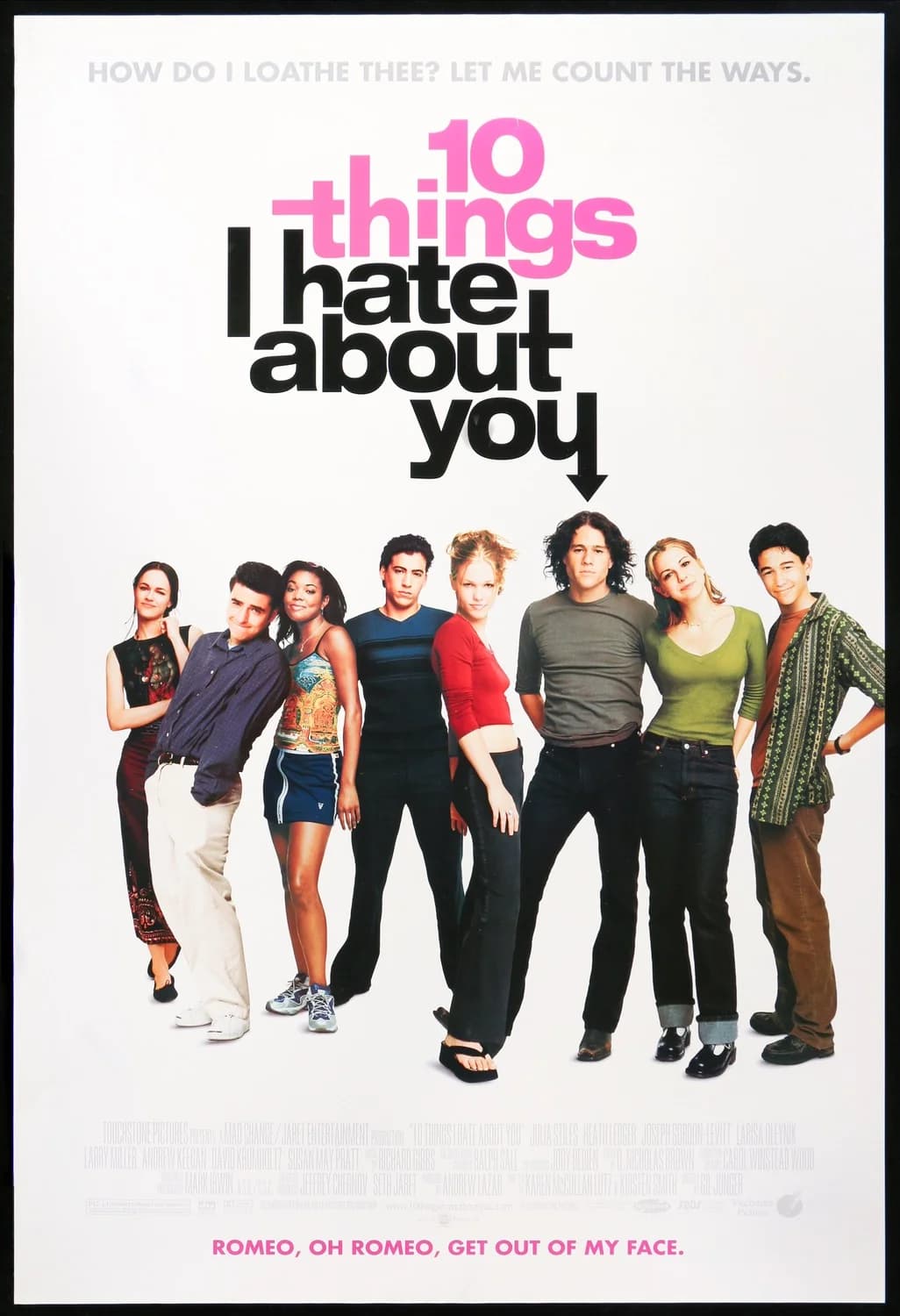
1999 // VHS
10 Things I Hate About You
Sibling rules, a rooftop serenade and one very stubborn Kat — Shakespeare in a school corridor.
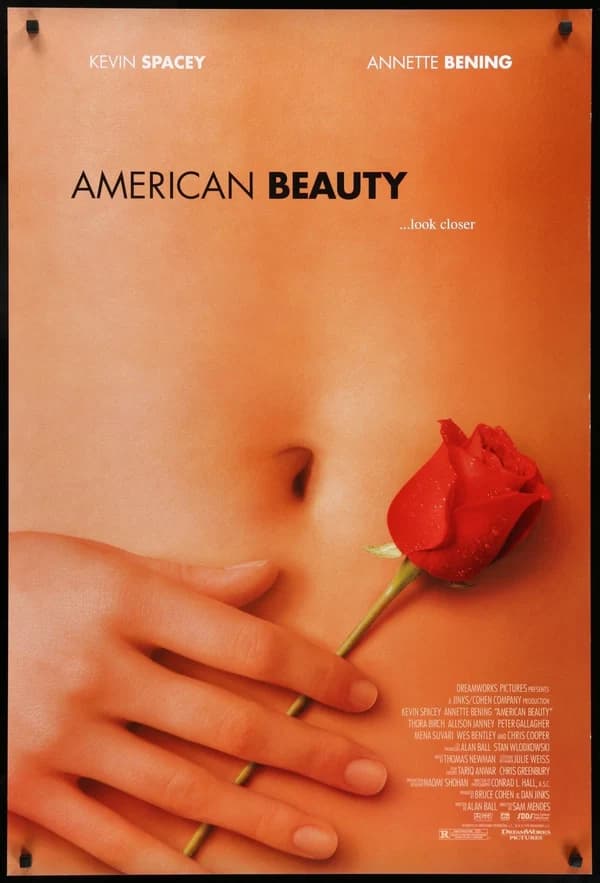
1999 // VHS
American Beauty
Lester Burnham, suburban rot and a midlife argument that still stings.
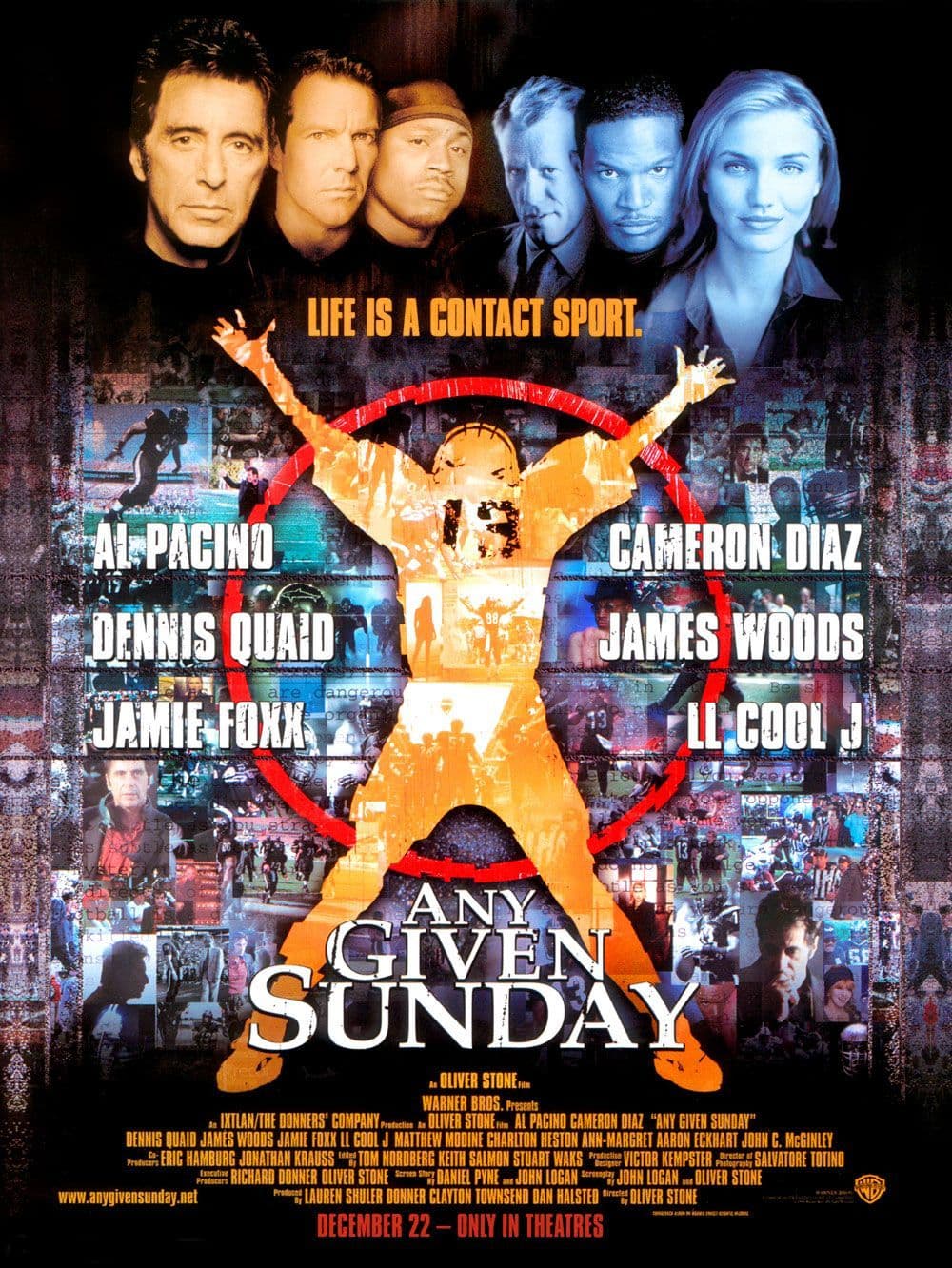
1999 // VHS
Any Given Sunday
Al Pacino's coach anchors the chaos of a film about football turned into product — loud, messy and oddly persuasive.