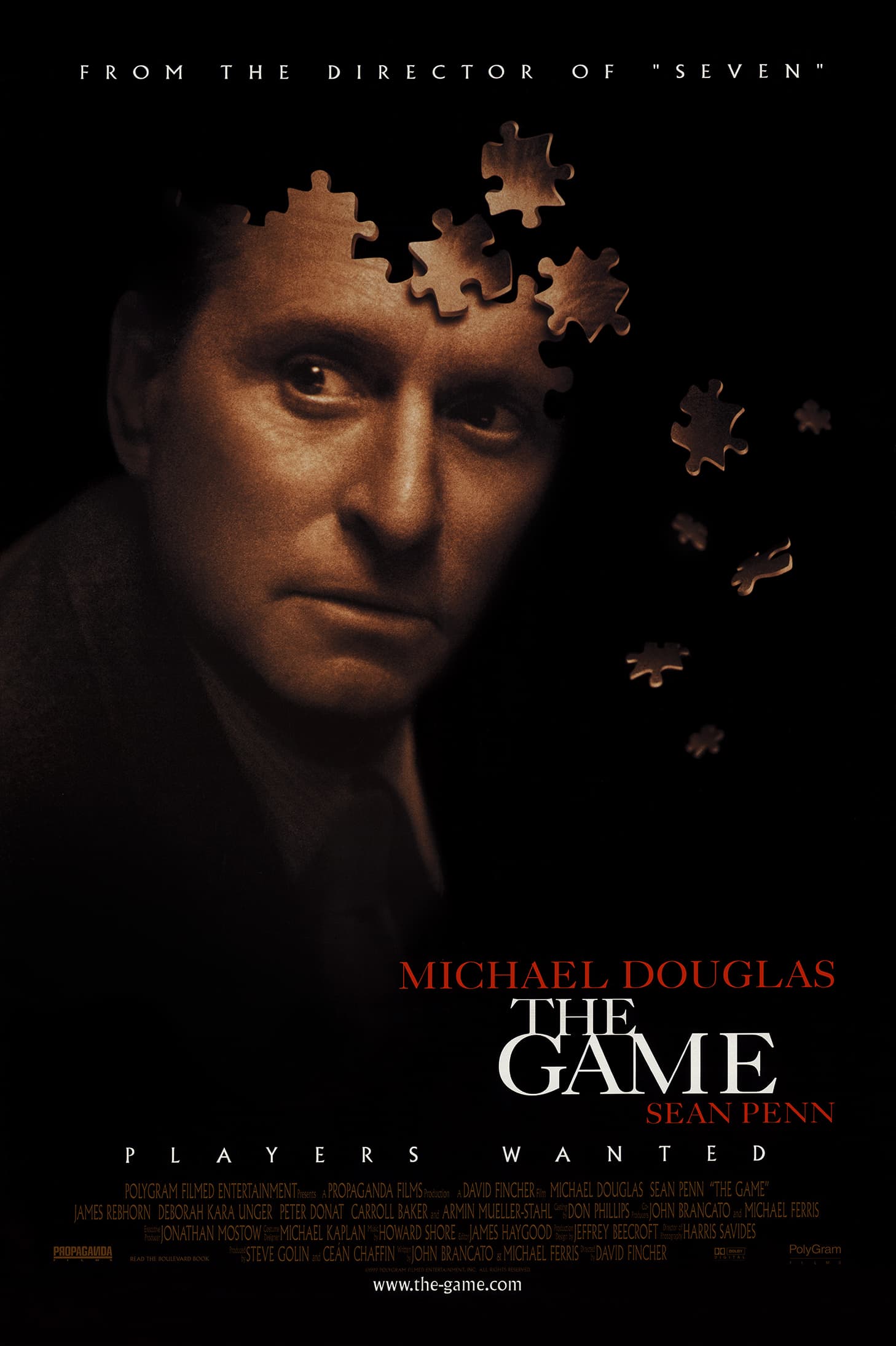
The Game
A birthday present that strips a man of control — and asks whether anyone ever really had it.
// The setup
PLAYBACK STARTED
If you remember The Game at all, you probably remember Nicholas Van Orton — the rich, buttoned‑up San Francisco banker whose tidy life is pulled apart by a ‘bespoke’ experience run by Consumer Recreation Services. David Fincher stages the film so the audience lives inside Nicholas’s shrinking world of doubt and danger, and that focused alignment is the whole point. Watch it again and you’ll see how the mechanics of the story are designed to make you feel as claustrophobic as he does.
THE MOVIE
Nicholas Van Orton is still the reason this movie works
The Game isn’t a cosy puzzle you solve from the outside. It’s built to be endured. Michael Douglas’s Nicholas Van Orton, a wealthy and emotionally withdrawn investment banker, is handed a birthday present that looks innocent enough on paper: an invitation to a tailor‑made experience run by a company called Consumer Recreation Services.
What follows is a chain of escalating humiliations, threats and situations that sit uncomfortably on the border between staged entertainment and actual danger. The film keeps its rules deliberately vague, so every new twist feels less like plot mechanics and more like another wheel tightening around the protagonist.
And because Fincher directs the whole thing with a care for keeping us inside Nicholas’s head, the movie becomes less about what happens next and more about what it feels like to lose control — a theme the story keeps turning like a key in a lock.
THE SETUP
The idea that sets The Game in motion
Strip it back to the basics and the engine is both simple and poisonous: Nicholas signs up for a commercially organised ‘game’ and the company proceeds to worm itself into his private and public life.
Crucially, neither Nicholas nor the audience are given a clear rulebook. The film withholds the Game’s parameters on purpose, and that withholding is what keeps every encounter tense.
Because the rules are opaque, ordinary incidents — a phonecall, a stranger’s kindness, a setback — can be read as ordinary or as part of an elaborate manipulation. That ambiguity is the setup’s clever trick.
It works because the story mechanics turn everyday environments and social niceties into terrain where Nicholas’s control can be tested, undermined and finally unpicked.
THE CHARACTER
Why Nicholas Van Orton matters
Nicholas is not just the man the plot happens to; he is the plot’s measuring stick. Michael Douglas plays an investment banker whose life is defined by order, distance and a refusal to feel — all of which the Game seems explicitly designed to destroy.
His need for control sits next to a private history that matters to the story: childhood trauma, including his father’s suicide, gives his behaviour an edge of brittle danger. The Game doesn’t attack a neutral target; it picks at an old wound.
That’s why Conrad — Nicholas’s younger, rebellious brother — is such an effective catalyst. Conrad’s chaos is the opposite of Nicholas’s rigidity, and recruiting him into the Game forces a very personal confrontation rather than a generic thriller‑style crisis.
In short: the film doesn’t just need a protagonist, it needs a protagonist with precise vulnerabilities. Nicholas supplies those vulnerabilities, and the story is structured to probe them.
UNDER THE SURFACE
The Game has more on its mind than the plot suggests
On the surface it’s a mystery/thriller, but underneath the film keeps returning to a small set of ideas: control and the loss of it, the sensation of being watched and manipulated, and the difficulty of knowing who is real.
Paranoia and surveillance are explicit ingredients — the movie makes you feel observed, and that manufactured observation is used as a tool to break down Nicholas’s certainties.
Closely linked is identity and trust. Because the Game encourages performance at every turn, it becomes almost impossible for Nicholas (and the audience) to work out whether someone is genuine or putting on an act.
Finally, wealth and emotional isolation matter here. Nicholas’s money protects him from many normal worries but it doesn’t protect him from loneliness, which makes him — perversely — an ideal subject for a company that sells experiences designed to change people.
THE FILMMAKING
How The Game was put together
Fincher staged The Game to keep us inside Nicholas’s subjective perspective. That choice matters because the story’s power comes less from what happens and more from how small losses of control feel when you’re watching them from the inside.
Harris Savides’s photography helps here: the film looks tight and a little shadowed, which is exactly the visual tone you want when the material is about creeping distrust and containment.
Production design plays a matching role. Nicholas’s ordered, high‑end spaces are set against public areas and contrived set‑pieces that suddenly feel hostile — those contrasts are part of how the film translates an emotional state into locations.
Put together, direction, photography and design keep the audience aligned with Nicholas’s experience rather than offering a detached, procedural view of the Game.
PRACTICAL EFFECTS
The effects work that gives The Game its physical personality
A surprising amount of the film’s physical menace is achieved without fanfare digital trickery. Several set pieces that come across as life‑threatening — for example a sinking taxi and staged accidents — were realised through traditional stunt and practical techniques.
Those practical sequences matter because they keep the action tactile. When something physical goes wrong on screen here, it feels like a thing happening to a person rather than a visual effect being stitched on afterwards.
That practical approach supports the film’s main aim: to make Nicholas’s experiences feel immediate and unavoidable.
PURE 80S
The Game could not belong to any other decade
The Game sits squarely in the late‑1990s run of David Fincher thrillers that polished noir ideas for contemporary audiences. It followed Se7en and continued his interest in clean, paranoia‑tinged stories set against modern cities.
It also comes from a moment when studios and distributors were comfortable backing high‑concept psychological thrillers, and the film’s place in a late‑1990s theatrical marketplace helped shape how it was made and sold.
Fincher insisted on shooting principal photography on location in San Francisco in 1996 despite studio pressure to move production to Los Angeles, which roots the film in a specific urban reality rather than a generic studio approximation.
All of this puts The Game within a 1990s conversation about style, spectatorship and urban menace that Fincher was already helping to define.
THE LEGACY
Why The Game still matters
The Game hasn’t vanished into obscurity; it keeps turning up in discussions of Fincher’s 1990s work because it shares aesthetic and thematic DNA with his other films from the decade.
It also found a life beyond cinemas: the movie developed a continuing audience through home video and later reissues, and critics have periodically revisited it in anniversary pieces and director‑focused retrospectives.
That continuing attention doesn’t mean it’s universally loved, but it does mean the film still gives people something to talk about — and that conversation often centres on how it stages paranoia and personal unraveling.
In short, its legacy is mostly domestic: a steady presence in Fincher discourse and a picture people return to when they want a small, precise morality play about control and consequence.
THE VERDICT
Does The Game still hold up?
Yes — with a caveat. The Game’s strength is very specific: it’s told largely from Nicholas’s point of view, and that subjective focus turns the mechanics of the story into an emotional lever. If you respond to films that make you feel the shrinking of agency, this will still land.
Its deliberate refusal to hand over the game’s rules is a feature, not a flaw. The commercial ‘game’ that infiltrates every corner of Nicholas’s life is the device that lets Fincher and the writers examine what wealth and emotional isolation actually do to a person when their certainties are stripped away.
The cast of characters — from Conrad, the catalyst whose chaotic energy forces contact, to Christine, whose presence complicates any simple reading of who to trust — are arranged so that every interaction can plausibly be part of the experiment. That uncertainty is the point.
So: watch it for the construction — the tight viewpoint, the practical sequences that feel immediate, the paranoid architecture Fincher assembles. Don’t expect a neat, comforting mystery; expect a slow unwinding of a man who discovers control was never his to begin with.
Share this movie
// Keep watching
More movies from the 90s
If The Game is your kind of movie, there's plenty more on the shelves worth rewinding.
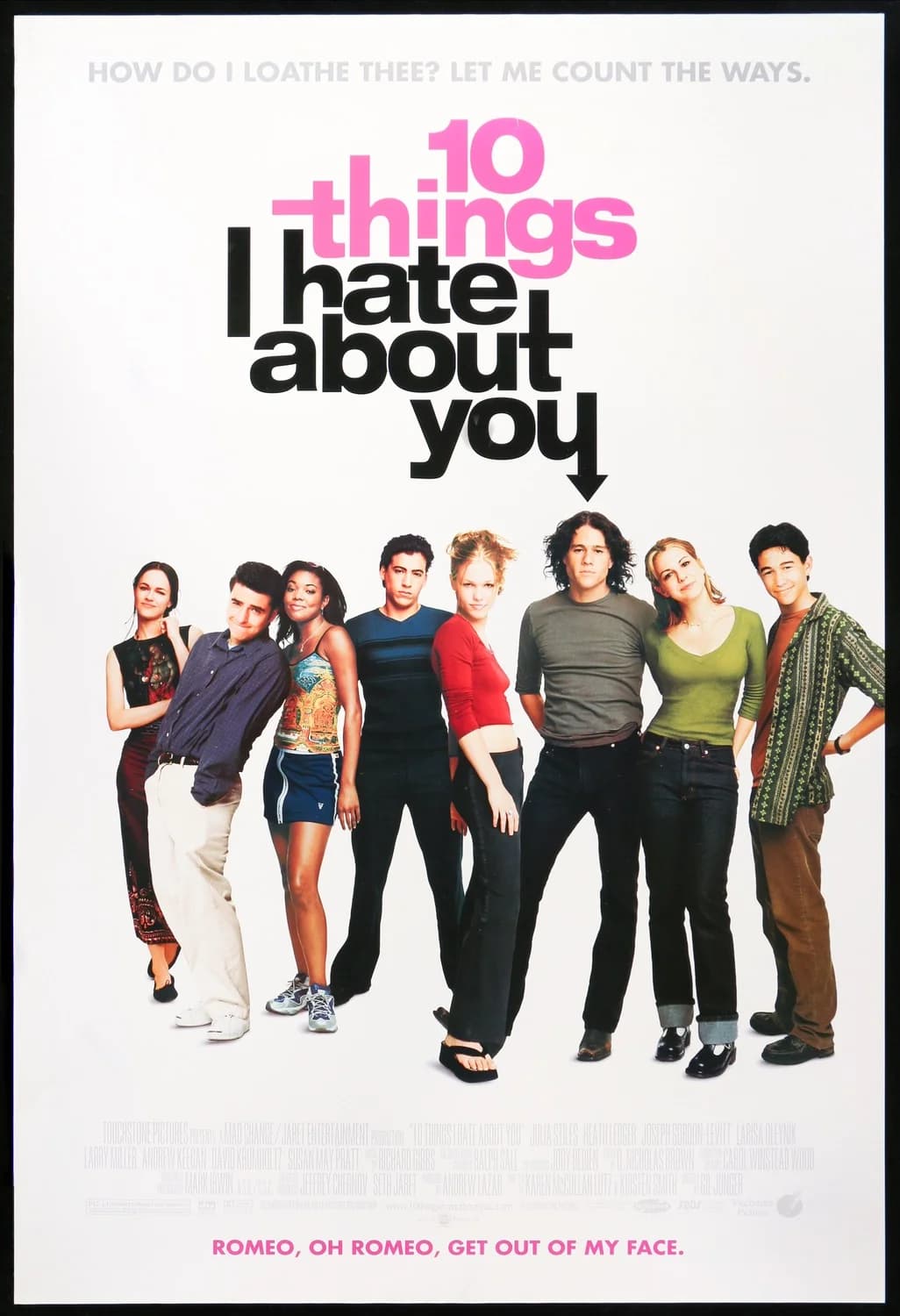
1999 // VHS
10 Things I Hate About You
Sibling rules, a rooftop serenade and one very stubborn Kat — Shakespeare in a school corridor.

1999 // VHS
American Beauty
Lester Burnham, suburban rot and a midlife argument that still stings.
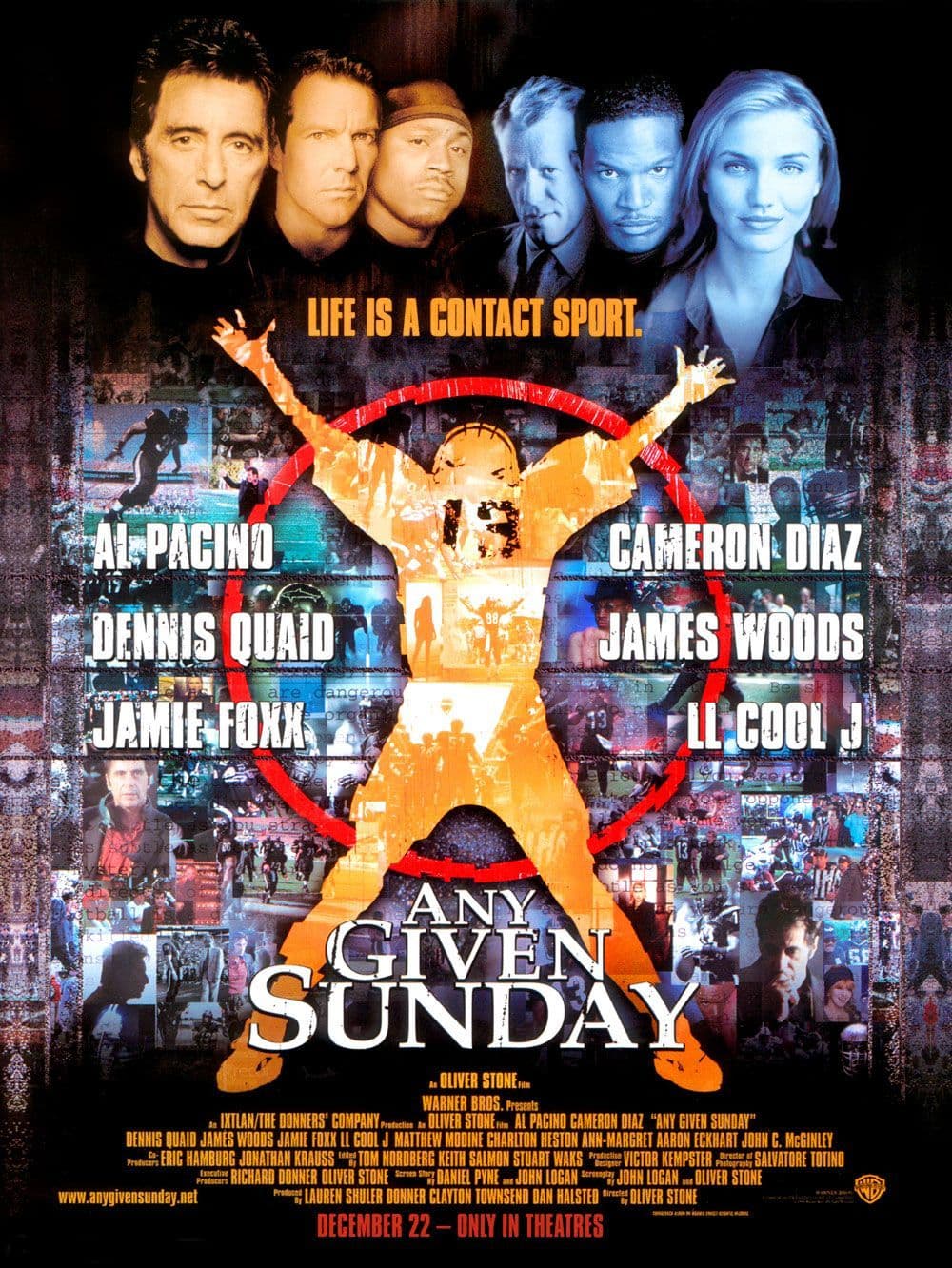
1999 // VHS
Any Given Sunday
Al Pacino's coach anchors the chaos of a film about football turned into product — loud, messy and oddly persuasive.