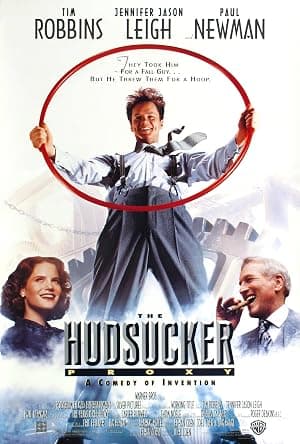
The Hudsucker Proxy
A bright-eyed mailroom clerk, a fast-talking reporter and a corporate plot — all dressed up in old-Hollywood pastiche.
// The setup
PLAYBACK STARTED
The Hudsucker Proxy is the Coens wearing a 1930s suit and refusing to take it off. It’s a deliberately theatrical comedy that hinges on one extraordinarily simple gamble: put an innocent in a shark tank and watch the machinery of business and publicity try to chew him up. If you like your satire sugar-coated and your pratfalls staged like musical numbers, this is the kind of film that rewards a revisit.
THE MOVIE
Norville Barnes is still the reason this movie works
Imagine a corporate boardroom with a plan so cynical it needs a patsy. When the founder of Hudsucker Industries unexpectedly plunges from a top-floor window, the directors decide to install someone hopelessly out of their depth so the company’s stock will fall and they can buy control. It’s a plot that turns executive machinations into farce.
Into that absurd scheme tumbles Norville Barnes, a small-town mailroom clerk who, against every rule of business logic, is lifted into the executive offices. His sudden promotion is one of those movie gambles that could easily have crashed the whole picture — except the film trusts him to carry it.
That trust is why The Hudsucker Proxy keeps getting talked about: Joel Coen dresses the story in affectionate studio-era pastiche, and the joke is equal parts screwball comedy and corporate satire. Norville’s optimism — his very inability to be a cynic — is the emotional fulcrum; everything else is choreography around him.
THE SETUP
The idea that sets The Hudsucker Proxy in motion
The engine of the film is a tidy piece of satire: board members conspire to depress Hudsucker’s stock by putting someone useless in charge. That political arithmetic — greed plus manipulation — is the tidy, amusing cruelty at the heart of the plot.
Norville’s accidental rise is complicated when a brassy Manhattan Argus reporter, Amy Archer, starts asking questions. She’s there to find out if Norville is genuinely clueless or simply the target of a setup, and that investigation gives the story a smart, sceptical counterpoint.
Meanwhile, Norville stumbles on an accidental invention — a simple consumer toy — and this unexpected success reshapes the company’s fortunes and pushes the plot forward. It’s a classic screwball device: chance, chaos and commerce colliding.
The film wears its debts to studio-era comedy on its sleeve. From stylised set-pieces to an opening tracking shot over a mock skyline and rapid-fire banter, the whole thing is staged as an affectionate pastiche rather than a realist workplace satire.
THE CHARACTER
Why Norville Barnes matters
Norville Barnes isn’t memorable because he’s clever; he’s memorable because he isn’t. Tim Robbins plays a mailroom clerk whose optimism and small-town outlook make him easy prey for schemers — and, crucially, oddly hard to dislike.
That naïvety is the movie’s engine. The plot’s satire of corporate cunning only lands because you can feel how vulnerable Norville is to manipulation; if he were a different kind of protagonist, the film would be a different animal entirely.
The Coens trust that the audience will root for someone whose ambition is more about being seen than about power. That rooting interest lets the pastiche sing: the screwball set-pieces have stakes, because Norville actually stands to lose himself in them.
Put simply: Norville is the movie’s moral wager. His innocence forces the film’s satire to aim itself, and everything comic or absurd that happens around him is measured against that character.
THE PERFORMANCE
Why Jennifer Jason Leigh's performance matters
Amy Archer is introduced as a brassy, investigative reporter whose job is to tear the mask off Norville’s promotion. In contemporary coverage reviewers noticed that Jennifer Jason Leigh steered the part toward classic screwball rhythms.
Specifically, critics pointed to Leigh’s rapid-fire delivery — a kind of Hepburn-inflected patter — as a deliberate nod to those older comedies. That choice anchors the film’s pastiche: she feels like someone reclaimed from 1930s movies and dropped into a 1990s satire.
Those same reports paired Leigh with Tim Robbins as energetic leads, noting that their comic timing helps keep the film’s tone steady amid its theatrical flourishes. In short: her performance gives the film a recognisable screwball voice to play off Norville’s gentler temperament.
So Amy matters because she supplies the scepticism Norville lacks; as the reporter on the story she’s both narratively useful and tonally decisive.
UNDER THE SURFACE
The Hudsucker Proxy has more on its mind than the plot suggests
On the surface it’s a screwball comedy — but underneath the Coens are playing a rusty old chest of ideas: the charm of studio-era romantic comedy, and the sharp teeth of corporate life. The film deliberately riffs on those older forms while pointing them at modern business practices.
Satire of corporate finance and PR runs through the whole thing. The board’s scheme to manipulate stock and public opinion turns market mechanics into theatrical mischief, and the film enjoys showing how publicity can manufacture success as easily as it manufactures failure.
That sets up a neat conflict: innocence versus cynicism. Norville’s earnestness collides with boardroom cruelty and PR spin, and that opposition is what keeps the screwball moments from becoming mere pastiche.
Finally, the movie is quietly interested in how media shapes reality. The presence of a reporter character and the company’s dependence on public perception underline that publicity can remake the world — and not always in ways that truth would recognise.
THE FILMMAKING
How The Hudsucker Proxy was put together
Joel Coen’s intention to make an old-Hollywood pastiche is visible in the credits: Roger Deakins is the director of photography and Dennis Gassner the production designer, and contemporary reactions flagged the film’s highly stylised sets and composed visuals.
That period pastiche was supported by a traditional crew structure: Thom Noble is credited as editor and Carter Burwell supplied the original music. Those pieces help turn what could have been a jokey sketch into a fully staged cinematic world.
The film’s staging borrows from studio-era trickery: an opening tracking shot over a mock skyline and set-pieces that read like theatrical numbers. The deliberate old-fashioned staging makes the satire feel like a kind of cinematic costume party — but one with precise tailoring.
In short, the filmmaking choices underline the film’s thesis: it isn’t hiding its reference points, it’s amplifying them, and the result is a movie that looks and sounds like a modern production deliberately composed to mimic classic Hollywood.
PRACTICAL EFFECTS
The effects work that gives The Hudsucker Proxy its physical personality
A big part of the film’s physical charm comes from its miniature work. VFX supervision included a miniatures supervisor and multiple 1:24 scale models of the city built specifically for skyline and exterior sequences.
Some of the long vertical-drop scenes were achieved by photographing those miniature city elements laid flat — a practical workaround because the motion-control systems of the time couldn’t deliver the required vertical travel — and then compositing those plates with live-action photography.
Actors who appear to fall were actually filmed suspended on wires and shot on motorised dollies; those live-action plates were later combined with the miniature photography and optical or digital compositing.
The production also built mechanical rigs for character moments: a large articulated wing armature was constructed for the Waring Hudsucker 'angel' sequence, with feathered wings driven on an electric system so movement could be controlled on set.
PURE 80S
The Hudsucker Proxy could not belong to any other decade
The film sits squarely in its 1994 moment because it pairs Coen pastiche with the production resources of big-studio filmmaking and the era’s VFX craft. The Coens were operating in a larger studio-financed context that let them lean on contemporary miniature and compositing skill.
Contemporary coverage placed the movie in a 1990s wave of postmodern pastiches — films that wore classic Hollywood genres on their sleeve and reworked them for modern audiences. The Hudsucker feels like that conversation translated into an affectionate, slightly theatrical comedy.
That combination is important: it’s not a straight remake of screwball cinema, nor a dry parody. It’s a 1990s film choosing to look backwards and bring modern production methods along for the ride.
Put another way: The Hudsucker Proxy is a 1994 film whose era is audible in the resources it uses and visible in the way it stages old-fashioned tricks with new-fashioned tools.
THE LEGACY
Why The Hudsucker Proxy still matters
At the box office the film was described in contemporary coverage as a commercial disappointment on its initial release. That’s part of its afterstory, but not the end of it.
Technically, The Hudsucker Proxy has been kept in circulation by people who care about how it was made. VFX supervisors and other technical personnel have revisited the film in anniversary pieces, pointing to its miniature work and compositing methods as notable examples of 1990s effects practice.
Industry discussions have also singled out the movie’s model work and the fate of some miniature elements in pieces about reuse and model-making, so its craftsmanship has a shelf-life of its own even if the film’s reputation among general audiences remained mixed.
In short: the film matters to people who study craft and to viewers who enjoy its deliberate pastiche — and that kind of specialised afterlife is a respectable legacy for a picture that tried to do something deliberately different.
THE VERDICT
Does The Hudsucker Proxy still hold up?
Yes — if your tolerance for theatrical pastiche and affection for screwball rhythms is high. The film’s central joke is simple: the board installs an incompetent president to manipulate the market, and a mailroom clerk named Norville Barnes is thrust into the job. The rest of the movie plays out as clever choreography around that premise.
If you respond to the contrast between Norville’s wide-eyed optimism and the cynical mechanics of corporate finance and PR, the picture still rewards you. Amy Archer’s presence as the sceptical reporter keeps the tone from getting sentimental, and contemporary responses noted how Jennifer Jason Leigh’s delivery gave the film a recognisably classic comic voice.
Technically and stylistically the movie is a 1994 production playing with older forms: it uses miniatures, compositing tricks and deliberately stylised set-pieces to sell its mock‑New York and studio-era vibe. That choice is either the film’s delight or its annoyance, depending on whether you like your comedy dressed up in costume.
So should you watch it today? If you want a Coens-flavoured, screwball-shaped satire about innocence versus cynicism — and you’re curious to see a modern studio film that consciously wears its references — then yes, The Hudsucker Proxy is worth a watch. It’s a picture that bets on a character’s decency and builds everything else around that wager; sometimes that gamble pays off handsomely.
Share this movie
// Keep watching
More movies from the 90s
If The Hudsucker Proxy is your kind of movie, there's plenty more on the shelves worth rewinding.
1994 // VHS
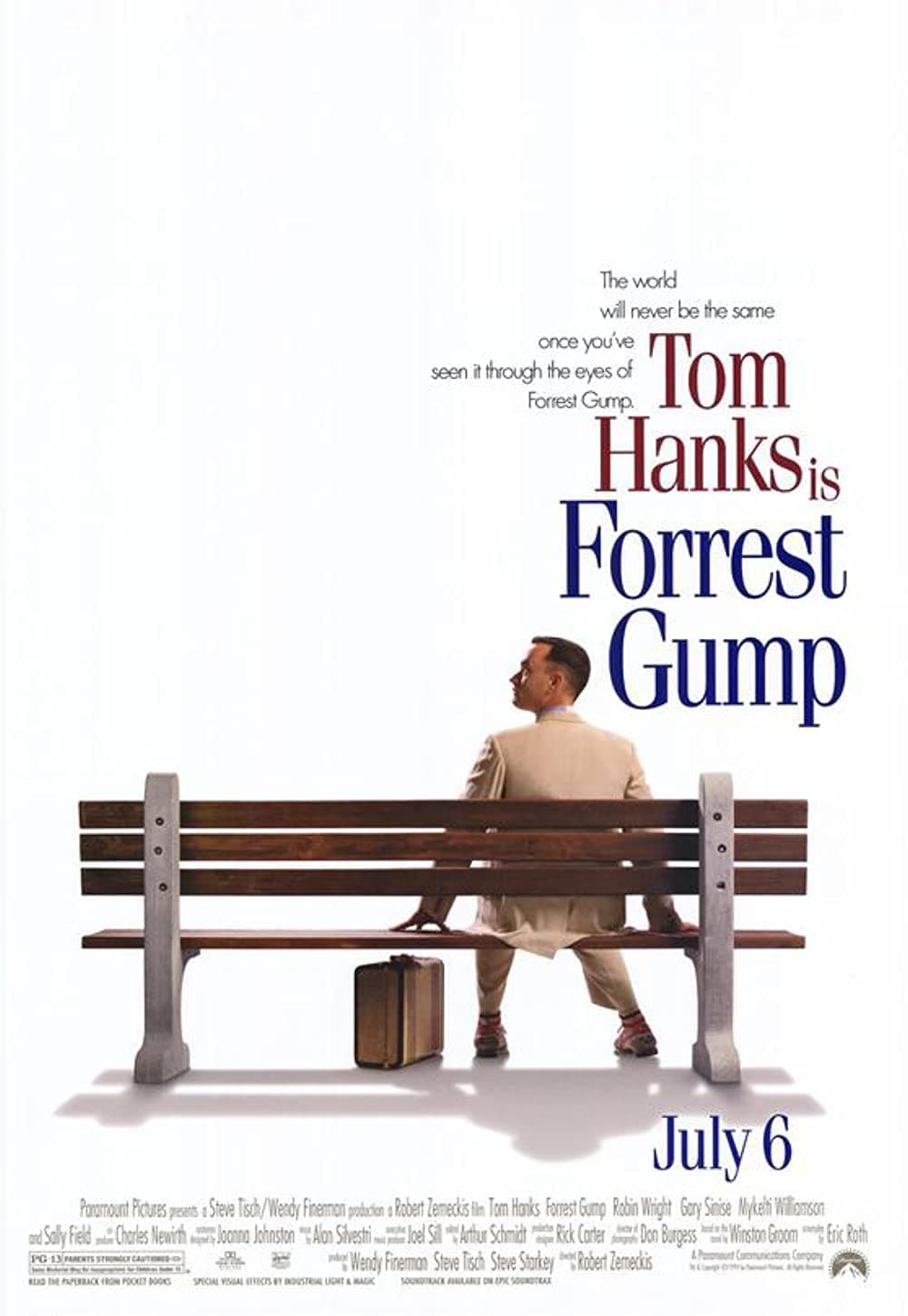
Forest Gump
A man on a bench who refuses to make history anything more complicated than a story worth telling.
1999 // VHS
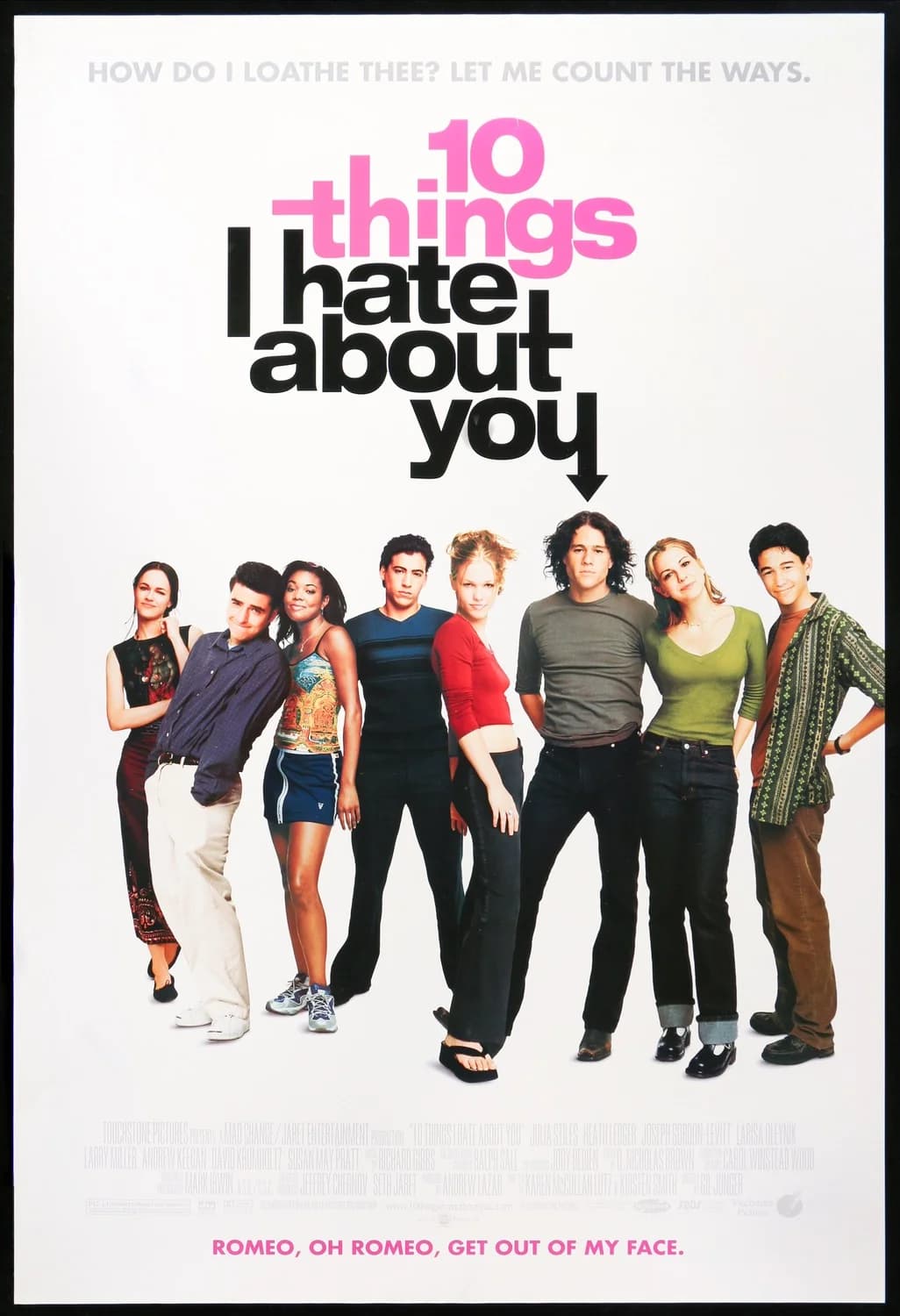
10 Things I Hate About You
Sibling rules, a rooftop serenade and one very stubborn Kat — Shakespeare in a school corridor.
1999 // VHS
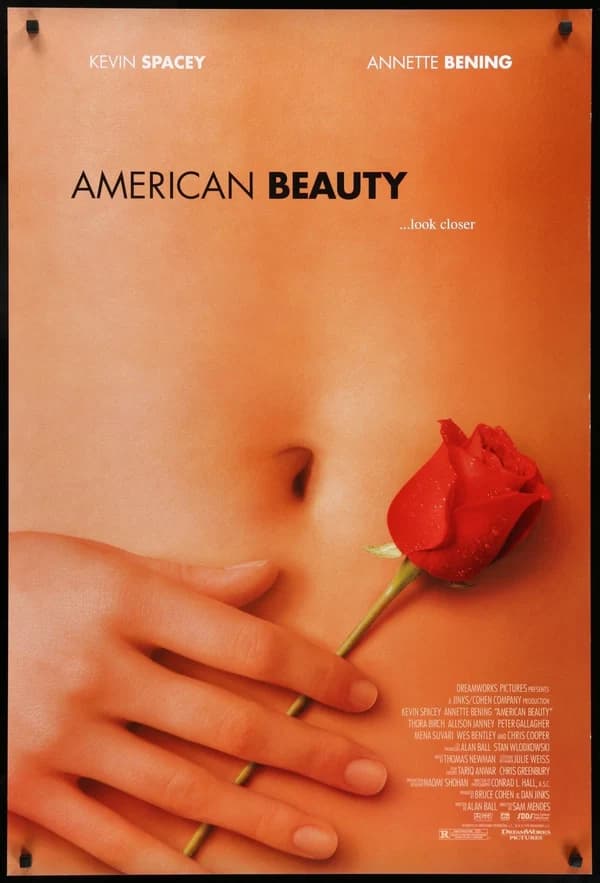
American Beauty
Lester Burnham, suburban rot and a midlife argument that still stings.