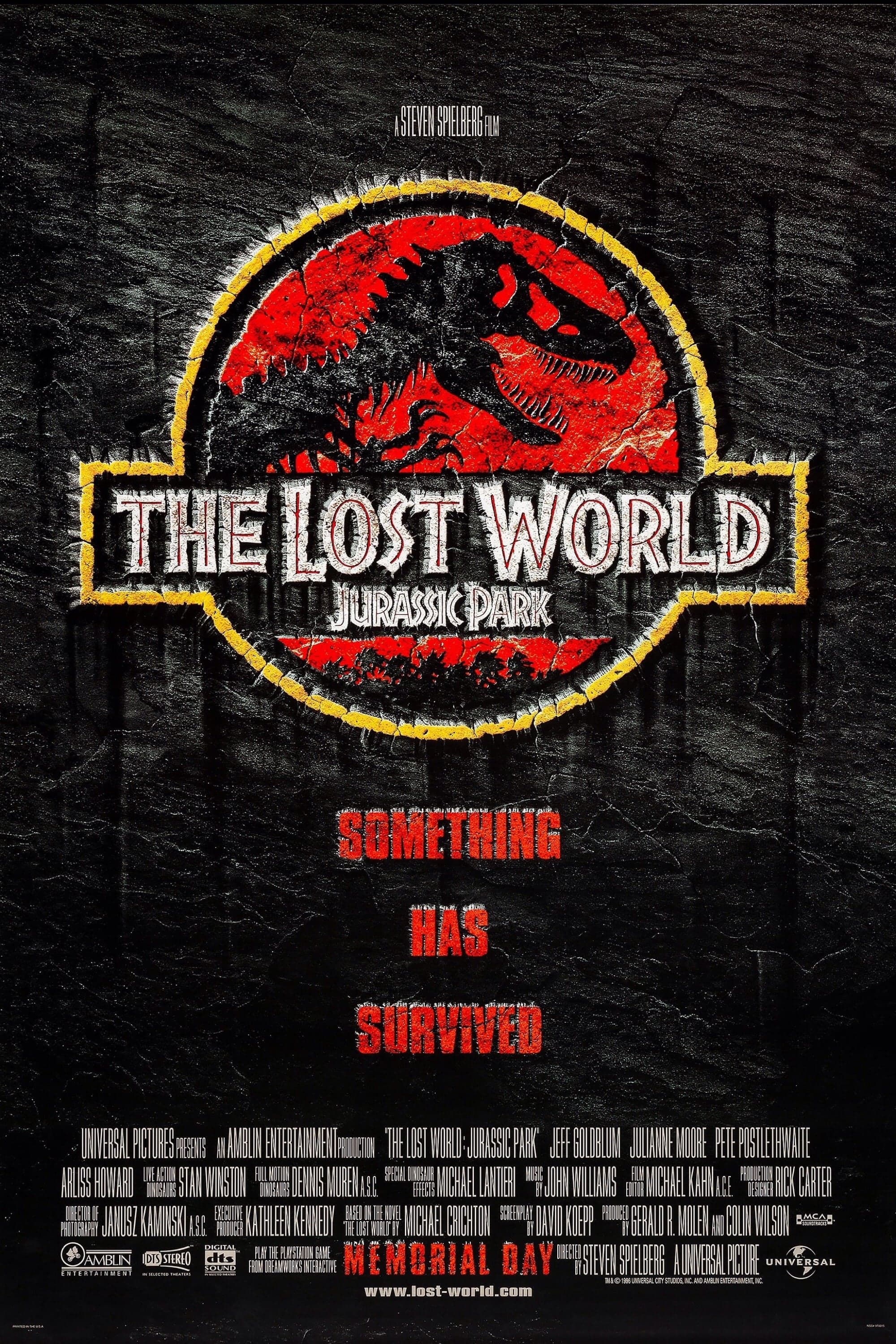
The Lost World: Jurassic Park
Chaos theory, corporate greed and one improbably chatty scientist — welcome back to Site B.
// The setup
PLAYBACK STARTED
If you remember The Lost World: Jurassic Park as the one with the T. rex on the loose in a city, you’re not wrong — but that headline stunt starts from a smaller, stranger idea: Jeff Goldblum’s Dr. Ian Malcolm being pulled back into the business of dinosaurs. Spielberg returned in 1997 to expand the world of the first film, and he does it by pitting an academic expedition against a corporation that wants to turn living creatures into products.
THE MOVIE
Dr. Ian Malcolm is still the reason this movie works
The Lost World: Jurassic Park announces itself by asking Jeff Goldblum’s Dr. Ian Malcolm to step back into the mess. John Hammond summons him to Site B — the island where InGen bred and raised dinosaurs — and it’s Malcolm’s uneasy return that gives the sequel its personality and urgency.
Hammond isn’t asking Malcolm to make headlines; he wants a proper scientific appraisal. The expedition premise — document the animals and decide whether Site B can be preserved — sets up a tidy professional mission that immediately becomes unsettled by other agendas.
That tension matters because Malcolm isn’t just another scientist in a field jacket; he’s the returning chaos-theory figure whose career and personal history (carried over from the first film) frame the choices he makes here. In short: you come for the dinosaurs, but you stay because Malcolm makes the arguments worth hearing.
THE SETUP
The idea that sets The Lost World: Jurassic Park in motion
The film pivots on a simple structural choice: rather than another story trapped inside a single theme-park, it opens up into a field expedition. Hammond asks Malcolm to lead a scientific team to Site B to catalogue the animals and recommend whether the island should be preserved as a reserve.
That expedition gives the story breathing room. It lets the movie be part natural-history study, part adventure — until outside forces arrive to make everything more dangerous.
Peter Ludlow and an InGen recovery team have a much less reverential plan. Their aim is to capture animals from Site B and ship them off for commercial purposes, which instantly converts a conservation exercise into a race against commodification.
The structure — study versus retrieval, science versus profit — also allows the film to build several action set pieces, including a deliberately added sequence that takes captured dinosaurs to the mainland and stages a rampage in an urban setting presented as San Diego.
THE CHARACTER
Why Dr. Ian Malcolm matters
Dr. Ian Malcolm is the film’s human compass. Jeff Goldblum returns to the role, and the story deliberately pulls him back into the fray by asking him to assess Site B and its inhabitants.
That setup matters because Malcolm isn’t simply an expert on chaos theory in the abstract — he carries the professional and personal fallout of the first movie with him. His credibility and complicated history with the earlier events give weight to his warnings about meddling with nature.
The movie also raises Malcolm’s stakes in a practical, sentimental way: a stowaway child credited as Kelly becomes attached to him, turning some of the intellectual debate into family-centred action and making the choices more personal.
So Malcolm functions on a few levels at once: returning sceptic, reluctant expedition leader, and temporary guardian. He’s the voice that links the ethical questions to the immediate, cinematic danger.
THE PERFORMANCE
Why Jeff Goldblum's performance matters
Contemporary coverage rarely let the marketing forget who the human centre of the sequel was: Jeff Goldblum. Press and features leaned into his unusual delivery and screen persona as a visible element of the film’s dynamics.
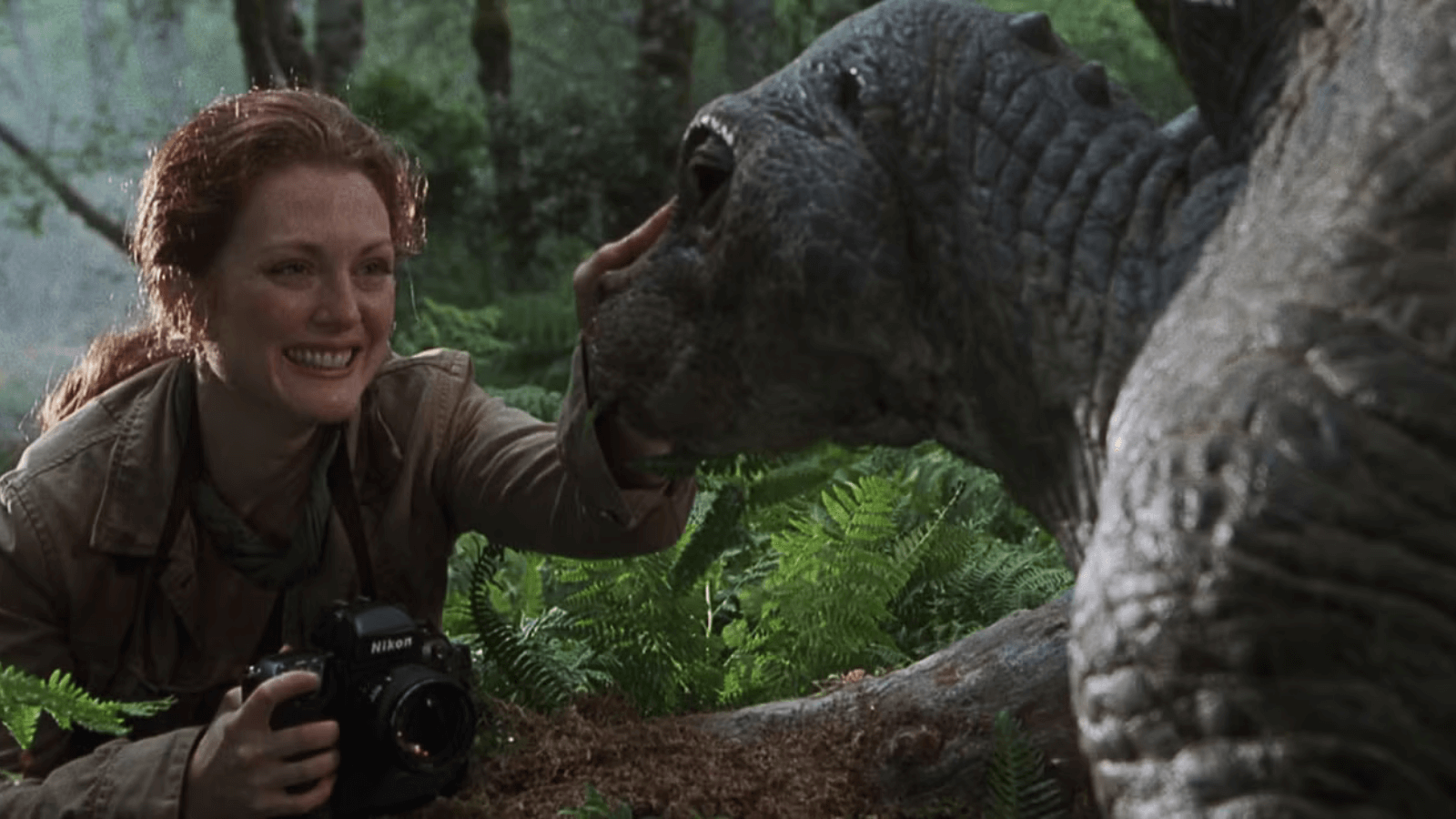
That presence matters because the movie often depends on someone who can make philosophical points feel personal and conversational, and the publicity around the film made Goldblum’s Malcolm the talking point audiences expected.
UNDER THE SURFACE
The Lost World: Jurassic Park has more on its mind than the plot suggests
At first glance the film is an action-adventure about dinosaurs. Underneath, it keeps returning to the tension between man and nature — what happens when human plans meet ecosystems that don’t care about our intentions.
It’s also a critique of corporate exploitation. The InGen team’s desire to capture and monetise animals turns scientific discovery into product, and that conflict drives much of the dramatic friction.
Chaos and unpredictability are threaded through the narrative: this isn’t a controlled exhibit gone wrong, it’s a living, reactive environment that refuses tidy solutions.
Finally, the movie slips in questions about parenting and protection. The presence of a family and the stowaway child makes some choices intimate rather than abstract, so debates about preservation become personal obligations to keep others safe.
THE FILMMAKING
How The Lost World: Jurassic Park was put together
One clear production choice gives the film its feel: it mixes on-set full-scale practical creature work with digital character animation from Industrial Light & Magic, integrating dinosaurs into moving-camera action.
That decision shapes how the movie stages its set pieces — there’s an attempt to make creatures feel physically present even when they’re blended with CGI.
It’s a pragmatic approach that reflects the era’s best attempts to get the tactile and the flexible working together rather than choosing one over the other.
PRACTICAL EFFECTS
The effects work that gives The Lost World: Jurassic Park its physical personality
Stan Winston Studio built full-scale mechanical dinosaur elements and puppets for scenes that needed real interaction between actors and creatures.
ILM supplied the film’s CGI dinosaurs and also crafted eighth-scale miniatures — including a ship and an amphitheatre/stadium — used for impact and rampage sequences.
The San Diego rampage is a good example of the hybrid approach: breakaway set pieces, pneumatics, cables and squibs were combined with CGI dinosaurs composited into night-for-night live-action photography to sell the chaos.
PURE 80S
The Lost World: Jurassic Park could not belong to any other decade
Released in 1997, the film sits squarely in the mid‑90s moment when filmmakers were trying to marry the tactile tricks of practical effects with the newly adventurous possibilities of CGI — a direct continuation of the work done on the 1993 film.
That collaborative visual-effects workflow — practical art departments working side-by-side with digital houses — is exactly what defines a certain strain of big-studio filmmaking from the decade.
So the movie’s production choices are of their time: not sentimental 90s pastiche, but the phase where technique was changing fast and filmmakers were forcing new tools into service of blockbuster spectacle.
WATCHING IT NOW
What has aged — and what hasn't
Some of the film’s strengths survive a rewatch. The vacationing family and the stowaway child thread through the action in a way that keeps part of the story anchored to familiar human concerns, which helps when the spectacle gets overwhelming.
Critics at the time pointed out a similar split: the visual effects and set pieces drew praise, while character development and narrative cohesion received more mixed notices.
Put bluntly: the movie still delivers as spectacle, and it still struggles in places where it has to juggle too many storylines at once.
If you come back expecting a tight, single-minded narrative, you’ll notice the seams. If you come back for the rushes and the confrontations between preservation and profit, there’s plenty that holds up.
THE LEGACY
Why The Lost World: Jurassic Park still matters
As the second installment of the original Jurassic Park trilogy, the film maintained the franchise’s profile during the 1990s and remained a high-profile summer picture in franchise histories.
One reason it continues to be talked about is the way it explicitly imagines dinosaurs leaving their islands and entering populated areas — that idea of creatures displaced into human spaces resurfaces in later franchise discussions and sequels.
So even where the film’s plotting felt scattershot to some viewers, certain sequences and concepts became durable parts of the franchise vocabulary.
THE VERDICT
Does The Lost World: Jurassic Park still hold up?
Yes — with reservations. If you came for a lean, single-arc thriller you might be frustrated: the film deliberately uses the collision of a scientific expedition and a corporate retrieval mission to produce multiple set pieces rather than a single tense survival story.
That structural choice means the film sometimes feels spread thin, especially when it has to juggle Malcolm’s ethical concerns, Ludlow’s commercialization plot and a separate thread about a vacationing family and a stowaway child that raises personal stakes.
But if you’re watching for ambitious spectacle — the idea of captured dinosaurs being shipped to the mainland and a T. rex rampaging in an urban environment — the movie still delivers those big, bold moments, helped by its mixture of practical dinosaur work and CGI integration.
So give it a watch when you want dinosaur spectacle with sharper ideas embedded in the chaos. If you want a tighter, character-driven drama, this isn’t the one — but if you enjoy a blockbuster that occasionally gets distracted by its own ambitions, The Lost World holds plenty of entertainment.
Share this movie
// Keep watching
More movies from the 90s
If The Lost World: Jurassic Park is your kind of movie, there's plenty more on the shelves worth rewinding.
1999 // VHS
10 Things I Hate About You
Sibling rules, a rooftop serenade and one very stubborn Kat — Shakespeare in a school corridor.
1999 // VHS
American Beauty
Lester Burnham, suburban rot and a midlife argument that still stings.
1999 // VHS
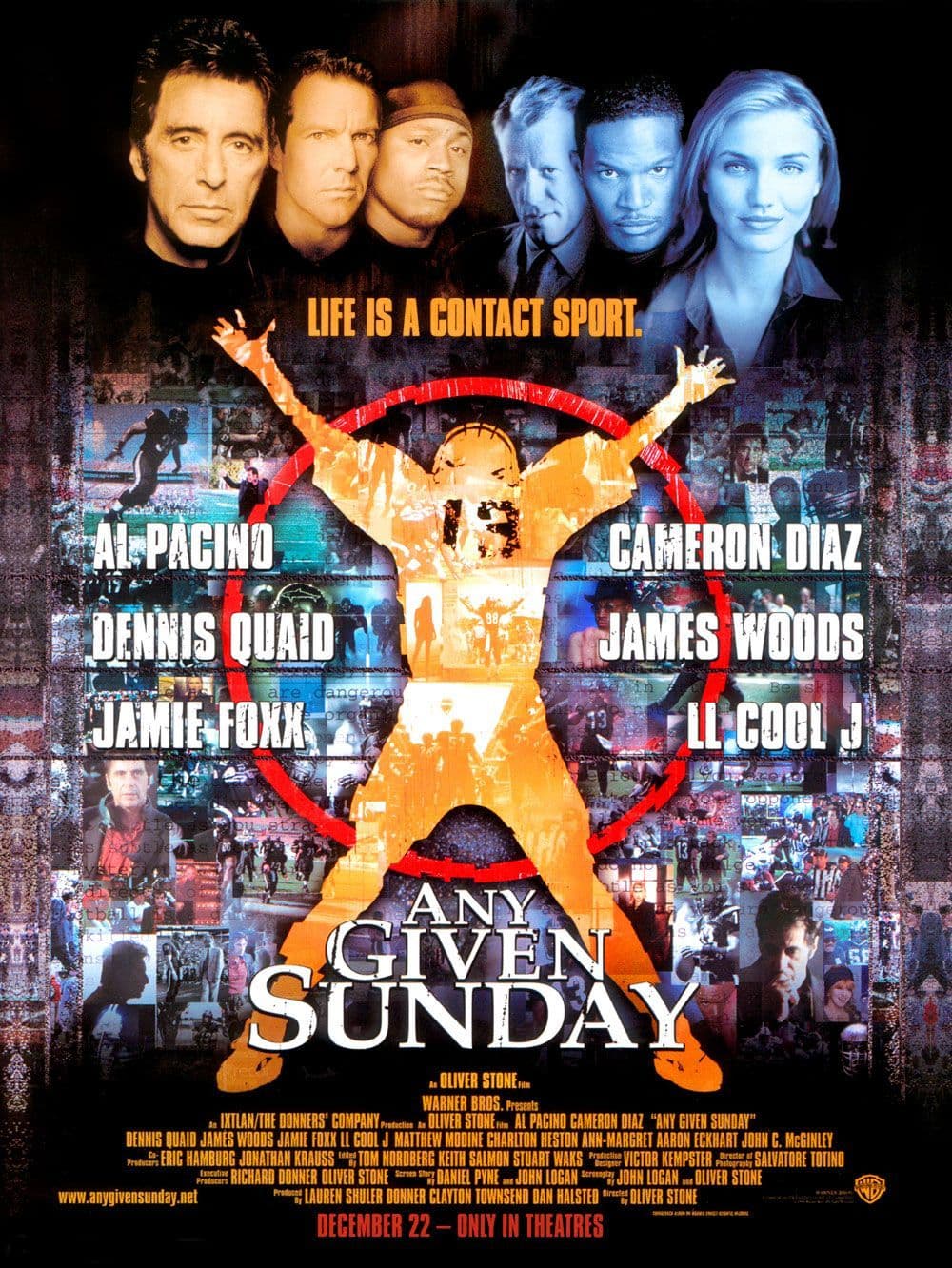
Any Given Sunday
Al Pacino's coach anchors the chaos of a film about football turned into product — loud, messy and oddly persuasive.