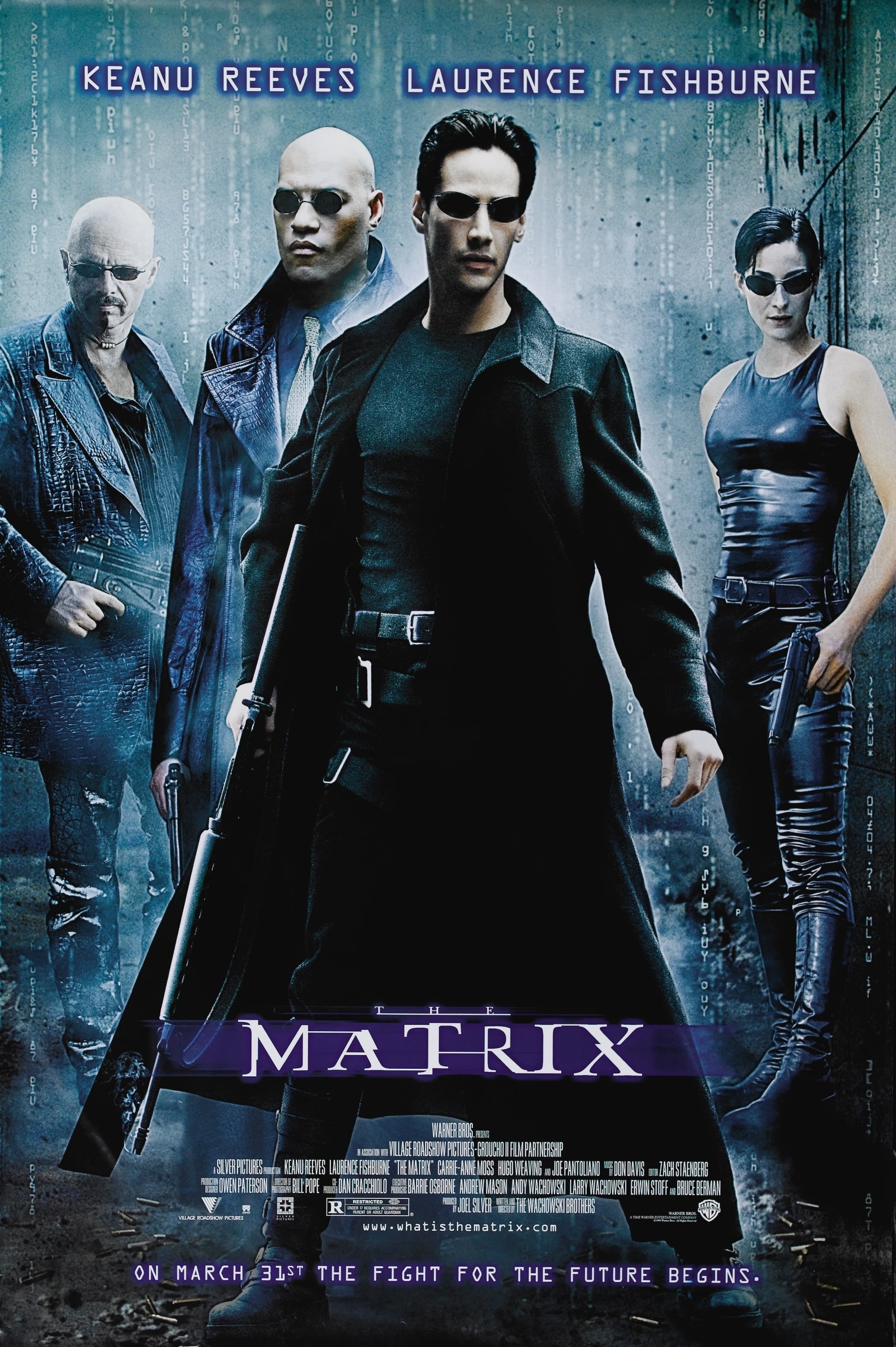
The Matrix
Red pill, green code, one bloke trying to find himself — and a film that still asks the big questions in blockbuster clothes.
// The setup
PLAYBACK STARTED
You don't have to remember every stunt or special effect to recognise The Matrix. It centres on a single, very simple hook: a man named Thomas Anderson, known online as Neo, is offered a choice that throws him out of the everyday world and into a hidden reality. Lana Wachowski and Lilly Wachowski built an action movie around that moment of waking up — and it still rewrites how we think about freedom, identity and spectacle.
THE MOVIE
Neo (Thomas Anderson) is still the reason this movie works
People keep talking about The Matrix because almost every major choice in the film points back to one person: Neo — a.k.a. Thomas Anderson. The movie hands him a guttingly obvious dramatic job and then watches what happens when an ordinary-sounding computer programmer is offered a genuinely extraordinary choice.
That moment — the red pill or the blue pill — is not just a stunt. It's the hinge that spins the whole plot: Neo is contacted by underground operatives and, by choosing to leave the everyday illusion, is physically awakened and taken aboard the rebel ship Nebuchadnezzar.
Around that decision the Wachowskis rig a thriller that mixes ideas about simulated reality and perception with proper action-movie mechanics. Keanu Reeves occupies the centre of it all, and the film builds both spectacle and argument outwards from his slow, stubborn voyage into self-discovery.
THE SETUP
The idea that sets The Matrix in motion
At its simplest the film pits a band of humans who have been freed from a simulated world against the sentient Agent programs that police that illusion. It's a tidy, high-stakes conflict: the humans want to wake people up; the Agents want the system to keep running.
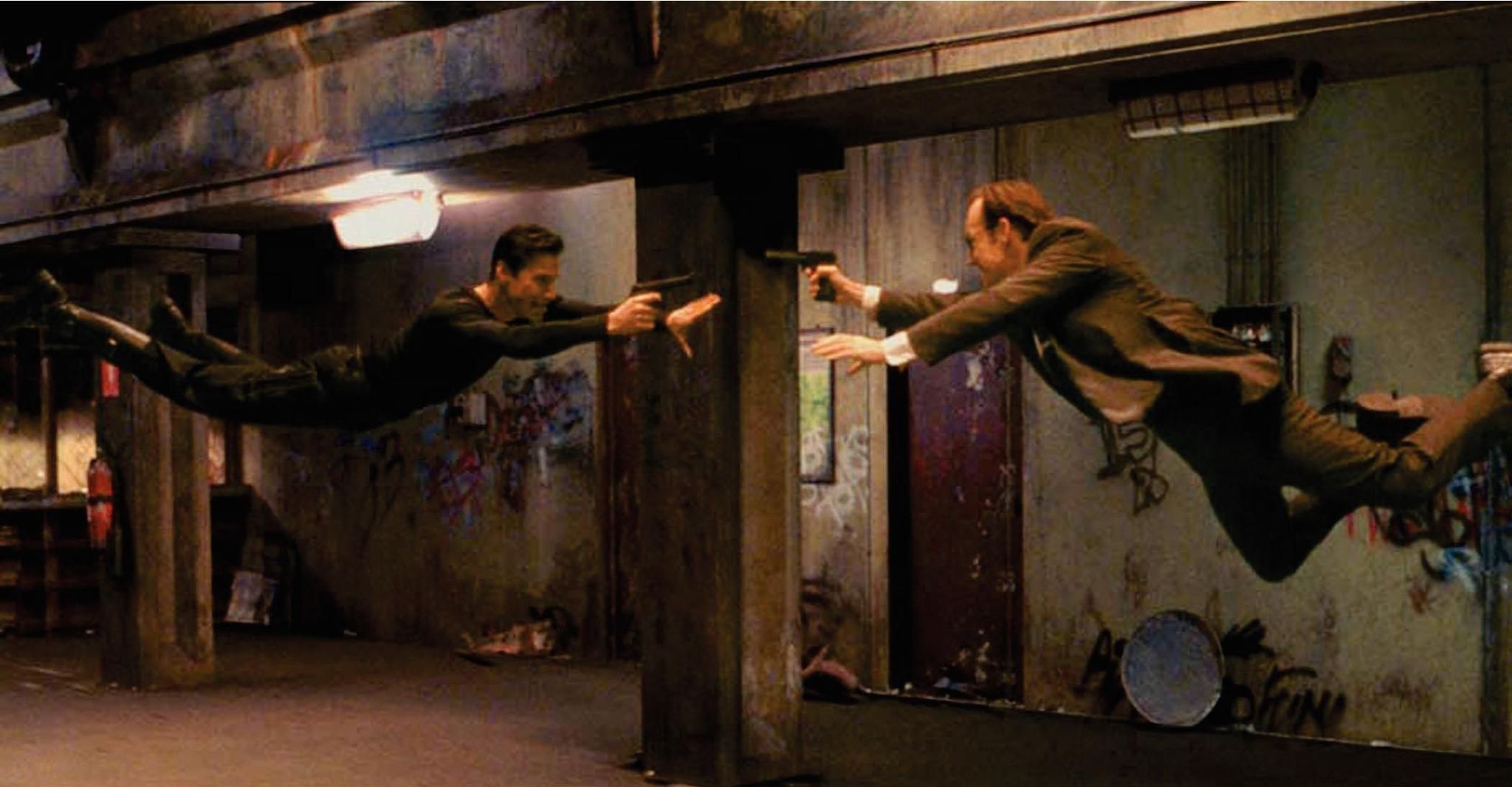
The movie stages that conflict through a handful of repeatable mechanics. Characters 'jack' into the Matrix to run training sequences, to rescue allies, and to test the limits of what a human can do inside the constructed reality. Those set pieces let the story escalate without trying to resolve the entire machine/human war in one film.
And threaded through the action is the prophecy question: is Neo the prophesied 'One' who can change everything? The film doesn't treat that as a throwaway line; it makes the doubt part of the dramatic engine.
If you like clearly signposted stakes, The Matrix gives you them — while also using preproduction storyboards to make sure even the ambitious sequences are thought through shot by shot.
THE CHARACTER
Why Neo (Thomas Anderson) matters
Neo matters because he's the movie's doorway. The cast list gives us Thomas Anderson as an ostensibly ordinary programmer, and the film's themes lean into that anonymity: identity, self-discovery and the possibility that a single person can change course.
Keanu Reeves is the actor listed in the role, but what the script needs from Neo is straightforward: a character whose choices — most importantly the decision to leave the simulated world — make everything else possible.
Neo's relationship with Trinity is part of the point. Trinity is set up as a veteran operative whose skill and loyalty are both practical and emotional, and that partnership helps anchor Neo's development without turning him into a blank slate.
Behind all of it are the Wachowskis, who wrote and directed the film; their plotting keeps the story moving from intimate questions about the self to full-scale confrontations with the Matrix.
THE PERFORMANCE
Why Laurence Fishburne's performance matters
Contemporary reviews singled out Laurence Fishburne's Morpheus alongside other performances when the film first arrived.
That attention matters because Morpheus is the recruiting force in the story: a mentor and ideological leader convinced Neo may be the One. When critics focussed on the role, they were recognising how central that voice is to the film's proposition.
Put simply: the way Morpheus is positioned — as the man who offers knowledge and a test of belief — is key to the film's dramatic transactions, and contemporary coverage treated that as notable.
UNDER THE SURFACE
The Matrix has more on its mind than the plot suggests
On the surface it's an action-thriller with a clear good-vs-bad axis. Underneath it tracks a handful of big ideas: simulated reality and the nature of perception; whether our choices are genuinely free or simply the outcome of a larger system.
Technology functions here as a mechanism of control — human life commodified and policed by code — which is why the story's ethics feel urgent even when the movie is at full-tilt spectacle.
Identity and self-discovery are threaded through every personal beat. The film repeatedly asks what it means to know yourself in a world designed to conceal the truth.
And there is a quietly mythic spine to the narrative: the film borrows messianic and mythic patterns to frame Neo's potential transformation, which gives the blockbuster a slightly religious cadence without ever becoming literal about it.
THE FILMMAKING
How The Matrix was put together
The Matrix was largely shot in Sydney, using Fox Studios and local locations, with Bill Pope credited as director of photography and Zach Staenberg as editor. That combination gave the Wachowskis a reliable production base for marrying set pieces to moodier, noir-ish sequences.
A lot of the film's distinct identity comes from its effects workflow. The visual-effects teams developed camera-array and image-based techniques that made the movie's most famous sequences possible.
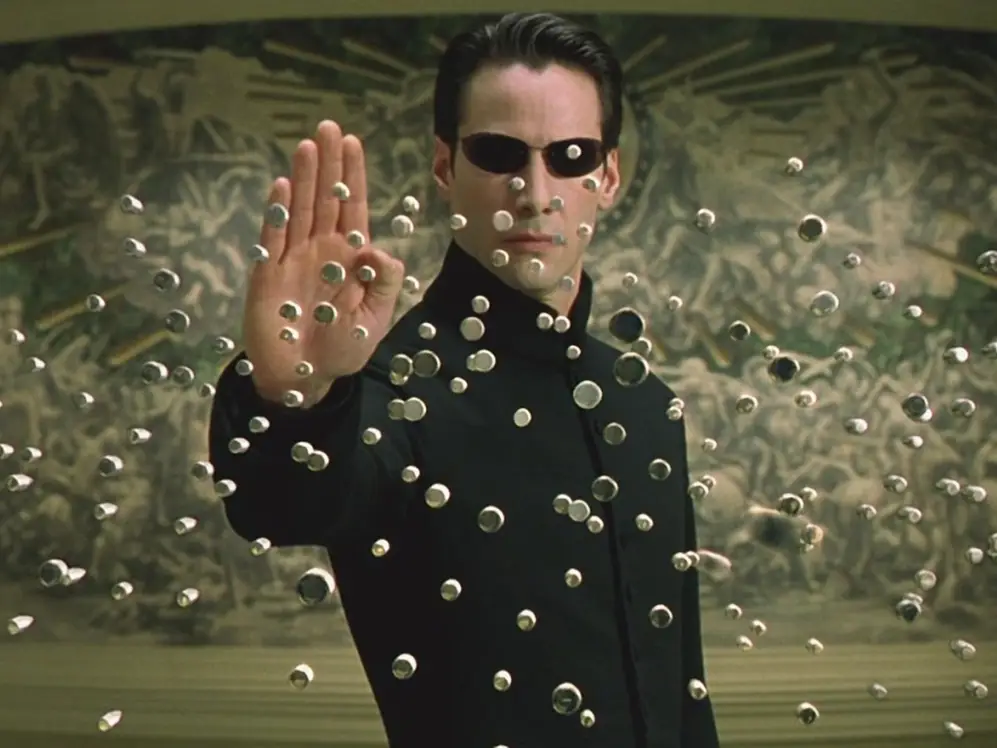
The thing that everyone remembers — the so-called 'bullet time' moments — was the product of combining multiple cameras into a time-slice system and then compositing those images digitally. It wasn't a single trick so much as a new production approach that let the idea be filmed rather than simulated afterward.
In short: the film looks and moves the way it does because the production planned for ambitious, hybrid effects from the start and built practical shooting processes to make them believable.
PRACTICAL EFFECTS
The effects work that gives The Matrix its physical personality
Not everything was digital. Some large-impact moments used physical miniatures and staged practical explosions — the production even built a quarter-scale helicopter mock-up that collided with wired glass to generate an exploding-glass wave.
Creature and machine elements that appear in the 'real world' were handled by specialist practical-effects houses and then integrated into the finished frames via digital compositing. The result is a tactile mix of hands-on work and post-production polish.
And the Hong Kong–style fight choreography was achieved mainly with wire-work and stage rigging, so the stunts feel like tangible performances rather than purely computer-made moves.
Those practical choices give the film a physicality that complements the more obviously technological effects.
PURE 80S
The Matrix could not belong to any other decade
The Matrix arrived at the end of the 1990s and wears that timing on its sleeve. It draws explicitly on cyberpunk, anime and Hong Kong action influences that were circulating in genre filmmaking at the time.
That mixture — Japanese animation sensibilities, noir-ish attitude and highly choreographed martial arts — felt like a late-90s distillation of global genre tastes.
Shooting much of the picture in Australia also reflects a late-1990s production habit: assembling effects-driven American films in international studios to help manage budgets while still delivering spectacle.
Put together, those elements make The Matrix feel like a product of its moment while also pushing that moment into something new.
WATCHING IT NOW
What has aged — and what hasn't
One small but telling detail when you revisit the film is how its authorship is recorded. The Wachowskis were originally credited in the way contemporary records noted at the time; modern records now list Lana Wachowski and Lilly Wachowski as the writers and directors.
That update is a reminder that films live in changing contexts: the credits and institutional records around a movie can shift even when the picture itself doesn't.
On a more trivial note: different reference sources sometimes list the running time as 136 minutes and occasionally 137. It's not a dramatic difference, but it shows how editions and cataloguing can vary.
Those are modest, administrative changes — they don't alter the film's central ideas or the way its set pieces function for a modern viewer.
THE LEGACY
Why The Matrix still matters
The Matrix's afterlife is partly practical: it launched a multimedia franchise with direct sequels, an animation anthology and video games that expanded its world beyond a single film.
More importantly for film history, the movie's visual technique — particularly the high-profile 'bullet time' approach — and its hybrid practical/digital workflow were widely imitated and are regularly discussed in histories of late-20th and early-21st-century cinematic effects.
Institutions and retrospectives continue to programme the film as a milestone of 1990s science fiction and action filmmaking, which keeps it in active circulation for critics, programmers and curious audiences.
That combination — commercial follow-ups, visible technical influence, and ongoing festival and institutional attention — is why the film remains a reference point when people talk about genre cinema from that period.
THE VERDICT
Does The Matrix still hold up?
Yes. The Matrix still works because its core is straightforward and sturdy: a character named Thomas Anderson is given a choice that pulls him out of the simulated world and sets up a human-versus-program conflict that can sustain spectacle and ideas.
The film stages that conflict with clear mechanics — jacking into the Matrix for training and rescues, the recurring question of whether Neo is 'the One' — and it uses set pieces to raise the stakes without trying to finish the entire machine/human war in a single film.
Keanu Reeves's Neo sits at the centre of those mechanics, with Morpheus acting as the recruiter-mentor who drives the ideological argument and Trinity providing the practical and emotional support necessary to push Neo forward. Contemporary coverage also singled out performances such as Laurence Fishburne's and Carrie-Anne Moss's work when the film first appeared.
Finally, the movie's production choices — from shooting in Sydney to the camera-array techniques that produced bullet time — mean it still offers genuine moments of cinematic astonishment. So if you care about action that wants to think and ideas that want to be felt as spectacle, The Matrix is still worth watching.
Share this movie
// Keep watching
More movies from the 90s
If The Matrix is your kind of movie, there's plenty more on the shelves worth rewinding.
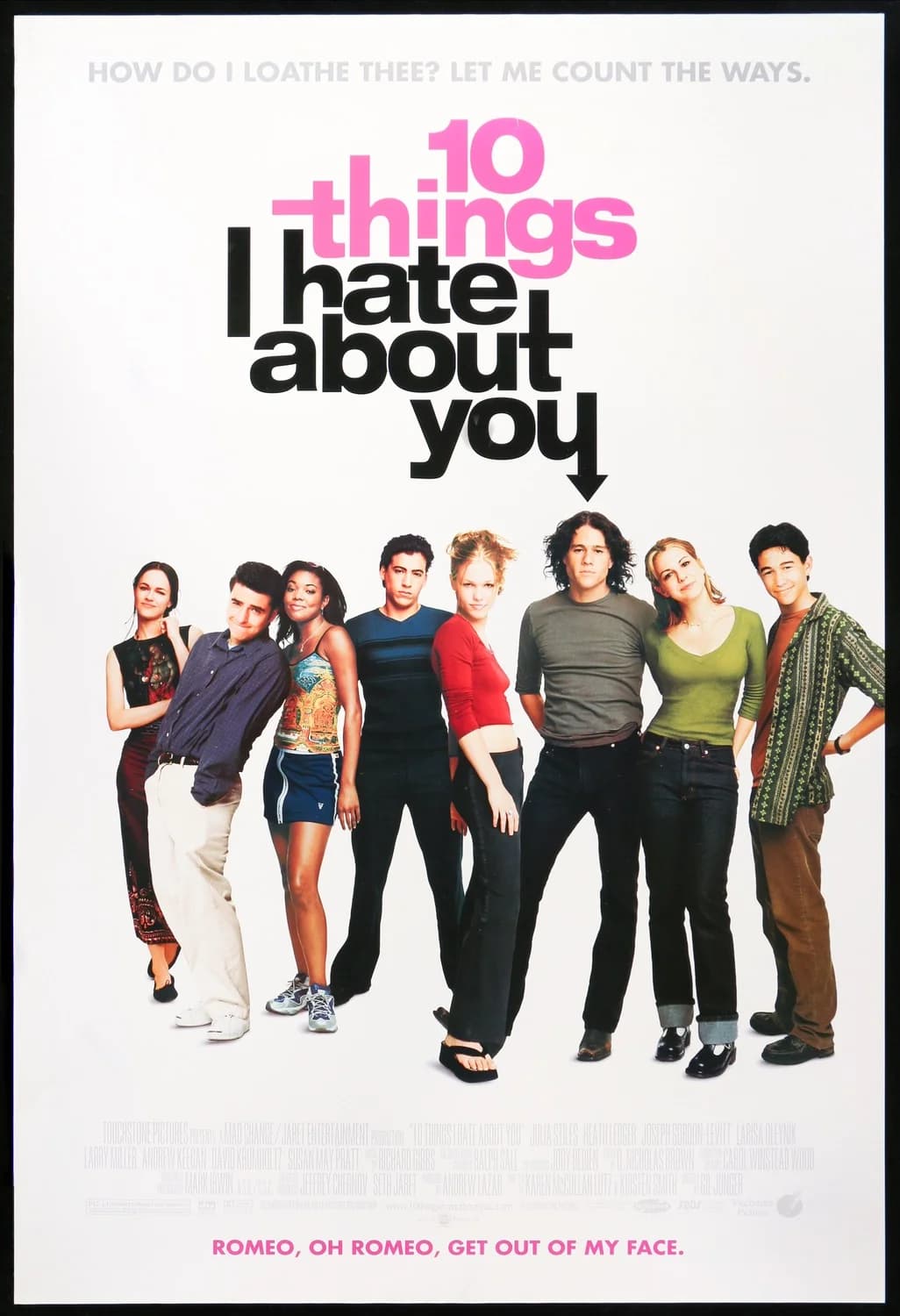
1999 // VHS
10 Things I Hate About You
Sibling rules, a rooftop serenade and one very stubborn Kat — Shakespeare in a school corridor.

1999 // VHS
American Beauty
Lester Burnham, suburban rot and a midlife argument that still stings.
1999 // VHS
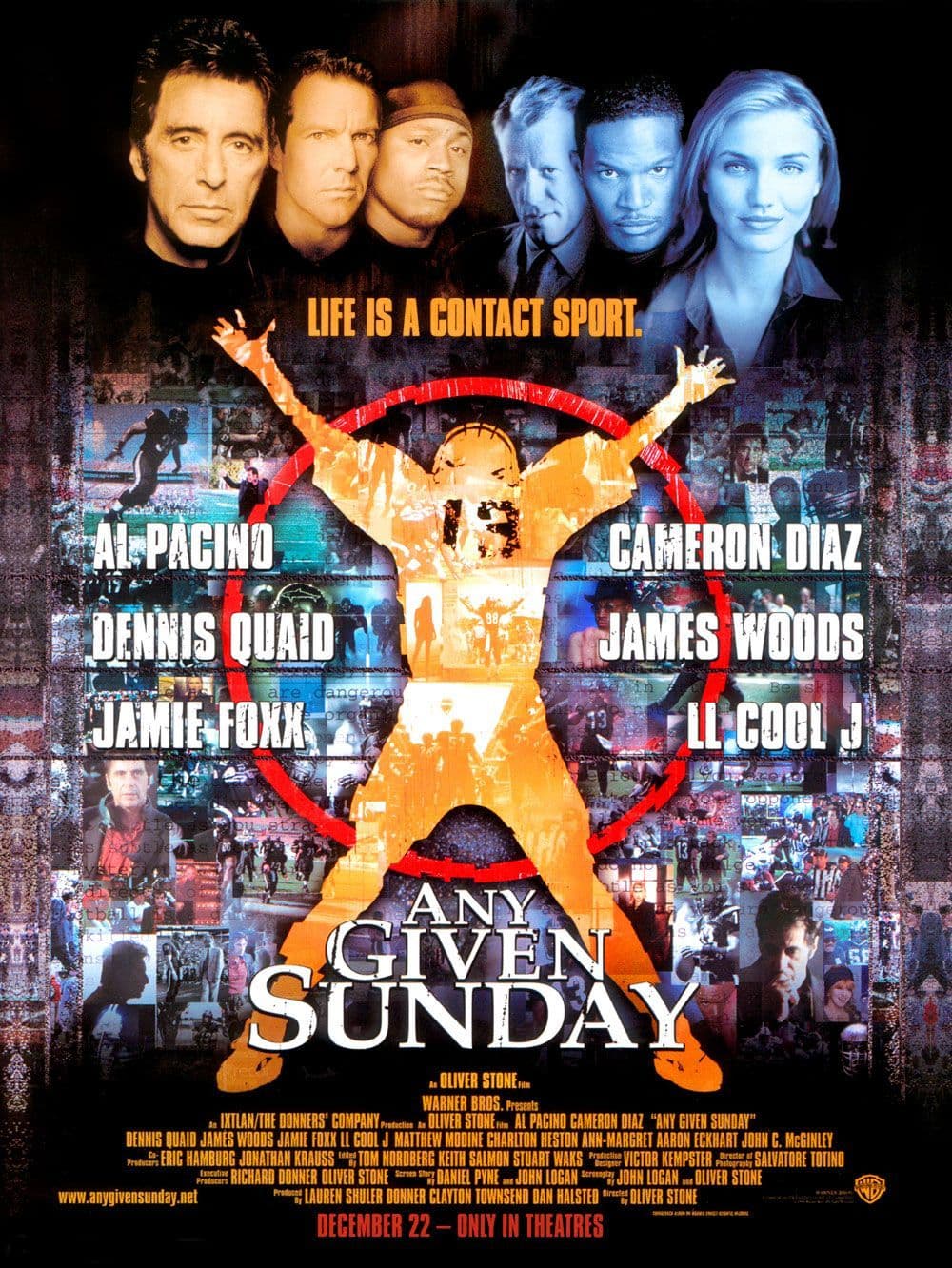
Any Given Sunday
Al Pacino's coach anchors the chaos of a film about football turned into product — loud, messy and oddly persuasive.