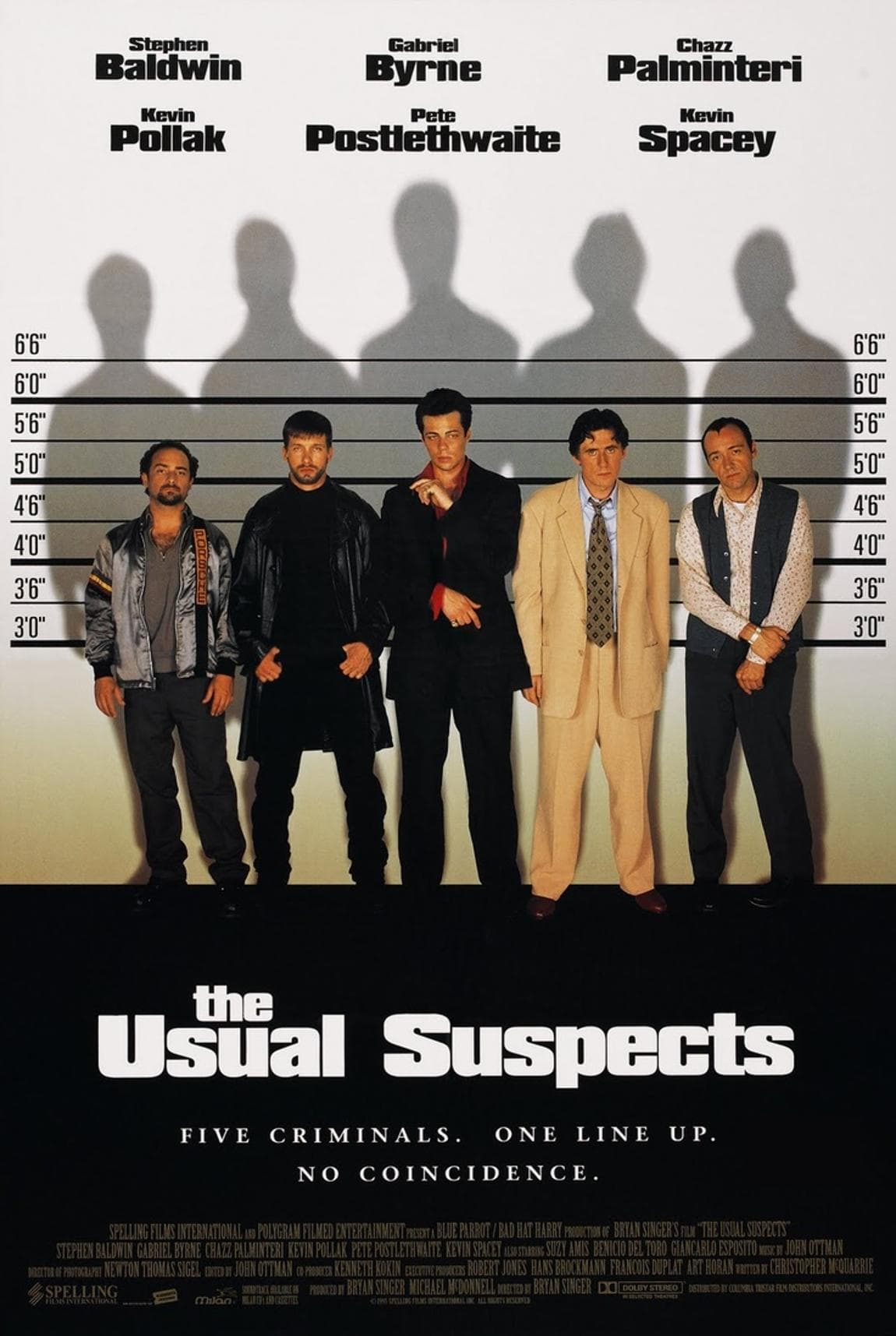
The Usual Suspects
A lie told well turns into a legend.
// The setup
PLAYBACK STARTED
You remember the voice: small, almost apologetic, telling a long story while someone scribbles notes across the table. The Usual Suspects hooks you with an interrogation and then spends most of its runtime letting that single narrator reshape everything you think you've seen. It's a neat trick — and Roger 'Verbal' Kint is the reason it pulls it off.
THE MOVIE
Roger 'Verbal' Kint / Keyser Söze is still the reason this movie works
Think of The Usual Suspects as a film that asks you to trust a story while it shows you, again and again, why trusting stories is dangerous. It begins in an interrogation room: a burned ship has been found in San Pedro Bay with 27 bodies and two survivors, and one of those survivors — Roger 'Verbal' Kint — is the man talking.
What follows is mostly Verbal's flashback: an extended, shape-shifting recollection of how five petty criminals came together, pulled off jobs and then got tangled with a shadowy force called Keyser Söze. The film's plot lives inside that narration, which means every scene you watch is also a piece of someone’s testimony.
That arrangement is clever because the movie isn't just a heist or a neo‑noir crime drama directed by Bryan Singer; it's an argument about storytelling itself. Verbal is presented as a small‑time con man whose words shape what the audience sees, and the film leans into the slipperiness of memory and the pleasures of being deceived.
THE SETUP
The idea that sets The Usual Suspects in motion
At its cleanest, the film is built around one tidy mechanic: an on‑the‑record interrogation that the rest of the picture repeatedly undermines. That frame gives the story a surface logic — paperwork, names, motives — while letting the audience live inside a storyteller's version of events.
The narrative traces how five criminals meet during a lineup, form a temporary crew and then find themselves working for a mysterious figure whose existence is more whispered legend than confirmed fact. The film keeps the group's actions readable by tying them to this single, terrifying idea.
Keyser Söze isn't just a boss or a kingpin; he functions as an urban myth whose reputation is itself a weapon. Other characters act out of fear of what Söze might do, and the plot often looks less like a set of crimes and more like people responding to a story they've heard.
That mix — a procedural frame plus a story that depends on an invented terror — is why the setup works. It gives the film a clear engine: follow Verbal's memory, but remember that memory has reasons to lie.
THE CHARACTER
Why Roger 'Verbal' Kint / Keyser Söze matters
Roger 'Verbal' Kint is the film's hinge. He is introduced as a small‑time con man and the man under the lamp, quietly explaining how a mess of coincidences and crimes added up to the disaster the cops are trying to understand.
Because the whole film is filtered through his account, Kint effectively writes the version of events the audience sees. That means his personality — reticent, anecdotal, apparently harmless — becomes a storytelling device. The character matters less as a type and more as the person whose choices about what to say change the film's reality.
And then there's Keyser Söze: the name functions as myth in the story, a half-legend that reshapes behaviour. Kint and Söze are linked not only by plot but by the idea that identity can be manufactured and deployed as power.
So what makes the role memorable isn't any single moment on screen but the way the character controls information. In a movie that privileges narrative over brute force, Kint is the engine that makes the deception run.
THE PERFORMANCE
Why Kevin Spacey's performance matters
We should start with a fact: Kevin Spacey won the Academy Award for Best Supporting Actor for this film. That tells you the industry noticed the role, and it marks the performance as a central piece of the movie's impact.
In practical terms, the award clarifies why the casting matters: this is a part that requires the audience to accept a narrator as believable even as the story itself invites suspicion. Recognition at that level suggests the performance managed that difficult balance for many viewers.
Beyond the trophy, the existence of the award is useful because it anchors the film's gamble — a picture that hands over so much narrative power to one man isn’t a risk unless the central presence can hold an audience's attention.
So whether you're watching again to admire a craft or to revisit the story's mechanics, the Oscar is a reason to pay attention to how the role functions within the wider trick the film is playing.
UNDER THE SURFACE
The Usual Suspects has more on its mind than the plot suggests
On one level the film is a mystery-thriller about crime. On another it is a meditation on unreliable narration: the story constantly asks whether memory is honest or simply useful fiction.
Identity and myth‑making are threaded through the action. Keyser Söze operates less like a person and more like an idea that people can wield — a reputation that does violence before any proof appears.
Deception and manipulation aren't only tools for criminals here; they're narrative techniques. The film is constructed so that storytelling itself becomes the weapon: by shaping a version of events, a narrator changes how other characters behave.
Finally, there's the notion of power through reputation. The movie demonstrates how a whispered legend can exert more control than brute force, because fear rooted in belief changes decisions before any violence occurs.
PURE 80S
The Usual Suspects could not belong to any other decade
The Usual Suspects sits neatly in the mid‑90s indie thriller moment: it was made on a modest independent budget and premiered at Sundance in January 1995 before opening in theatres that August. That festival‑to‑release path was a common route for the era's smaller, sharper genre pictures.
Its twist‑driven construction and neo‑noir sensibility also speak to a wider 1990s appetite for fractured, self‑reflexive crime stories. The era liked puzzles that asked audiences to be active participants, and this film delivers that engagement.
Because it comes from that indie-thriller stream, the movie feels like a product of its moment — the kind of modestly budgeted, idea-first picture that cinema in 1995 could still foster.
Which is to say: it’s of its time in the productive, not merely decorative, sense. The film uses the decade's appetite for narrative games to sharpen its central conceit rather than to dress it up.
THE LEGACY
Why The Usual Suspects still matters
There are two straightforward reasons the film hasn't been forgotten: major industry recognition and a screenplay that continues to be read as a strong example of structure. Christopher McQuarrie won the Academy Award for Best Original Screenplay and Kevin Spacey won Best Supporting Actor.
The screenplay's standing is reflected in lists and institutional acknowledgements: the Writers Guild of America placed the script among its notable screenplays, which keeps the movie in conversations about craft.
Institutions that catalogue American cinema have also kept the picture visible; it appears on AFI lists for mystery films and regularly turns up in critical discussions of 1990s neo‑noir and twist‑ending pictures.
All of that means the movie continues to be a reference point when people discuss how to build a narrative that rewards — or punishes — an audience for trusting what it is told.
THE VERDICT
Does The Usual Suspects still hold up?
Yes — but with a caveat. If you come for a neat mystery solved by a final flourish, the movie delivers: its frame‑narrative is explicit about being an interrogation, and much of the runtime is Verbal's flashback, so the structure is built to surprise.
Where it continues to feel smart is in how it uses that surprise. The film repeatedly undercuts the idea that an on‑the‑record statement is the same as the truth, and it builds toward a revelation that forces you to rethink the earlier flashbacks and what you accepted as fact.
Roger 'Verbal' Kint is central to whether the trick works for you. The film asks you to accept his storytelling because the whole plot rides on that willingness, and the fact the performance received an Academy Award underscores how pivotal that element is.
So watch it if you enjoy being manipulated intelligently — if you like movies that depend on a narrator shaping reality and then ask you to live with that shape once the curtain falls. The Usual Suspects still works because it makes the act of storytelling feel dangerous and, for a little while, enthralling.
Share this movie
// Keep watching
More movies from the 90s
If The Usual Suspects is your kind of movie, there's plenty more on the shelves worth rewinding.
1995 // VHS
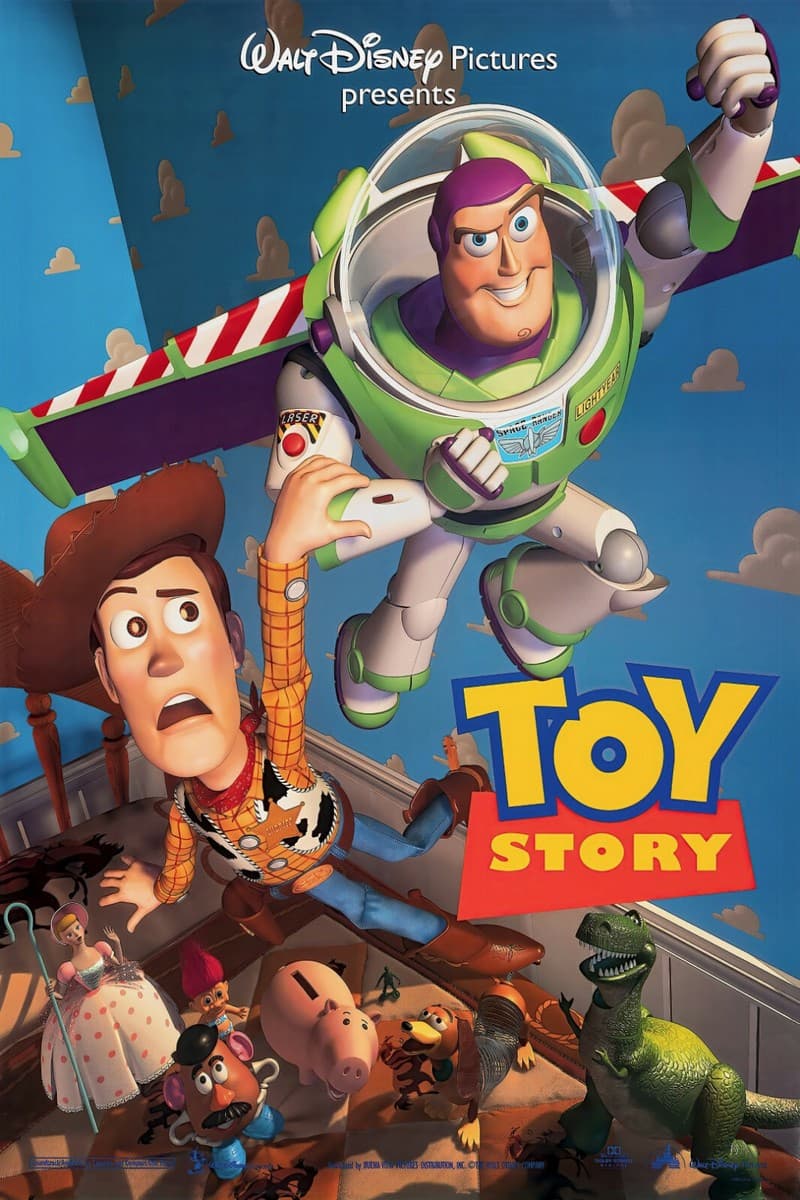
Toy Story
A pull‑string cowboy, a deluded space ranger and a small, very particular war over being loved.
1999 // VHS
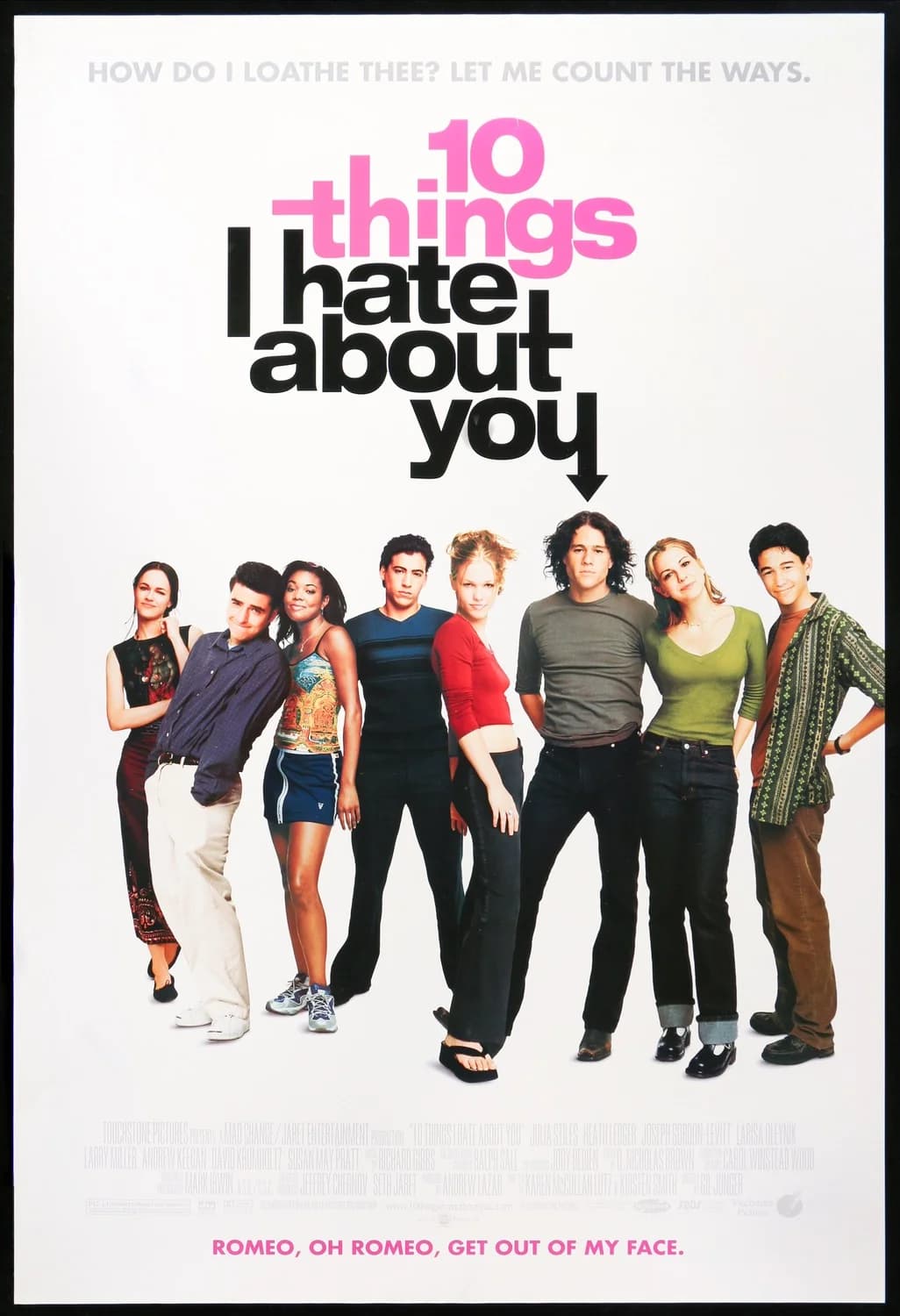
10 Things I Hate About You
Sibling rules, a rooftop serenade and one very stubborn Kat — Shakespeare in a school corridor.
1999 // VHS
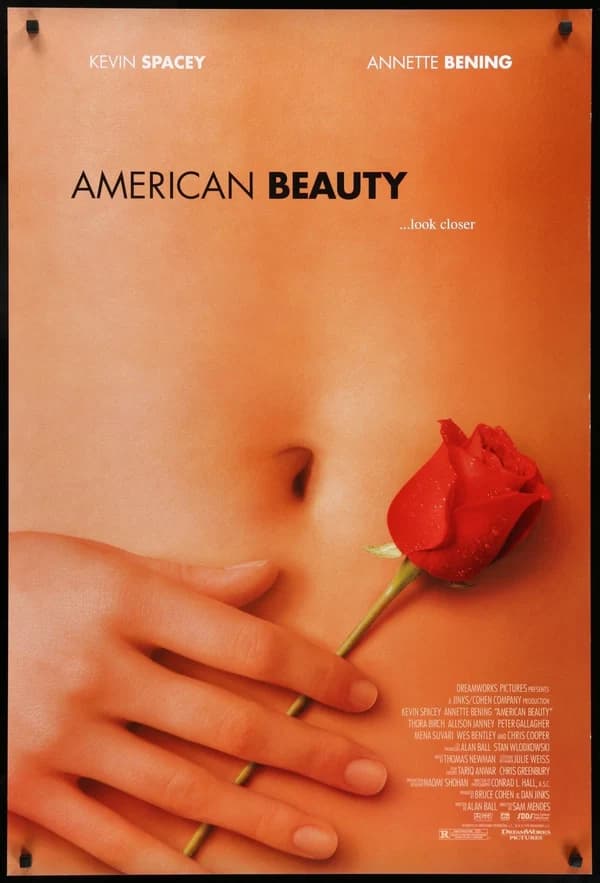
American Beauty
Lester Burnham, suburban rot and a midlife argument that still stings.