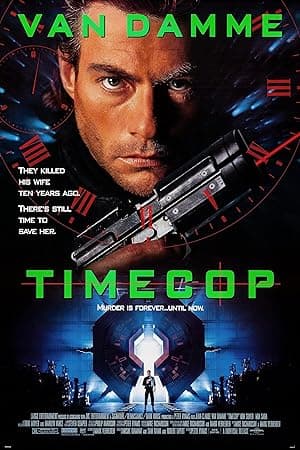
Timecop
A grieving cop, a misused time machine and the kind of moral choices you can't rewind.
// The setup
PLAYBACK STARTED
Timecop is the sort of 90s action film that tells you who it is from the first punch. It centres on Max Walker, a TEC agent whose wife's death turns policing time travel into something personal. Peter Hyams directs a lean, 98-minute thriller that pairs a straight-up action engine with a surprisingly serious question about power and technology.
THE MOVIE
Max Walker is still the reason this movie works
People still talk about Timecop because it keeps the human bit front and centre. The whole set-up revolves around Max Walker — a police officer turned agent for the Time Enforcement Commission — and everything the movie does serves that motor.
This is not an effects-demo with a hero attached. Walker's story starts with an early, violent attack that kills his wife, Melissa. That loss isn't decoration: it drills a hole straight through the plot and gives his work at the TEC a personal, often ugly urgency.
So yes, there are gadgets and time jumps, and Peter Hyams is at the helm. But what makes the film worth revisiting is the way the action is tied to a single man who is trying to police time while carrying grief that bends his choices.
THE SETUP
The idea that sets Timecop in motion
At its simplest: Timecop imagines a world in which time travel exists and so does a federal agency to keep it from being misused. Max Walker is one of those agents, sent back and forth to prevent people from rewriting the present for private gain.
The central villain is Senator Aaron McComb, a politician who uses time travel as another lever of influence. Stopping him becomes the film's main conflict, which neatly ties the personal and the political together.
Narratively the movie hops between 1994—the moment the story treats as the present—and a near-future timeline around 2004. Those jumps are the engine for investigation and confrontation rather than a puzzle-box gimmick.
It’s worth remembering the project began life as a three-part Dark Horse comic story from the early 1990s; the film takes that high-concept comic premise and turns it into a compact, propulsive action thriller.
THE CHARACTER
Why Max Walker matters
Max Walker matters because he’s not only the action lead but the emotional fulcrum. The plot gives him a professional job—TEC enforcement—and a private wound that pushes him in ways the paperwork never could.
That grief gives the film teeth. Walker's choices sit uncomfortably between legal duty and a need for revenge, and that tension keeps what might otherwise be a one-note action story moving into moral territory.
Jean-Claude Van Damme plays Walker, but the point here is the character’s position: a cop whose job is to keep the timeline intact while his life has been broken by someone abusing exactly that power.
It’s also the movie that paid off commercially; Timecop was one of Van Damme’s most successful starring vehicles, which matters because the film pairs a familiar action-star appeal with a character who actually has stakes beyond the next fight.
THE PERFORMANCE
Why Jean-Claude Van Damme's performance matters
Contemporary notices made a point of saying Van Damme felt more substantial here than in some of his earlier films. Critics flagged Timecop as a step up — a film that placed the usual muscles-and-kicks hero into a slightly smarter package.
That matters because the role asks for something other than a blank-stare action lead. Max Walker is carrying grief and a professional duty, and reviewers of the time responded to the film giving Van Damme that material to work with.
Put simply: giving the star a reason to be doing what he does changes the tone. The action keeps the movie lively, but the extra layer of motive made some observers treat this as Van Damme’s most polished vehicle to date.
Whether you love his screen persona or not, the contemporary conversation around Timecop treated his casting as more than stunt casting; it was a chance to see the action template bent just a little toward character.
UNDER THE SURFACE
Timecop has more on its mind than the plot suggests
Beneath the car chases and time-jumps, Timecop is asking a simple but insistent question: what happens when powerful technology falls into the wrong hands?
That’s the abuse-of-technology angle. The film frames time travel as a tool that looks neutral until private ambition and political corruption turn it into something dangerous.
Then there’s the personal side: grief and revenge. Walker’s private loss colours his choices and forces the film to juggle legal duty against very human urges for retribution.
Finally, the story toys with time-travel paradoxes enough to keep the stakes practical rather than philosophical; the mechanics exist to serve moral confrontations, not to build an abstract puzzle.
THE FILMMAKING
How Timecop was put together
Peter Hyams was not just the director on paper; production listings credit him with the film’s visual approach, including a cinematography credit on the same notices. That makes Timecop feel like a director’s action picture rather than a purely producer-driven star vehicle.
That single voice in charge of direction and the look helps keep the film visually consistent: the time-jumps and action scenes feel like they belong to the same world, which matters in a film that flits between two eras.
Hyams takes a straightforward approach and it suits the material. The picture doesn’t try to be clever about camera work for its own sake; the filmmaking choices serve clarity and pace.
If you’re watching Timecop for craft rather than rhetoric, that steady directorial hand is precisely what the story needs to remain readable while it plays with time.
PRACTICAL EFFECTS
The effects work that gives Timecop its physical personality
The film’s effects credit list is useful because it shows a combined approach: Gregory L. McMurry is named as the visual effects supervisor and VIFX (Video Image) appears among the companies tied to that work.
That points to a period mix of optical and practical techniques rather than an all-digital solution, which is how the movie preserves a tactile feel even when it’s depicting time travel.
The production also credits specialists in special effects coordination and stunt work, which reminds you that much of the film’s impact comes from staged physical action overseen by named coordinators.
In short, Timecop builds its physical personality by layering effects supervision with practical stunt work — a collaborative, old-school way of making a sci-fi action picture feel bodily and immediate.
PURE 80S
Timecop could not belong to any other decade
Released in 1994, Timecop sits in a moment when Hollywood liked to graft high-concept science fiction onto established action-star vehicles. It’s very much a mid-90s idea: spectacle married to a simple moral engine.
The film’s origins in an early-1990s Dark Horse comic place it in the era when comic stories were beginning to feed mainstream cinema more visibly than before. Timecop takes that comic premise and translates it into a brisk action format.
It also arrived during Jean-Claude Van Damme’s commercial peak. The movie’s success is part of a brief window when stars like him could carry effects-driven pictures without the studio needing a franchise-ready IP.
All of that — comic-book source, star vehicle and effects ambition — is what ties Timecop to its era. It’s not nostalgia for nostalgia’s sake; the film’s shape is a product of that specific Hollywood moment.
THE LEGACY
Why Timecop still matters
Part of Timecop’s afterlife is simply commercial. The film grossed over $100 million worldwide and that box-office success helped keep the franchise alive long enough for sequels and tie-ins.
Beyond cinema releases, the property spun off a single-season TV show and ancillary products — notably a 1995 SNES video-game adaptation and other tie-in material — which kept the concept circulating in the mid-90s entertainment ecosystem.
Those extensions don’t make Timecop culturally dominant, but they do show the idea had legs: a TEC policing time travel is a tidy premise to revisit in other formats.
Most importantly, the film serves as the clearest screen statement of that specific Dark Horse comic idea — the movie remains the reference point for the Max Walker/TEC concept because it was the version that reached the widest audience.
THE VERDICT
Does Timecop still hold up?
Yes — if your yardstick is a concise, character-forward action picture that uses its premise to ask a few awkward moral questions. Timecop is a 98-minute thriller that keeps its mechanics (TEC, time jumps between 1994 and around 2004) focused on a single purpose: stopping people who abuse time for personal advantage.
The core set-up helps: the film gives Max Walker a job and a wound. His wife’s death is the early inciting incident that turns policing time travel into something personal, and that tension between duty and private grievance is what lifts the standard action beats.
The movie’s antagonist is a politician who manipulates time for gain, which keeps the stakes political as well as personal. The TEC as an organised law-enforcement body gives the story a clear procedural spine — Walker has institutional support (a commanding officer and colleagues) even as he wrestles with how far he’ll go.
So should you watch it? For a brisk, mid-90s take on power, technology and revenge — directed by Peter Hyams, fronted by Jean-Claude Van Damme, and built around a simple, effective premise — Timecop still does the job. It’s not attempting to be a philosophical treatise; it’s an action film that remembers why a human motive matters, even when the plot lets people tinker with time itself.
Share this movie
// Keep watching
More movies from the 90s
If Timecop is your kind of movie, there's plenty more on the shelves worth rewinding.
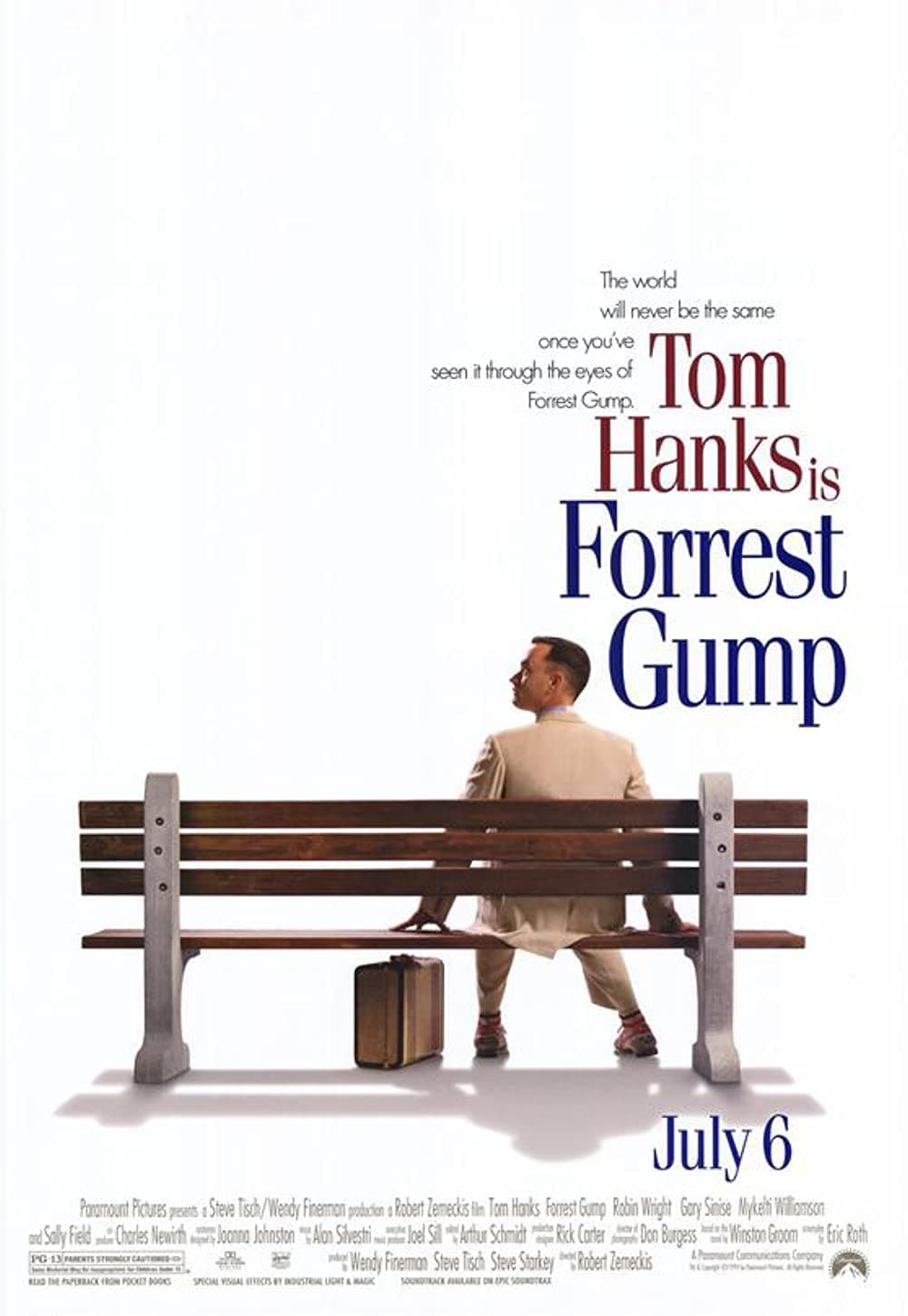
1994 // VHS
Forest Gump
A man on a bench who refuses to make history anything more complicated than a story worth telling.
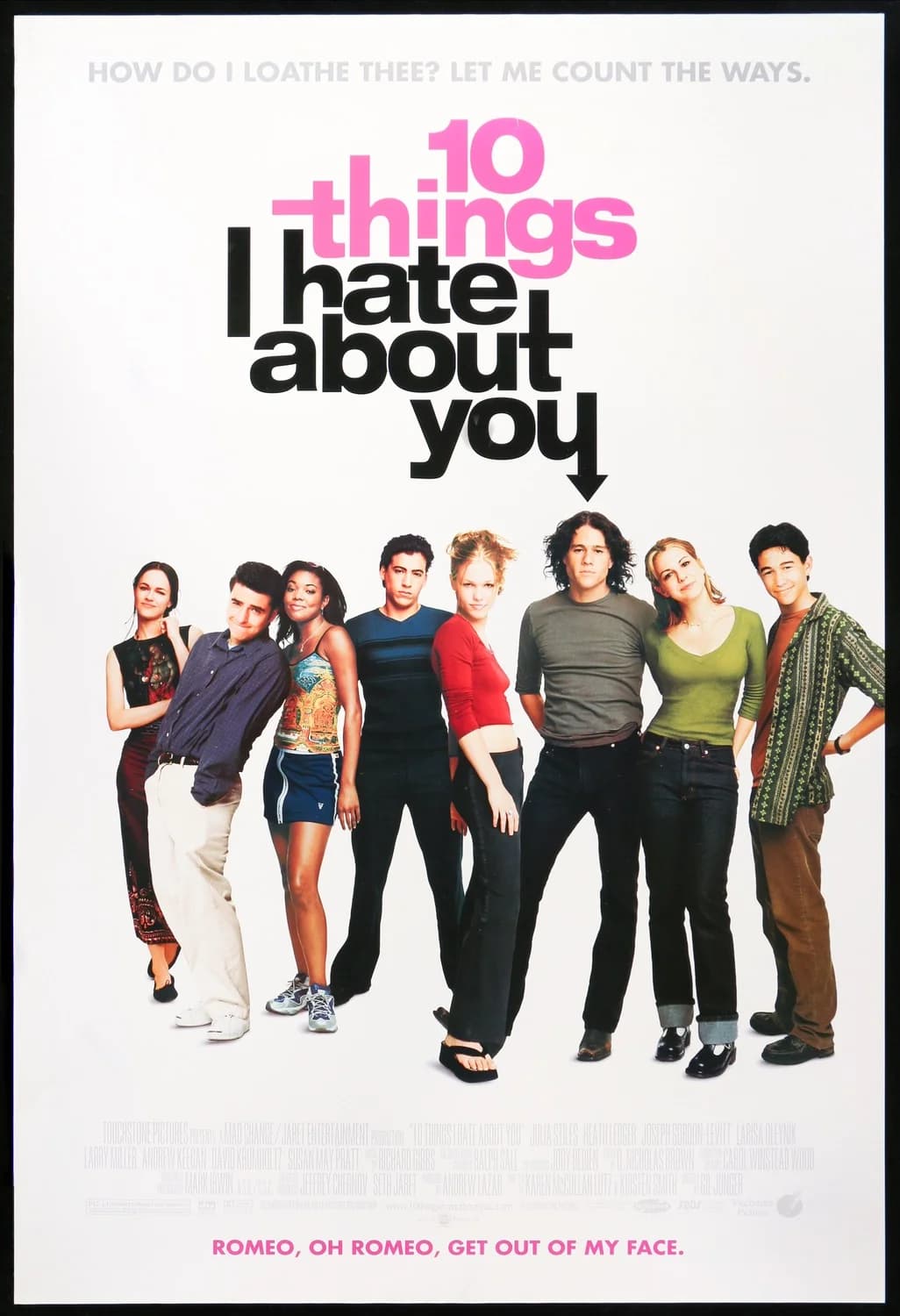
1999 // VHS
10 Things I Hate About You
Sibling rules, a rooftop serenade and one very stubborn Kat — Shakespeare in a school corridor.
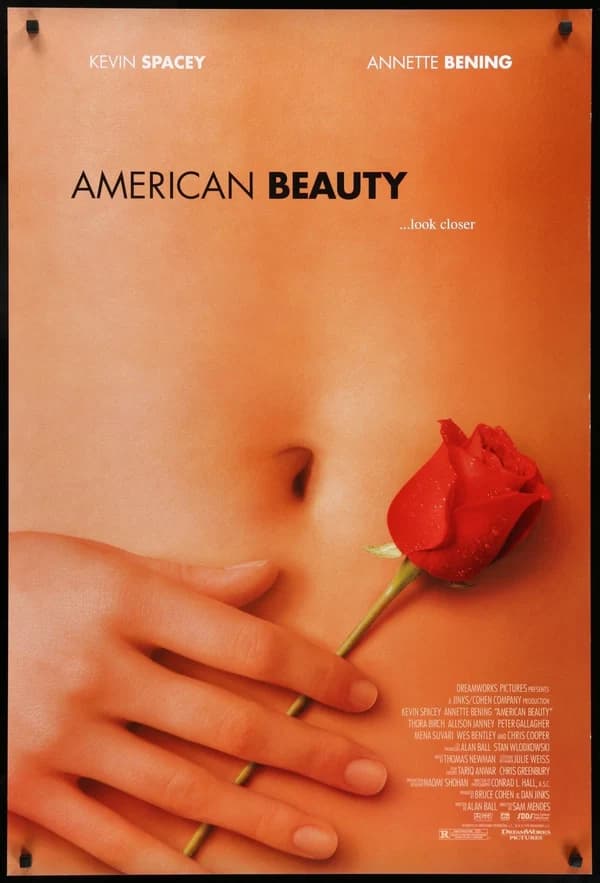
1999 // VHS
American Beauty
Lester Burnham, suburban rot and a midlife argument that still stings.