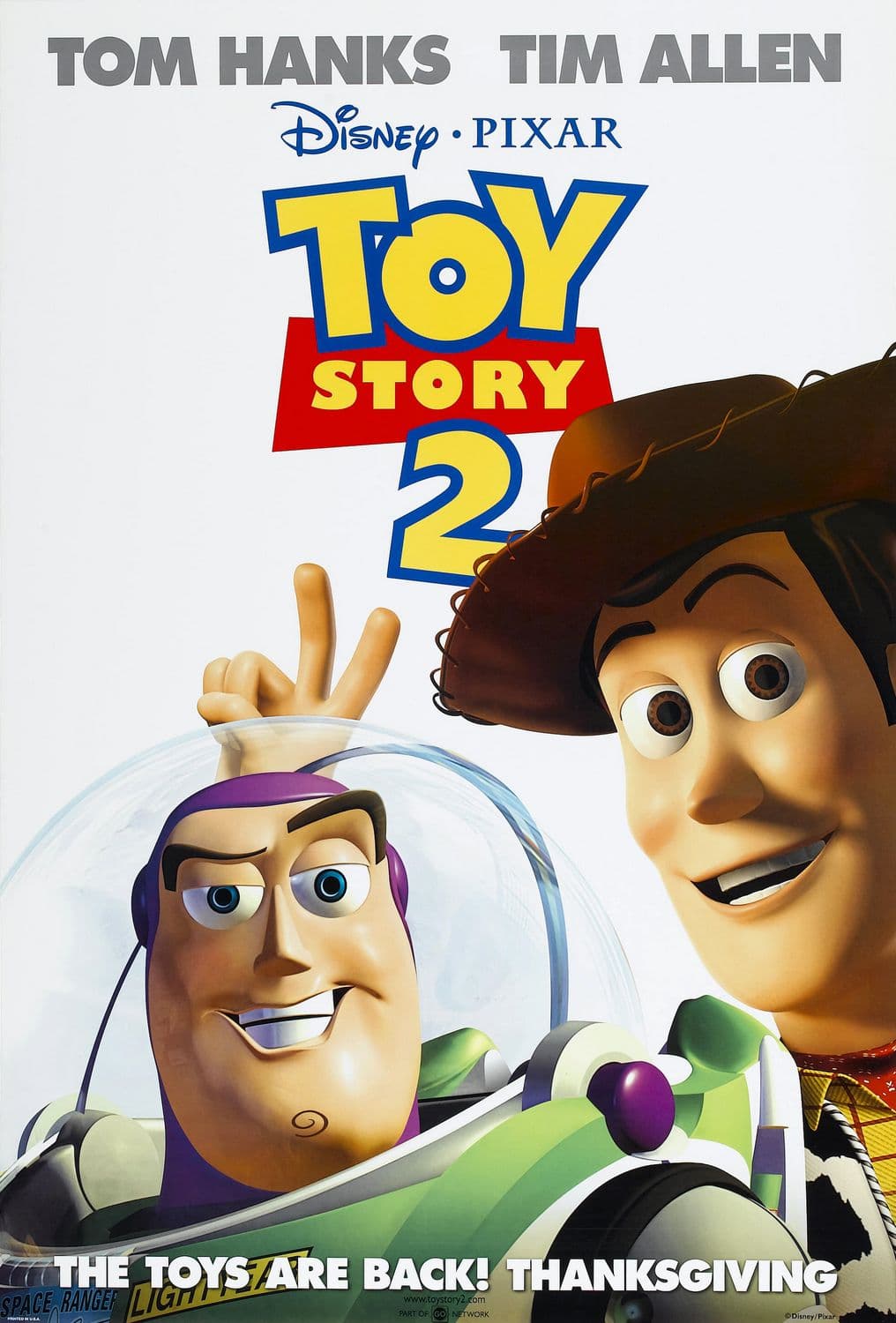
Toy Story 2
A rescue mission, a museum offer and a song that quietly breaks you — Toy Story 2 still knows how to tug at the chest.
// The setup
PLAYBACK STARTED
Toy Story 2 isn't just a sequel that does everything bigger; it's the one that asks what happens when a friend is offered forever in a glass case. John Lasseter's follow-up turns a cross-town rescue into a surprisingly grown-up conversation about being loved and being preserved.
THE MOVIE
Woody is still the reason this movie works
People talk about Toy Story 2 because it turns a cartoon toy caper into a proper dilemma. The whole thing kicks off when Woody is taken by a toy collector — that theft is the engine that sends Buzz and the gang into rescue mode and puts Woody face-to-face with a different future.
That future isn’t just a nicer shelf. Woody discovers he’s part of a retired TV and merchandise property called Woody's Roundup and meets Jessie, Bullseye and Stinky Pete. The offer on the table — museum preservation and a kind of immortality — is the temptation that makes Woody’s choices matter.
Underneath the jokes and the chase sequences the film keeps returning to a plain, worrying idea: toys fear being forgotten. Lasseter and the writers give that fear some teeth, and they keep Woody at the centre of it — which is why, nearly every time, the story folds back to him.
THE SETUP
The idea that sets Toy Story 2 in motion
At a surface level the movie is tidy: Woody is taken by a collector and Buzz leads the toys on a mission to bring him home. That's the mechanical hook — a simple, satisfying reason for the toys to move through the city and get into trouble.
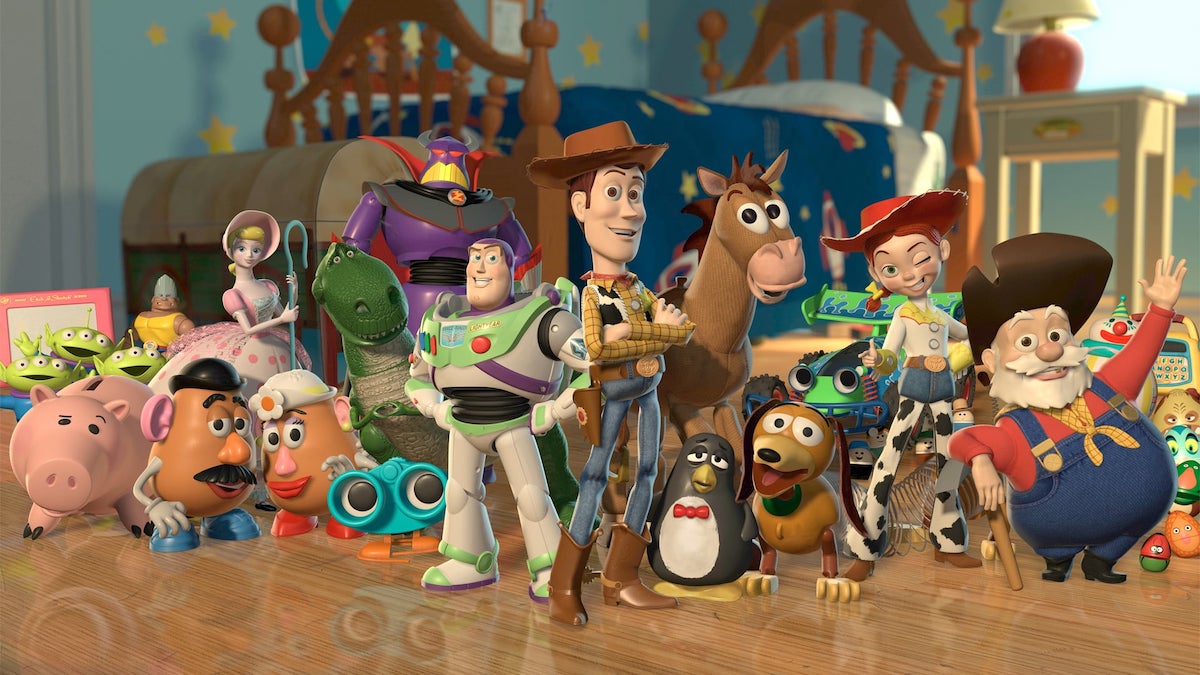
What gives the setup bite is what Woody finds when he’s away from Andy’s room. He’s part of Woody's Roundup, a retired bit of merchandising history, and the Roundup crew offer him a place in a museum — the sort of permanence no toy playing in a child’s bedroom can promise.
That offer sets up the central conflict: stay with Andy and accept being loved for a limited time, or take the museum’s promise of long-term preservation and recognition. It’s a choice that sounds small until you remember how personal toy-ownership is in this world.
The film also widens the stakes by adding Jessie’s backstory as a counterpoint: her flashback about being loved and later forgotten explains why she reacts the way she does to the museum idea, and it gives the rescue a real emotional echo.
THE CHARACTER
Why Woody matters
Woody is the tie that holds the movie together. His theft is the story’s catalyst, and his discovery about Woody's Roundup turns him from a comforting presence into a character wrestling with real fear — the fear of being discarded after he’s damaged.
That fear is the small, human detail that turns a plastic pull-string into something you can worry about. Faced with the idea of being preserved under glass, Woody has to ask whether a life of admiration is the same as a life of being played with.
The rest of the toys are written around that tension. Buzz does the practical rescue-leader stuff, which sets him up as a foil to Woody’s inward-looking questions about purpose. Their dynamic keeps the film moving between action and argument without losing heart.
And because Woody’s dilemma is rooted in belonging and usefulness, the movie’s lighter moments never feel throwaway; they’re the worksmanship that lets the bigger emotional beats land.
UNDER THE SURFACE
Toy Story 2 has more on its mind than the plot suggests
On the surface it’s a family adventure about toys and loyalty. But the film keeps circling a handful of ideas: the terror of being outgrown, the strength of friendship, and what it means to have a purpose that isn’t just about being admired.
Abandonment is everywhere — not as a throwaway sadness but as the real thing that characters respond to. Jessie’s history is a deliberate counterbalance; her flashback makes the film’s central worry personal and painful.
Friendship and loyalty are written as active choices. The rescue mission isn’t framed as a clean trade-off between personal gain and the group; the toys repeatedly choose collective responsibility over individual reward.
Then there’s the film’s wink at nostalgia and merchandising. By putting Woody’s origin in a retired TV property, the story asks whether being part of a branded past is salvation or a kind of slow forgetting dressed up as honour.
PURE 80S
Toy Story 2 could not belong to any other decade
Toy Story 2 belongs to a moment when CGI features stopped being niche curiosities and became franchise-building event pictures. What began as a direct-to-video idea was upgraded to a theatrical release, and that shift shows how the late-1990s industry was starting to treat animated sequels as major studio projects.
That change isn’t just corporate paperwork; it affects the appetite of the film — the scale of the story, the investment in new characters and the sense that this wasn’t a quick cash-in but a proper follow-up that needed to earn a place on cinema schedules.
It’s a movie shaped by that late-90s mindset: ambitious, commercially aware, but still willing to take a real emotional swing. The upgrade from video to cinema changed what the filmmakers felt they could do, and you can feel that ambition in every set-piece and song choice.
So while Toy Story 2 wears its family-film label, it also smells faintly of a business that had just realised animated sequels could be prestige territory — and that discovery gives the film some of its confident energy.
WATCHING IT NOW
What has aged — and what hasn't
Seen today as a family film, Toy Story 2 still knows how to balance laughs and a real emotional sting. The friendship-and-loyalty backbone gives the story a clarity that makes it easy for modern viewers — kids or adults — to follow and care about.
Those central themes mean the movie’s heart hasn’t dulled. The rescue plot moves at a good clip, but the quieter moments — the flashback that explains Jessie, the conversations about purpose — are what keep the film from feeling like just another children’s adventure.
Its running time and family-friendly framing still serve it well: the film is compact and deliberate, which helps when you rewatch it with different expectations than you had in 1999.
In short: as family entertainment it endures because the movie trusts its characters and its themes enough to let the emotion breathe.
THE LEGACY
Why Toy Story 2 still matters
The film picked up awards attention — it won the Golden Globe for Best Motion Picture – Musical or Comedy and its music, especially the song that tells Jessie’s story, got acknowledged with nominations. Those are tidy markers that the film landed with critics and industry voters.
The Jessie sequence 'When She Loved Me' in particular earned wider recognition, with Randy Newman’s song performed on the soundtrack by Sarah McLachlan and later singled out during awards season.
Toy Story 2 also received a limited 3D re-release alongside the original, and its commercial and critical fortunes helped cement Pixar’s approach to building the Toy Story franchise, leading naturally to further sequels.
All of that adds up to a film that mattered to audiences and to the studio ecosystem at the time — and that standing is a practical reason the sequel continued the story rather than letting it rest.
THE VERDICT
Does Toy Story 2 still hold up?
Yes — and not just for nostalgia. The story’s basic engine (Woody’s theft and the toys’ rescue mission) gives the film momentum, but it’s the moral tug-of-war Woody faces — museum immortality versus messy, temporary love — that gives the whole thing weight.
Jessie’s flashback is the short, sharp piece of writing that turns the movie from bright family fun into something that actually aches. That sequence reframes the stakes for several characters and makes the rescue feel less like a stunt and more like loyalty put to a test.
As a family film it still works: it’s entertaining, clear in intent and emotionally real in the ways that count. The themes of abandonment and friendship are straightforward but stubbornly effective, and they hold up whether you first saw the movie in 1999 or last week.
If you haven’t watched it recently, give it a go. It’s the kind of sequel that remembers why you liked the original and then asks you to care a little more — which, for a film about toys, is a neat trick.
Share this movie
// Keep watching
More movies from the 90s
If Toy Story 2 is your kind of movie, there's plenty more on the shelves worth rewinding.
1999 // VHS
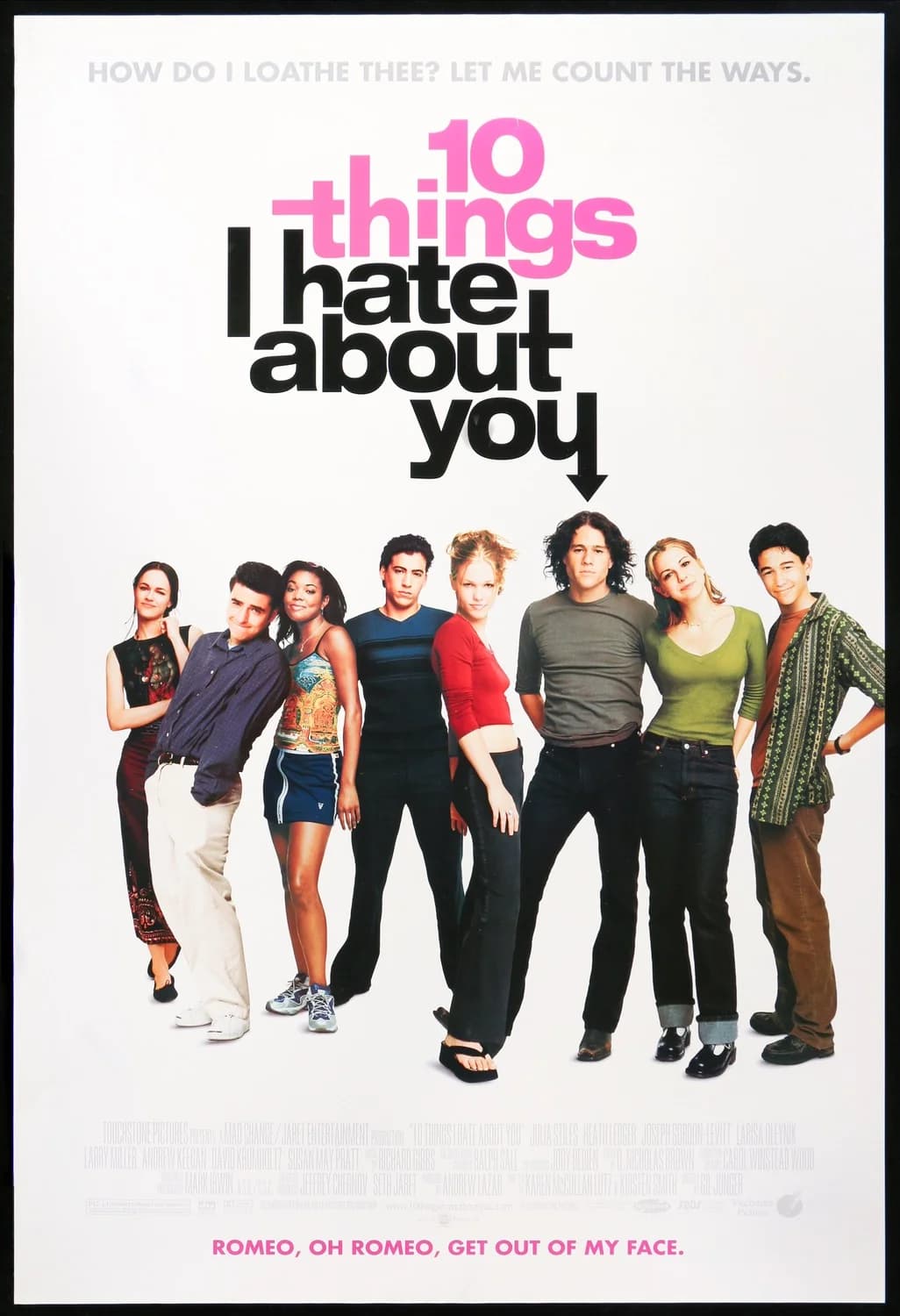
10 Things I Hate About You
Sibling rules, a rooftop serenade and one very stubborn Kat — Shakespeare in a school corridor.
1999 // VHS
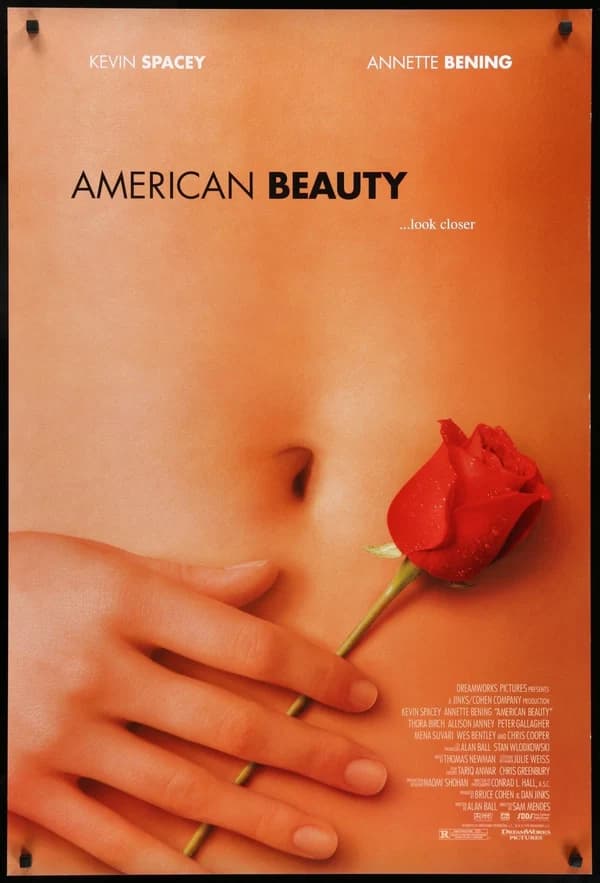
American Beauty
Lester Burnham, suburban rot and a midlife argument that still stings.
1999 // VHS
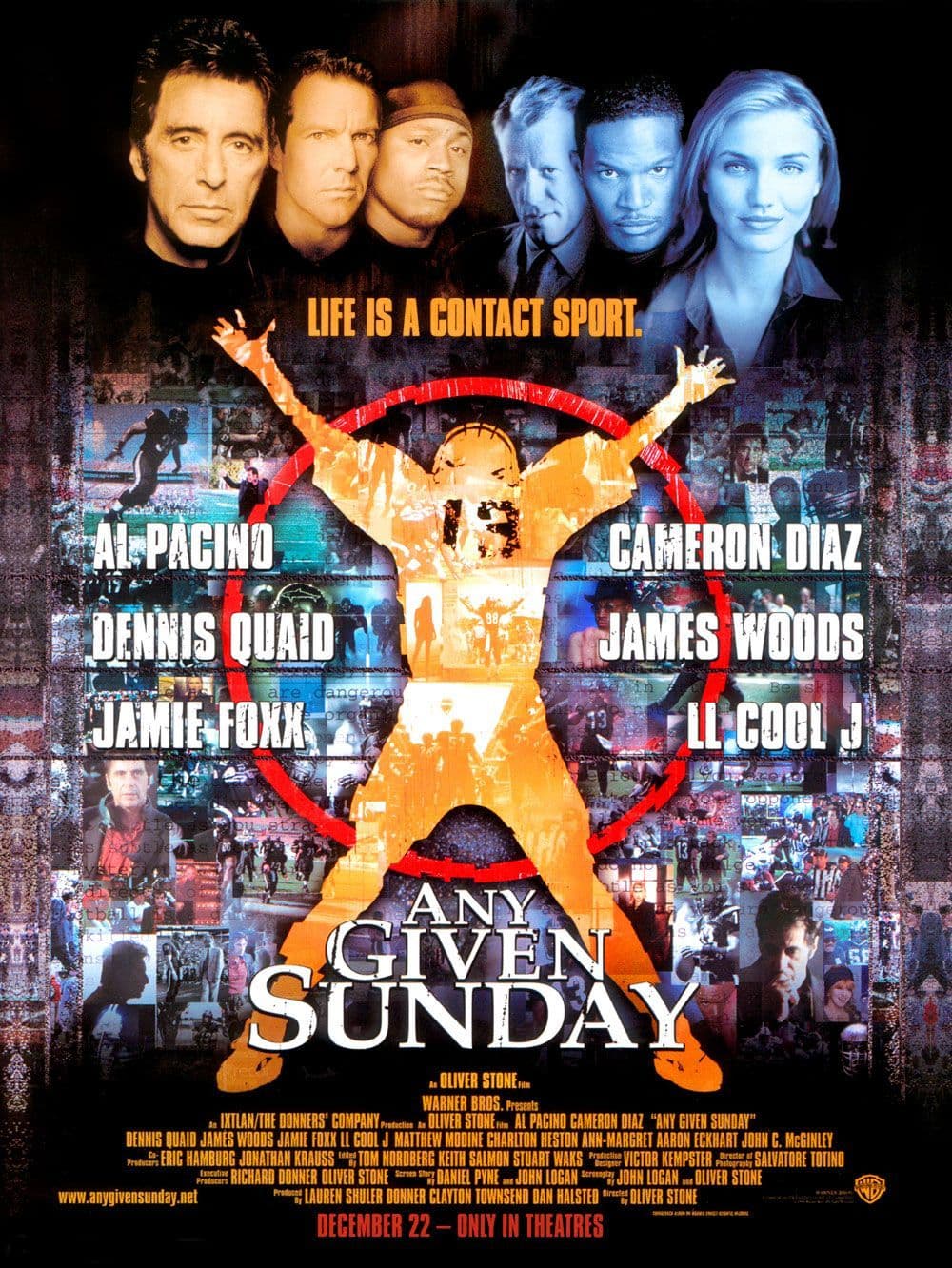
Any Given Sunday
Al Pacino's coach anchors the chaos of a film about football turned into product — loud, messy and oddly persuasive.