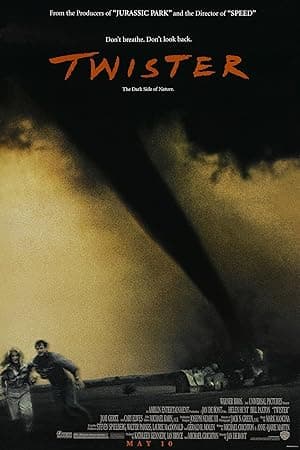
Twister
Tornadoes, obsession and one stubborn scientist — Twister still knows how to blow you away.
// The setup
PLAYBACK STARTED
Think of Twister and you probably remember a house flying past a pickup truck. But what really sticks is Jo Harding — a scientist whose personal history turns a weather chase into a one-woman vendetta against the sky. Jan de Bont built a blockbuster around that stubbornness, and it’s worth revisiting to see how personality and spectacle were married in mid‑90s Hollywood.
THE MOVIE
Dr. Jo Harding is still the reason this movie works
Forget the special-effects showreel for a moment. Twister centres on a woman who was shaped by a childhood tornado and turned that trauma into a professional obsession. That personal engine — Jo Harding’s refusal to let the sky have the last word — is what gives the film a pulse beyond the explosions and CGI.
At its simplest, the picture sends a team of storm chasers into Oklahoma to plant a device called Dorothy inside an active tornado so it can collect data. The device provides the plot, but Jo’s history — the prologue that establishes she lost her father to a storm — is what makes every chase feel necessary instead of merely dangerous.
Jan de Bont, coming off Speed, treated disaster cinema like an endurance test and built Twister into a 113‑minute sprint of action, rivalry and risk. The result is a mid‑90s blockbuster that hangs its spectacle on one recognisable human stubbornness, and that’s why people still bring the movie up.
THE SETUP
The idea that sets Twister in motion
Twister keeps its setup admirably straightforward: a crew of storm chasers is trying to get a data instrument called Dorothy into the heart of a tornado. The device needs to be released very near or inside the vortex so its sensors can do the job, which makes every approach a high‑stakes technical gamble.
Complicating that clear objective is a rival team, better funded and keen to claim the same scientific glory. The presence of Dr. Jonas Miller’s group turns scientific fieldwork into a race for credit, which ramps up tension without losing sight of the core task: get Dorothy into a tornado.
That neat premise — a simple mechanical goal, an escalating natural threat and a competitive human element — is why the setup works. It gives the film a sequence of increasingly dangerous set pieces while keeping the crew’s reason for risking everything explicit and trackable.
THE CHARACTER
Why Dr. Jo Harding matters
Helen Hunt’s Jo Harding is not just the woman at the centre of the action; she’s the reason the action matters. The film gives her a concrete, unglamorous motivation — a childhood tornado that killed her father — and lets that past push her into dangerous, often reckless choices.
She’s presented as an obsessive career meteorologist whose commitment to field deployments comes from more than academic curiosity. That personal history turns each chase into a form of reckoning; it’s not just data they’re after, it’s a kind of answer Jo has carried since she was a child.
Because the movie stakes so much on Jo’s obsession, every scene where she risks herself to place Dorothy reads as an attempt to settle something private as well as scientific. That blend of trauma and professional hunger is what makes her the film’s emotional engine.
UNDER THE SURFACE
Twister has more on its mind than the plot suggests
On the surface Twister is a disaster movie: storms arrive, things break, people run. Underneath that, the film stages a contest between human will and an indifferent natural force. The tornadoes are not moral actors; they’re an overwhelming problem humans try to measure, manoeuvre around and survive.
Another theme is the tension between scientific discovery and the risk it demands. Dorothy exists because knowledge sometimes requires placing instruments — and people — in harm’s way. That willingness to accept danger for data is central to the film’s moral logic.
Professional rivalry colours the plot too. The race to deploy a Dorothy-like device turns field research into a contest for recognition, which complicates motives: scientists are chasing storms and credit in equal measure. That scramble sharpens the film’s stakes without derailing its focus.
Finally, obsession and personal trauma sit behind those public tensions. Jo’s past is the private engine that turns sterile research into a personal mission, which is why the film’s human beats often feel more interesting than the spectacle alone.
THE FILMMAKING
How Twister was put together
Jan de Bont came to Twister after making a name for himself as a cinematographer‑turned‑director, and that background shows. The production favours big, kinetic staging — camera moves and set pieces designed to sell motion and chaos — which suits a movie about violent weather.
Cinematography by Jack N. Green and editing by Michael Kahn supported that kinetic approach; the film leans on large staged sequences and production design to make each chase feel immediate. Those choices give the movie a visual identity that’s less about pretty compositions and more about controlled mayhem.
It’s a directing gamble: prioritise physical momentum over quiet invention, and hope the audience stays aboard for the ride. In Twister’s case the filmmaking decision to amplify action and staging makes the tornadoes themselves feel like the principal antagonist.
PRACTICAL EFFECTS
The effects work that gives Twister its physical personality
Twister’s sense of physical danger comes from a conscious mix of on‑set weather work and digital compositing. Wind, rain, staged debris and mechanical set destruction were extensively used on stages and locations to create the foreground chaos that actors and sets physically react to.
Those practical elements were then combined with computerised imagery for the tornadoes and background destruction. The finished sequences are a stitched product: hands‑on storm effects in the foreground, digital volumetric elements layered behind.
Credits name a practical‑effects supervisor and the production relied on integrating custom weather rigs and debris with digital work. That combination is precisely why many scenes feel tactile even when the most dramatic parts of the tornado are computer‑generated.
PURE 80S
Twister could not belong to any other decade
Twister is very much a mid‑90s product: a summer blockbuster built around spectacle and the newer possibilities of digital effects. It sits in the period after films like Jurassic Park when studios treated VFX capability as permission to up the ante on big‑ticket thrills.
The film was produced and sold as an effects‑driven event, a piece of commercial, crowd‑pleasing cinema that prioritised large set pieces and showy sequences. That marketing and construction places it comfortably in the era when VFX‑heavy pictures dominated the calendar.
Jan de Bont’s path — moving from celebrated cinematographer to director — also reflects a 1990s pattern of directors who brought a visually kinetic, effects‑forward sensibility to mainstream action filmmaking. Twister is part of that small wave of films that put camera movement and VFX centre stage.
All of which means Twister is best understood as a 1996 spectacle: a movie whose ambitions and methods are inseparable from the technological and commercial moment that produced it.
THE LEGACY
Why Twister still matters
Twister earned industry recognition at the time: it received Academy Award nominations for Visual Effects and for Sound, a nod to the scale and craft behind its storm sequences.
Its visual‑effects programme — a blend of staged practical elements and digital compositing — is often pointed to in VFX conversations as a notable mid‑90s effort that tried to bridge old and new techniques. In other words, the film matters to specialists as much as it does to fans of spectacle.
The movie also stuck around in popular culture and, decades later, produced a standalone sequel/revival titled Twisters. That afterlife suggests Twister lodged enough in people’s memory to justify revisiting the premise.
Put simply: it’s remembered partly because it was a big technical effort and partly because it married that effort to a recognisable human story about chasing answers in dangerous places.
THE VERDICT
Does Twister still hold up?
Yes — but with a clear condition. Twister works when you watch it for the collision of personality and spectacle rather than as a subtle drama. The film’s driving object — getting Dorothy into a tornado — gives it continuous forward motion, and the presence of a rival team keeps the stakes both scientific and competitive.
The human element matters. Jo Harding’s childhood loss and her obsessive commitment to field work make the dangerous deployments feel personal; Bill Harding’s return as an estranged husband and television weatherman adds a private tension that balances the spectacle. Those human beats turn set-piece chases into moments that mean something.
Technically, the movie is a 1990s blockbuster through and through: a 113‑minute directional sprint from Jan de Bont, with practical storm work integrated into a major digital effects programme. That mix is what earned the film industry nods and why many sequences still deliver a thrill.
If you want a thoughtful meditation on nature, look elsewhere. If you want a film that ties a recognisable, stubborn protagonist to escalating, physical stakes and a do‑or‑die scientific goal, Twister still does the job. Watch it when you’re in the mood to be swept along — literally and, thanks to Jo, emotionally too.
Share this movie
// Keep watching
More movies from the 90s
If Twister is your kind of movie, there's plenty more on the shelves worth rewinding.
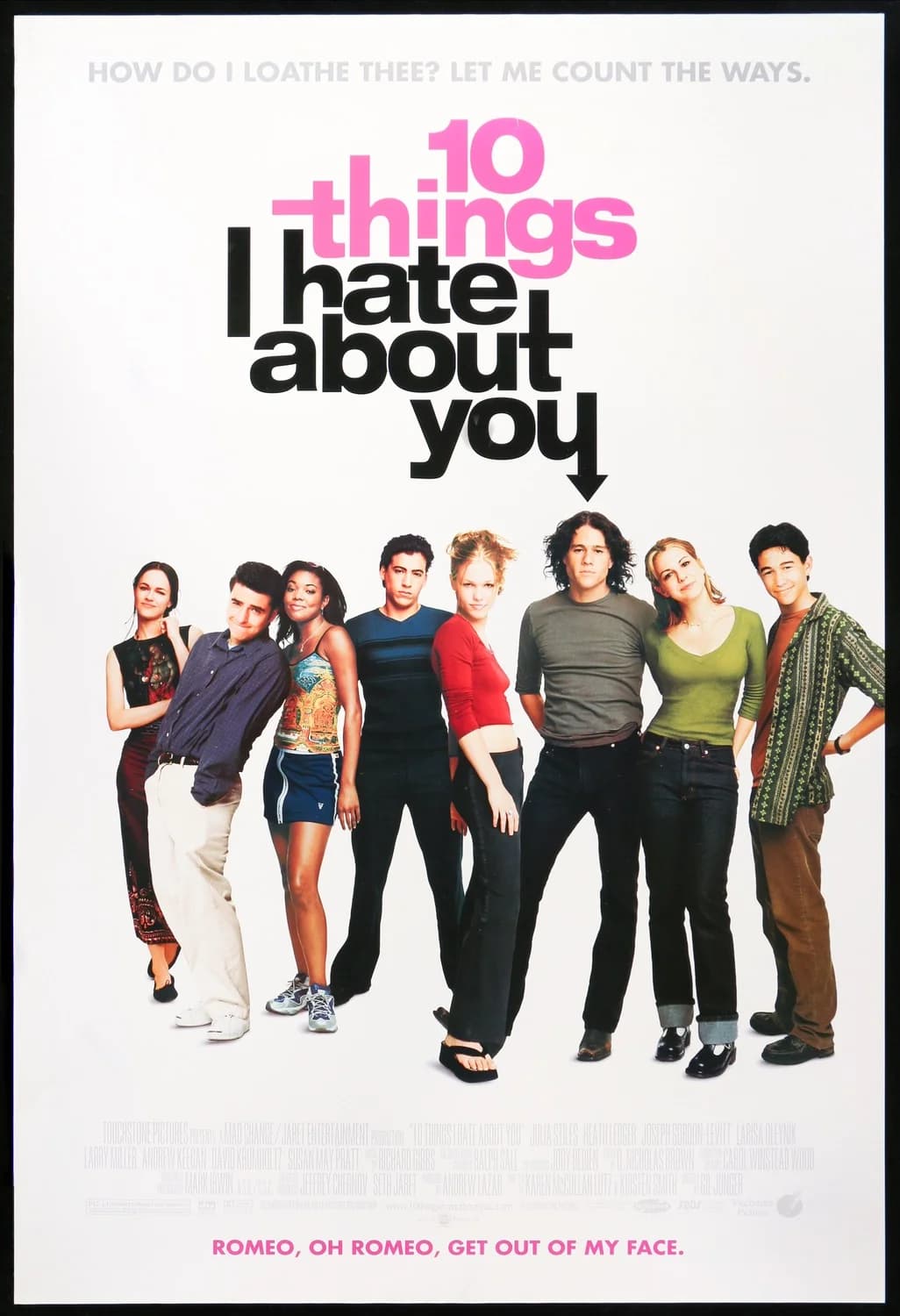
1999 // VHS
10 Things I Hate About You
Sibling rules, a rooftop serenade and one very stubborn Kat — Shakespeare in a school corridor.
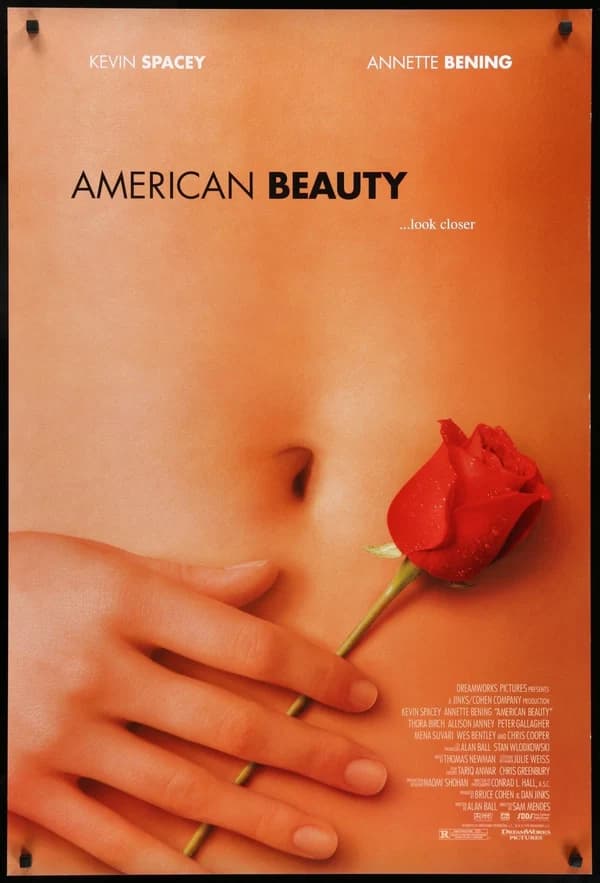
1999 // VHS
American Beauty
Lester Burnham, suburban rot and a midlife argument that still stings.
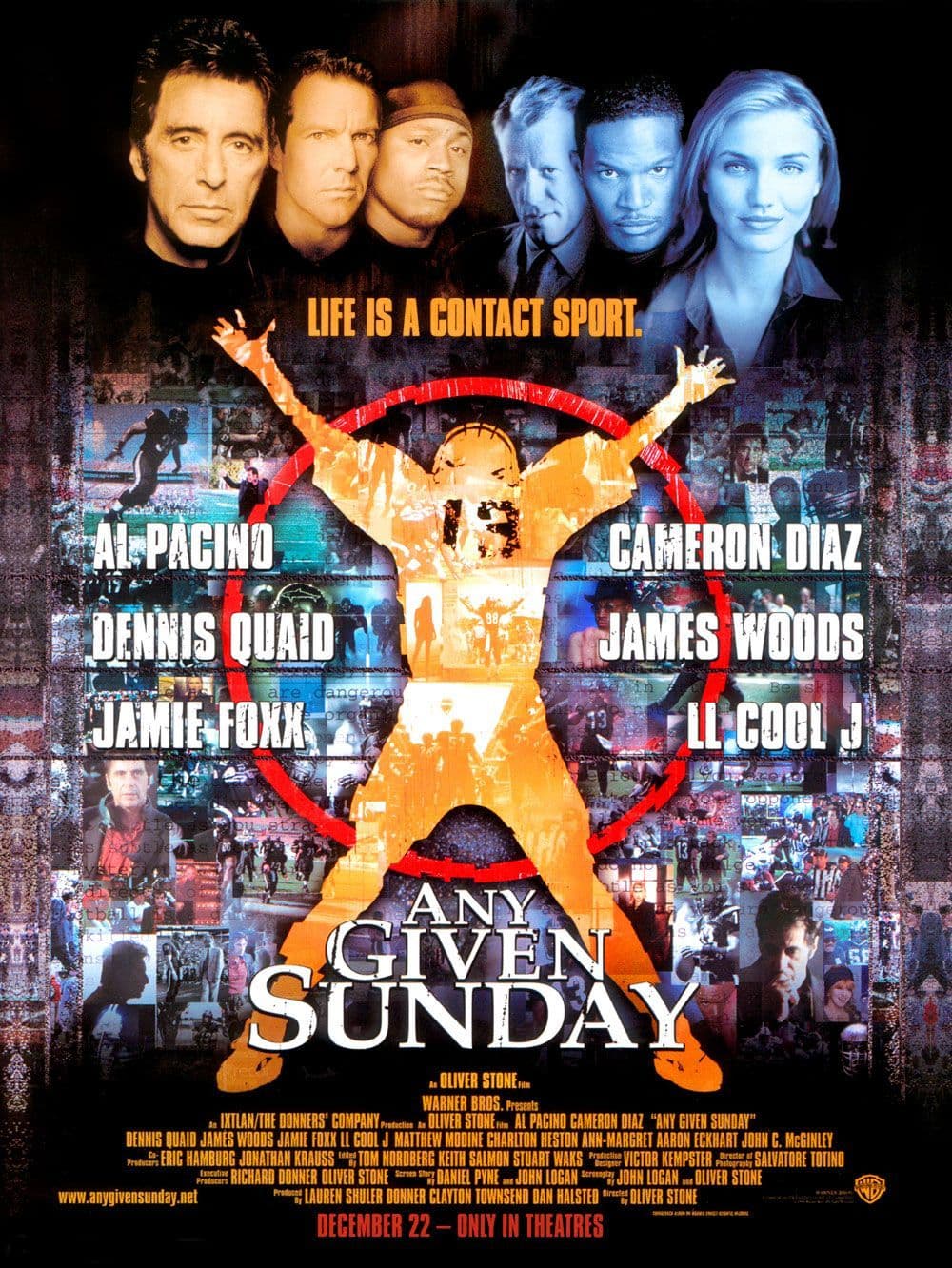
1999 // VHS
Any Given Sunday
Al Pacino's coach anchors the chaos of a film about football turned into product — loud, messy and oddly persuasive.